A Tract on Monetary Reform
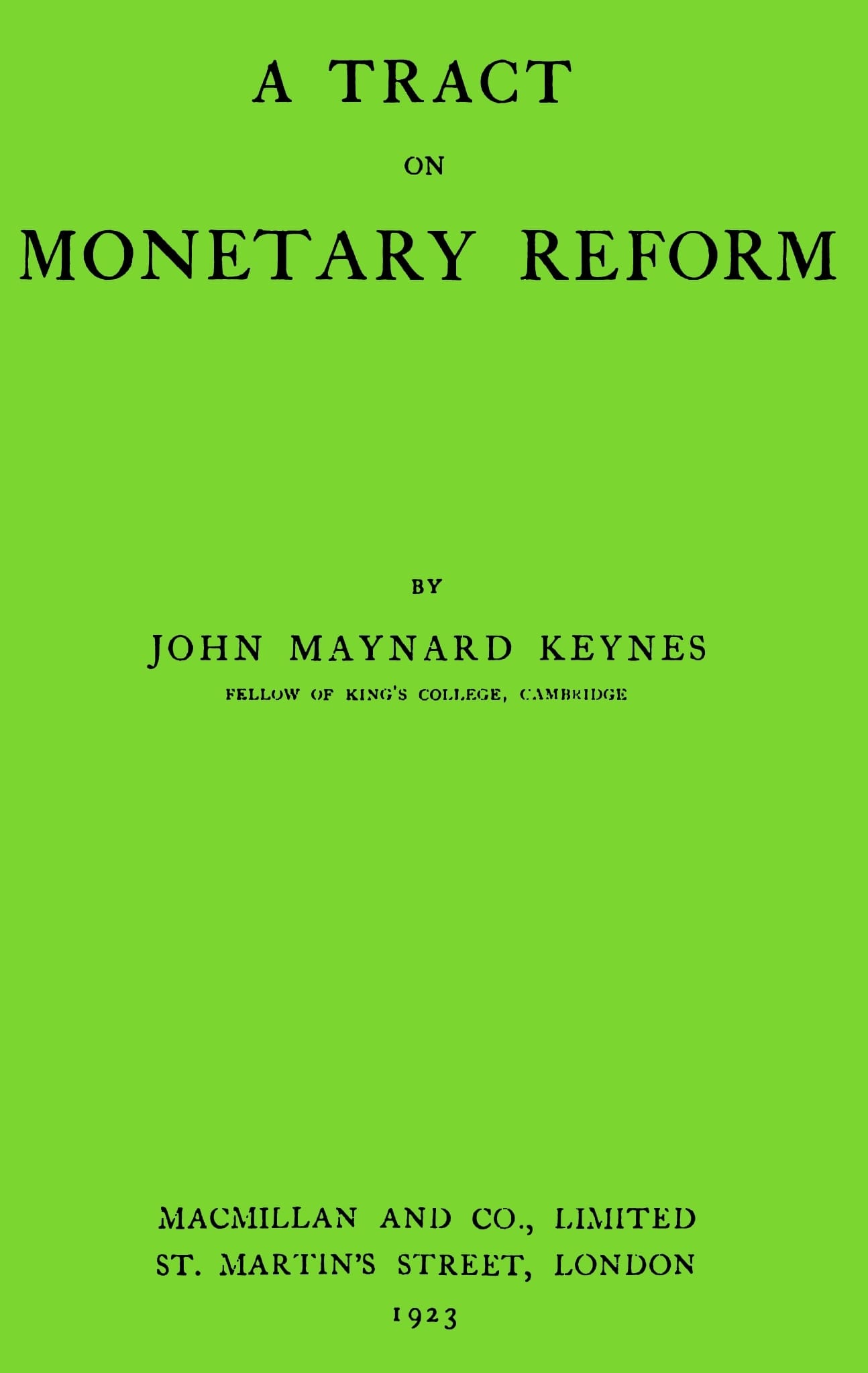
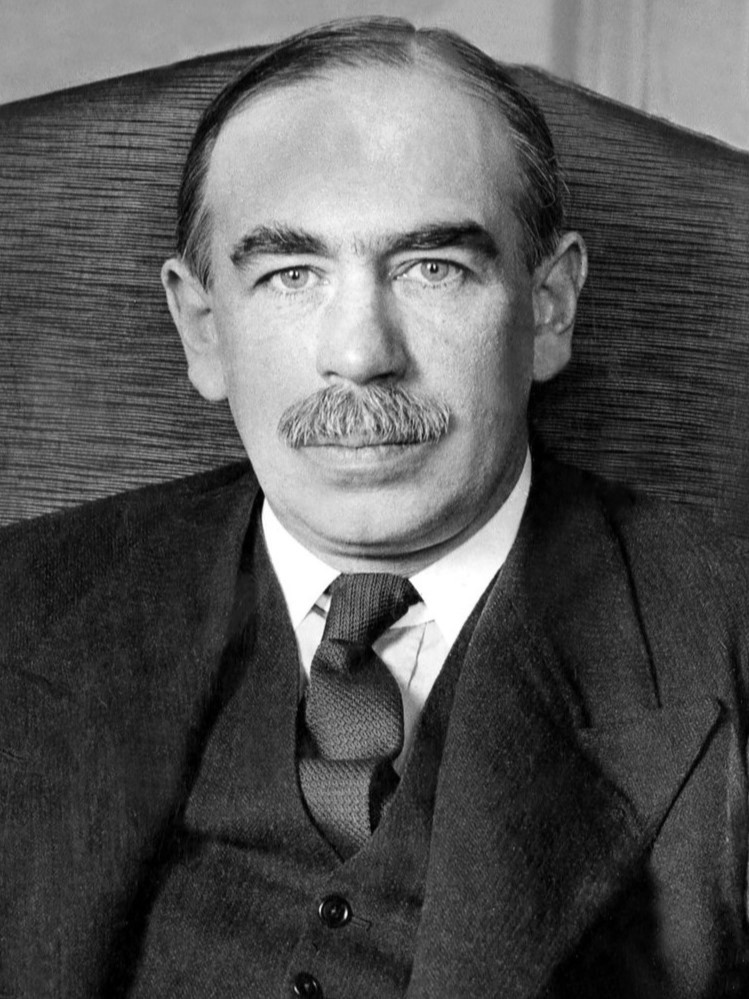
Written in the aftermath of the First World War, when Europe lay in economic ruins and currencies collapsed daily, John Maynard Keynes issued a radical challenge to the orthodoxy that had governed finance for a century. In this concise, incendiary tract, he argues that nations must prioritize domestic price stability over the sacred preservation of fixed exchange rates, calling the gold standard a "barbarous relic" that ties countries to a system designed for a vanished world. Keynes proposes managed monetary policy, using interest rates and banking reserves not as blunt instruments but as precise tools for navigating economic storms, and advocates his revolutionary "crawling peg" system, where exchange rates adjust gradually rather than catastrophically. The book crackles with intellectual urgency, written by a man who watched empires crumble under the weight of rigid monetary doctrine and knew something different was possible. A century later, with debates about currency wars, central bank independence, and the costs of global financial integration still raging, this remains the essential starting point for anyone who wants to understand how money actually works, and who decides.
Editions
Link to this book
Add a free, dofollow link to Lex on your blog, forum, syllabus, or reading list.

<a href="https://lex-books.com/book/a-tract-on-monetary-reform-1fd986a9-b8b0-41dc-b667-d7360aa56f39"><img src="https://lex-books.com/badges/read-on-lex.svg" alt="Read A Tract on Monetary Reform by John Maynard Keynes free on Lex" width="160" height="40"></a>[](https://lex-books.com/book/a-tract-on-monetary-reform-1fd986a9-b8b0-41dc-b667-d7360aa56f39)[url=https://lex-books.com/book/a-tract-on-monetary-reform-1fd986a9-b8b0-41dc-b667-d7360aa56f39][img]https://lex-books.com/badges/read-on-lex.svg[/img][/url]Read A Tract on Monetary Reform by John Maynard Keynes free on Lex: https://lex-books.com/book/a-tract-on-monetary-reform-1fd986a9-b8b0-41dc-b667-d7360aa56f39Cite this book
Reading this edition for a paper or guide? Copy a citation.
Keynes, John Maynard. A Tract on Monetary Reform. Lex, lex-books.com/book/a-tract-on-monetary-reform-1fd986a9-b8b0-41dc-b667-d7360aa56f39.Keynes, J. M. (n.d.). A Tract on Monetary Reform. Lex. https://lex-books.com/book/a-tract-on-monetary-reform-1fd986a9-b8b0-41dc-b667-d7360aa56f39Keynes, John Maynard. A Tract on Monetary Reform. Lex. https://lex-books.com/book/a-tract-on-monetary-reform-1fd986a9-b8b0-41dc-b667-d7360aa56f39.