A Revision of the Treaty: Being a Sequel to the Economic Consequence of the Peace
1922

A Revision of the Treaty: Being a Sequel to the Economic Consequence of the Peace
1922
Economics, History - Modern (1750+), Politics
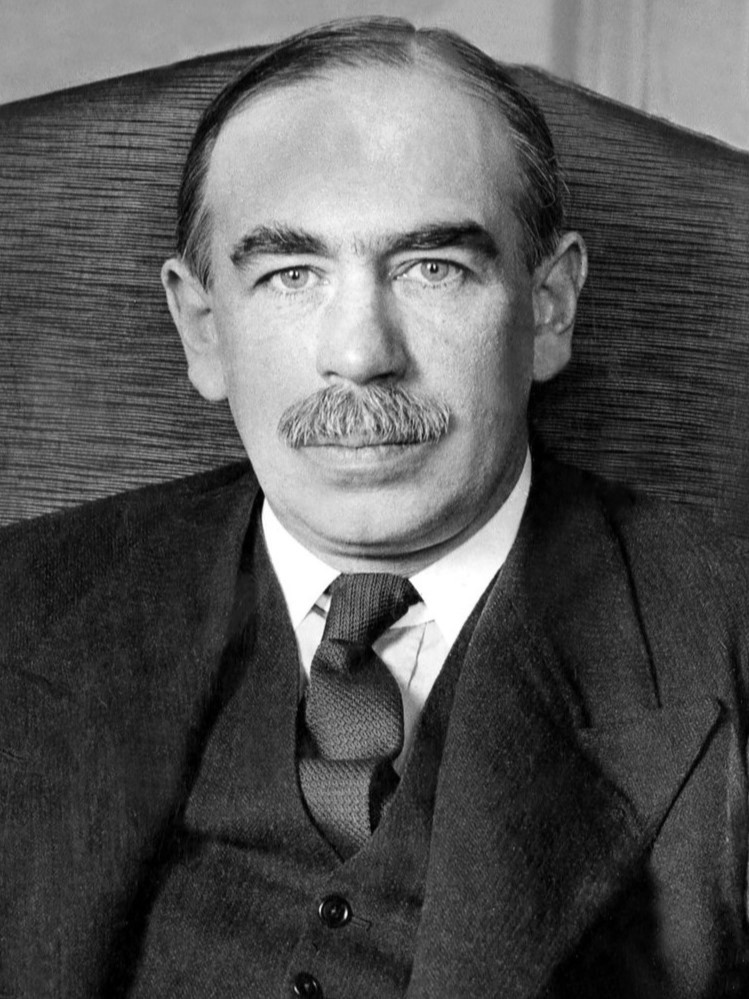
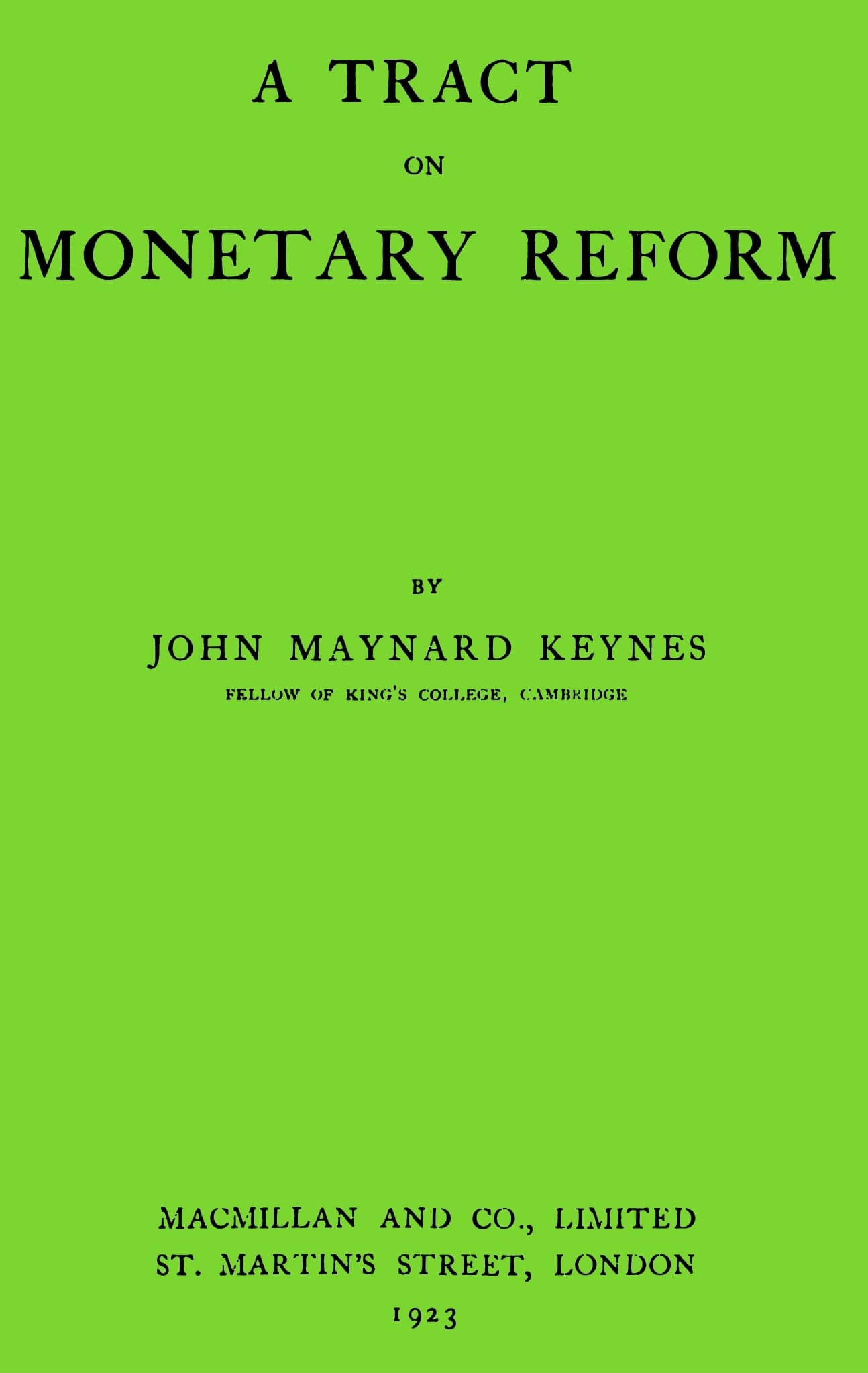
A Revision of the Treaty, published in 1922 by John Maynard Keynes, is a critical sequel to his earlier work, The Economic Consequences of the Peace. This book analyzes the Treaty of Versailles and its reparations, arguing for necessary revisions based on evolving public sentiment and political realities. Keynes critiques the decisions made by key statesmen and emphasizes the impracticality of the Treaty’s expectations, contributing to the discourse on sustainable post-war treaties and their implications for international relations.
Editions
Ebooks
A Revision of the Treaty: Being a Sequel to the Economic Consequence of the PeaceCurrent
Project Gutenberg · 239 pages
Link to this book
Add a free, dofollow link to Lex on your blog, forum, syllabus, or reading list.

HTML
<a href="https://lex-books.com/book/a-revision-of-the-treaty-being-a-sequel-to-the-economic-consequence-of-the-peace-9f6ddf80-cf04-4aea-862d-f8c3d2eedcbb"><img src="https://lex-books.com/badges/read-on-lex.svg" alt="Read A Revision of the Treaty: Being a Sequel to the Economic Consequence of the Peace by John Maynard Keynes free on Lex" width="160" height="40"></a>Markdown
[](https://lex-books.com/book/a-revision-of-the-treaty-being-a-sequel-to-the-economic-consequence-of-the-peace-9f6ddf80-cf04-4aea-862d-f8c3d2eedcbb)BBCode
[url=https://lex-books.com/book/a-revision-of-the-treaty-being-a-sequel-to-the-economic-consequence-of-the-peace-9f6ddf80-cf04-4aea-862d-f8c3d2eedcbb][img]https://lex-books.com/badges/read-on-lex.svg[/img][/url]Plain link
Read A Revision of the Treaty: Being a Sequel to the Economic Consequence of the Peace by John Maynard Keynes free on Lex: https://lex-books.com/book/a-revision-of-the-treaty-being-a-sequel-to-the-economic-consequence-of-the-peace-9f6ddf80-cf04-4aea-862d-f8c3d2eedcbbCite this book
Reading this edition for a paper or guide? Copy a citation.
MLA
Keynes, John Maynard. A Revision of the Treaty: Being a Sequel to the Economic Consequence of the Peace. Lex, lex-books.com/book/a-revision-of-the-treaty-being-a-sequel-to-the-economic-consequence-of-the-peace-9f6ddf80-cf04-4aea-862d-f8c3d2eedcbb.APA
Keynes, J. M. (1922). A Revision of the Treaty: Being a Sequel to the Economic Consequence of the Peace. Lex. https://lex-books.com/book/a-revision-of-the-treaty-being-a-sequel-to-the-economic-consequence-of-the-peace-9f6ddf80-cf04-4aea-862d-f8c3d2eedcbbChicago
Keynes, John Maynard. A Revision of the Treaty: Being a Sequel to the Economic Consequence of the Peace. Lex. https://lex-books.com/book/a-revision-of-the-treaty-being-a-sequel-to-the-economic-consequence-of-the-peace-9f6ddf80-cf04-4aea-862d-f8c3d2eedcbb.