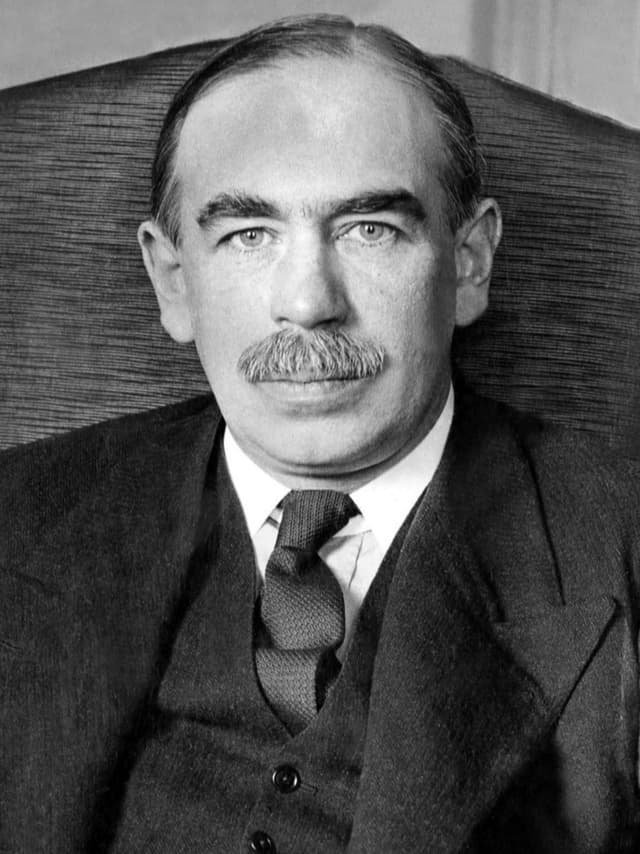
John Maynard Keynes
John Maynard Keynes was an influential English economist and philosopher whose groundbreaking ideas transformed macroeconomics and shaped government economic policies. Initially trained in mathematics, Keynes refined earlier theories on business cycles and became a pivotal figure during the Great Depression. He challenged the prevailing neoclassical economic thought, which posited that free markets would naturally ensure full employment. Instead, Keynes argued that aggregate demand was the primary driver of economic activity, positing that insufficient demand could lead to prolonged unemployment. His seminal work, The General Theory of Employment, Interest and Money, published in 1936, laid the foundation for Keynesian economics, advocating for active fiscal and monetary policies to combat economic downturns. Keynes's influence extended beyond theoretical frameworks; he played a crucial role in shaping international economic institutions post-World War II, although his recommendations were often moderated by American delegates. By the late 1930s, many Western economies began to adopt his policy suggestions, which became widely implemented in the decades following his death. Despite facing criticism in the 1970s, particularly from monetarists like Milton Friedman, Keynesian economics experienced a resurgence during the 2008 financial crisis, demonstrating the enduring relevance of his ideas in contemporary economic discourse. His legacy as the 'father of macroeconomics' continues to resonate, influencing both policy and academic thought in the field of economics.
Famous Quotes
View all 20 quotes“When my information changes, I alter my conclusions. What do you do, sir?””
“The ideas of economists and political philosophers, both when they are right and when they are wrong are more powerful than is commonly understood. Indeed, the world is ruled by little else. Practical men, who believe themselves to be quite exempt from any intellectual influences, are usually slaves of some defunct economist.””
“It is better to be roughly right than precisely wrong.””
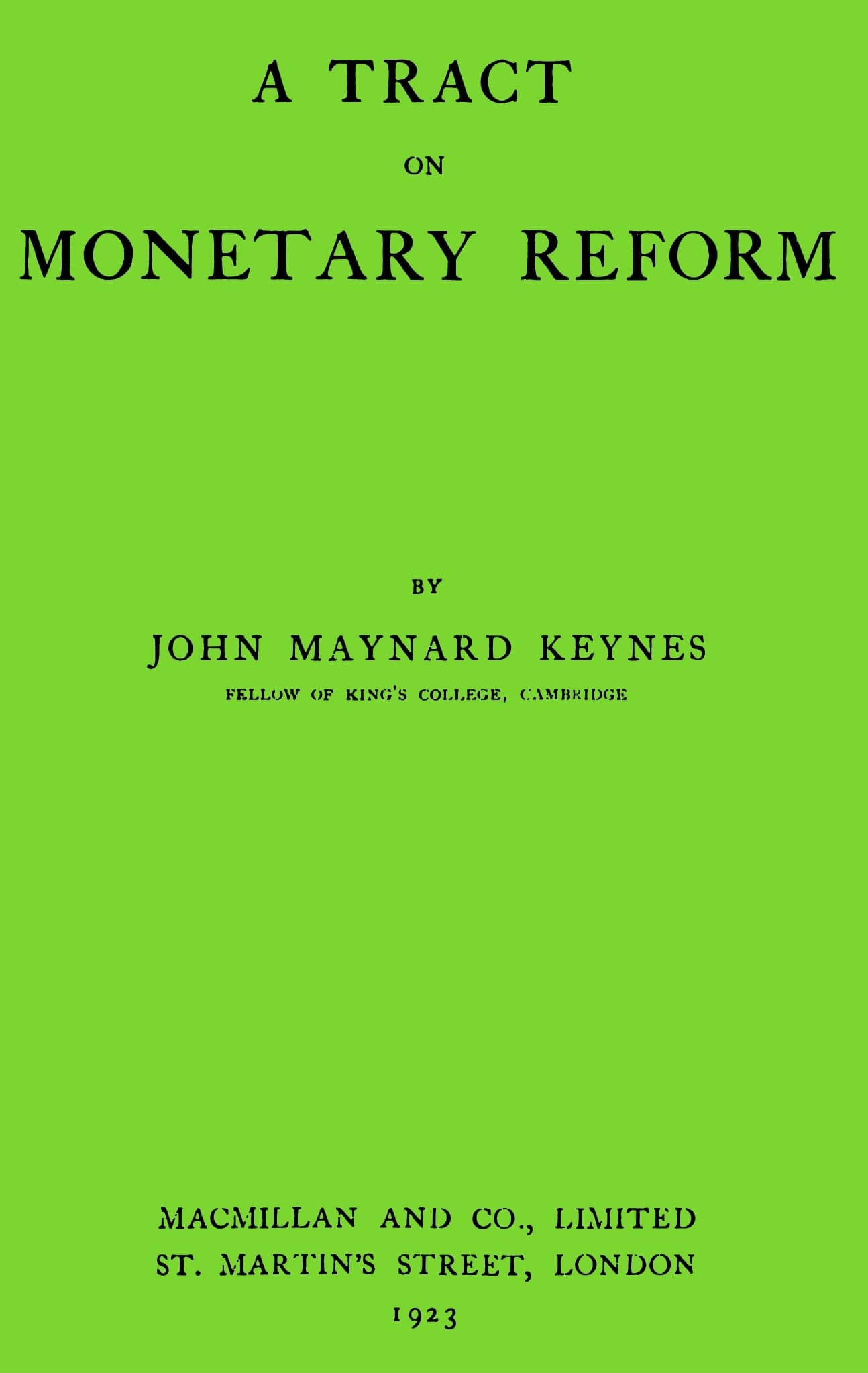
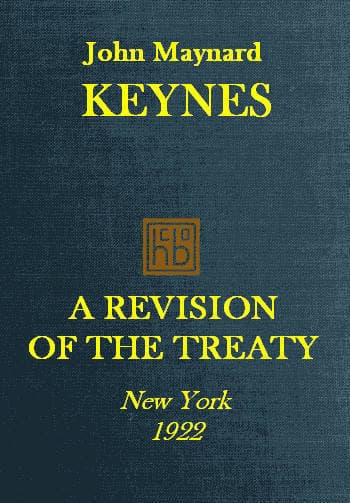
Books from the author



Link to this page
Add a free, dofollow link to Lex on your blog, forum, syllabus, or reading list.

<a href="https://lex-books.com/author/john-maynard-keynes"><img src="https://lex-books.com/badges/read-on-lex.svg" alt="John Maynard Keynes on Lex" width="160" height="40"></a>[](https://lex-books.com/author/john-maynard-keynes)[url=https://lex-books.com/author/john-maynard-keynes][img]https://lex-books.com/badges/read-on-lex.svg[/img][/url]John Maynard Keynes on Lex: https://lex-books.com/author/john-maynard-keynes