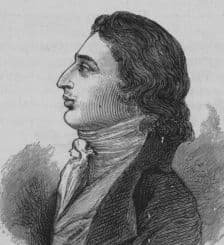
Robert Southey
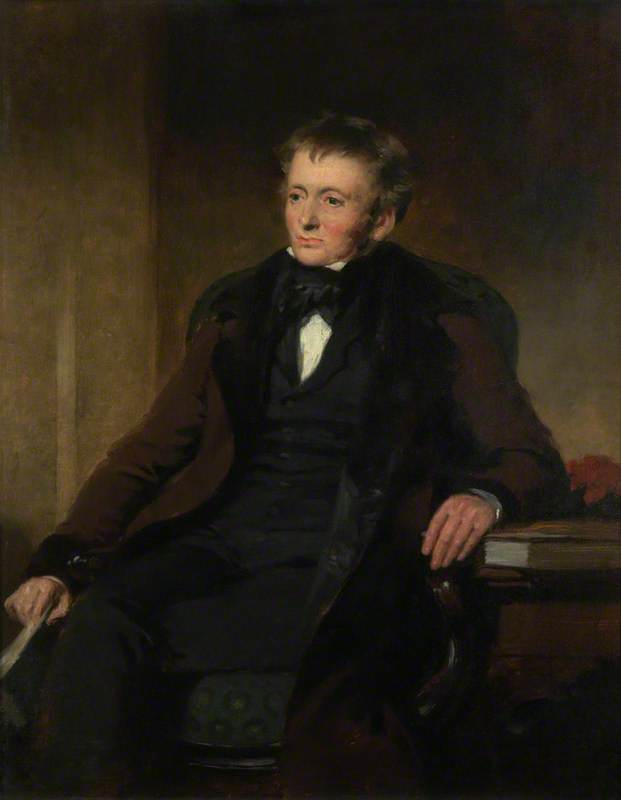
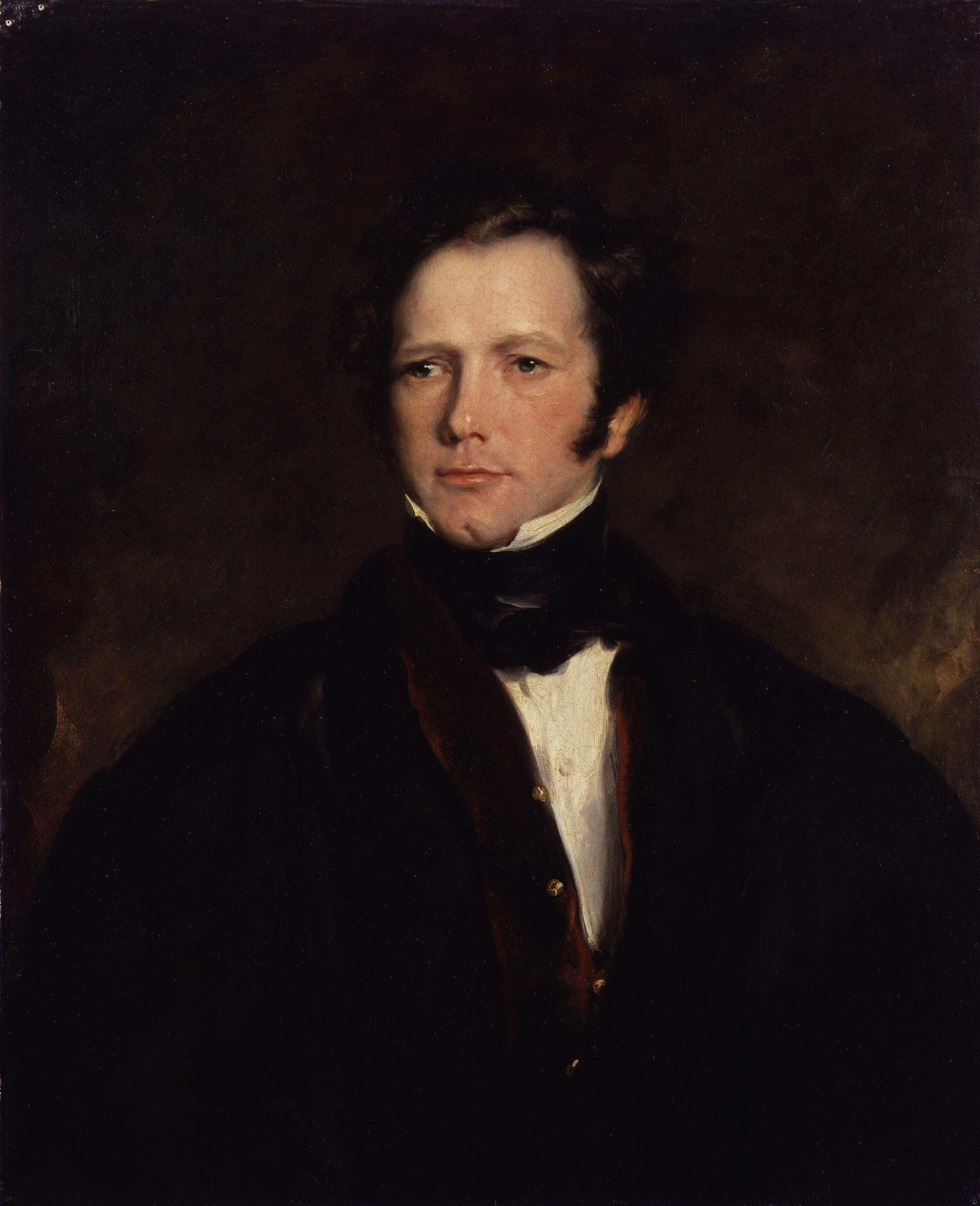
Robert Southey was an influential English poet of the Romantic era, known for his role as Poet Laureate from 1813 until his death in 1843. A member of the Lake Poets alongside William Wordsworth and Samuel Taylor Coleridge, Southey initially embraced radical ideals but gradually shifted towards conservatism, reflecting a growing respect for British institutions. His political evolution drew criticism from contemporaries like Lord Byron, who accused him of compromising his artistic integrity for social status and financial gain. Southey's literary contributions include notable works such as the poem "After Blenheim," which critiques the consequences of war, and the original version of the beloved children's tale "Goldilocks and the Three Bears." His poetry often explored themes of history, politics, and social justice, making him a significant figure in the Romantic movement. Despite the controversies surrounding his political views, Southey's legacy endures through his diverse body of work that captures the complexities of his time and the evolution of his thought.
Famous Quotes
View all 3 quotes“Give me a room whose every nook is dedicated to a book.”
“The loss of a friend is like that of a limb; time may heal the anguish of the wound, but the loss cannot be repaired.”
“Live as long as you may, the first twenty years are the longest half of your life. They appear so while they are passing; they seem to have been so when we look back on them; and they take up more room in our memory than all the years that succeed them.”
Books from the author












Link to this page
Add a free, dofollow link to Lex on your blog, forum, syllabus, or reading list.

<a href="https://lex-books.com/author/robert-southey"><img src="https://lex-books.com/badges/read-on-lex.svg" alt="Robert Southey on Lex" width="160" height="40"></a>[](https://lex-books.com/author/robert-southey)[url=https://lex-books.com/author/robert-southey][img]https://lex-books.com/badges/read-on-lex.svg[/img][/url]Robert Southey on Lex: https://lex-books.com/author/robert-southey