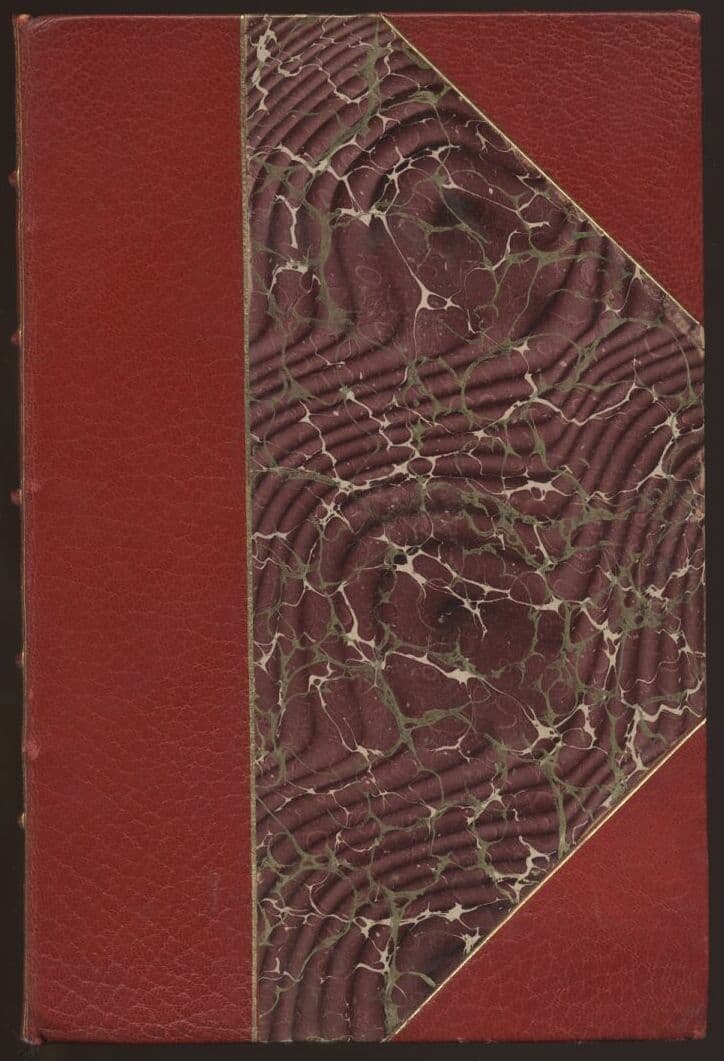
Milton's Comus
1891
A masque of rarefied beauty and fierce intellectual argument, written when Milton was just twenty-five. The stage is a dark enchanted forest where a young lady, separated from her brothers, confronts Comus, a sorcerer who tempts travelers with pleasure, excess, and the seductive promise that virtue is merely pretense. What unfolds is not a simple moral tale but a dazzling philosophical duel: the Lady's defense of temperance and chastity is not naive innocence but reasoned conviction, an eloquent appeal to the dignity of the rational soul against the degradations of sense. Her brothers and a watchful spirit arrive in time, but the true victory has already been won in the realm of the mind. Milton's verse moves with effortless grandeur between lyrical meditation and urgent drama, and the work anticipates the epic ambitions of Paradise Lost in miniature. It remains a profound meditation on free will, the nature of virtue, and the courage required to say no to the world's easiest promises.
Editions
X-Ray
“Mortals that would follow me, Love virtue, she alone is free, She can teach ye how to climb Higher than the sphery chime; Or if virtue feeble were, Heaven itself would stoop to her.””
— John Milton
“So dear to heaven is saintly chastity, That when a soul is found sincerely so, A thousand liveried angels lackey her, Driving far off each thing of sin and guilt, And in clear dream, and solemn vision Tell her of things that no gross ear can hear, Till oft converse with heavenly habitants Begin to cast a beam on the outward shape, The unpolluted temple of the mind, And turns it by degrees to the soul's essence, Till all be made immortal””
— John Milton
“Come let us haste, the stars grow high, But night sits monarch yet in the mid sky.””
— John Milton
“Dark vaild Cotytto, t’ whom the secret flameOf mid-night Torches burns; mysterious DameThat ne’re art call’d, but when the Dragon woomOf Stygian darknes spets her thickest gloom,And makes one blot of all the ayr””
— John Milton
Link to this book
Add a free, dofollow link to Lex on your blog, forum, syllabus, or reading list.

<a href="https://lex-books.com/book/milton-s-comus-dbb273d6-648f-4f86-9036-ae4c09a1f387"><img src="https://lex-books.com/badges/read-on-lex.svg" alt="Read Milton's Comus by John Milton free on Lex" width="160" height="40"></a>[](https://lex-books.com/book/milton-s-comus-dbb273d6-648f-4f86-9036-ae4c09a1f387)[url=https://lex-books.com/book/milton-s-comus-dbb273d6-648f-4f86-9036-ae4c09a1f387][img]https://lex-books.com/badges/read-on-lex.svg[/img][/url]Read Milton's Comus by John Milton free on Lex: https://lex-books.com/book/milton-s-comus-dbb273d6-648f-4f86-9036-ae4c09a1f387Cite this book
Reading this edition for a paper or guide? Copy a citation.
Milton, John. Milton's Comus. Lex, lex-books.com/book/milton-s-comus-dbb273d6-648f-4f86-9036-ae4c09a1f387.Milton, J. (1891). Milton's Comus. Lex. https://lex-books.com/book/milton-s-comus-dbb273d6-648f-4f86-9036-ae4c09a1f387Milton, John. Milton's Comus. Lex. https://lex-books.com/book/milton-s-comus-dbb273d6-648f-4f86-9036-ae4c09a1f387.