
John Dryden
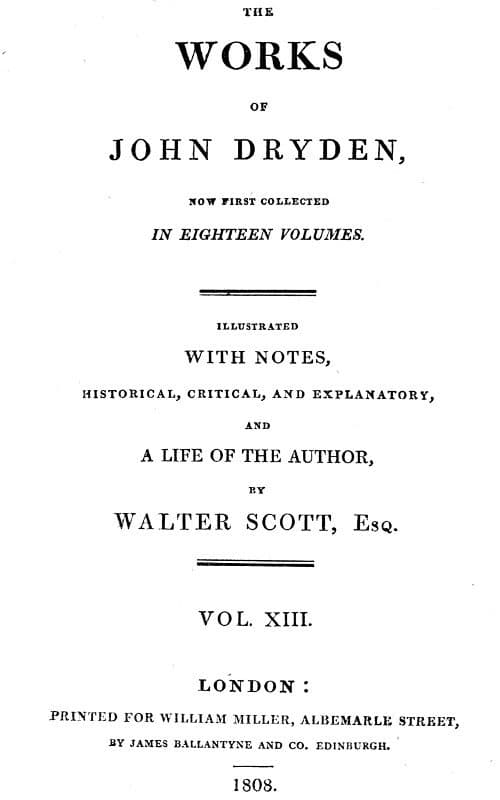
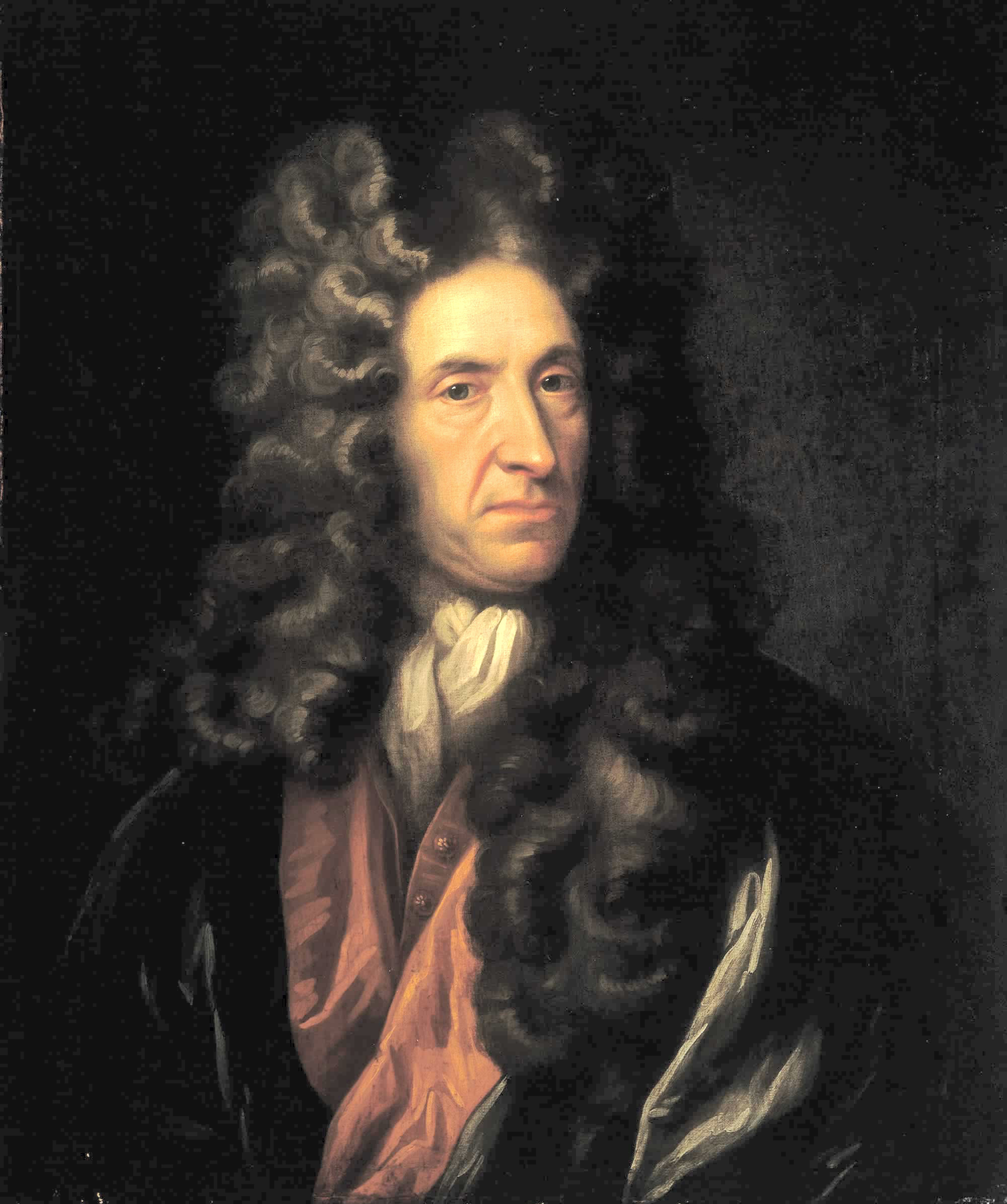
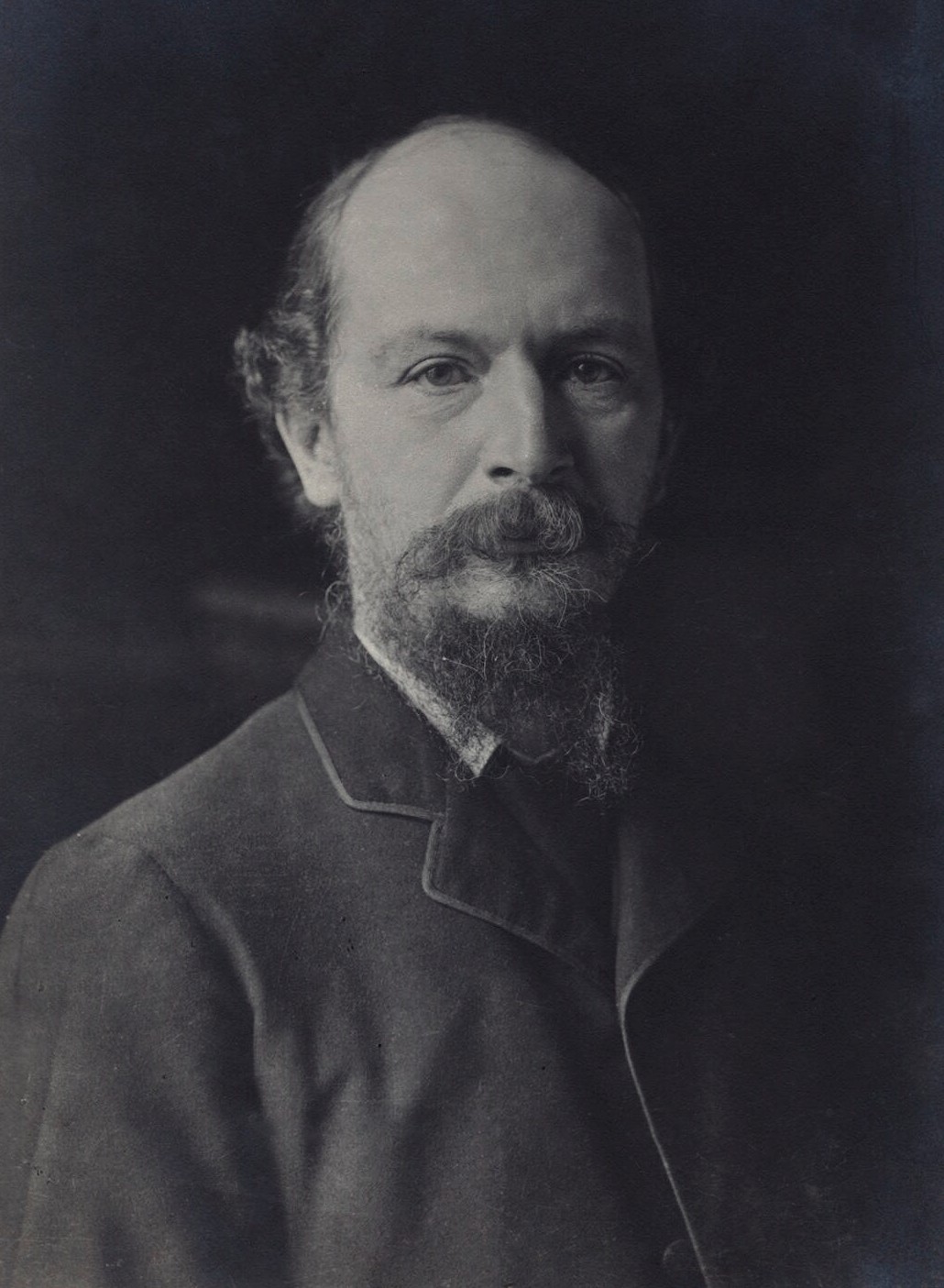
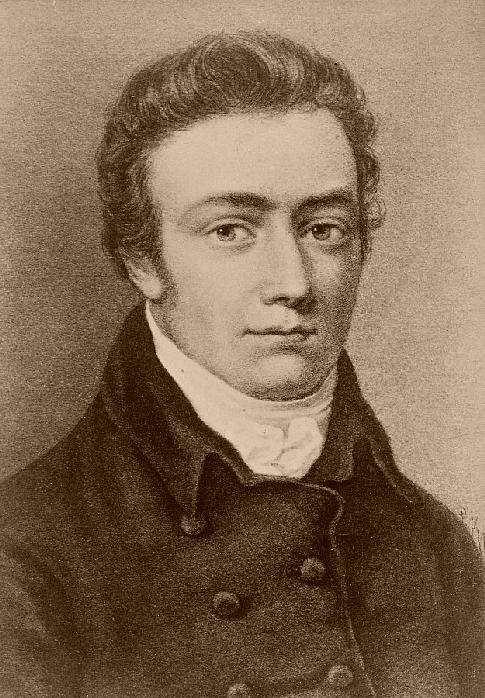
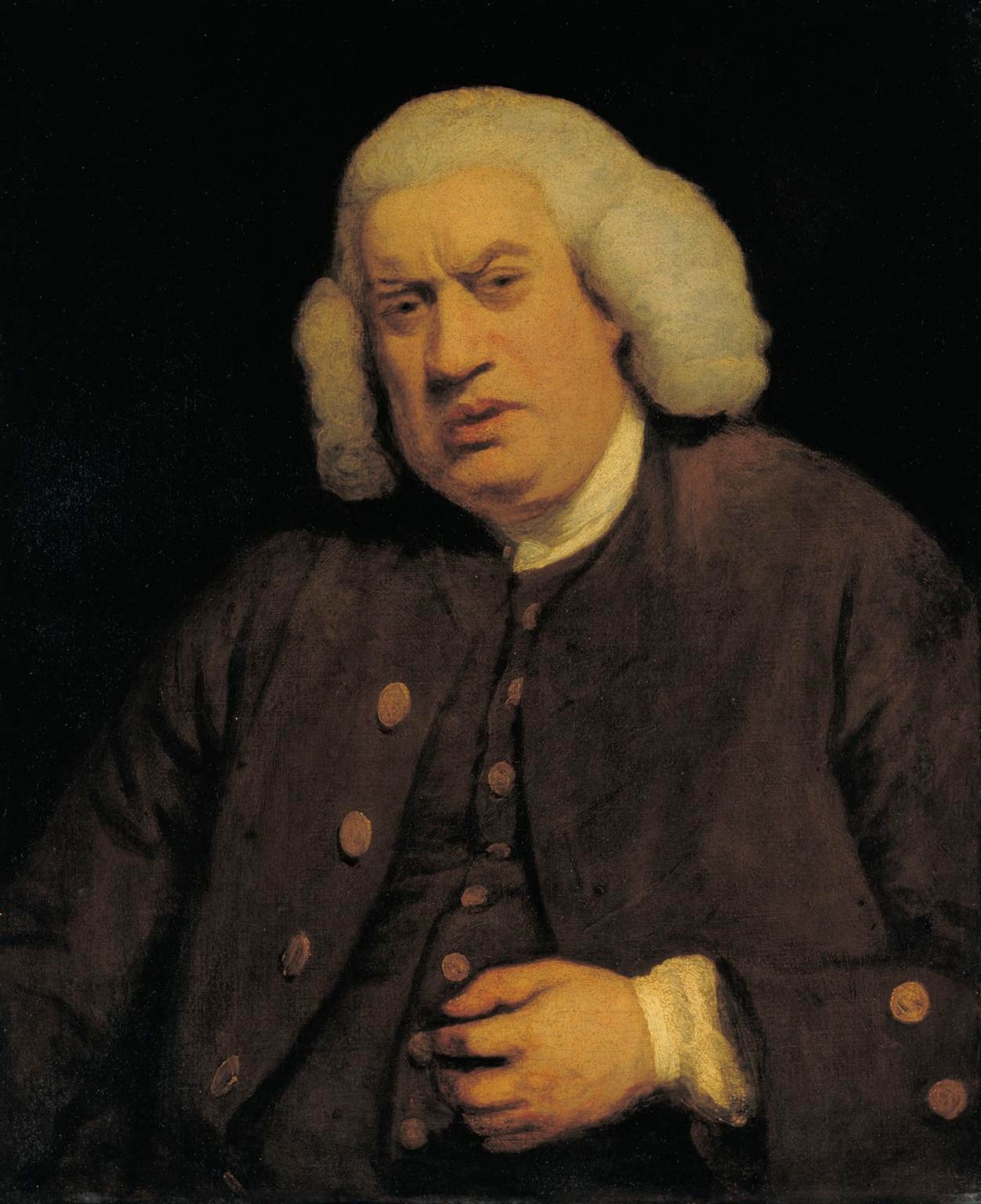
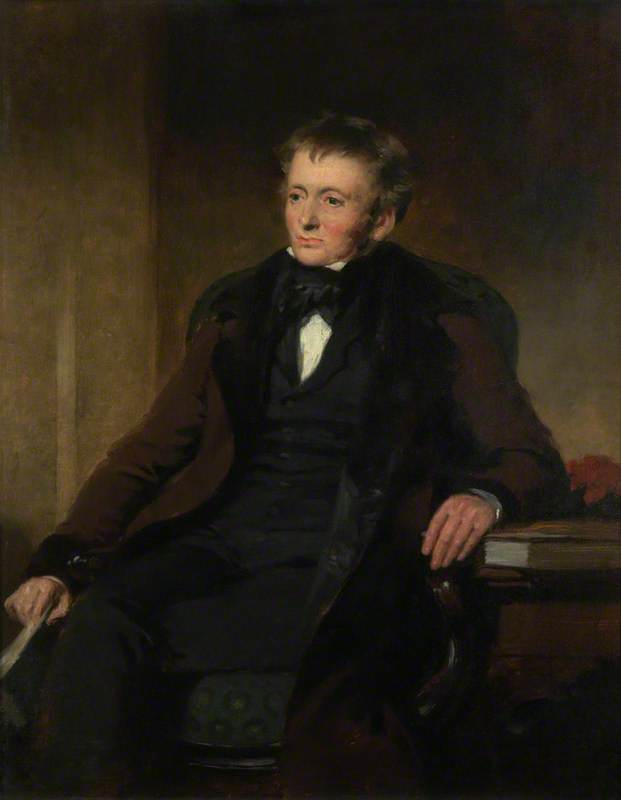
John Dryden was a prominent English poet, playwright, and literary critic, who played a pivotal role in shaping the literary landscape of Restoration England. Appointed as England's first Poet Laureate in 1668, Dryden's influence was so profound that the era is often referred to as the Age of Dryden. His works, which include notable plays such as 'All for Love' and 'The Conquest of Granada,' as well as his poetry like 'Absalom and Achitophel,' showcased his mastery of language and his ability to blend classical forms with contemporary themes. Dryden's writing often reflected the political and social upheavals of his time, making him a significant figure in the evolution of English literature. Dryden's contributions extended beyond his own works; he was a key figure in the development of literary criticism and translation in England. His critical essays laid the groundwork for future generations of writers and thinkers, while his translations of classical texts made them accessible to a wider audience. His legacy is marked by his ability to articulate the complexities of human experience and the intricacies of political power, earning him the admiration of contemporaries and later generations alike. Sir Walter Scott famously referred to him as 'Glorious John,' a testament to his enduring impact on the literary canon.
Famous Quotes
View all 3 quotes“Beware the fury of a patient man.”
“Bold knaves thrive without one grain of sense, But good men starve for want of impudence.”
“We first make our habits, then our habits make us.”
Books from the author






Link to this page
Add a free, dofollow link to Lex on your blog, forum, syllabus, or reading list.

<a href="https://lex-books.com/author/john-dryden"><img src="https://lex-books.com/badges/read-on-lex.svg" alt="John Dryden on Lex" width="160" height="40"></a>[](https://lex-books.com/author/john-dryden)[url=https://lex-books.com/author/john-dryden][img]https://lex-books.com/badges/read-on-lex.svg[/img][/url]John Dryden on Lex: https://lex-books.com/author/john-dryden