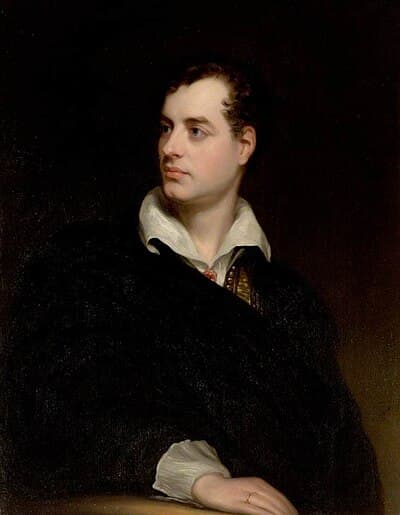
George Gordon Byron, Baron Byron
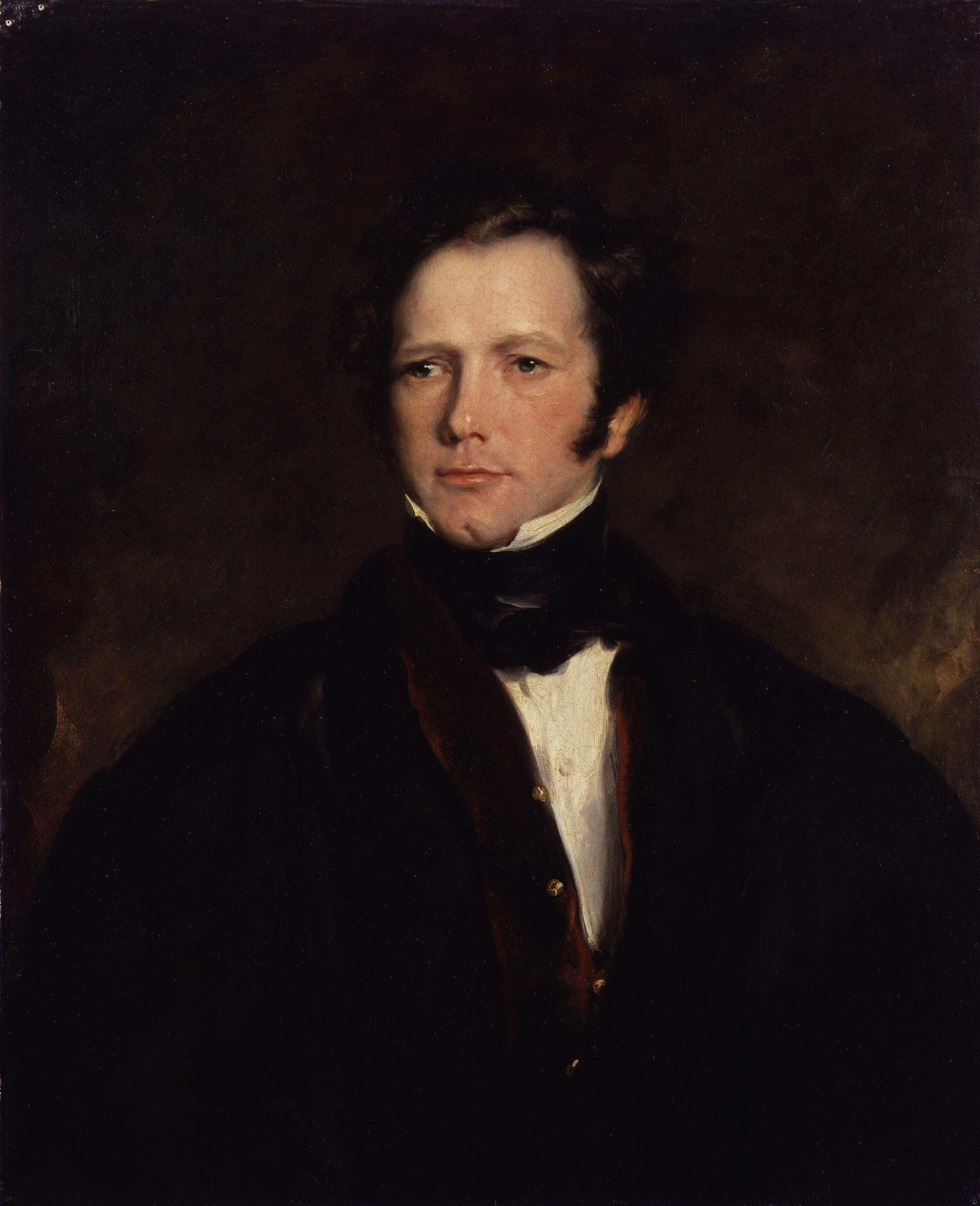
George Gordon Byron, 6th Baron Byron, was a prominent British poet and a leading figure of the Romantic movement. Born into an aristocratic family, Byron's early life was marked by personal and financial challenges, which fueled his passionate and often tumultuous writing style. His poetry is characterized by its exploration of complex themes such as love, nature, and the human condition, often reflecting his own experiences and emotions. Byron's most notable works include the epic narrative poems 'Don Juan' and 'Childe Harold's Pilgrimage,' both of which showcase his innovative use of form and his ability to blend personal reflection with broader social commentary. Byron's literary significance lies not only in his poetic genius but also in his role as a cultural icon of his time. His flamboyant lifestyle and political engagements, including his involvement in the Greek War of Independence, contributed to his reputation as a rebellious and charismatic figure. Byron's influence extended beyond his lifetime, inspiring generations of writers and artists, and his works continue to be studied for their rich imagery and emotional depth. His legacy as one of the greatest British poets endures, cementing his place in the pantheon of literary greats.
Famous Quotes
View all 1 quotes“I Saw Thee Weep(From "Hebrew Melodies")I saw thee weep – the big bright tear Came o’er that eye of blue;And then methought it did appear A violet dropping dew:I see thee smile – the sapphire’s blaze Beside thee ceased to shine;It could not match the living rays That filled that glance of thine.As clouds from yonder sun receive A deep and mellow dye,Which scarce the shade of coming eve Can banish from the sky,Those smiles unto the moodiest mind Their own pure joy impart;Their sunshine leaves a glow behind That lightens o’er the heart.””
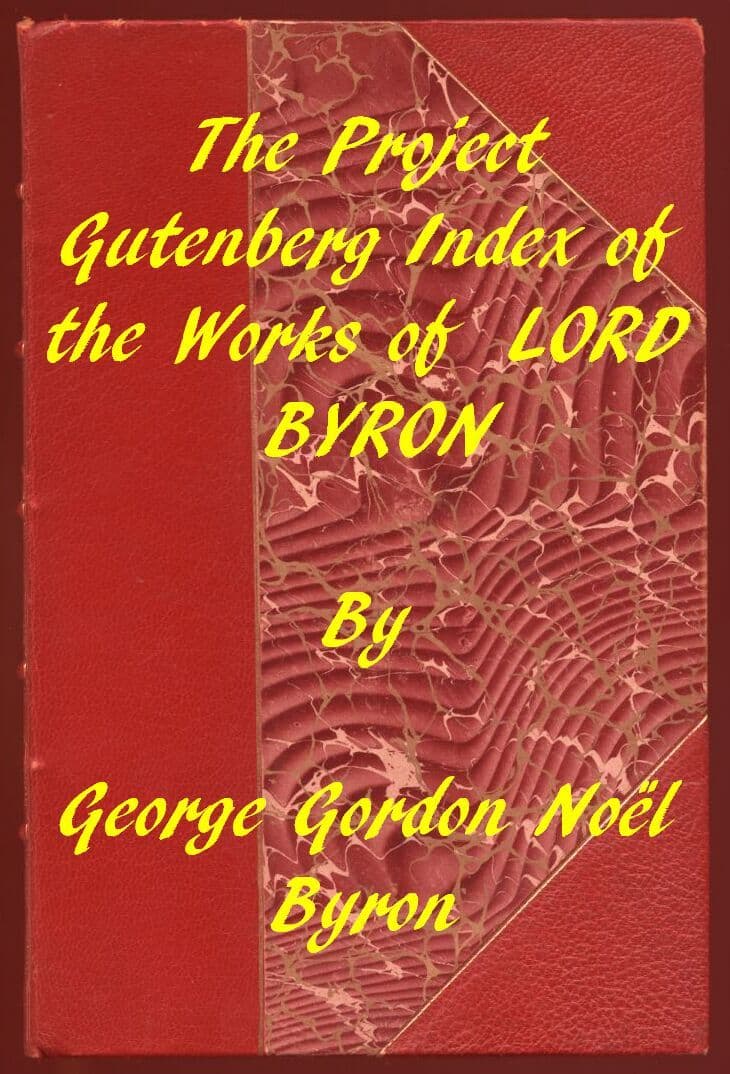
Books from the author




Link to this page
Add a free, dofollow link to Lex on your blog, forum, syllabus, or reading list.

<a href="https://lex-books.com/author/george-gordon-byron-baron-byron"><img src="https://lex-books.com/badges/read-on-lex.svg" alt="George Gordon Byron, Baron Byron on Lex" width="160" height="40"></a>[](https://lex-books.com/author/george-gordon-byron-baron-byron)[url=https://lex-books.com/author/george-gordon-byron-baron-byron][img]https://lex-books.com/badges/read-on-lex.svg[/img][/url]George Gordon Byron, Baron Byron on Lex: https://lex-books.com/author/george-gordon-byron-baron-byron