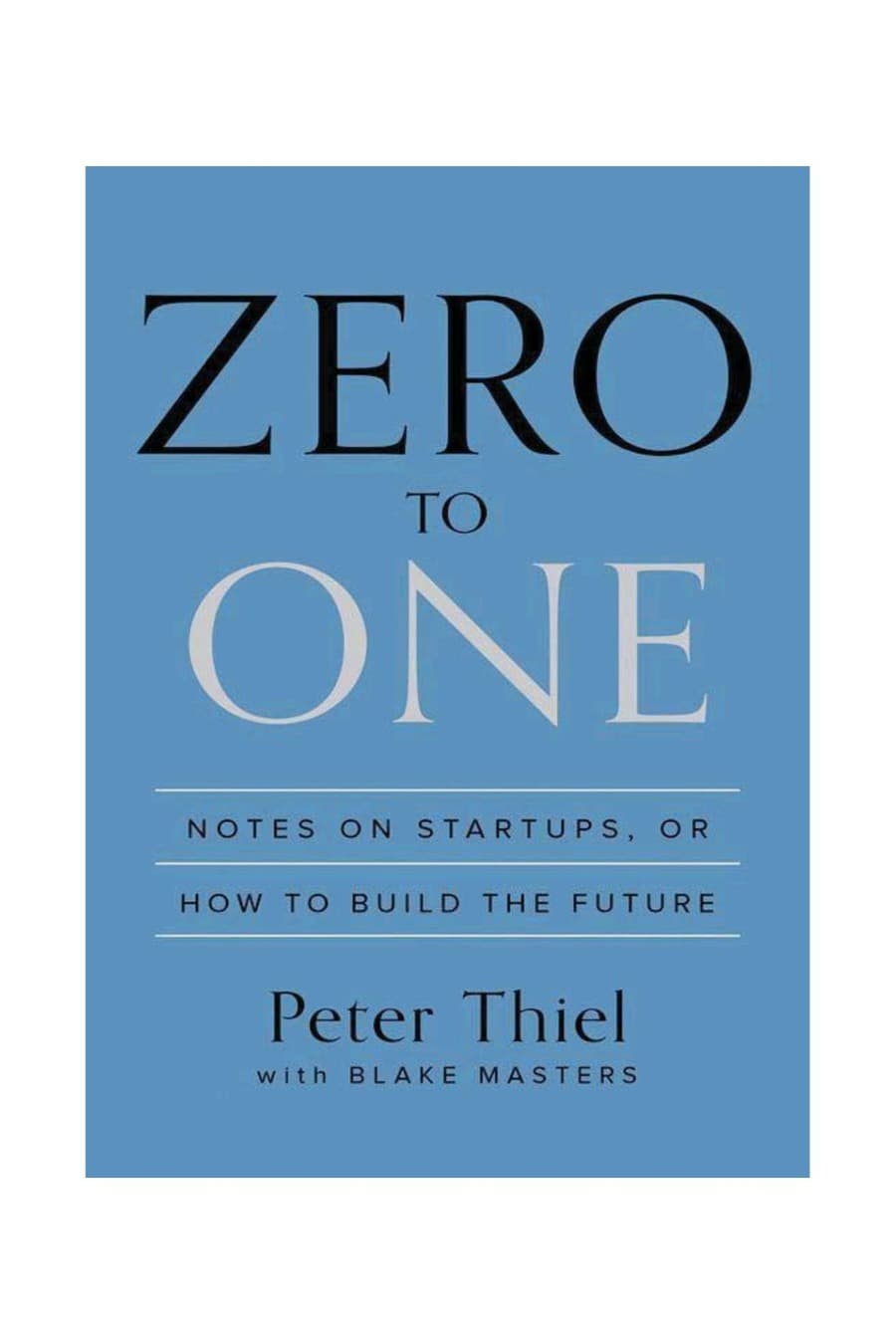
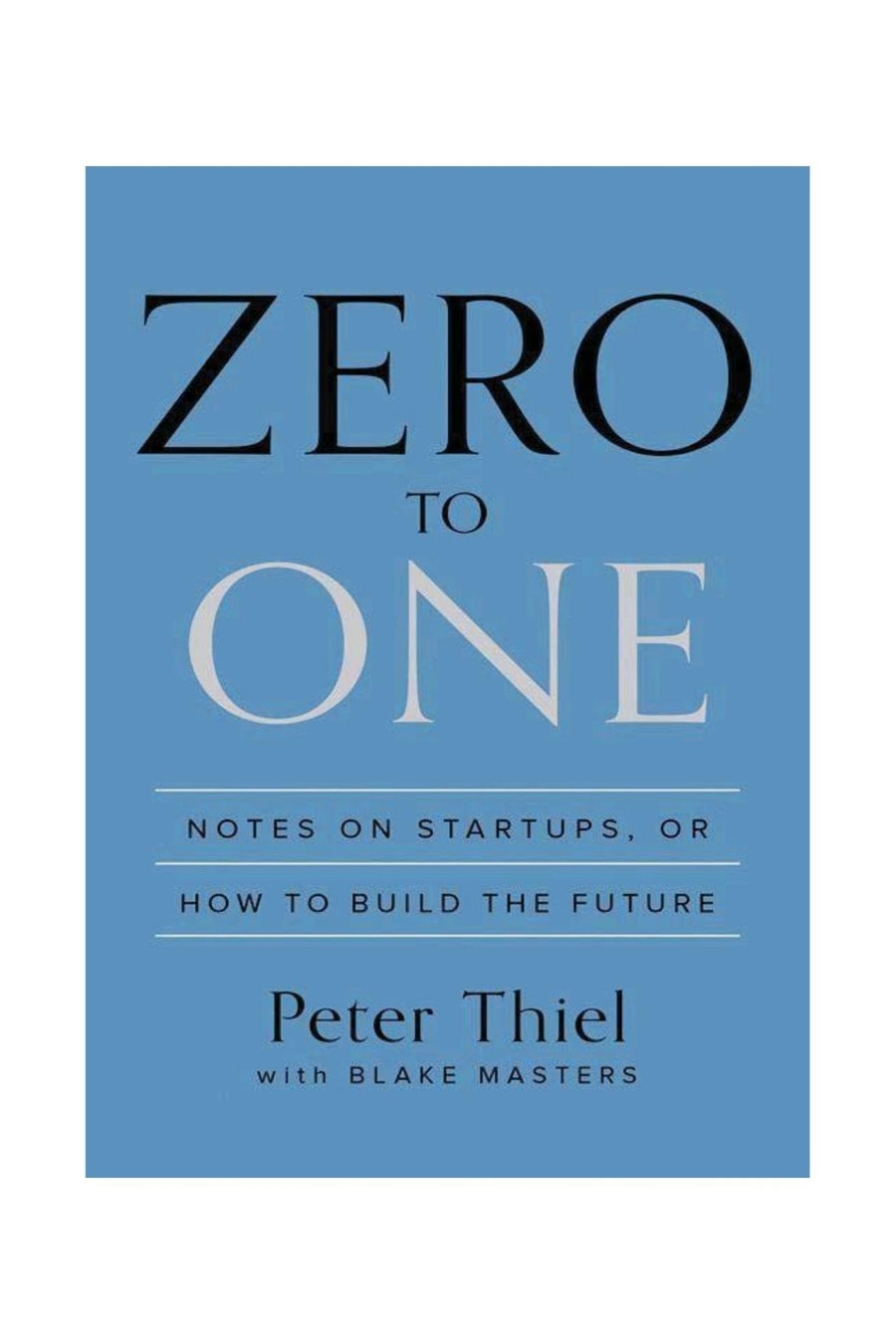
Zero to One- Notes on Startups, or How to Build the Future (Comprehensive Summary)
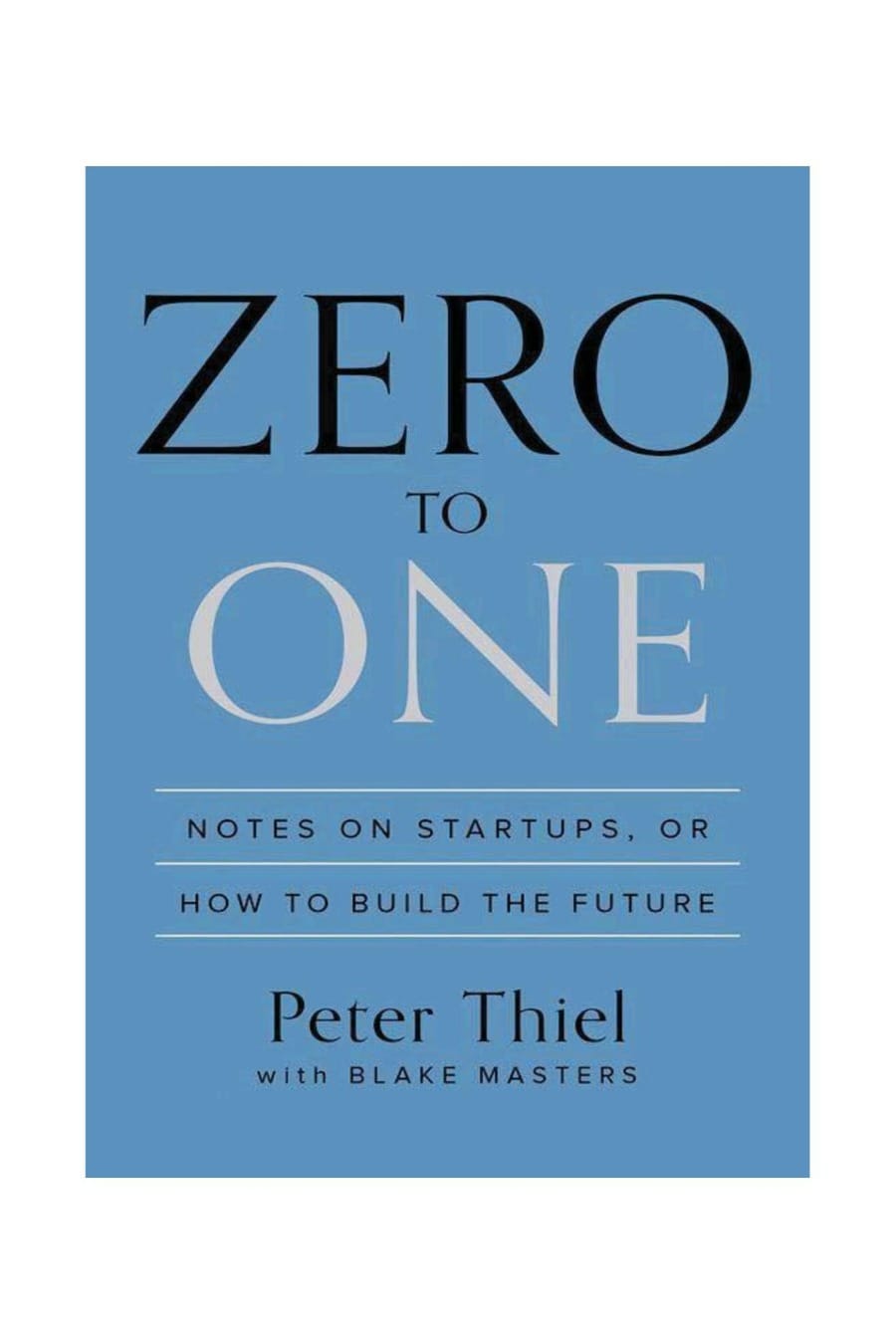
Zero to One- Notes on Startups, or How to Build the Future (Comprehensive Summary)
In 'Zero to One: Notes on Startups, or How to Build the Future,' Peter Thiel and Blake Masters explore the principles of innovation and entrepreneurship. Thiel, a renowned entrepreneur and investor, emphasizes the importance of creating unique products and services that advance society rather than merely competing in existing markets. The book covers various topics, including the nature of progress, the role of technology in shaping the future, and the mindset required for successful startups. This Lexicon distills these key ideas into original prose, providing readers with a concise understanding of how to think critically about innovation and build a better future.
Editions

X-Ray
Co-author of 'Zero to One,' he presents a foundational philosophy on startups and innovation, advocating for the creation of entirely new ventures.
Co-author of 'Zero to One,' he collaborates with Thiel to articulate their ideas on building the future through unique, innovative companies.
An example company used to illustrate successful monopolistic innovation and the creation of entirely new market paradigms.
An example company demonstrating the creation of new paradigms in user engagement and interaction, rather than merely entering existing markets.
About Zero to One- Notes on Startups, or How to Build the Future (Comprehensive Summary)
Chapter Summaries
- 1
- This chapter introduces the core concept of 'zero to one,' advocating for the creation of entirely new ideas and technologies over incremental improvements. It argues that successful companies develop unique products that create new markets, often becoming monopolies, and highlights the importance of a clear vision and strong teams for entrepreneurial success.
- 2
- Chapter 2 delves deeper into the concept of monopolies, challenging the conventional wisdom that competition is always beneficial. It argues that 'creative monopolies' drive innovation by allowing companies to invest in long-term projects without competitive pressure, ultimately benefiting consumers and society through groundbreaking advancements.
- 7
- This chapter explores the intricate relationship between technology, innovation, and the startup ecosystem, emphasizing the importance of leveraging unique technological advantages. It advocates for 'technological monopolies' and stresses that a strong company culture, strategic timing, and a focus on exponential scalability are crucial for transformative success.
Key Themes
- Innovation and Creation (Zero to One vs. One to N)
- This core theme distinguishes true progress, which involves creating something entirely new ('zero to one'), from incremental improvement or scaling existing ideas ('one to n'). The authors emphasize that meaningful impact comes from pioneering new solutions and markets.
- The Value of Monopolies
- A central and controversial theme, arguing that monopolies, particularly 'creative monopolies,' are crucial for long-term innovation, risk-taking, and societal advancement. Contrary to popular belief, the book posits that monopolies can foster environments conducive to groundbreaking developments.
- Challenging Conventional Wisdom
- A pervasive theme where the authors systematically dismantle widely accepted business tenets, such as the inherent goodness of competition, to advocate for a different, more ambitious approach to entrepreneurship. They encourage readers to question established norms to unlock true innovation.
Characters
- Peter Thiel(narrator)
- Co-author of 'Zero to One,' he presents a foundational philosophy on startups and innovation, advocating for the creation of entirely new ventures.
- Blake Masters(narrator)
- Co-author of 'Zero to One,' he collaborates with Thiel to articulate their ideas on building the future through unique, innovative companies.
- Google(supporting)
- An example company used to illustrate successful monopolistic innovation and the creation of entirely new market paradigms.
- Facebook(supporting)
- An example company demonstrating the creation of new paradigms in user engagement and interaction, rather than merely entering existing markets.
- Microsoft(supporting)
- An example company cited for thriving as a monopoly, enabling continuous innovation and market dominance.
Link to this book
Add a free, dofollow link to Lex on your blog, forum, syllabus, or reading list.

<a href="https://lex-books.com/book/zero-to-one-notes-on-startups-or-how-to-build-the-future-comprehensive-summary-4ee0ad47-46aa-5565-9fd9-e2addbaaeb9f"><img src="https://lex-books.com/badges/read-on-lex.svg" alt="Read Zero to One- Notes on Startups, or How to Build the Future (Comprehensive Summary) by Peter Thiel free on Lex" width="160" height="40"></a>[](https://lex-books.com/book/zero-to-one-notes-on-startups-or-how-to-build-the-future-comprehensive-summary-4ee0ad47-46aa-5565-9fd9-e2addbaaeb9f)[url=https://lex-books.com/book/zero-to-one-notes-on-startups-or-how-to-build-the-future-comprehensive-summary-4ee0ad47-46aa-5565-9fd9-e2addbaaeb9f][img]https://lex-books.com/badges/read-on-lex.svg[/img][/url]Read Zero to One- Notes on Startups, or How to Build the Future (Comprehensive Summary) by Peter Thiel free on Lex: https://lex-books.com/book/zero-to-one-notes-on-startups-or-how-to-build-the-future-comprehensive-summary-4ee0ad47-46aa-5565-9fd9-e2addbaaeb9fCite this book
Reading this edition for a paper or guide? Copy a citation.
Thiel, Peter. Zero to One- Notes on Startups, or How to Build the Future (Comprehensive Summary). Lex, lex-books.com/book/zero-to-one-notes-on-startups-or-how-to-build-the-future-comprehensive-summary-4ee0ad47-46aa-5565-9fd9-e2addbaaeb9f.Thiel, P. (n.d.). Zero to One- Notes on Startups, or How to Build the Future (Comprehensive Summary). Lex. https://lex-books.com/book/zero-to-one-notes-on-startups-or-how-to-build-the-future-comprehensive-summary-4ee0ad47-46aa-5565-9fd9-e2addbaaeb9fThiel, Peter. Zero to One- Notes on Startups, or How to Build the Future (Comprehensive Summary). Lex. https://lex-books.com/book/zero-to-one-notes-on-startups-or-how-to-build-the-future-comprehensive-summary-4ee0ad47-46aa-5565-9fd9-e2addbaaeb9f.