Why We Sleep (Comprehensive Summary)
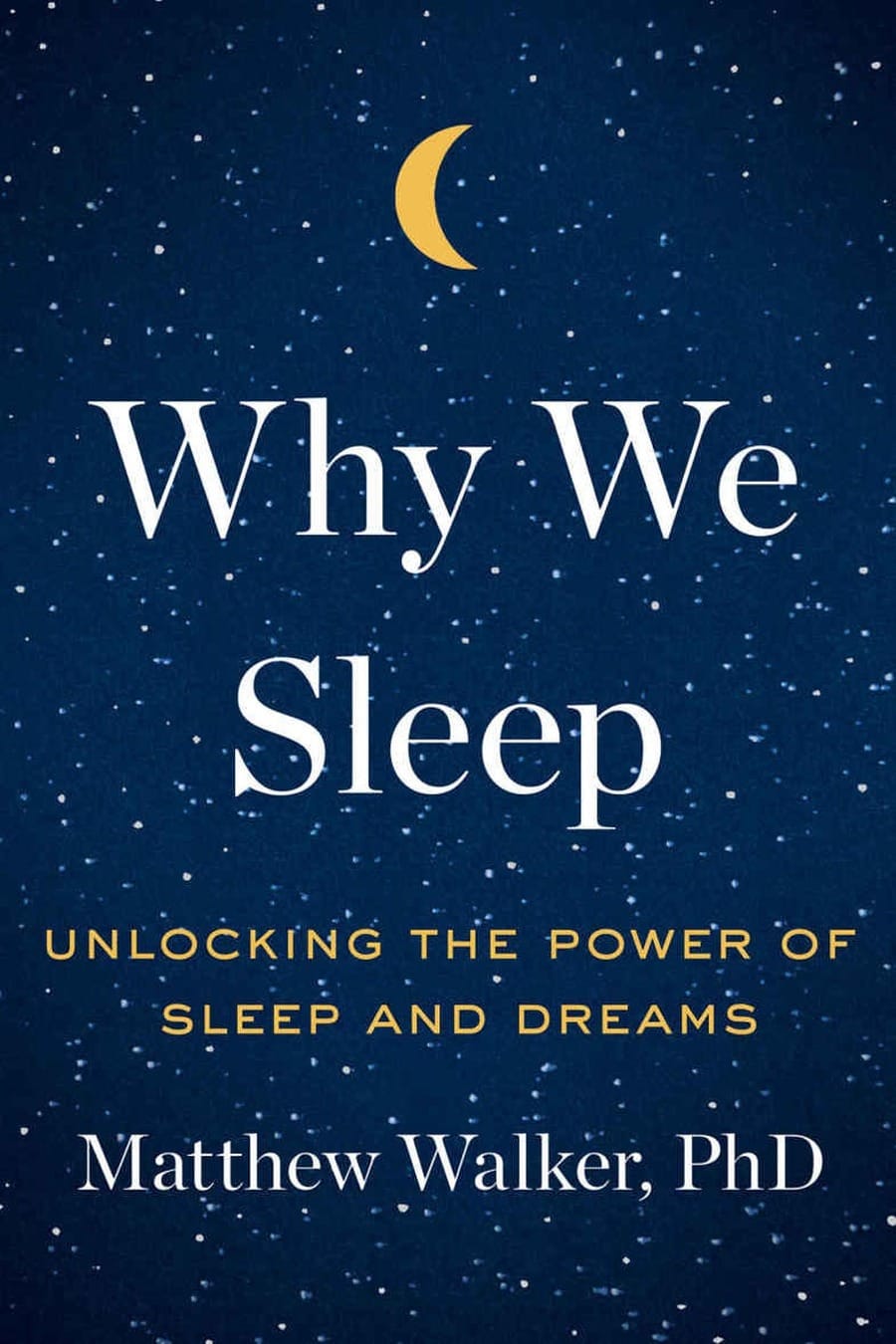
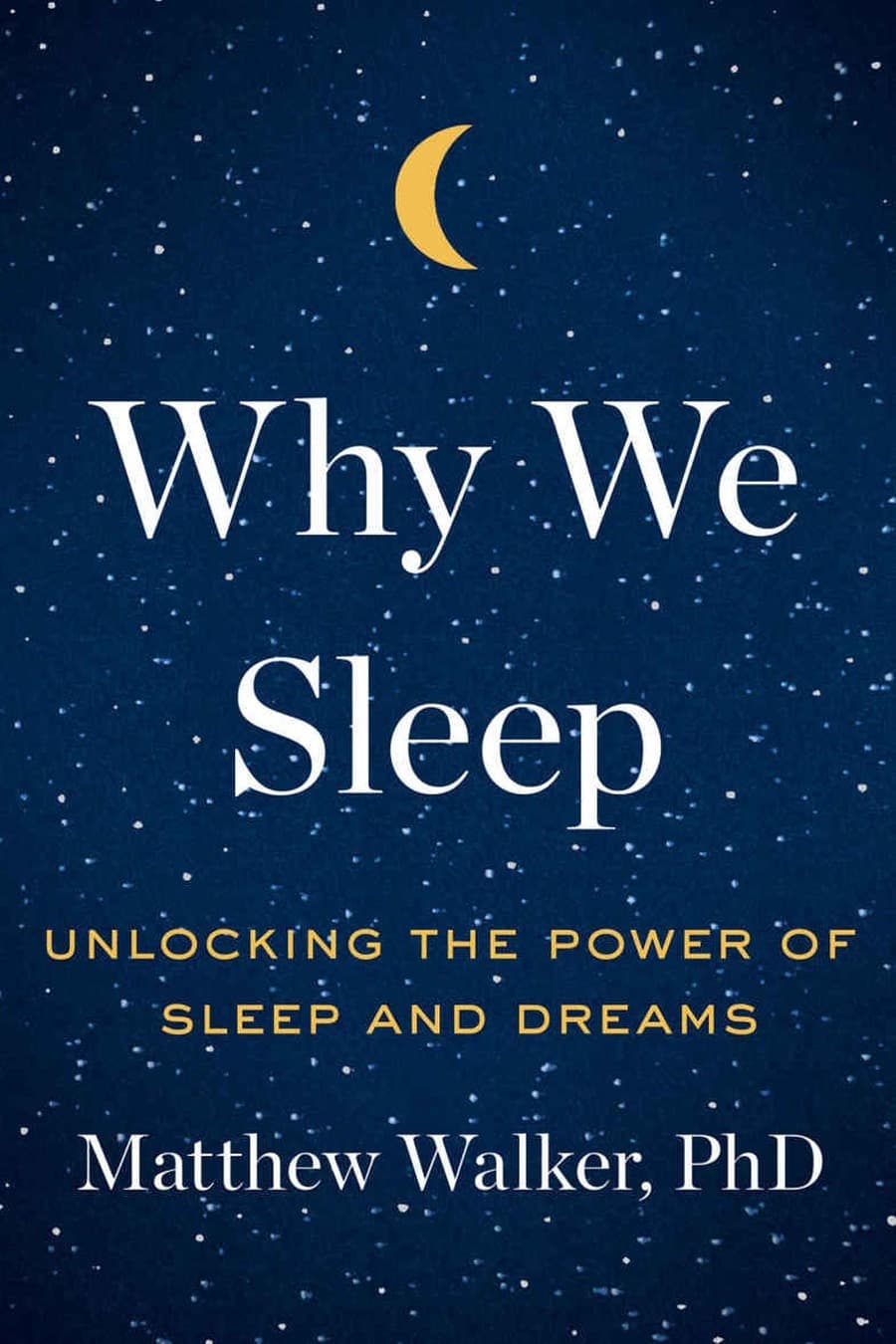
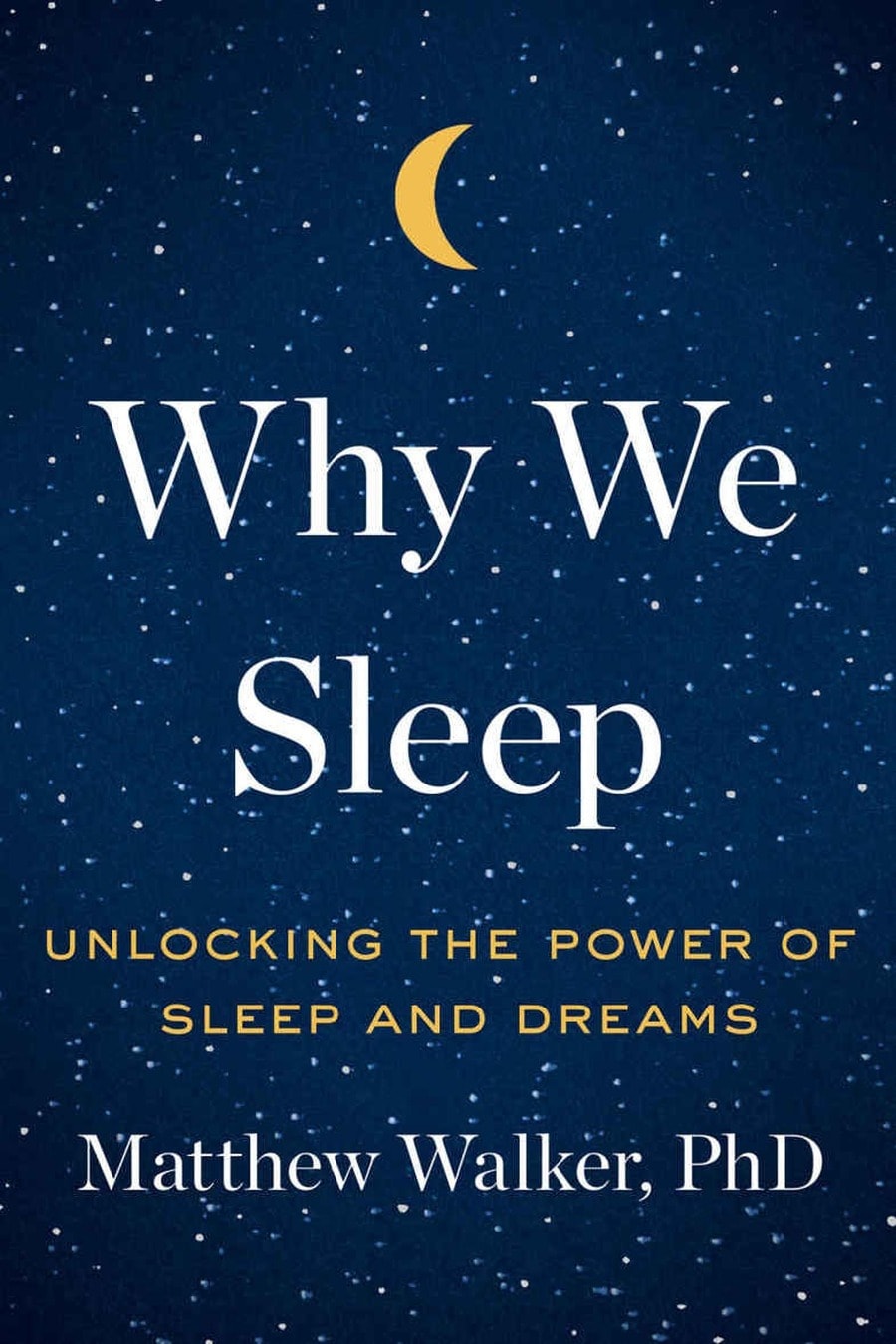
In 'Why We Sleep,' Matthew Walker, a renowned neuroscientist and sleep expert, explores the vital role of sleep in our lives, detailing its profound impact on our health, cognition, and emotional well-being. The book delves into the science of sleep, explaining the mechanisms behind sleep cycles, the consequences of sleep deprivation, and the benefits of quality sleep. Walker emphasizes the importance of prioritizing sleep in our modern society, where it is often undervalued, and this Lexicon distills the key ideas into original prose, making the insights accessible and actionable for readers seeking to improve their sleep habits and overall health.
Editions

X-Ray
A sleep researcher and the author of 'Why We Sleep,' who passionately advocates for the critical importance of sleep and unravels its scientific mysteries.
A researcher whose work on REM sleep and its role in problem-solving and memory processing is cited by Walker.
A historical figure whose dream of the periodic table is used as an example of sleep's role in creative problem-solving.
A historical figure whose dream led to a groundbreaking discovery in neuroscience, illustrating the power of the dreaming mind.
About Why We Sleep (Comprehensive Summary)
Chapter Summaries
- 1
- Matthew Walker introduces sleep's critical importance, highlighting widespread sleep deprivation as a public health crisis with severe consequences for physical and mental health, including increased disease risk and impaired cognitive function. He challenges the view of sleep as passive, arguing it's a fundamental biological drive essential for survival and overall well-being. The chapter sets the stage for exploring sleep's benefits, the dangers of its absence, and its evolutionary significance.
- 2
- Walker explores the evolutionary and biological diversity of sleep, from unihemispheric sleep in animals to human biphasic sleep patterns, arguing that modern monophasic sleep distorts our natural rhythms. He critiques contemporary lifestyles for abandoning natural sleep, linking this departure to increased health risks and suggesting that human sleep, particularly REM, played a crucial role in our cognitive evolution. The chapter advocates for a return to more natural sleep patterns for improved health and cognitive function.
- 3
- This chapter details how sleep deprivation profoundly impacts emotional regulation, increasing amygdala reactivity and disrupting its connection with the prefrontal cortex, leading to exaggerated emotional responses. Walker argues that sleep disruption contributes to mental health disorders and can trigger episodes in conditions like bipolar disorder, emphasizing sleep's therapeutic potential. He also links insufficient sleep to suicidal ideation and impaired emotional memory consolidation during REM sleep.
Key Themes
- The Critical Importance of Sleep
- The book consistently emphasizes sleep as a fundamental biological drive, akin to food and water, essential for the optimal functioning of every major organ and system in the body. It challenges the perception of sleep as a passive state, repositioning it as an active and vital process for overall health.
- Consequences of Sleep Deprivation
- Walker meticulously details the severe and far-reaching health risks associated with insufficient sleep, including increased susceptibility to chronic diseases like cancer, Alzheimer's, and cardiovascular issues, as well as obesity, diabetes, and a weakened immune system. This theme underscores the urgency of addressing widespread sleep loss as a public health crisis.
- Evolutionary Significance of Sleep
- The book explores the diverse sleep patterns across the animal kingdom and throughout human history, suggesting that sleep evolved as a crucial adaptation for survival. It highlights how human sleep, particularly REM sleep, may have played a significant role in our cognitive and emotional development.
Characters
- Matthew Walker(narrator)
- A sleep researcher and the author of 'Why We Sleep,' who passionately advocates for the critical importance of sleep and unravels its scientific mysteries.
- Robert Stickgold(supporting)
- A researcher whose work on REM sleep and its role in problem-solving and memory processing is cited by Walker.
- Dmitri Mendeleev(supporting)
- A historical figure whose dream of the periodic table is used as an example of sleep's role in creative problem-solving.
- Otto Loewi(supporting)
- A historical figure whose dream led to a groundbreaking discovery in neuroscience, illustrating the power of the dreaming mind.
Link to this book
Add a free, dofollow link to Lex on your blog, forum, syllabus, or reading list.

<a href="https://lex-books.com/book/why-we-sleep-comprehensive-summary-4fb7339c-fd70-538c-ab1f-ff01a99db7f8"><img src="https://lex-books.com/badges/read-on-lex.svg" alt="Read Why We Sleep (Comprehensive Summary) by Matthew Walker free on Lex" width="160" height="40"></a>[](https://lex-books.com/book/why-we-sleep-comprehensive-summary-4fb7339c-fd70-538c-ab1f-ff01a99db7f8)[url=https://lex-books.com/book/why-we-sleep-comprehensive-summary-4fb7339c-fd70-538c-ab1f-ff01a99db7f8][img]https://lex-books.com/badges/read-on-lex.svg[/img][/url]Read Why We Sleep (Comprehensive Summary) by Matthew Walker free on Lex: https://lex-books.com/book/why-we-sleep-comprehensive-summary-4fb7339c-fd70-538c-ab1f-ff01a99db7f8Cite this book
Reading this edition for a paper or guide? Copy a citation.
Walker, Matthew. Why We Sleep (Comprehensive Summary). Lex, lex-books.com/book/why-we-sleep-comprehensive-summary-4fb7339c-fd70-538c-ab1f-ff01a99db7f8.Walker, M. (n.d.). Why We Sleep (Comprehensive Summary). Lex. https://lex-books.com/book/why-we-sleep-comprehensive-summary-4fb7339c-fd70-538c-ab1f-ff01a99db7f8Walker, Matthew. Why We Sleep (Comprehensive Summary). Lex. https://lex-books.com/book/why-we-sleep-comprehensive-summary-4fb7339c-fd70-538c-ab1f-ff01a99db7f8.