Tierra de Todos

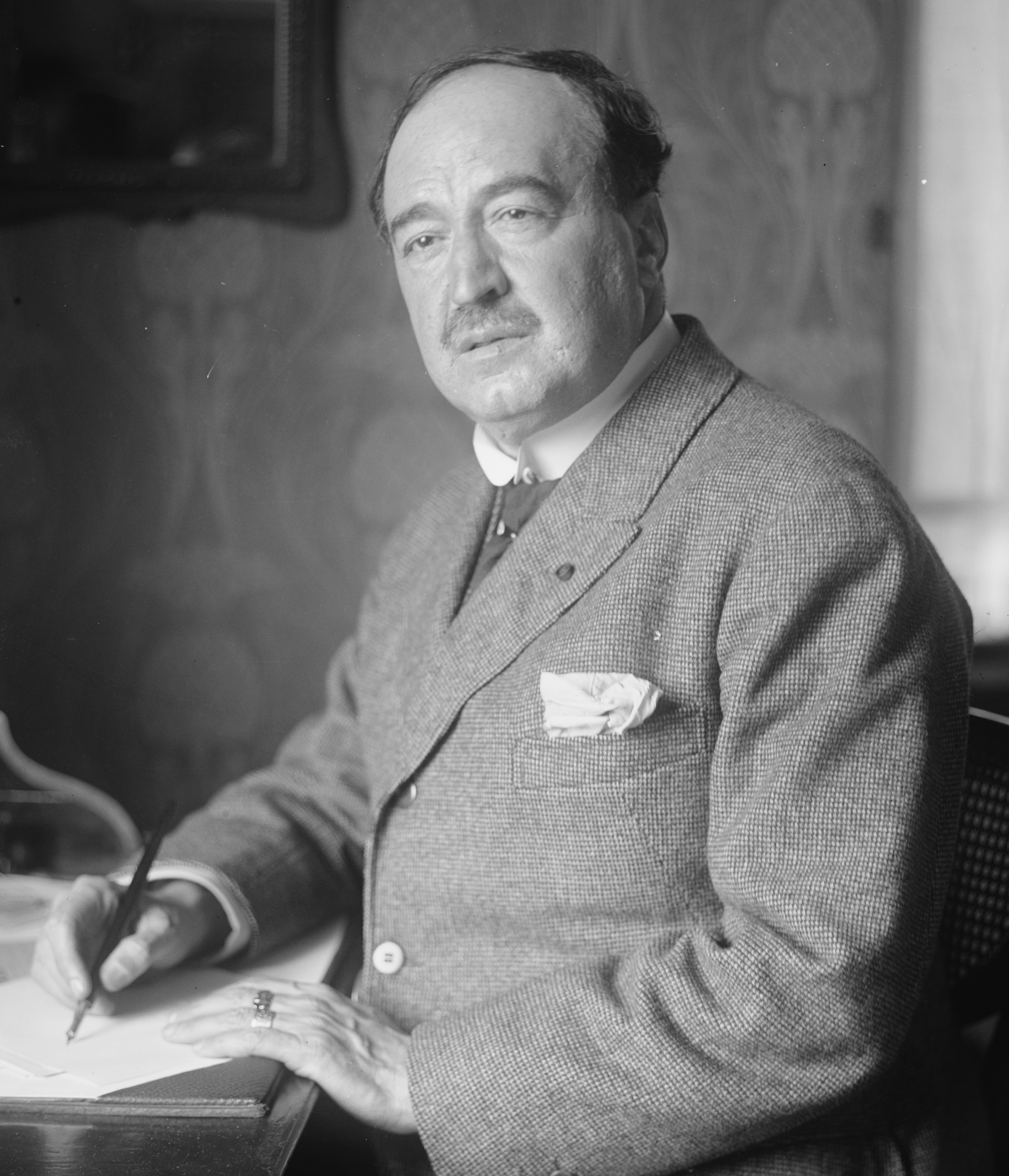
In 1909, Vicente Blasco Ibáñez left his literary life in Valencia to become a colonist in the remote wilds of Patagonia, seeking to transform the arid plains of Argentina's Río Negro into fertile farmland. What he found was not the utopian 'land of all' promised by promotional brochures, but a brutal frontier where dreams curdled under relentless sun, isolation, and the crushing indifference of untamed nature. The novel follows the colonists' grueling first years: the backbreaking labor of irrigation, the fragile hope of crops that might or might not survive, and the fragile societies that form when Europeans from different backgrounds are thrown together in isolation. Yet this is no mere adventure tale. Blasco Ibáñez, writing from lived experience, transforms his colonization journal into something deeper: an examination of what happens when civilized men strip away their pretensions and confront the raw earth. The beauty of Helena, that ancient spark that launched a thousand ships, echoes through these pages as both literal presence and metaphor for the impossible ideals that drive men to conquer the unconquerable.
Editions

Link to this book
Add a free, dofollow link to Lex on your blog, forum, syllabus, or reading list.

<a href="https://lex-books.com/book/tierra-de-todos-44ea1d2c-3ea8-46dc-bac0-532c4d2075ca"><img src="https://lex-books.com/badges/read-on-lex.svg" alt="Read Tierra de Todos by Vicente Blasco Ibáñez free on Lex" width="160" height="40"></a>[](https://lex-books.com/book/tierra-de-todos-44ea1d2c-3ea8-46dc-bac0-532c4d2075ca)[url=https://lex-books.com/book/tierra-de-todos-44ea1d2c-3ea8-46dc-bac0-532c4d2075ca][img]https://lex-books.com/badges/read-on-lex.svg[/img][/url]Read Tierra de Todos by Vicente Blasco Ibáñez free on Lex: https://lex-books.com/book/tierra-de-todos-44ea1d2c-3ea8-46dc-bac0-532c4d2075caCite this book
Reading this edition for a paper or guide? Copy a citation.
Ibáñez, Vicente Blasco. Tierra de Todos. Lex, lex-books.com/book/tierra-de-todos-44ea1d2c-3ea8-46dc-bac0-532c4d2075ca.Ibáñez, V. B. (n.d.). Tierra de Todos. Lex. https://lex-books.com/book/tierra-de-todos-44ea1d2c-3ea8-46dc-bac0-532c4d2075caIbáñez, Vicente Blasco. Tierra de Todos. Lex. https://lex-books.com/book/tierra-de-todos-44ea1d2c-3ea8-46dc-bac0-532c4d2075ca.