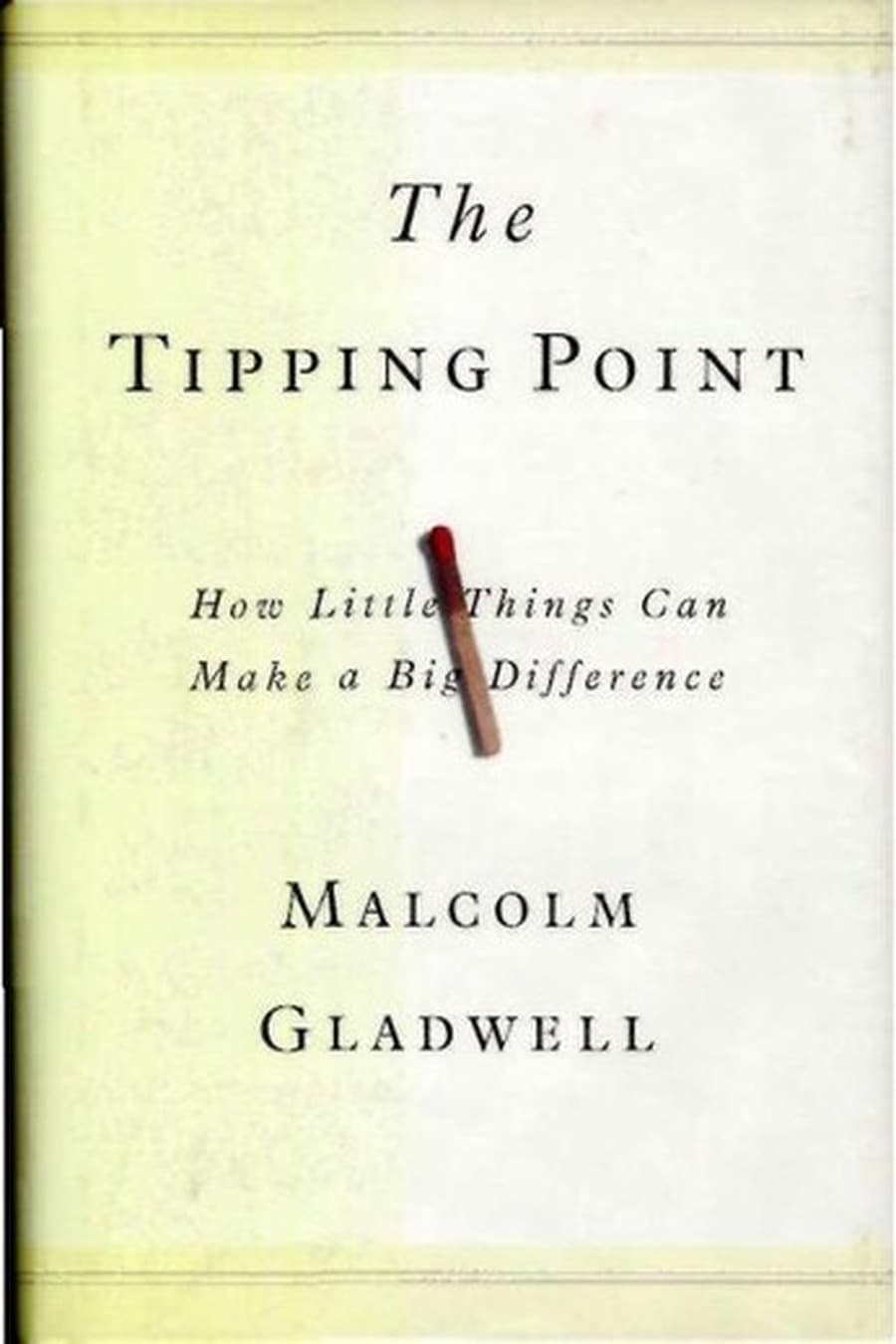
The Tipping Point (Comprehensive Summary)
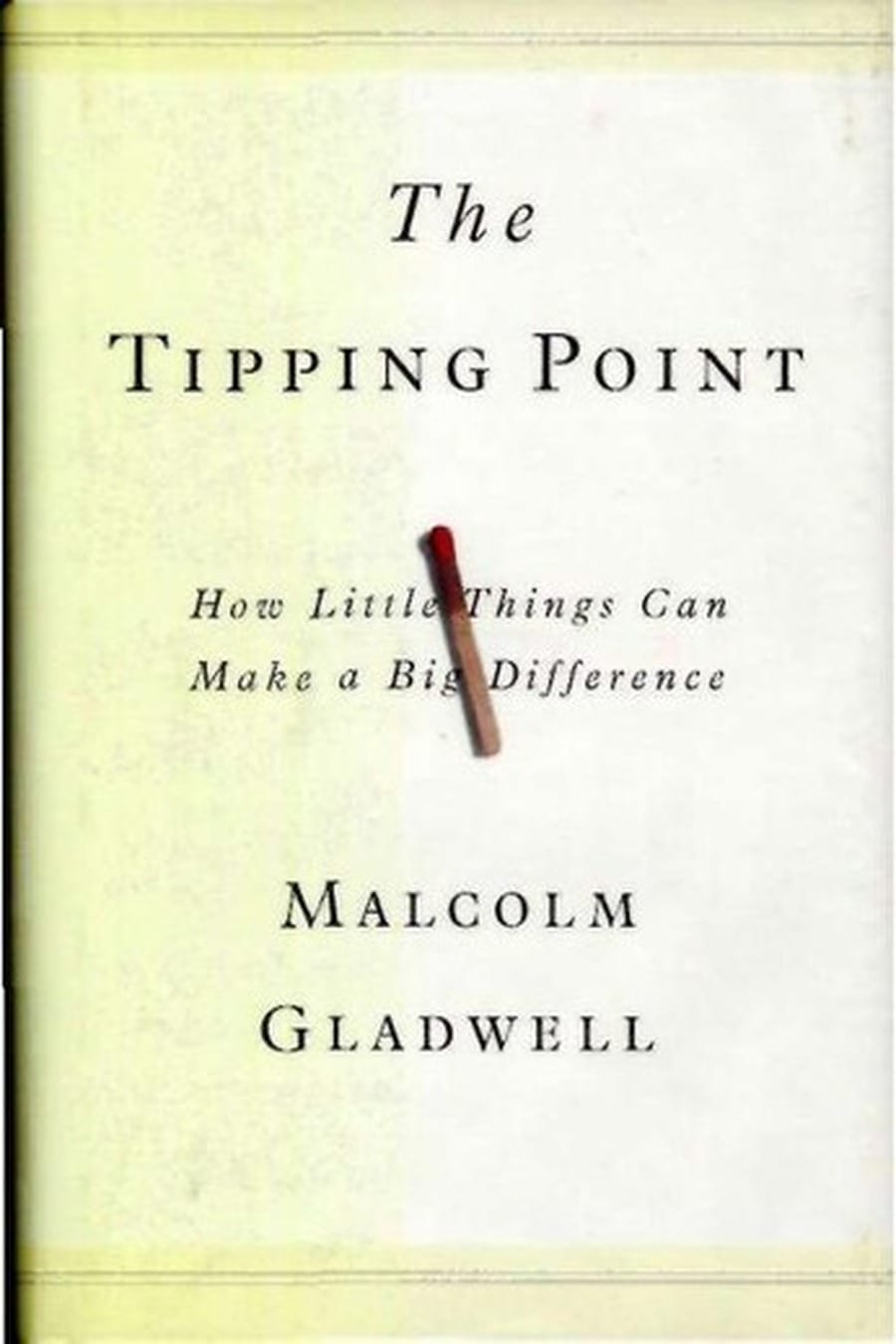
The Tipping Point by Malcolm Gladwell. This Lexicon distills the book's key arguments, evidence, and conclusions into a concise original work.
Editions
Ebooks

The Tipping Point (Comprehensive Summary)Current
47 pages
X-Ray
Malcolm GladwellNarrator
The author who introduces and elaborates on the concept of the tipping point and its governing rules through various case studies.
ConnectorsSupporting
Individuals with vast social networks who link disparate groups, crucial for spreading ideas.
MavensSupporting
Knowledgeable individuals who gather and share information and advice, acting as data banks for their communities.
SalespeopleSupporting
Persuasive individuals who can convince others to adopt new ideas or behaviors, effectively closing the deal on a trend.
This section is only available for premium usersUnlock character maps, chapter summaries, themes & moreTry Free for 7 Days
About The Tipping Point (Comprehensive Summary)
Chapter Summaries
- 1
- Gladwell introduces the 'tipping point' as the moment an idea or behavior spreads rapidly, illustrating it with the sudden popularity of Hush Puppies. He outlines three rules governing social epidemics: the Law of the Few (Connectors, Mavens, Salespeople), the Stickiness Factor, and the Power of Context, using examples like New York City crime rates.
- 2
- This chapter delves into Miami's drug culture and money laundering to exemplify the Power of Context. Gladwell argues that the city's unique environment normalized illegal activities, showing how surroundings profoundly influence individual actions and the emergence of social epidemics.
- 3
- Gladwell explores the Stickiness Factor, defining it as the quality that makes a message memorable and impactful. He analyzes children's shows like 'Sesame Street' and 'Blue's Clues' to demonstrate how engagement, interactivity, and repetition make content stick in minds, crucial for an idea to spread effectively.
Key Themes
- The Power of Small Changes
- Gladwell's core argument is that small, often overlooked changes can cross a 'tipping point' and lead to significant, widespread effects. This theme is illustrated through diverse examples like the resurgence of Hush Puppies or the dramatic decrease in New York City crime rates, demonstrating how minor adjustments can catalyze major transformations.
- Social Epidemics and Contagion
- The book examines how ideas, trends, and behaviors spread through populations like infectious diseases. It dissects the mechanisms of 'social contagion,' showing how phenomena from fashion trends to public health crises can rapidly disseminate once they reach a critical threshold, often through specific individuals or environmental conditions.
- The Influence of Context and Environment
- Gladwell consistently emphasizes that the environment in which individuals operate profoundly shapes their actions and decisions. Whether it's the 'Power of Context' in crime reduction or the 'Miami overstory' influencing fraud, the book argues that subtle changes in surroundings can dramatically alter behavior and facilitate social epidemics.
Characters
- Malcolm Gladwell(narrator)
- The author who introduces and elaborates on the concept of the tipping point and its governing rules through various case studies.
- Connectors(supporting)
- Individuals with vast social networks who link disparate groups, crucial for spreading ideas.
- Mavens(supporting)
- Knowledgeable individuals who gather and share information and advice, acting as data banks for their communities.
- Salespeople(supporting)
- Persuasive individuals who can convince others to adopt new ideas or behaviors, effectively closing the deal on a trend.
- Yankee Bandit(supporting)
- A notorious bank robber whose unprecedented spree in Los Angeles marked the beginning of a bank robbery wave.
- Casper(supporting)
- A young criminal mastermind identified as a 'superspreader' in the Los Angeles bank robbery epidemic due to his innovative, outsourced robbery model.
Link to this book
Add a free, dofollow link to Lex on your blog, forum, syllabus, or reading list.

HTML
<a href="https://lex-books.com/book/the-tipping-point-comprehensive-summary-720abd71-947f-5ea7-8ad1-93aea495ca6d"><img src="https://lex-books.com/badges/read-on-lex.svg" alt="Read The Tipping Point (Comprehensive Summary) by Malcolm Gladwell free on Lex" width="160" height="40"></a>Markdown
[](https://lex-books.com/book/the-tipping-point-comprehensive-summary-720abd71-947f-5ea7-8ad1-93aea495ca6d)BBCode
[url=https://lex-books.com/book/the-tipping-point-comprehensive-summary-720abd71-947f-5ea7-8ad1-93aea495ca6d][img]https://lex-books.com/badges/read-on-lex.svg[/img][/url]Plain link
Read The Tipping Point (Comprehensive Summary) by Malcolm Gladwell free on Lex: https://lex-books.com/book/the-tipping-point-comprehensive-summary-720abd71-947f-5ea7-8ad1-93aea495ca6dCite this book
Reading this edition for a paper or guide? Copy a citation.
MLA
Gladwell, Malcolm. The Tipping Point (Comprehensive Summary). Lex, lex-books.com/book/the-tipping-point-comprehensive-summary-720abd71-947f-5ea7-8ad1-93aea495ca6d.APA
Gladwell, M. (n.d.). The Tipping Point (Comprehensive Summary). Lex. https://lex-books.com/book/the-tipping-point-comprehensive-summary-720abd71-947f-5ea7-8ad1-93aea495ca6dChicago
Gladwell, Malcolm. The Tipping Point (Comprehensive Summary). Lex. https://lex-books.com/book/the-tipping-point-comprehensive-summary-720abd71-947f-5ea7-8ad1-93aea495ca6d.