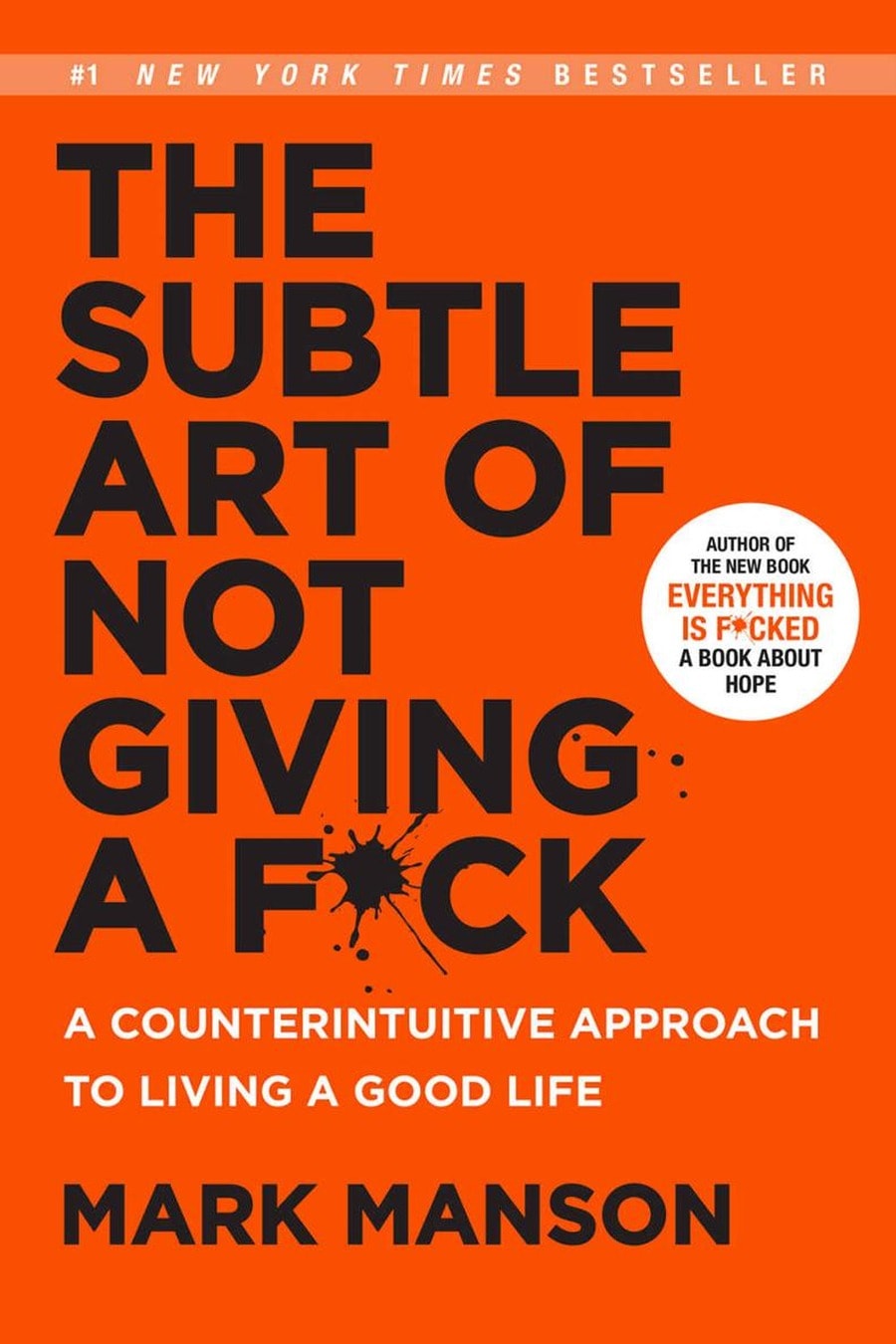
The Subtle Art of Not Giving a F*ck (Comprehensive Summary)
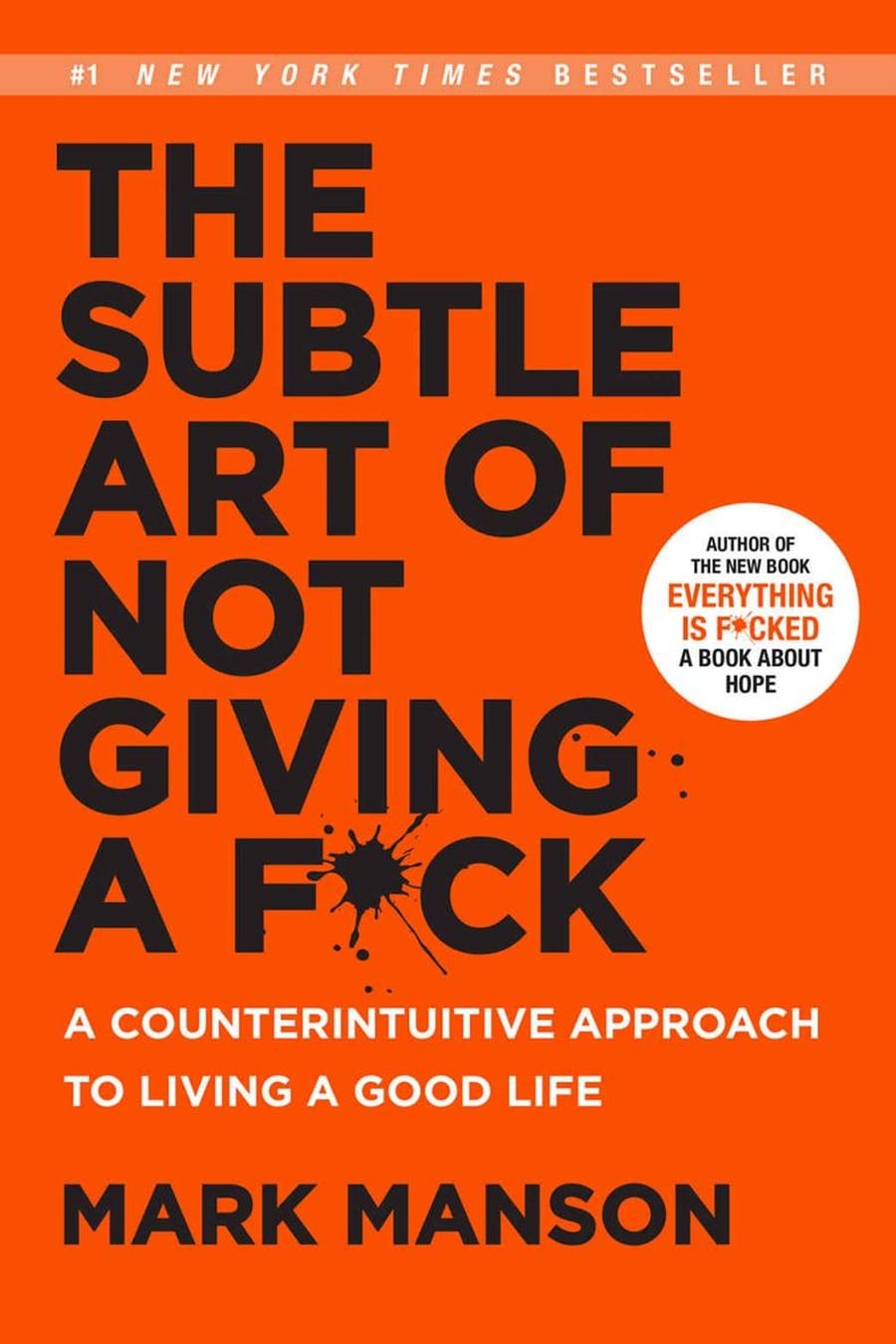
The Subtle Art of Not Giving a F*ck, authored by Mark Manson, challenges conventional self-help wisdom by advocating for a more grounded approach to personal development. Manson, a popular blogger and speaker, emphasizes the importance of accepting life's struggles and limitations rather than striving for constant positivity. The book covers themes such as responsibility, values, and the significance of choosing what to care about, ultimately encouraging readers to focus on what truly matters in their lives. This Lexicon distills the key ideas from Manson's work into original prose, providing a concise and insightful summary of his philosophy.
Editions

X-Ray
The author and narrator, who shares personal anecdotes and philosophical insights to illustrate his unconventional life philosophy.
A writer whose life of struggle and authenticity is used as an example of embracing one's flaws and not striving for conventional success.
A fictional character used as a case study to illustrate the negative consequences of entitlement and inflated self-esteem.
A Japanese soldier who remained in hiding for decades after WWII, serving as an example of dedication to a cause and finding purpose in suffering.
About The Subtle Art of Not Giving a F*ck (Comprehensive Summary)
Chapter Summaries
- Guide
- This introductory section clarifies that the text is an original summary of Mark Manson's book, not a reproduction. It then provides an overview of the book's core themes, emphasizing the importance of selective caring, understanding one's values, accepting responsibility, and embracing suffering as integral to a meaningful life.
- 1
- Manson introduces the philosophy of 'Don't try' through Charles Bukowski's story, arguing that true success comes from self-acceptance rather than relentless striving for conventional achievements. He critiques the 'Feedback Loop from Hell' caused by pervasive positivity and introduces the 'backwards law,' suggesting that accepting negative experiences leads to a more fulfilling life by prioritizing what genuinely matters.
- 2
- This chapter challenges the notion that happiness is achieved by avoiding problems, instead positing that happiness is a byproduct of solving 'good problems.' Manson uses a parable of a sheltered prince and the metaphorical 'Disappointment Panda' to illustrate that suffering is biologically useful and essential for personal growth, encouraging readers to choose their struggles wisely.
Key Themes
- Acceptance of Suffering and Negativity
- The book fundamentally challenges the pervasive cultural narrative that glorifies unyielding positivity, arguing instead that suffering is an inherent and necessary part of the human experience. Manson posits that true happiness is not the absence of problems but rather the result of choosing and engaging with 'good problems' and finding meaning in one's struggles.
- Selective Caring and Values
- A core tenet of Manson's philosophy is the importance of consciously choosing what to care about, as individuals have a limited capacity for concern. He advocates for prioritizing reality-based, socially constructive, and controllable values over superficial ones like pleasure or material success, which often lead to dissatisfaction.
- Personal Responsibility and Choice
- Manson emphasizes that while individuals may not be at fault for all their circumstances, they are always responsible for how they interpret and respond to them. Accepting this responsibility is crucial for personal empowerment, problem-solving, and developing resilience, rather than succumbing to a victim mentality.
Characters
- Mark Manson(narrator)
- The author and narrator, who shares personal anecdotes and philosophical insights to illustrate his unconventional life philosophy.
- Charles Bukowski(supporting)
- A writer whose life of struggle and authenticity is used as an example of embracing one's flaws and not striving for conventional success.
- Jimmy(supporting)
- A fictional character used as a case study to illustrate the negative consequences of entitlement and inflated self-esteem.
- Hiroo Onoda(supporting)
- A Japanese soldier who remained in hiding for decades after WWII, serving as an example of dedication to a cause and finding purpose in suffering.
- William James(supporting)
- An influential psychologist whose personal struggles and subsequent decision to take full responsibility for his life illustrate the power of choice.
- Malala Yousafzai(supporting)
- An activist who chose to advocate for education after an assassination attempt, exemplifying agency in the face of tragedy.
Link to this book
Add a free, dofollow link to Lex on your blog, forum, syllabus, or reading list.

<a href="https://lex-books.com/book/the-subtle-art-of-not-giving-a-f-ck-comprehensive-summary-3c4539b0-d1f2-58d6-8f4f-2febfb8db86c"><img src="https://lex-books.com/badges/read-on-lex.svg" alt="Read The Subtle Art of Not Giving a F*ck (Comprehensive Summary) by Mark Manson free on Lex" width="160" height="40"></a>[](https://lex-books.com/book/the-subtle-art-of-not-giving-a-f-ck-comprehensive-summary-3c4539b0-d1f2-58d6-8f4f-2febfb8db86c)[url=https://lex-books.com/book/the-subtle-art-of-not-giving-a-f-ck-comprehensive-summary-3c4539b0-d1f2-58d6-8f4f-2febfb8db86c][img]https://lex-books.com/badges/read-on-lex.svg[/img][/url]Read The Subtle Art of Not Giving a F*ck (Comprehensive Summary) by Mark Manson free on Lex: https://lex-books.com/book/the-subtle-art-of-not-giving-a-f-ck-comprehensive-summary-3c4539b0-d1f2-58d6-8f4f-2febfb8db86cCite this book
Reading this edition for a paper or guide? Copy a citation.
Manson, Mark. The Subtle Art of Not Giving a F*ck (Comprehensive Summary). Lex, lex-books.com/book/the-subtle-art-of-not-giving-a-f-ck-comprehensive-summary-3c4539b0-d1f2-58d6-8f4f-2febfb8db86c.Manson, M. (n.d.). The Subtle Art of Not Giving a F*ck (Comprehensive Summary). Lex. https://lex-books.com/book/the-subtle-art-of-not-giving-a-f-ck-comprehensive-summary-3c4539b0-d1f2-58d6-8f4f-2febfb8db86cManson, Mark. The Subtle Art of Not Giving a F*ck (Comprehensive Summary). Lex. https://lex-books.com/book/the-subtle-art-of-not-giving-a-f-ck-comprehensive-summary-3c4539b0-d1f2-58d6-8f4f-2febfb8db86c.