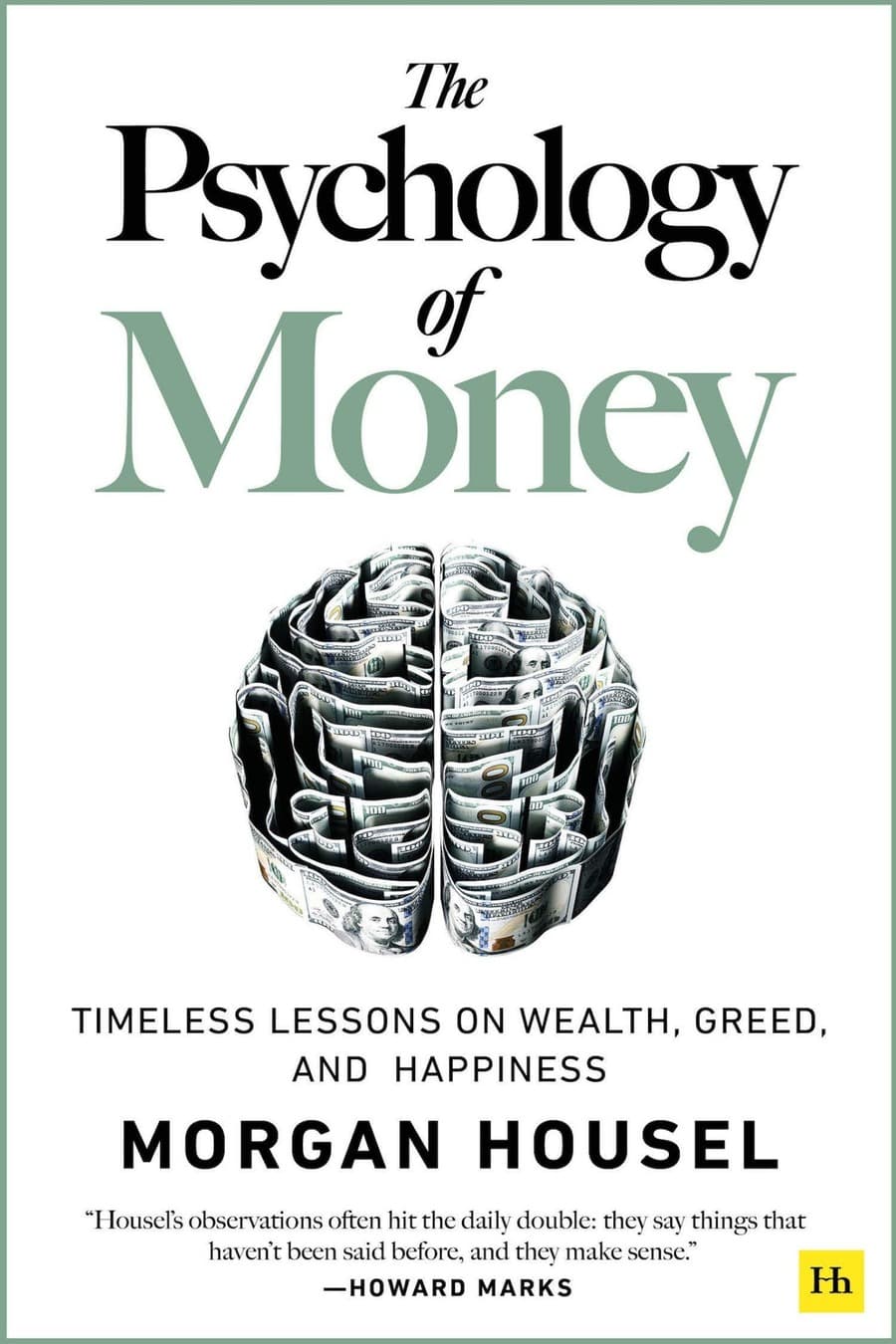
The Psychology of Money (Comprehensive Summary)
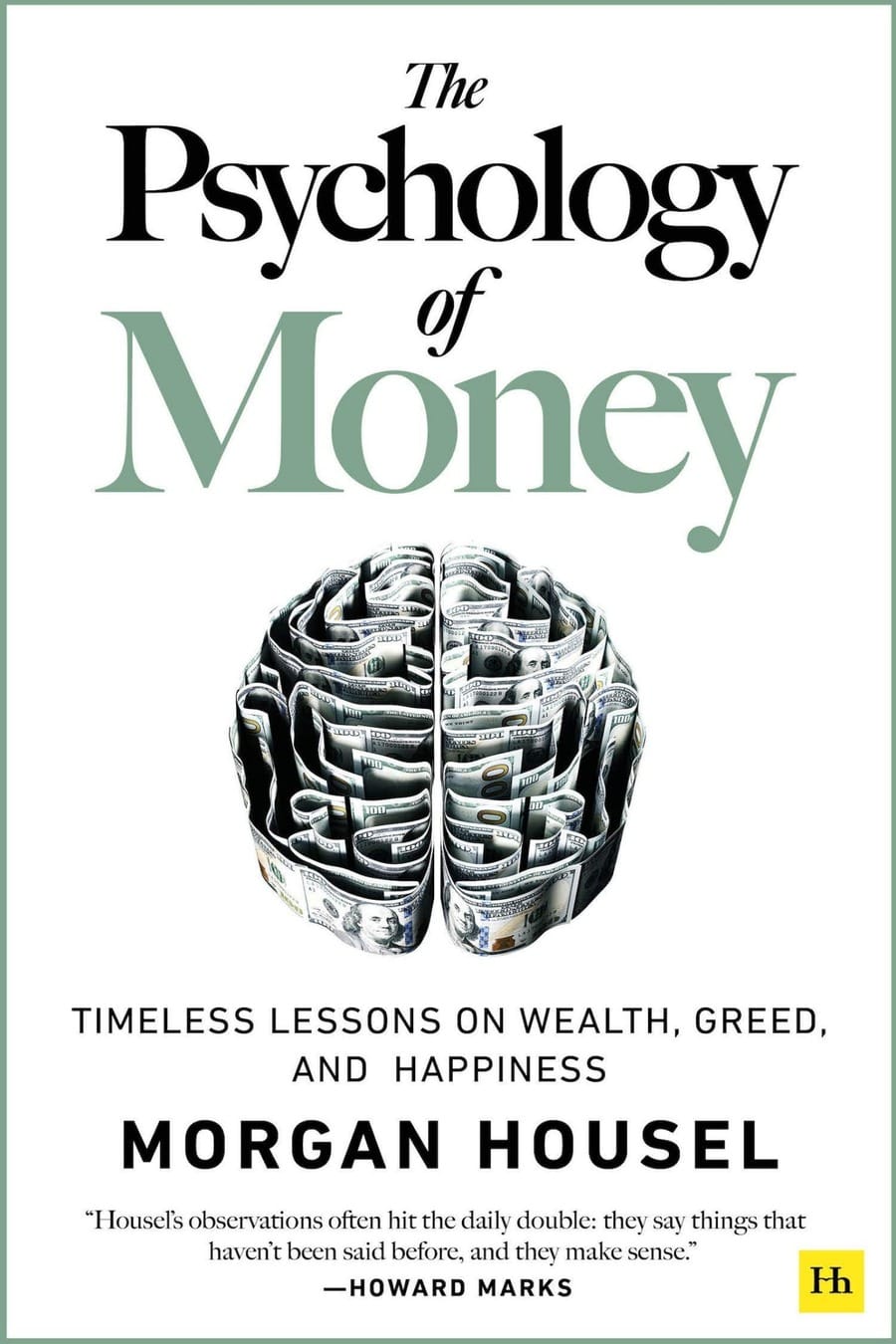
In 'The Psychology of Money,' Morgan Housel explores the complex relationship individuals have with money, emphasizing that financial success is more about behavior than knowledge. Housel, a seasoned finance writer, delves into the psychological aspects that drive our financial decisions, illustrating how emotions, biases, and personal experiences shape our attitudes towards wealth. This Lexicon distills the key ideas from the original work into original prose, providing readers with a concise understanding of the principles that govern financial behavior and decision-making.
Editions

X-Ray
The author and narrator, who distills complex financial concepts into relatable psychological insights.
A humble janitor who amassed an $8 million fortune through disciplined saving and investing, exemplifying the power of consistent behavior.
A wealthy technology executive who lost his fortune due to reckless financial behavior, serving as a cautionary tale.
Co-founder of Microsoft, whose early access to computers at Lakeside School illustrates the role of luck and opportunity in success.
About The Psychology of Money (Comprehensive Summary)
Chapter Summaries
- 1
- Housel introduces the idea that financial perspectives are shaped by unique experiences, asserting 'no one’s crazy' in their financial decisions. He highlights luck and risk as fundamental components of wealth, the 'never enough' phenomenon, the power of compounding, and the distinction between getting and staying wealthy, concluding that true wealth is freedom.
- 2
- This chapter contrasts Ronald Read, a frugal janitor who amassed millions, with Richard Fuscone, a wealthy executive who went bankrupt, to illustrate that behavior, not intelligence, drives financial success. Housel argues that the financial industry often overlooks the psychological aspects of money management, emphasizing that soft skills like patience and humility are crucial.
- 3
- Housel explores how personal experiences, generational differences, and economic conditions during formative years profoundly shape individuals' financial perceptions and decisions. He cites historical examples and research to show that what seems irrational to one person can be logical to another based on their unique life narratives.
Key Themes
- Behavioral Finance
- This theme is central, arguing that financial success is more about psychology and behavior than intelligence or technical knowledge. Housel illustrates how emotions, biases, and personal experiences profoundly influence financial decisions, often leading to outcomes that defy pure rationality.
- Luck and Risk
- Housel consistently emphasizes that financial outcomes are significantly influenced by factors beyond individual control, such as luck and unforeseen risks. This theme encourages a nuanced view of success and failure, tempering the tendency to attribute results solely to hard work or poor choices.
- Compounding and Time
- The book highlights the extraordinary power of compounding, not just in financial returns but also in knowledge and experience. It stresses that patience and a long-term perspective are crucial, as consistent, small actions over extended periods yield significant wealth.
Characters
- Morgan Housel(narrator)
- The author and narrator, who distills complex financial concepts into relatable psychological insights.
- Ronald Read(supporting)
- A humble janitor who amassed an $8 million fortune through disciplined saving and investing, exemplifying the power of consistent behavior.
- Richard Fuscone(supporting)
- A wealthy technology executive who lost his fortune due to reckless financial behavior, serving as a cautionary tale.
- Bill Gates(supporting)
- Co-founder of Microsoft, whose early access to computers at Lakeside School illustrates the role of luck and opportunity in success.
- Kent Evans(supporting)
- Bill Gates's childhood friend and collaborator, whose tragic death highlights the unpredictable nature of risk.
- Joseph Heller(supporting)
- Author of 'Catch-22,' who famously articulated the concept of 'enough' to a billionaire hedge fund manager.
Link to this book
Add a free, dofollow link to Lex on your blog, forum, syllabus, or reading list.

<a href="https://lex-books.com/book/the-psychology-of-money-comprehensive-summary-d0bf348f-17fc-55c9-97fe-cd7d79cb0813"><img src="https://lex-books.com/badges/read-on-lex.svg" alt="Read The Psychology of Money (Comprehensive Summary) by Morgan Housel free on Lex" width="160" height="40"></a>[](https://lex-books.com/book/the-psychology-of-money-comprehensive-summary-d0bf348f-17fc-55c9-97fe-cd7d79cb0813)[url=https://lex-books.com/book/the-psychology-of-money-comprehensive-summary-d0bf348f-17fc-55c9-97fe-cd7d79cb0813][img]https://lex-books.com/badges/read-on-lex.svg[/img][/url]Read The Psychology of Money (Comprehensive Summary) by Morgan Housel free on Lex: https://lex-books.com/book/the-psychology-of-money-comprehensive-summary-d0bf348f-17fc-55c9-97fe-cd7d79cb0813Cite this book
Reading this edition for a paper or guide? Copy a citation.
Housel, Morgan. The Psychology of Money (Comprehensive Summary). Lex, lex-books.com/book/the-psychology-of-money-comprehensive-summary-d0bf348f-17fc-55c9-97fe-cd7d79cb0813.Housel, M. (n.d.). The Psychology of Money (Comprehensive Summary). Lex. https://lex-books.com/book/the-psychology-of-money-comprehensive-summary-d0bf348f-17fc-55c9-97fe-cd7d79cb0813Housel, Morgan. The Psychology of Money (Comprehensive Summary). Lex. https://lex-books.com/book/the-psychology-of-money-comprehensive-summary-d0bf348f-17fc-55c9-97fe-cd7d79cb0813.