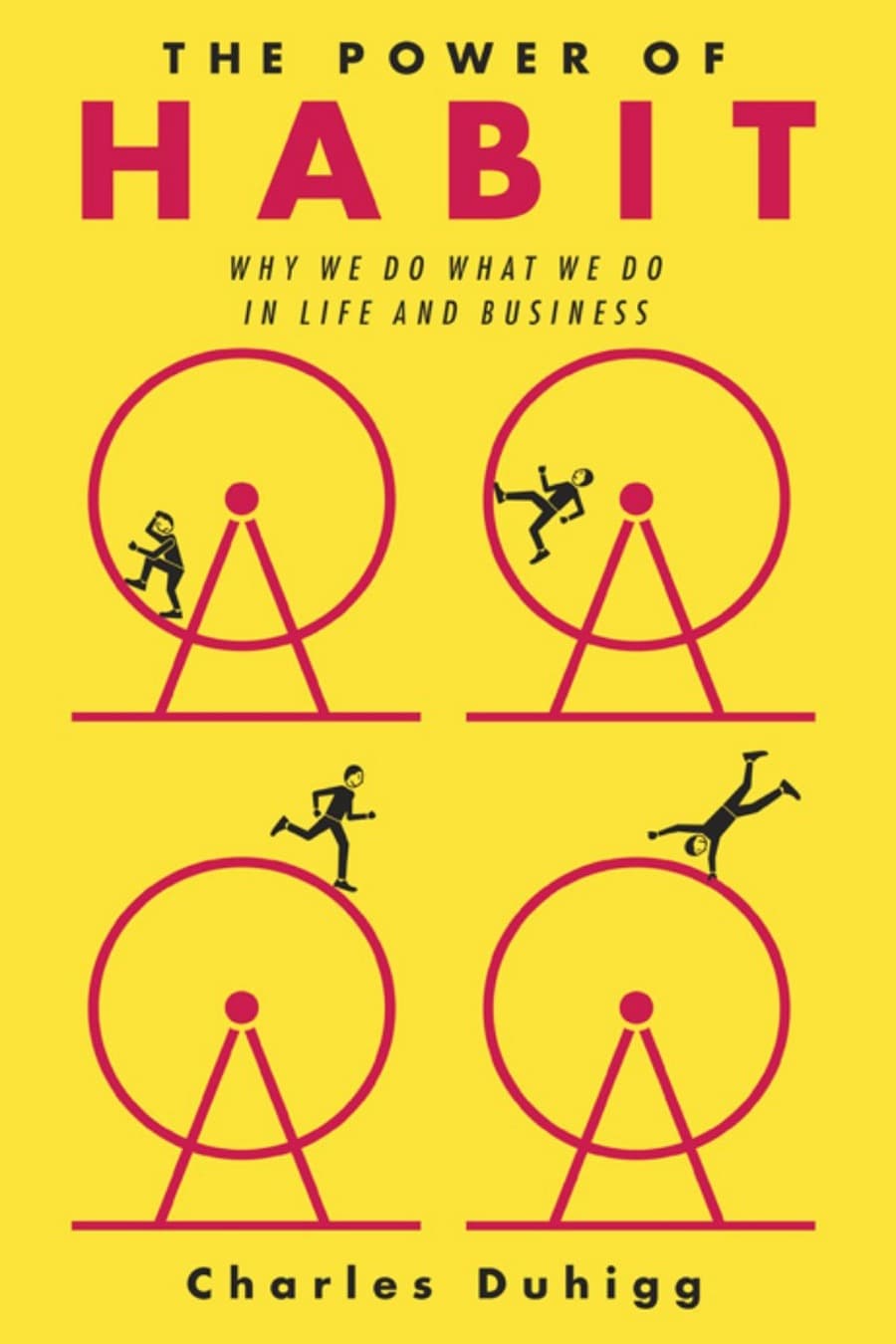
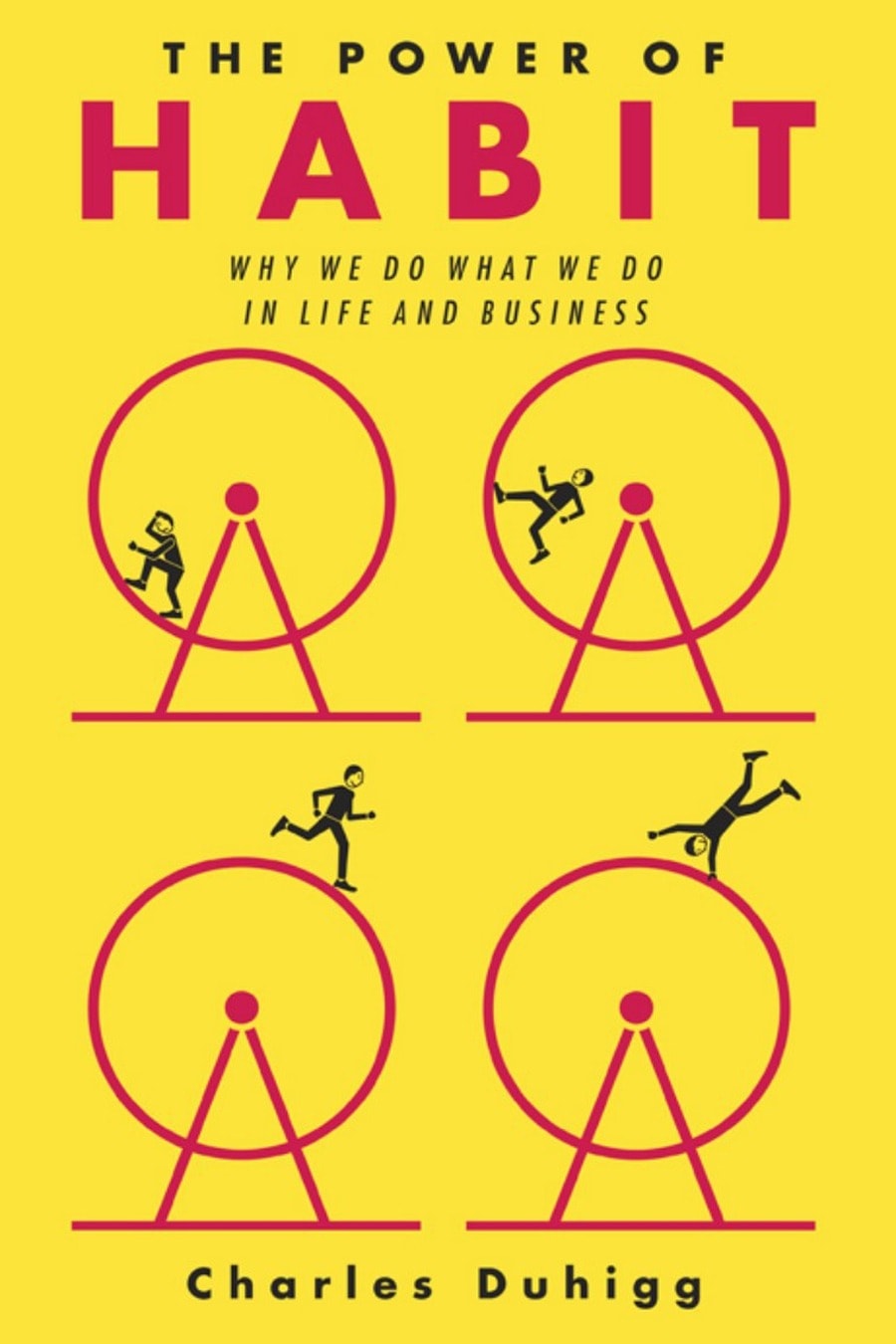
The Power of Habit (Comprehensive Summary)
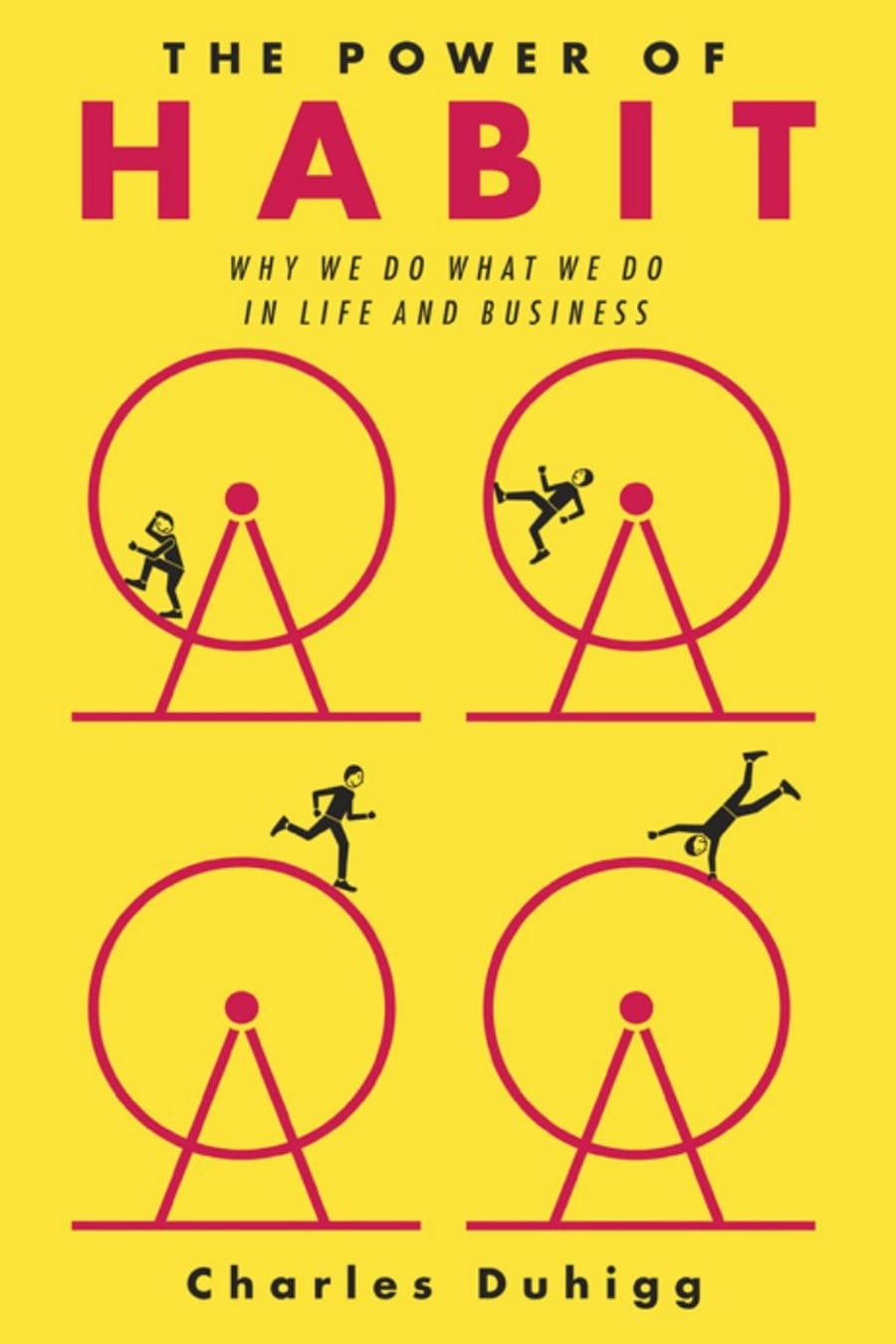
The Power of Habit by Charles Duhigg. This Lexicon distills the book's key arguments, evidence, and conclusions into a concise original work.
Editions

X-Ray
The author who synthesizes scientific research and real-world anecdotes to explain the mechanics of habits.
A man who, after suffering brain injury, lost the ability to form new memories but retained and developed habits, demonstrating the basal ganglia's role in automatic behaviors.
A case study whose dramatic transformation from a troubled past to a successful life exemplifies the power of keystone habits.
A pioneering advertiser who successfully created the habit of tooth brushing in America by identifying a cue and a reward for Pepsodent toothpaste.
About The Power of Habit (Comprehensive Summary)
Chapter Summaries
- 1
- Duhigg introduces habits as powerful forces shaping behavior, explaining the three-step habit loop (cue, routine, reward) through the case of Eugene Pauly, who retained habits despite memory loss. He emphasizes that understanding this loop is crucial for personal and professional change.
- PROLOGUE
- The prologue introduces Lisa Allen, whose transformation from a troubled past highlights the power of habit change, particularly through 'keystone habits.' Duhigg discusses the neurological basis of habit modification and extends the concept to organizational change, citing companies like Starbucks.
- THE HABIT LOOP
- This chapter details the habit loop (cue, routine, reward) using Eugene Pauly's case to illustrate how habits operate independently of conscious memory, residing in the basal ganglia. It explains 'chunking' as the brain's energy-saving mechanism for automating behaviors and notes the delicate nature of habits.
Key Themes
- The Habit Loop (Cue, Routine, Reward)
- This foundational theme explains that all habits operate through a three-step neurological process: a cue triggers a behavior, the routine is the behavior itself, and a reward reinforces the loop. Understanding these components is presented as the key to analyzing and altering any habit.
- Keystone Habits
- Keystone habits are identified as pivotal behaviors that, when changed, can trigger a cascade of positive transformations across various aspects of an individual's life or an organization. Focusing on these specific habits can lead to widespread, often unexpected, improvements.
- Willpower as a Muscle
- The book posits that willpower is not an innate trait but a finite resource that can be strengthened through practice, much like a muscle. It emphasizes that structured routines and a sense of control can help conserve and build willpower, making it more automatic.
Characters
- Charles Duhigg(narrator)
- The author who synthesizes scientific research and real-world anecdotes to explain the mechanics of habits.
- Eugene Pauly(supporting)
- A man who, after suffering brain injury, lost the ability to form new memories but retained and developed habits, demonstrating the basal ganglia's role in automatic behaviors.
- Lisa Allen(supporting)
- A case study whose dramatic transformation from a troubled past to a successful life exemplifies the power of keystone habits.
- Claude C. Hopkins(supporting)
- A pioneering advertiser who successfully created the habit of tooth brushing in America by identifying a cue and a reward for Pepsodent toothpaste.
- Wolfram Schultz(supporting)
- A neuroscientist whose research on monkeys revealed the brain's anticipation of rewards, highlighting the role of cravings in habit formation.
- Drake Stimson(supporting)
- A marketing team leader at Procter & Gamble who successfully relaunched Febreze by repositioning it as a reward for cleaning.
Link to this book
Add a free, dofollow link to Lex on your blog, forum, syllabus, or reading list.

<a href="https://lex-books.com/book/the-power-of-habit-comprehensive-summary-b4d1f140-3e2d-55ab-ad3b-6af46f6f06e0"><img src="https://lex-books.com/badges/read-on-lex.svg" alt="Read The Power of Habit (Comprehensive Summary) by Charles Duhigg free on Lex" width="160" height="40"></a>[](https://lex-books.com/book/the-power-of-habit-comprehensive-summary-b4d1f140-3e2d-55ab-ad3b-6af46f6f06e0)[url=https://lex-books.com/book/the-power-of-habit-comprehensive-summary-b4d1f140-3e2d-55ab-ad3b-6af46f6f06e0][img]https://lex-books.com/badges/read-on-lex.svg[/img][/url]Read The Power of Habit (Comprehensive Summary) by Charles Duhigg free on Lex: https://lex-books.com/book/the-power-of-habit-comprehensive-summary-b4d1f140-3e2d-55ab-ad3b-6af46f6f06e0Cite this book
Reading this edition for a paper or guide? Copy a citation.
Duhigg, Charles. The Power of Habit (Comprehensive Summary). Lex, lex-books.com/book/the-power-of-habit-comprehensive-summary-b4d1f140-3e2d-55ab-ad3b-6af46f6f06e0.Duhigg, C. (n.d.). The Power of Habit (Comprehensive Summary). Lex. https://lex-books.com/book/the-power-of-habit-comprehensive-summary-b4d1f140-3e2d-55ab-ad3b-6af46f6f06e0Duhigg, Charles. The Power of Habit (Comprehensive Summary). Lex. https://lex-books.com/book/the-power-of-habit-comprehensive-summary-b4d1f140-3e2d-55ab-ad3b-6af46f6f06e0.