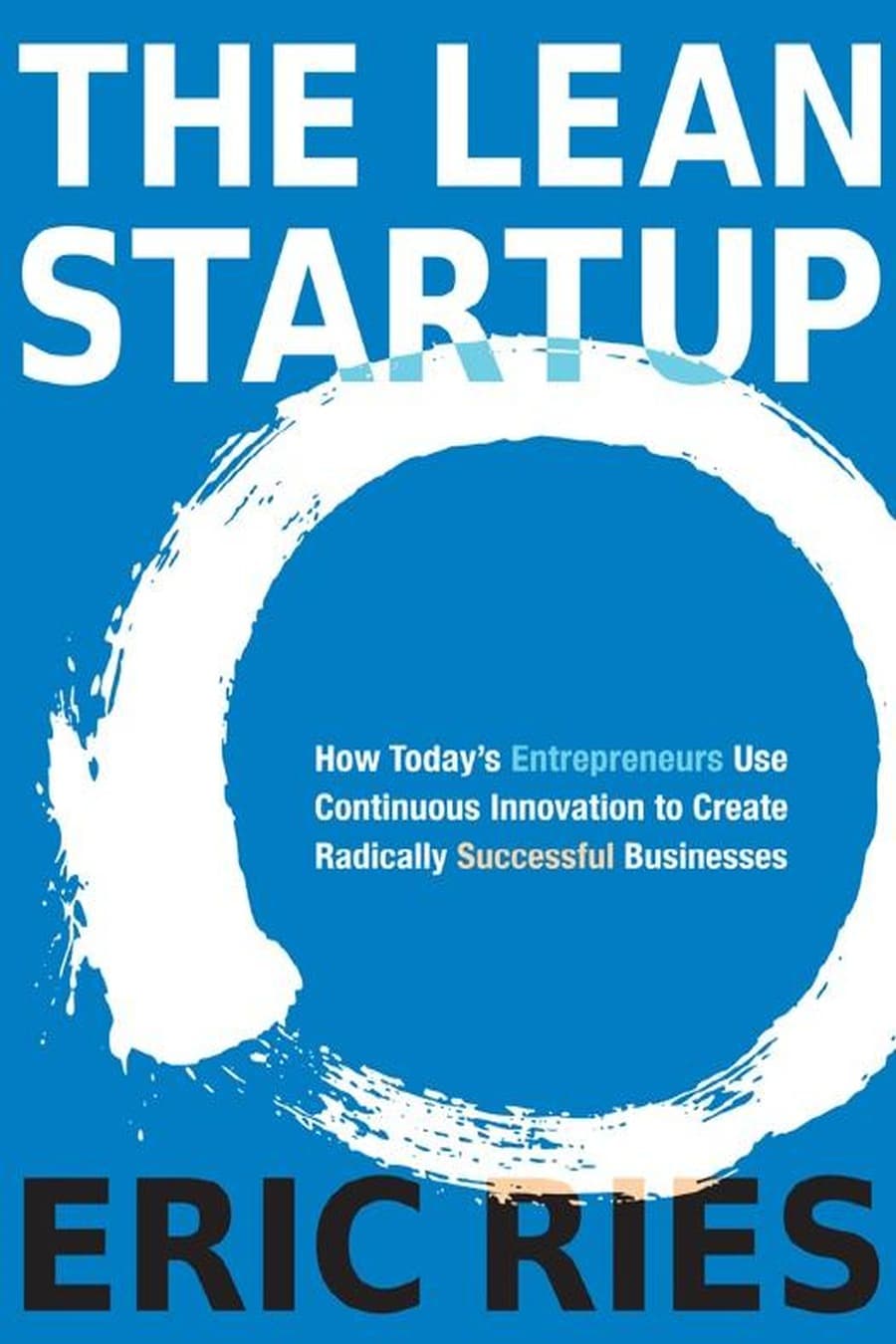
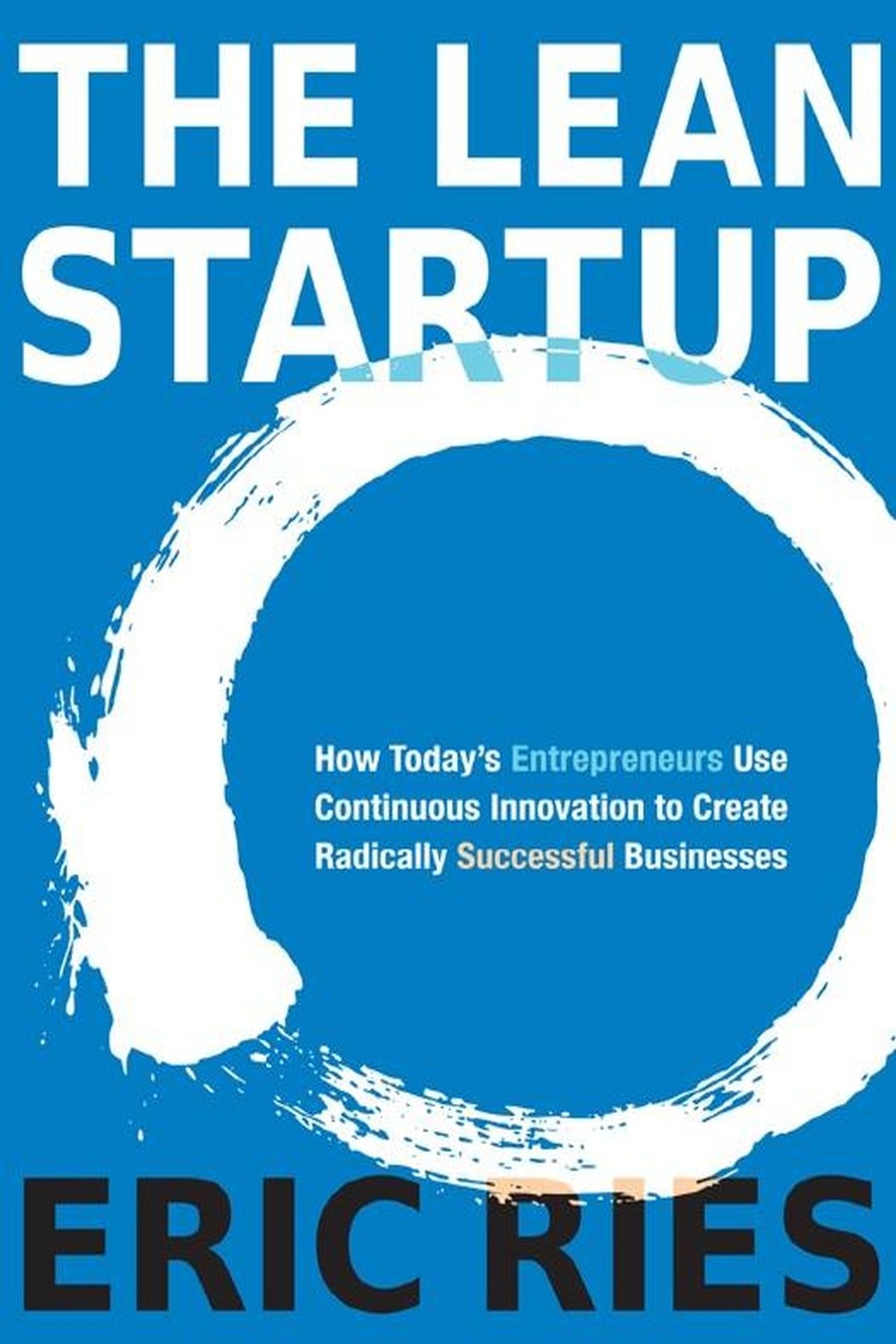
The Lean Startup (Comprehensive Summary)
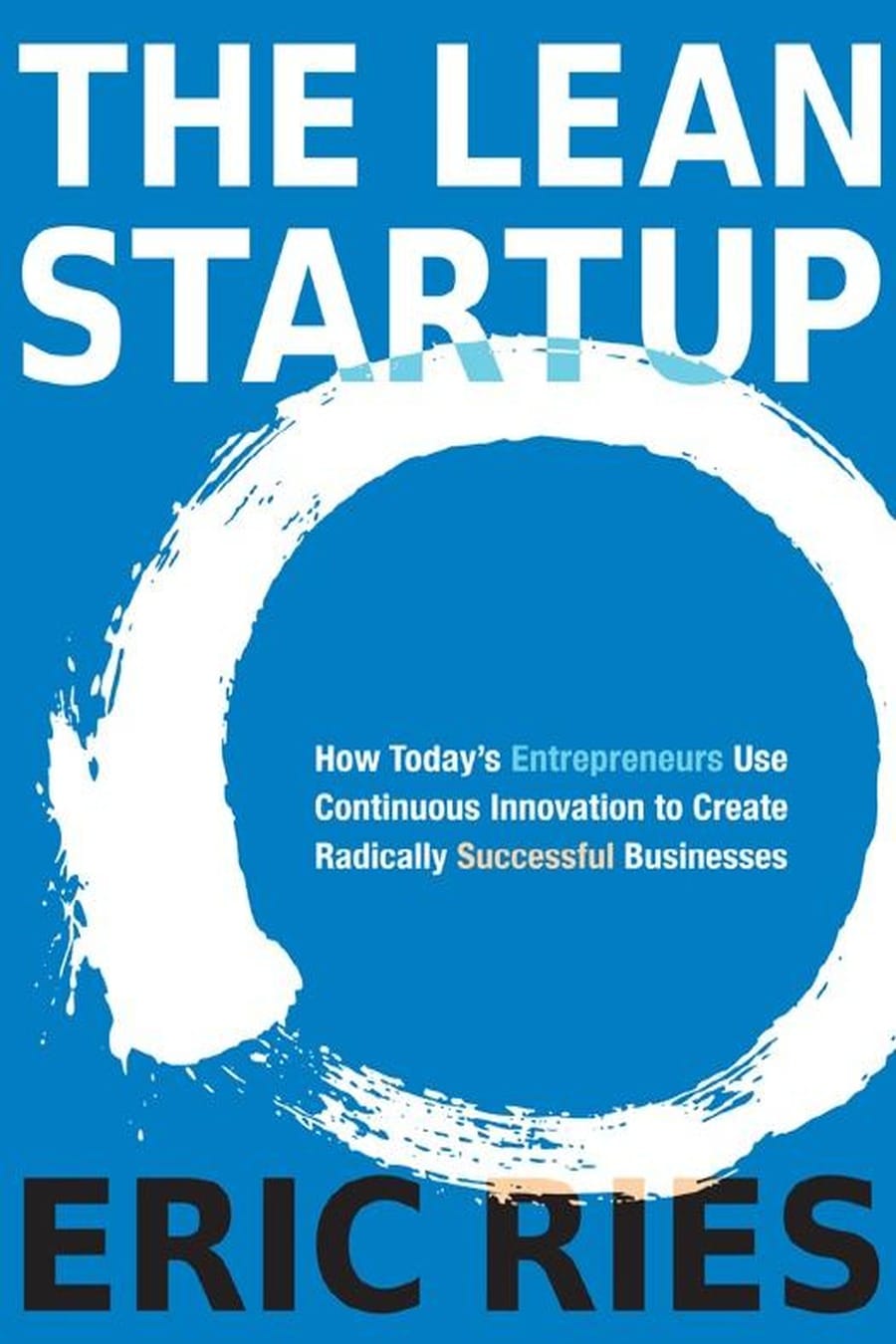
The Lean Startup by Eric Ries. This Lexicon distills the book's key arguments, evidence, and conclusions into a concise original work.
Editions
Ebooks

The Lean Startup (Comprehensive Summary)Current
15 pages
X-Ray
Eric RiesNarrator
The author and proponent of The Lean Startup methodology, who guides readers through its principles and applications.
Yuji YokoyaSupporting
The chief engineer at Toyota who exemplified 'genchi gembutsu' by directly observing customer needs for the 2004 Toyota Sienna minivan.
David BinettiSupporting
The founder of Votizen, whose startup journey is used to illustrate the necessity and process of strategic pivots in response to market feedback.
This section is only available for premium usersUnlock character maps, chapter summaries, themes & moreTry Free for 7 Days
About The Lean Startup (Comprehensive Summary)
Chapter Summaries
- Introduction
- Eric Ries introduces his Lean Startup methodology as a systematic approach to navigate the inherent uncertainties of launching new ventures, drawing on lean manufacturing principles. He emphasizes rapid experimentation, customer feedback, and iterative development, highlighting validated learning, the Minimum Viable Product (MVP), and actionable metrics as foundational concepts. The introduction sets the stage for a paradigm shift in business operations, advocating for adaptability and continuous improvement.
- 1
- Ries sets the stage for his innovative approach, arguing that traditional business practices fail startups due to high uncertainty, advocating for adapting lean manufacturing principles. He introduces 'validated learning' as a cornerstone, emphasizing testing hypotheses through iterative development and feedback to meet market needs. The chapter also highlights actionable metrics over vanity metrics and the importance of the Minimum Viable Product (MVP) for quick, inexpensive market testing and learning.
- Part Three ACCELERATE
- This section delves into advanced strategies for scaling startups while maintaining Lean Startup principles, emphasizing continuous learning and innovation. Ries discusses 'batch size' for faster learning, 'innovation accounting' for measuring progress, and organizational design with cross-functional teams for rapid decision-making. He stresses maintaining a clear, adaptable vision and leadership that embraces experimentation for long-term success.
Key Themes
- Validated Learning
- This theme emphasizes that startups should prioritize learning what customers truly want over merely building products based on assumptions. It advocates for a scientific approach to entrepreneurship, where hypotheses about business models and customer preferences are tested through iterative cycles of product development and feedback.
- Minimum Viable Product (MVP)
- The MVP is a core concept, representing a version of a product with just enough features to satisfy early adopters and gather valuable feedback quickly and inexpensively. This approach minimizes the risk of investing significant resources into unvalidated ideas, fostering a culture of experimentation and adaptation.
- Pivoting and Perseverance
- This theme highlights the strategic decision-making process where startups must choose to either change direction (pivot) or continue on their current path (persevere) based on validated learning and actionable metrics. It underscores that pivots are not failures but necessary adaptations to market realities, extending a startup's runway.
Characters
- Eric Ries(narrator)
- The author and proponent of The Lean Startup methodology, who guides readers through its principles and applications.
- Yuji Yokoya(supporting)
- The chief engineer at Toyota who exemplified 'genchi gembutsu' by directly observing customer needs for the 2004 Toyota Sienna minivan.
- David Binetti(supporting)
- The founder of Votizen, whose startup journey is used to illustrate the necessity and process of strategic pivots in response to market feedback.
Link to this book
Add a free, dofollow link to Lex on your blog, forum, syllabus, or reading list.

HTML
<a href="https://lex-books.com/book/the-lean-startup-comprehensive-summary-15385221-6d59-5044-b839-3bc3aa5eeac2"><img src="https://lex-books.com/badges/read-on-lex.svg" alt="Read The Lean Startup (Comprehensive Summary) by Eric Ries free on Lex" width="160" height="40"></a>Markdown
[](https://lex-books.com/book/the-lean-startup-comprehensive-summary-15385221-6d59-5044-b839-3bc3aa5eeac2)BBCode
[url=https://lex-books.com/book/the-lean-startup-comprehensive-summary-15385221-6d59-5044-b839-3bc3aa5eeac2][img]https://lex-books.com/badges/read-on-lex.svg[/img][/url]Plain link
Read The Lean Startup (Comprehensive Summary) by Eric Ries free on Lex: https://lex-books.com/book/the-lean-startup-comprehensive-summary-15385221-6d59-5044-b839-3bc3aa5eeac2Cite this book
Reading this edition for a paper or guide? Copy a citation.
MLA
Ries, Eric. The Lean Startup (Comprehensive Summary). Lex, lex-books.com/book/the-lean-startup-comprehensive-summary-15385221-6d59-5044-b839-3bc3aa5eeac2.APA
Ries, E. (n.d.). The Lean Startup (Comprehensive Summary). Lex. https://lex-books.com/book/the-lean-startup-comprehensive-summary-15385221-6d59-5044-b839-3bc3aa5eeac2Chicago
Ries, Eric. The Lean Startup (Comprehensive Summary). Lex. https://lex-books.com/book/the-lean-startup-comprehensive-summary-15385221-6d59-5044-b839-3bc3aa5eeac2.