The Body Keeps the Score (Comprehensive Summary)
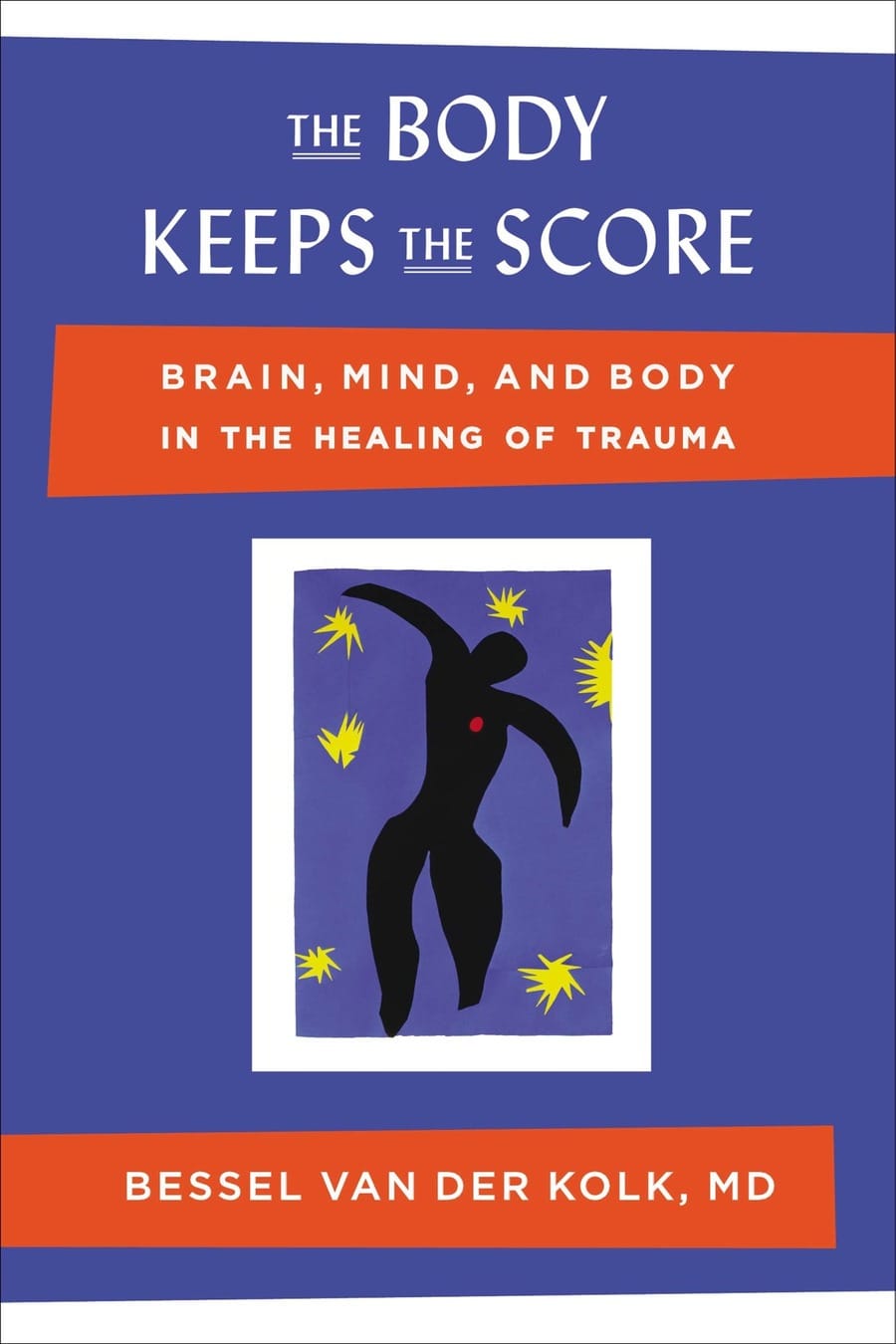
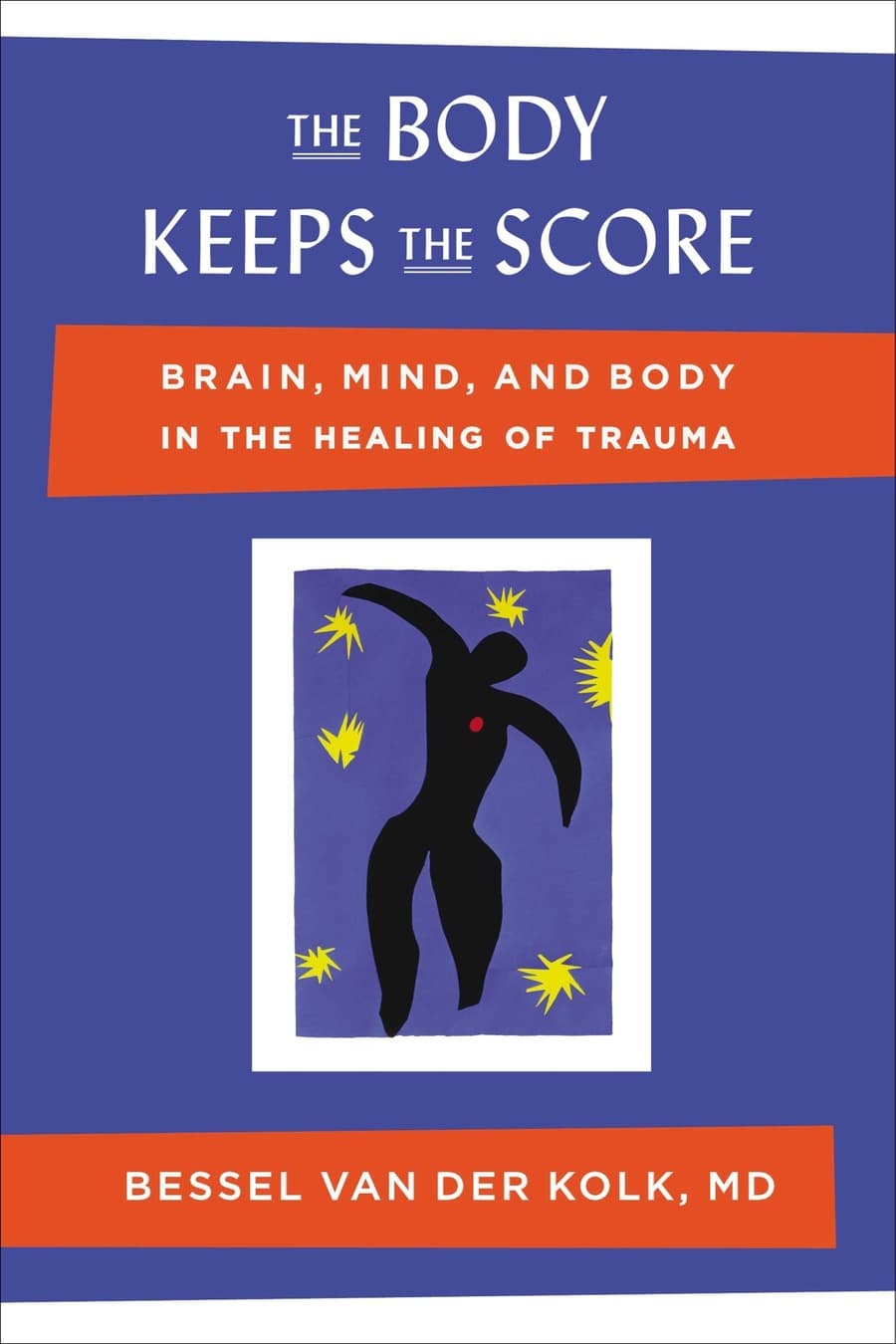
The Body Keeps the Score by Bessel van der Kolk. This Lexicon distills the book's key arguments, evidence, and conclusions into a concise original work.
Editions

X-Ray
A psychiatrist and researcher who dedicated his career to understanding and treating trauma, advocating for holistic and body-centered approaches.
A Vietnam War veteran and lawyer whose emotional numbness and flashbacks illustrate the lasting impact of combat trauma.
A patient whose self-destructive skin-picking highlights the profound disconnection from the body caused by chronic emotional neglect and trauma.
A study participant whose brain scans revealed amygdala activation and decreased Broca's area activity during traumatic memory recall.
About The Body Keeps the Score (Comprehensive Summary)
Chapter Summaries
- Chapter 1
- This introductory chapter sets the stage for exploring trauma's profound effects, asserting that it's deeply rooted in the body and persists physically long after events. Van der Kolk emphasizes how trauma disrupts brain and body functioning, leading to a mind-body disconnection and a cycle of re-experiencing, often unaddressed by traditional therapies.
- Chapter 2
- Building on foundational ideas, this chapter delves into the neurological underpinnings of trauma, explaining how it alters brain architecture, particularly the limbic system, affecting emotional regulation and memory. Van der Kolk highlights the impact on explicit and implicit memories, leading to fragmented recollections and dysregulated physiological responses like fight-or-flight.
- PROLOGUE
- Van der Kolk emphasizes trauma's widespread nature, citing statistics on childhood abuse and domestic violence, and how it leaves lasting imprints on emotional, psychological, and biological health. He discusses denial as a coping mechanism, maladaptive survival responses, and introduces three healing avenues: cognitive, pharmacological, and experiential.
Key Themes
- The Embodied Nature of Trauma
- This theme asserts that trauma is not merely psychological but deeply physiological, leaving lasting imprints on the body and brain. The book consistently illustrates how physical manifestations, sensory disconnections, and altered brain structures persist long after traumatic events, necessitating body-centered therapies for healing.
- Limitations of Traditional Therapy
- Van der Kolk critiques conventional therapeutic approaches, such as talk therapy and pharmacological interventions, for often overlooking the somatic and relational aspects of trauma. He argues that these methods frequently fail to address the root causes of suffering, leading to misdiagnosis and ineffective care for complex trauma survivors.
- Neurobiology of Trauma
- The book extensively explores how trauma alters brain structures and functions, particularly in areas related to memory, emotional regulation, and stress response. Insights from neuroimaging, the Polyvagal Theory, and neuroplasticity demonstrate how trauma can lead to heightened anxiety, dissociation, and a persistent sense of threat.
Characters
- Bessel van der Kolk(narrator)
- A psychiatrist and researcher who dedicated his career to understanding and treating trauma, advocating for holistic and body-centered approaches.
- Tom(supporting)
- A Vietnam War veteran and lawyer whose emotional numbness and flashbacks illustrate the lasting impact of combat trauma.
- Sherry(supporting)
- A patient whose self-destructive skin-picking highlights the profound disconnection from the body caused by chronic emotional neglect and trauma.
- Marsha(supporting)
- A study participant whose brain scans revealed amygdala activation and decreased Broca's area activity during traumatic memory recall.
- Julian(supporting)
- A young man who experienced repressed memories of sexual abuse, illustrating the fragmented nature of traumatic memory and its legal complexities.
- David(supporting)
- A patient who found significant relief from his traumatic past through Eye Movement Desensitization and Reprocessing (EMDR) therapy.
Link to this book
Add a free, dofollow link to Lex on your blog, forum, syllabus, or reading list.

<a href="https://lex-books.com/book/the-body-keeps-the-score-comprehensive-summary-55176aae-4f3c-5cee-9c4e-bda2438aa6c2"><img src="https://lex-books.com/badges/read-on-lex.svg" alt="Read The Body Keeps the Score (Comprehensive Summary) by Bessel van der Kolk free on Lex" width="160" height="40"></a>[](https://lex-books.com/book/the-body-keeps-the-score-comprehensive-summary-55176aae-4f3c-5cee-9c4e-bda2438aa6c2)[url=https://lex-books.com/book/the-body-keeps-the-score-comprehensive-summary-55176aae-4f3c-5cee-9c4e-bda2438aa6c2][img]https://lex-books.com/badges/read-on-lex.svg[/img][/url]Read The Body Keeps the Score (Comprehensive Summary) by Bessel van der Kolk free on Lex: https://lex-books.com/book/the-body-keeps-the-score-comprehensive-summary-55176aae-4f3c-5cee-9c4e-bda2438aa6c2Cite this book
Reading this edition for a paper or guide? Copy a citation.
Kolk, Bessel van der. The Body Keeps the Score (Comprehensive Summary). Lex, lex-books.com/book/the-body-keeps-the-score-comprehensive-summary-55176aae-4f3c-5cee-9c4e-bda2438aa6c2.Kolk, B. V. D. (n.d.). The Body Keeps the Score (Comprehensive Summary). Lex. https://lex-books.com/book/the-body-keeps-the-score-comprehensive-summary-55176aae-4f3c-5cee-9c4e-bda2438aa6c2Kolk, Bessel van der. The Body Keeps the Score (Comprehensive Summary). Lex. https://lex-books.com/book/the-body-keeps-the-score-comprehensive-summary-55176aae-4f3c-5cee-9c4e-bda2438aa6c2.