The 7 Habits of Highly Effective People (Comprehensive Summary)
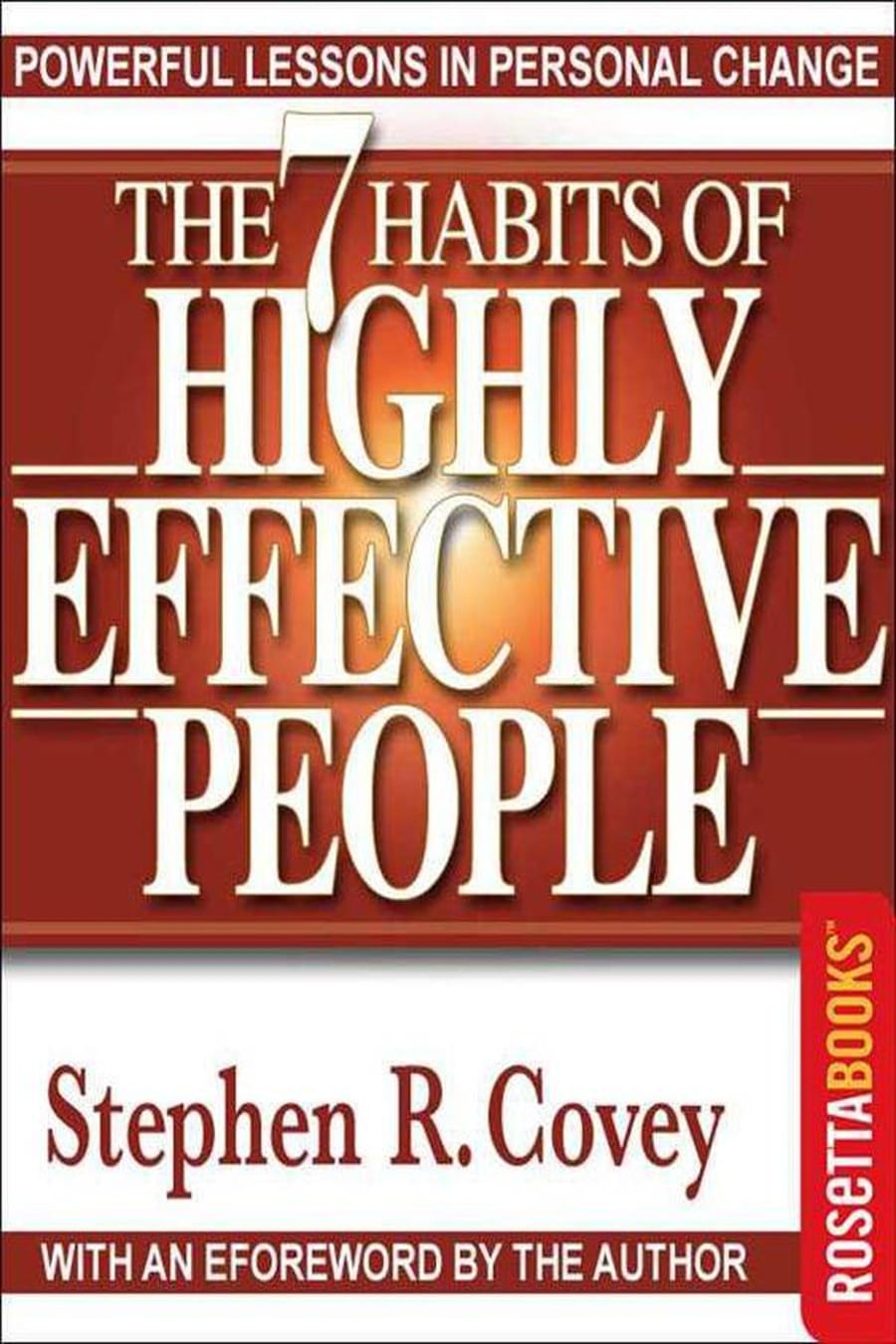
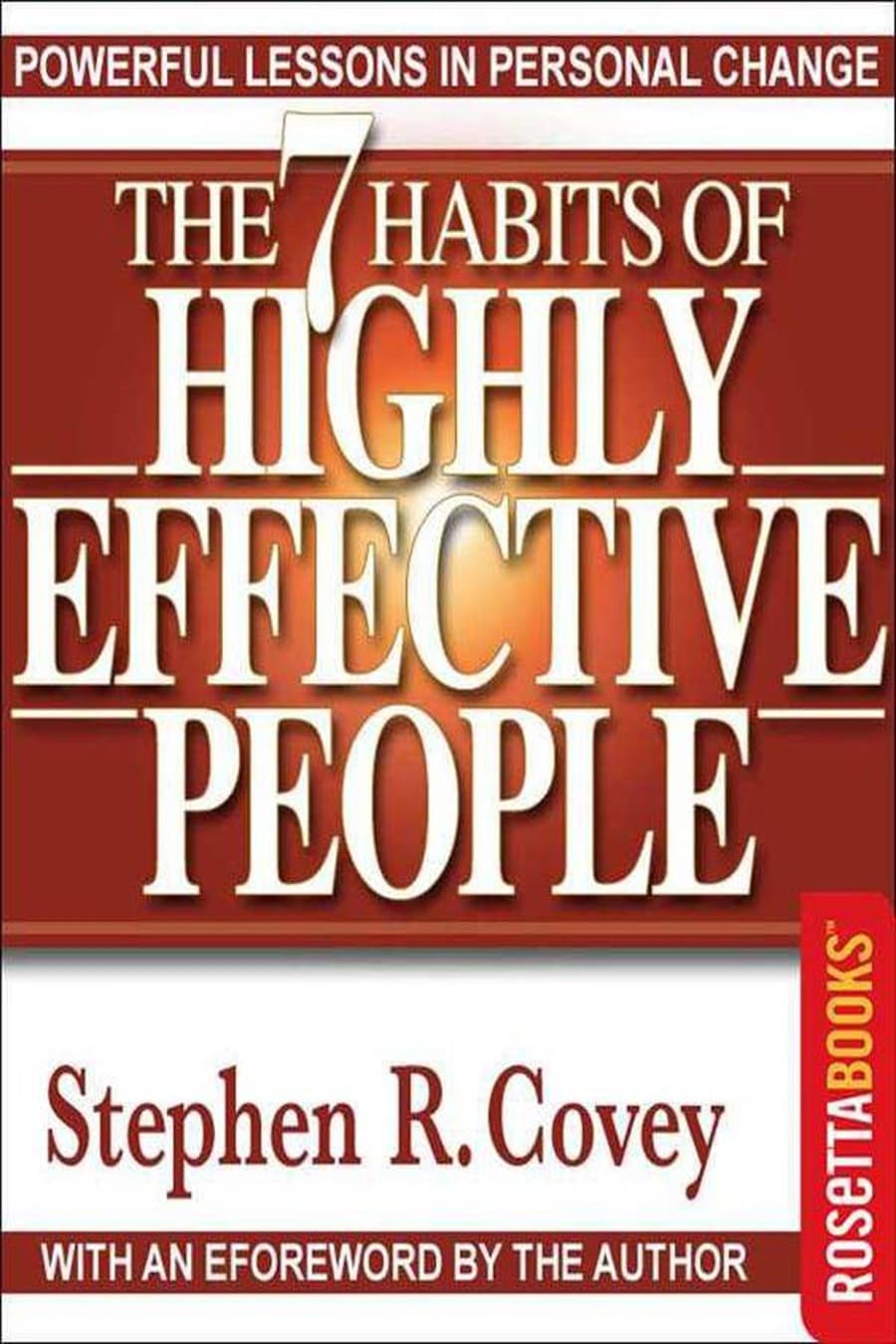
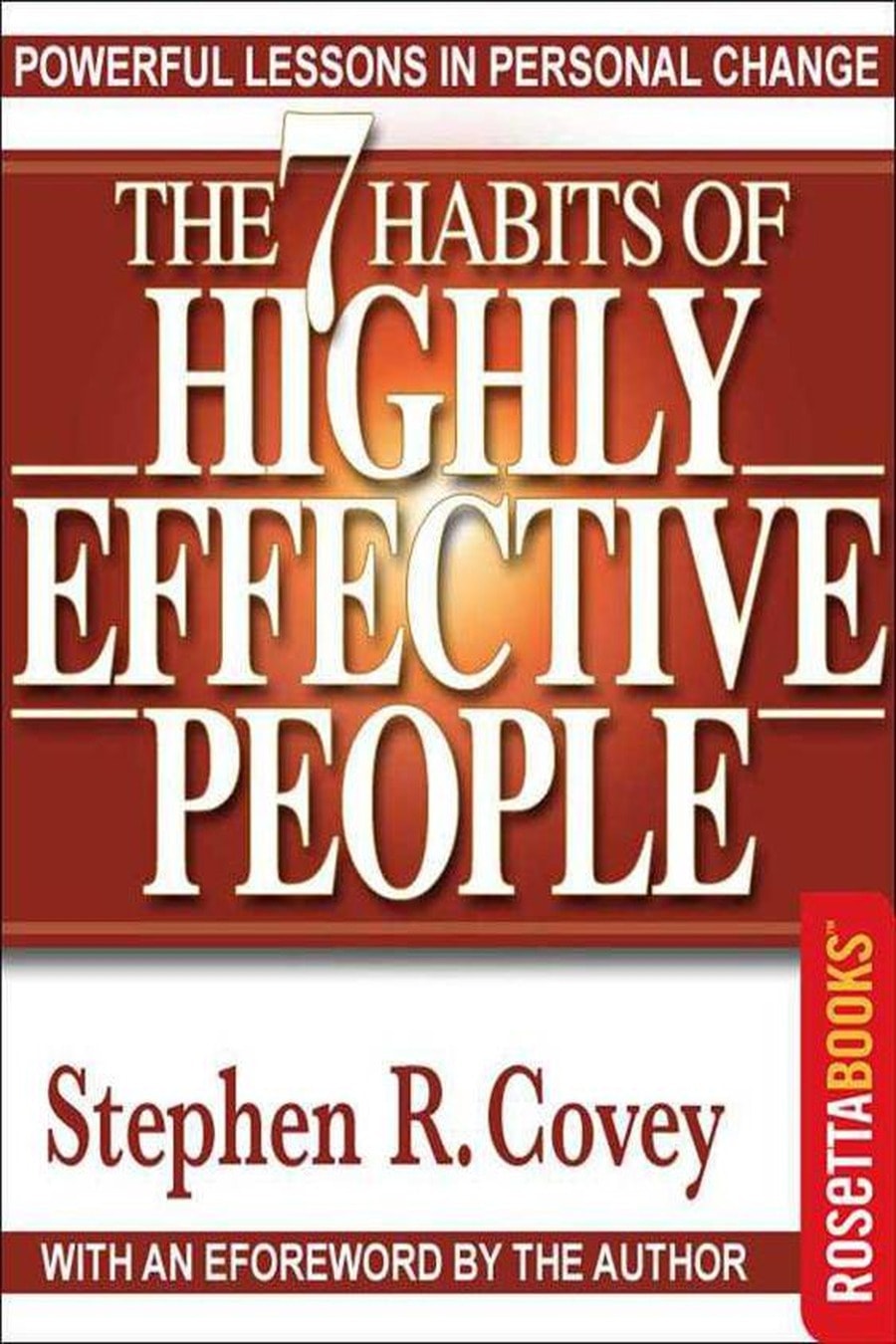
The 7 Habits of Highly Effective People, authored by Stephen R. Covey, is a seminal self-help book that outlines a principle-centered approach for personal and professional effectiveness. Covey emphasizes the importance of character ethics over personality ethics, advocating for a paradigm shift in how individuals perceive their roles and responsibilities in life. The book is structured around seven core habits that promote proactive behavior, goal setting, prioritization, and interdependence, ultimately guiding readers toward a more fulfilling and productive life. This Lexicon distills the key ideas of Covey's work into original prose, making it accessible for readers seeking to implement these transformative principles in their daily lives.
Editions

X-Ray
Author, educator, and management consultant who draws on decades of experience working with individuals, families, and organizations to articulate the seven habits of highly effective people. He frequently uses personal anecdotes from his family life and professional consulting to illustrate principles of character-based effectiveness.
Stephen Covey's wife and partner in parenting, who shares his journey of discovering the limitations of the Personality Ethic and embracing character-based approaches to raising their children.
Austrian psychiatrist and Holocaust survivor whose experiences in Nazi concentration camps led him to discover that the freedom to choose one's response to any circumstance is the ultimate human power. His philosophy of logotherapy—finding meaning in life—profoundly influences Covey's framework.
Stephen Covey's son who serves as an example of visualization and mental rehearsal techniques during his football career, demonstrating how proactive mental preparation enhances performance under pressure.
About The 7 Habits of Highly Effective People (Comprehensive Summary)
Chapter Summaries
- Foreword
- Stephen R. Covey reflects on the remarkable global impact of his book over two decades, noting its translation into 38 languages and over 20 million copies sold. He shares testimonials from diverse readers—from presidents to construction workers—who experienced transformative changes by applying the seven habits. The foreword serves as an invitation for new readers to discover renewed hope, clearer purpose, and more fulfilling relationships.
- Inside-Out
- Covey argues that true excellence requires aligning inner values with outward actions, drawing on his experience with individuals who achieved professional success yet felt empty inside. He shares the story of his own son's struggles, revealing how his and Sandra's underlying perceptions were detrimental to the boy's growth. Through the concepts of expectancy theory and the Pygmalion effect, Covey demonstrates that changing one's internal perceptions is the prerequisite for fostering genuine growth in others and oneself.
- The Personality and Character Ethics
- Covey traces the historical shift in American success literature from the Character Ethic—rooted in integrity, humility, and courage—to the Personality Ethic, which prioritizes outward appearances and social techniques. He illustrates this through his own parenting experience, where reliance on personality-based techniques led to conditional love and damaged self-esteem in his son. When Covey and Sandra shifted to appreciating their son's unique potential rather than molding him for social acceptance, the boy flourished.
Key Themes
- Inside-Out Change
- Covey's foundational argument is that lasting change must begin internally—with one's paradigms, character, and values—before it can manifest externally in relationships and achievements. This principle challenges the prevailing cultural emphasis on quick fixes and external solutions.
- Character Ethic vs. Personality Ethic
- Covey traces a historical shift in American success literature from character-based principles (integrity, humility, courage) to personality-based techniques (social skills, image management, influence tactics), arguing that the latter is superficial and ultimately ineffective for lasting success.
- Principle-Centered Living
- Covey argues that universal, unchanging principles—such as fairness, integrity, human dignity, and service—function like natural laws, and that aligning one's life with these principles is the key to sustainable effectiveness and fulfillment.
Characters
- Stephen R. Covey(narrator)
- Author, educator, and management consultant who draws on decades of experience working with individuals, families, and organizations to articulate the seven habits of highly effective people. He frequently uses personal anecdotes from his family life and professional consulting to illustrate principles of character-based effectiveness.
- Sandra Covey(supporting)
- Stephen Covey's wife and partner in parenting, who shares his journey of discovering the limitations of the Personality Ethic and embracing character-based approaches to raising their children.
- Viktor Frankl(supporting)
- Austrian psychiatrist and Holocaust survivor whose experiences in Nazi concentration camps led him to discover that the freedom to choose one's response to any circumstance is the ultimate human power. His philosophy of logotherapy—finding meaning in life—profoundly influences Covey's framework.
- Sean Covey(supporting)
- Stephen Covey's son who serves as an example of visualization and mental rehearsal techniques during his football career, demonstrating how proactive mental preparation enhances performance under pressure.
- Anwar Sadat(supporting)
- Former president of Egypt who serves as Covey's primary example of rescripting—transforming deeply held beliefs through introspection during imprisonment, ultimately leading to a groundbreaking peace initiative with Israel.
- Mahatma Gandhi(supporting)
- Indian independence leader referenced by Covey as an exemplar of expanding one's Circle of Influence through moral persuasion and grassroots connection rather than aggressive assertion.
Link to this book
Add a free, dofollow link to Lex on your blog, forum, syllabus, or reading list.

<a href="https://lex-books.com/book/the-7-habits-of-highly-effective-people-comprehensive-summary-acacb906-623a-52d8-9e06-bbf8da22686e"><img src="https://lex-books.com/badges/read-on-lex.svg" alt="Read The 7 Habits of Highly Effective People (Comprehensive Summary) by Stephen R. Covey free on Lex" width="160" height="40"></a>[](https://lex-books.com/book/the-7-habits-of-highly-effective-people-comprehensive-summary-acacb906-623a-52d8-9e06-bbf8da22686e)[url=https://lex-books.com/book/the-7-habits-of-highly-effective-people-comprehensive-summary-acacb906-623a-52d8-9e06-bbf8da22686e][img]https://lex-books.com/badges/read-on-lex.svg[/img][/url]Read The 7 Habits of Highly Effective People (Comprehensive Summary) by Stephen R. Covey free on Lex: https://lex-books.com/book/the-7-habits-of-highly-effective-people-comprehensive-summary-acacb906-623a-52d8-9e06-bbf8da22686eCite this book
Reading this edition for a paper or guide? Copy a citation.
Covey, Stephen R.. The 7 Habits of Highly Effective People (Comprehensive Summary). Lex, lex-books.com/book/the-7-habits-of-highly-effective-people-comprehensive-summary-acacb906-623a-52d8-9e06-bbf8da22686e.Covey, S. R. (n.d.). The 7 Habits of Highly Effective People (Comprehensive Summary). Lex. https://lex-books.com/book/the-7-habits-of-highly-effective-people-comprehensive-summary-acacb906-623a-52d8-9e06-bbf8da22686eCovey, Stephen R.. The 7 Habits of Highly Effective People (Comprehensive Summary). Lex. https://lex-books.com/book/the-7-habits-of-highly-effective-people-comprehensive-summary-acacb906-623a-52d8-9e06-bbf8da22686e.