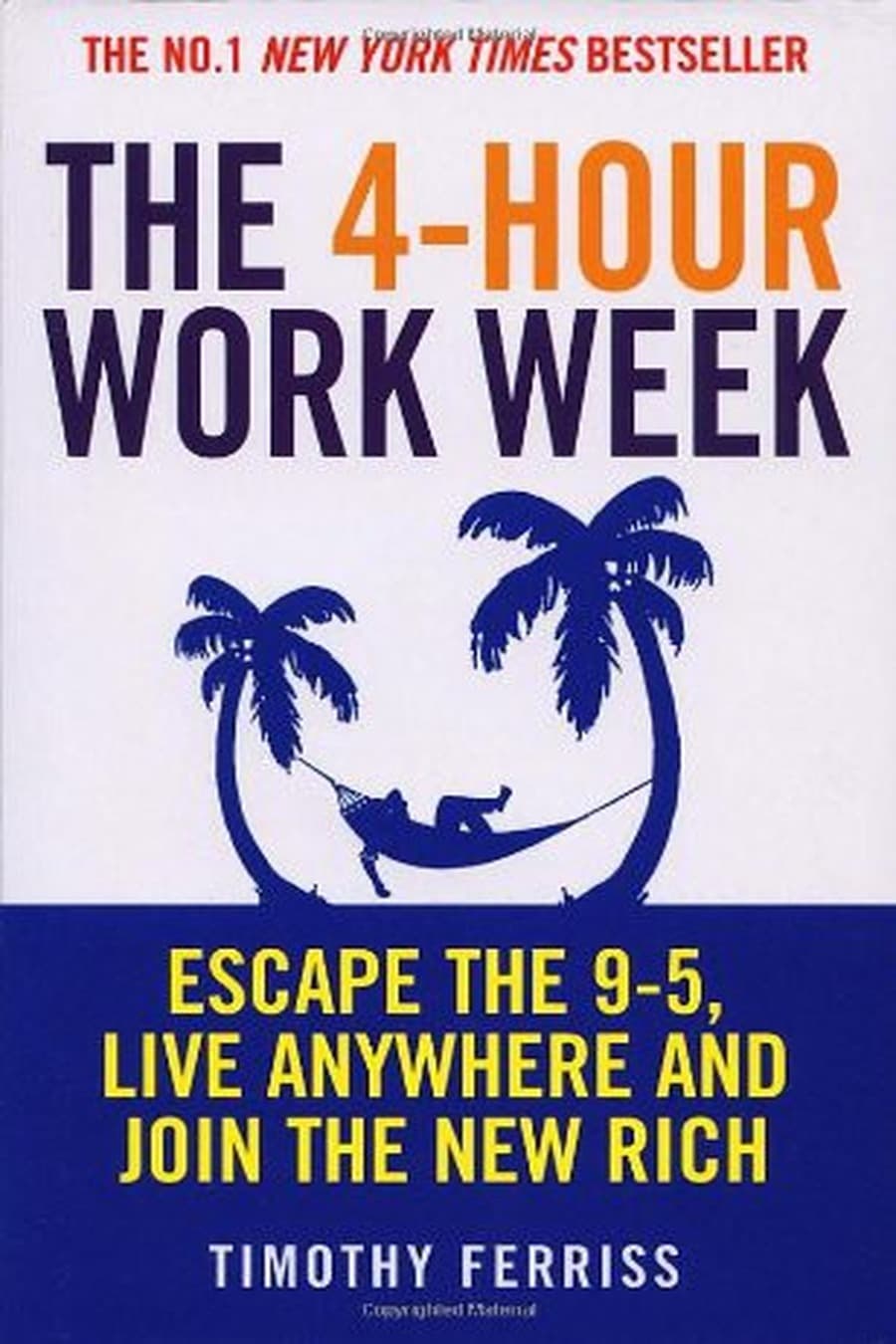
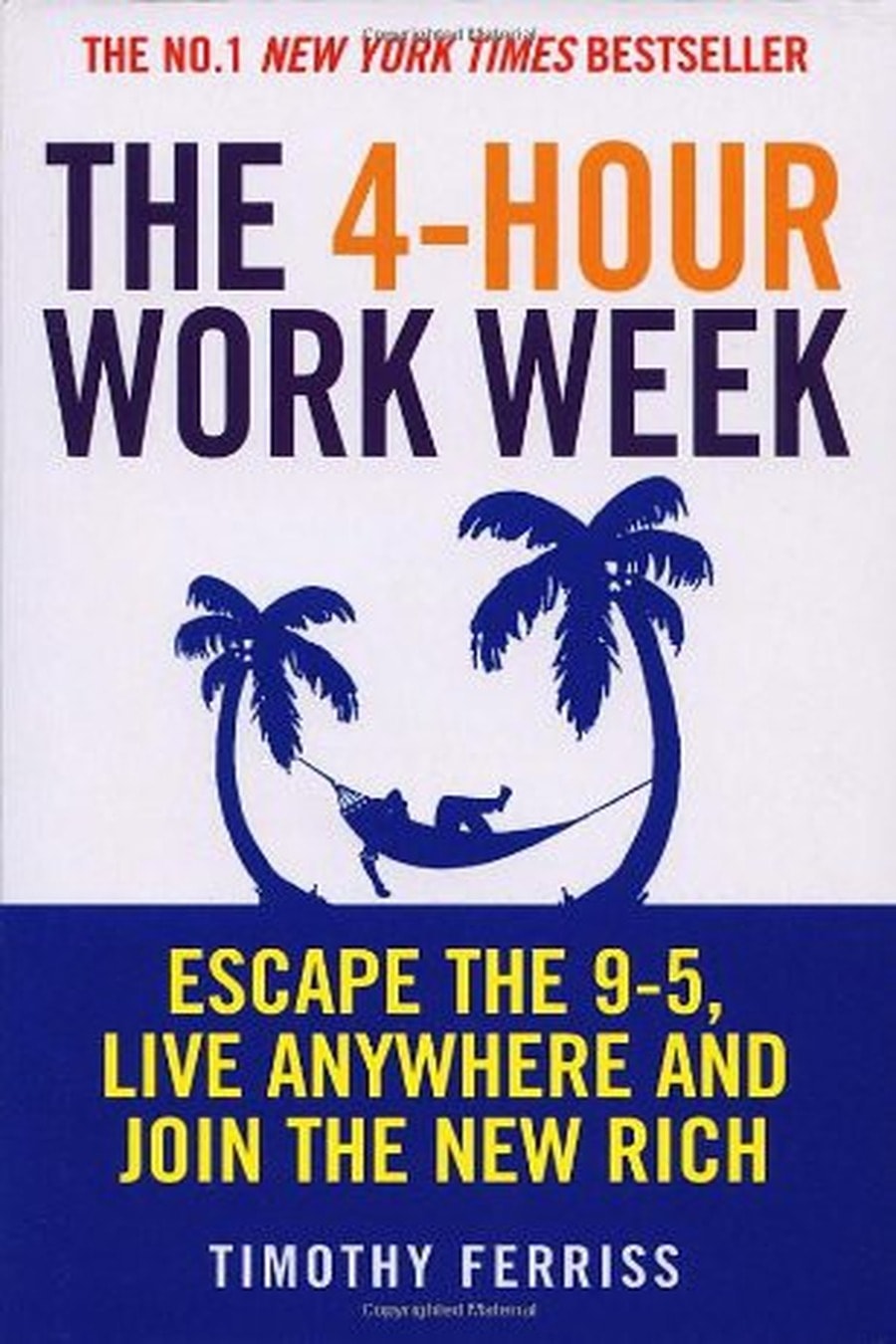
The 4-Hour Workweek , Escape the 9-5, Live Anywhere and Join (Comprehensive Summary)
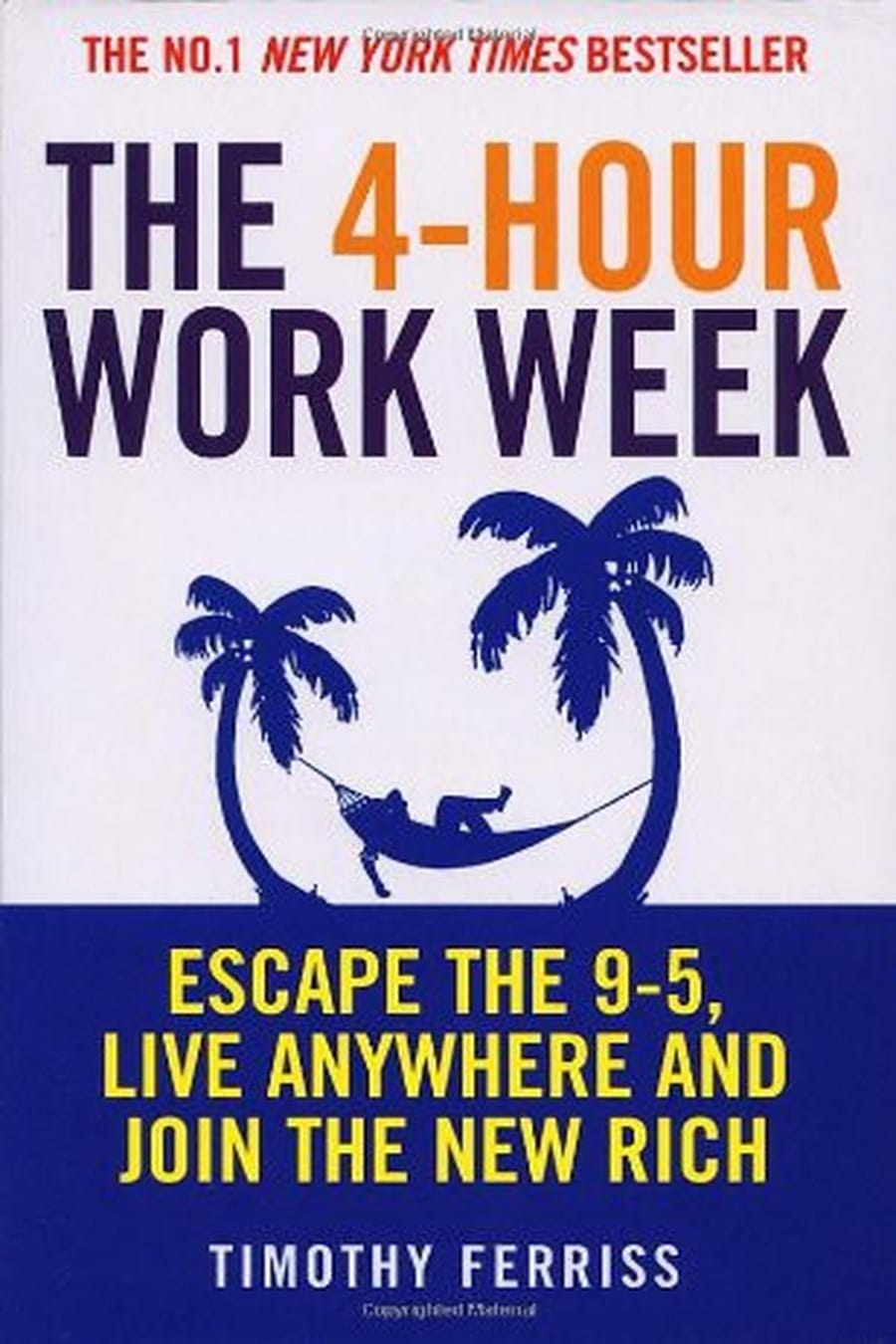
The 4-Hour Workweek , Escape the 9-5, Live Anywhere and Join (Comprehensive Summary)
In 'The 4-Hour Workweek,' Timothy Ferriss challenges traditional notions of work and lifestyle, advocating for a life of freedom and flexibility. The book outlines strategies for outsourcing tasks, automating income, and designing a life that prioritizes personal fulfillment over conventional career paths. Ferriss, an entrepreneur and public speaker, shares his insights on achieving a balance between work and leisure, emphasizing the importance of time management and prioritization. This Lexicon distills the key concepts and actionable advice from the original work into concise, original prose, making it accessible for readers seeking to implement Ferriss's revolutionary ideas.
Editions

X-Ray
The author, entrepreneur, and advocate for lifestyle design, who shares his personal journey and insights to guide readers toward a liberated existence.
A wealthy businessman Ferriss encounters, whose profound dissatisfaction despite financial success serves as a cautionary tale against conventional wealth accumulation.
An Olympic gold medalist who successfully balanced his athletic career with a thriving internet business, exemplifying the integration of passions and entrepreneurship.
A couple who traveled the world with their children on a budget, demonstrating that adventurous lifestyles are achievable for families without immense wealth.
About The 4-Hour Workweek , Escape the 9-5, Live Anywhere and Join (Comprehensive Summary)
Chapter Summaries
- 1
- Timothy Ferriss challenges the conventional 9-to-5 work model, advocating for efficiency, personal freedom, and 'mini-retirements' to integrate rest and adventure throughout life. He introduces outsourcing and the 'New Rich' concept, emphasizing quality of life over quantity of work.
- PREFACE TO THE EXPANDED AND UPDATED EDITION
- Ferriss reflects on the initial skepticism and unexpected global success of his book, which became a bestseller and inspired a lifestyle design movement. He highlights new content in the updated edition, including reader feedback, technologies, and success stories, asserting the book's continued relevance amidst economic challenges.
- FAQ—DOUBTERS READ THIS
- Ferriss addresses common misconceptions, reassuring readers that lifestyle design is accessible to diverse individuals, regardless of their job satisfaction, wealth, age, or marital status. He emphasizes that the goal is freedom over time and location, not necessarily travel, and that success doesn't require financial privilege.
Key Themes
- Efficiency and Productivity
- The book consistently advocates for maximizing output through minimal input, challenging the notion that long hours equate to productivity. Ferriss introduces concepts like the 80/20 Principle, Parkinson's Law, and elimination of busywork to help individuals focus on high-impact tasks and achieve significant results in less time.
- Lifestyle Design and Personal Freedom
- A core theme is the deliberate creation of a life that aligns with personal values and desires, rather than conforming to societal norms. Ferriss emphasizes prioritizing time, mobility, and experiences over traditional financial wealth, encouraging readers to actively design their ideal existence.
- Challenging Societal Norms
- Ferriss critiques conventional wisdom surrounding work, success, and retirement, urging readers to question established rules and self-imposed limitations. He redefines success based on quality of life and fulfillment, rather than job titles or accumulated wealth.
Characters
- Timothy Ferriss(narrator)
- The author, entrepreneur, and advocate for lifestyle design, who shares his personal journey and insights to guide readers toward a liberated existence.
- Mark(supporting)
- A wealthy businessman Ferriss encounters, whose profound dissatisfaction despite financial success serves as a cautionary tale against conventional wealth accumulation.
- Dale Begg-Smith(supporting)
- An Olympic gold medalist who successfully balanced his athletic career with a thriving internet business, exemplifying the integration of passions and entrepreneurship.
- Julie and Marc(supporting)
- A couple who traveled the world with their children on a budget, demonstrating that adventurous lifestyles are achievable for families without immense wealth.
- Hans Keeling(supporting)
- A former attorney who left his corporate job after a transformative paragliding experience, illustrating the power of confronting fears and personal reinvention.
- Sherwood(supporting)
- An aspiring entrepreneur who micro-tested the market for French sailor shirts, serving as a case study for validating business ideas.
Link to this book
Add a free, dofollow link to Lex on your blog, forum, syllabus, or reading list.

<a href="https://lex-books.com/book/the-4-hour-workweek-escape-the-9-5-live-anywhere-and-join-comprehensive-summary-54770527-ccca-5ddc-b96a-0e7f9fa253bd"><img src="https://lex-books.com/badges/read-on-lex.svg" alt="Read The 4-Hour Workweek , Escape the 9-5, Live Anywhere and Join (Comprehensive Summary) by Timothy Ferriss free on Lex" width="160" height="40"></a>[](https://lex-books.com/book/the-4-hour-workweek-escape-the-9-5-live-anywhere-and-join-comprehensive-summary-54770527-ccca-5ddc-b96a-0e7f9fa253bd)[url=https://lex-books.com/book/the-4-hour-workweek-escape-the-9-5-live-anywhere-and-join-comprehensive-summary-54770527-ccca-5ddc-b96a-0e7f9fa253bd][img]https://lex-books.com/badges/read-on-lex.svg[/img][/url]Read The 4-Hour Workweek , Escape the 9-5, Live Anywhere and Join (Comprehensive Summary) by Timothy Ferriss free on Lex: https://lex-books.com/book/the-4-hour-workweek-escape-the-9-5-live-anywhere-and-join-comprehensive-summary-54770527-ccca-5ddc-b96a-0e7f9fa253bdCite this book
Reading this edition for a paper or guide? Copy a citation.
Ferriss, Timothy. The 4-Hour Workweek , Escape the 9-5, Live Anywhere and Join (Comprehensive Summary). Lex, lex-books.com/book/the-4-hour-workweek-escape-the-9-5-live-anywhere-and-join-comprehensive-summary-54770527-ccca-5ddc-b96a-0e7f9fa253bd.Ferriss, T. (n.d.). The 4-Hour Workweek , Escape the 9-5, Live Anywhere and Join (Comprehensive Summary). Lex. https://lex-books.com/book/the-4-hour-workweek-escape-the-9-5-live-anywhere-and-join-comprehensive-summary-54770527-ccca-5ddc-b96a-0e7f9fa253bdFerriss, Timothy. The 4-Hour Workweek , Escape the 9-5, Live Anywhere and Join (Comprehensive Summary). Lex. https://lex-books.com/book/the-4-hour-workweek-escape-the-9-5-live-anywhere-and-join-comprehensive-summary-54770527-ccca-5ddc-b96a-0e7f9fa253bd.