Sapiens (Comprehensive Summary)
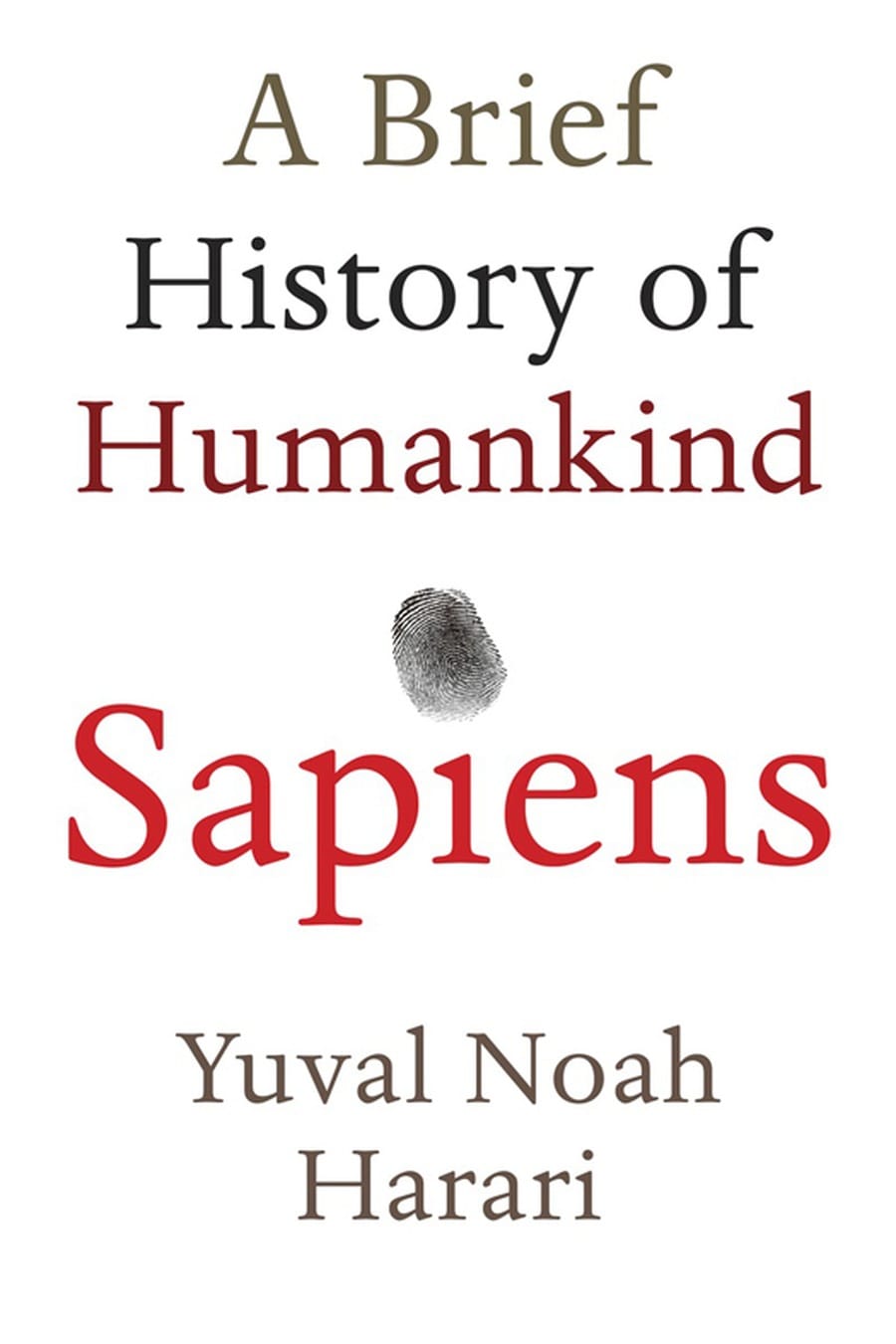
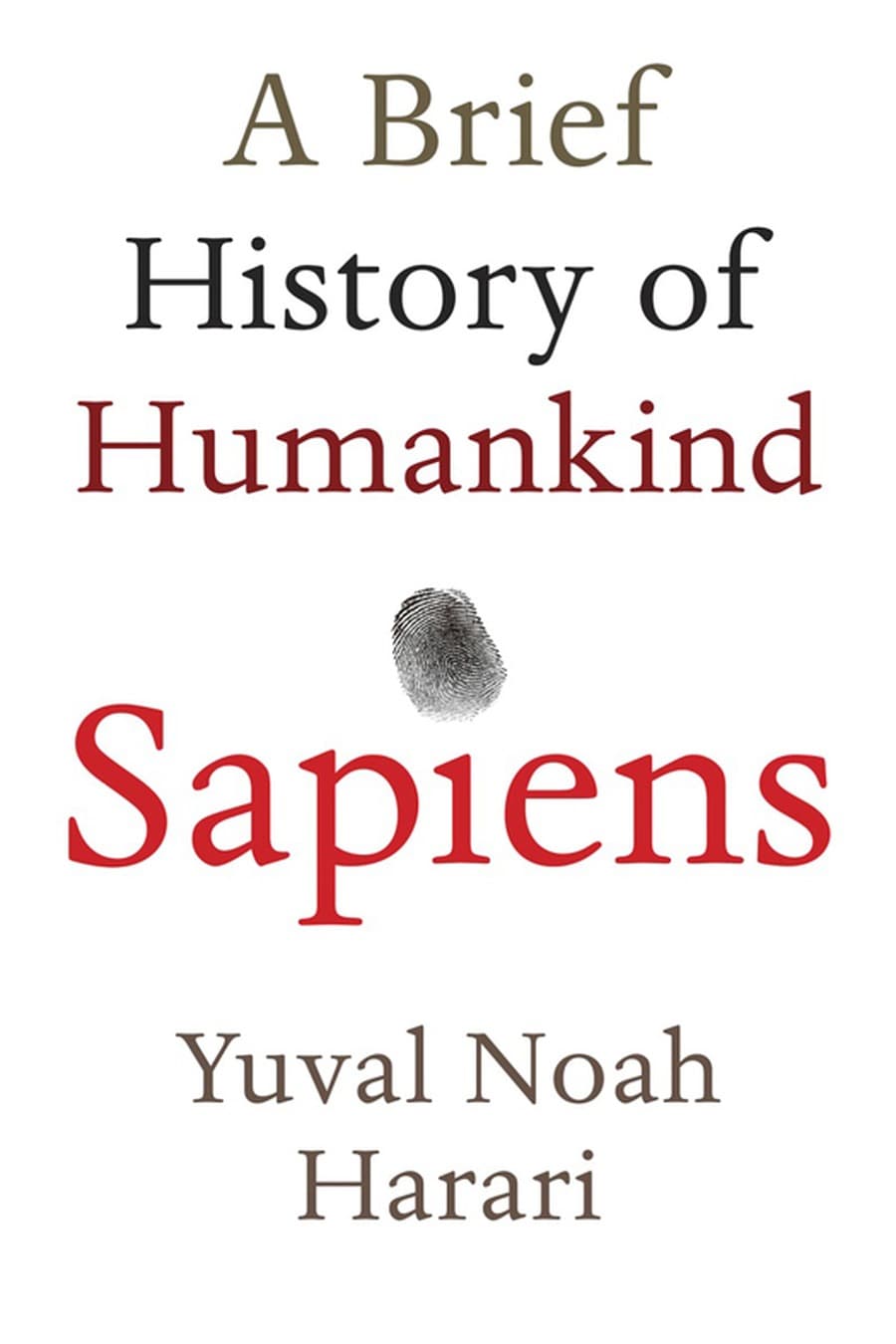
Sapiens: A Brief History of Humankind, authored by Yuval Noah Harari, explores the evolution of Homo sapiens from the Stone Age to the modern era. Harari examines how cognitive, agricultural, and scientific revolutions have shaped human societies, cultures, and economies. The book delves into the impact of shared myths, social structures, and technological advancements on our species' development. This Lexicon distills the key ideas of Harari's work into original prose, providing a concise overview of its significance in understanding human history and our place in the world.
Editions

X-Ray
The author and narrator who provides a comprehensive overview and critical analysis of human history.
The central subject of the book, whose unique trajectory, cognitive abilities, and societal evolution are explored from prehistoric times to the potential future.
An extinct human species that coexisted with Homo sapiens, serving as a point of comparison for cognitive and social development.
An ancient civilization in Mesopotamia credited with developing early forms of writing for administrative purposes.
About Sapiens (Comprehensive Summary)
Chapter Summaries
- 1
- This chapter introduces Homo sapiens' unique trajectory, emphasizing the Cognitive Revolution (70,000 years ago) which enabled complex language, abstract ideas, and large-group cooperation through 'imagined orders.' It also critically examines the Agricultural Revolution's impact, suggesting it decreased quality of life despite fostering settled communities and new technologies.
- 2
- Delving deeper into the Cognitive Revolution, Harari posits that the ability to create and believe in 'shared myths' (religions, ideologies, economic systems) distinguishes Homo sapiens and enables large-scale cooperation beyond kinship. Language is presented as the vehicle for these myths, which also facilitated the emergence of social hierarchies and both cooperation and conflict.
- 3
- Harari presents a chronological timeline of the universe and Homo sapiens, from the Big Bang to the present, highlighting key milestones like the Cognitive Revolution (70,000 years ago) and the Agricultural Revolution (12,000 years ago). The chapter traces the development of complex societies, writing, money, empires, and the Scientific Revolution, concluding with reflections on humanity's potential future shaped by intelligent design.
Key Themes
- The Power of Imagined Orders
- Harari argues that shared myths, collective beliefs, and fictions (such as religion, nationalism, money, and corporations) are not tangible but are crucial constructs that enable large-scale human cooperation and the formation of complex societies. These imagined orders bind strangers together, shaping human behavior and societal organization by creating shared realities.
- The Ambivalence of Progress
- The book critically examines major historical revolutions (Cognitive, Agricultural, Scientific, Industrial), suggesting that while they led to increased human power and population, they often did not improve individual quality of life, leading to unforeseen hardships, inequalities, and ecological damage. Progress is presented as a complex, often double-edged sword, where advancements for the species often came at the cost of individual well-being or other species.
- Humanity's Ecological Impact
- Harari consistently highlights Homo sapiens' profound and often destructive impact on the environment, from the extinctions caused by early hunter-gatherers to the widespread degradation resulting from agricultural and industrial revolutions. He frames humanity as the most destructive species in terms of biodiversity loss, urging a reevaluation of humanity's relationship with nature.
Characters
- Yuval Noah Harari(narrator)
- The author and narrator who provides a comprehensive overview and critical analysis of human history.
- Homo sapiens(protagonist)
- The central subject of the book, whose unique trajectory, cognitive abilities, and societal evolution are explored from prehistoric times to the potential future.
- Neanderthals(supporting)
- An extinct human species that coexisted with Homo sapiens, serving as a point of comparison for cognitive and social development.
- Sumerians(supporting)
- An ancient civilization in Mesopotamia credited with developing early forms of writing for administrative purposes.
- Adam Smith(supporting)
- An influential economic theorist whose ideas on individual profit-seeking and collective prosperity became foundational to capitalism.
- Captain James Cook(supporting)
- An 18th-century explorer whose scientific expeditions exemplified the intertwining of scientific pursuit and imperial ambitions.
Link to this book
Add a free, dofollow link to Lex on your blog, forum, syllabus, or reading list.

<a href="https://lex-books.com/book/sapiens-comprehensive-summary-6881ae10-237a-5508-946d-271ea7291a31"><img src="https://lex-books.com/badges/read-on-lex.svg" alt="Read Sapiens (Comprehensive Summary) by Yuval Noah Harari free on Lex" width="160" height="40"></a>[](https://lex-books.com/book/sapiens-comprehensive-summary-6881ae10-237a-5508-946d-271ea7291a31)[url=https://lex-books.com/book/sapiens-comprehensive-summary-6881ae10-237a-5508-946d-271ea7291a31][img]https://lex-books.com/badges/read-on-lex.svg[/img][/url]Read Sapiens (Comprehensive Summary) by Yuval Noah Harari free on Lex: https://lex-books.com/book/sapiens-comprehensive-summary-6881ae10-237a-5508-946d-271ea7291a31Cite this book
Reading this edition for a paper or guide? Copy a citation.
Harari, Yuval Noah. Sapiens (Comprehensive Summary). Lex, lex-books.com/book/sapiens-comprehensive-summary-6881ae10-237a-5508-946d-271ea7291a31.Harari, Y. N. (n.d.). Sapiens (Comprehensive Summary). Lex. https://lex-books.com/book/sapiens-comprehensive-summary-6881ae10-237a-5508-946d-271ea7291a31Harari, Yuval Noah. Sapiens (Comprehensive Summary). Lex. https://lex-books.com/book/sapiens-comprehensive-summary-6881ae10-237a-5508-946d-271ea7291a31.