Rose
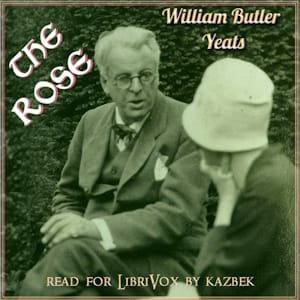
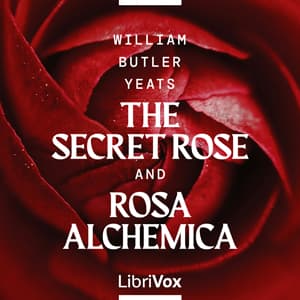
Yeats' second collection is a fever dream of Irish mythology and longing, built around the rose as a symbol of everything slipping away. Written in his twenties, these poems pulse with the Celtic Twilight's melancholic beauty, where ancient legends haunt the present and love is always a little out of reach. The collection includes 'The Lake Isle of Innisfree,' that unforgettable fantasy of escape to a cabin nine bean-rows and a hive for the honey-bee, but the book is far more than that one poem. Yeats weaves Irish folklore, political yearning, and obsessive desire for the unavailable Maud Gonne into verses that ache with sensory precision and verbal music. The rose here is Ireland idealized, beauty itself, and the woman who would never love him back, all tangled together in imagery of thorns, blood, and transcendence. This is the young Yeats: romantic, mystical, already mastering a voice that would grow into the twentieth century's greatest poetic authority.
Editions

Link to this book
Add a free, dofollow link to Lex on your blog, forum, syllabus, or reading list.

<a href="https://lex-books.com/book/rose-2478f15f-1074-448e-a393-4697321c0798"><img src="https://lex-books.com/badges/read-on-lex.svg" alt="Read Rose by William Butler Yeats free on Lex" width="160" height="40"></a>[](https://lex-books.com/book/rose-2478f15f-1074-448e-a393-4697321c0798)[url=https://lex-books.com/book/rose-2478f15f-1074-448e-a393-4697321c0798][img]https://lex-books.com/badges/read-on-lex.svg[/img][/url]Read Rose by William Butler Yeats free on Lex: https://lex-books.com/book/rose-2478f15f-1074-448e-a393-4697321c0798Cite this book
Reading this edition for a paper or guide? Copy a citation.
Yeats, William Butler. Rose. Lex, lex-books.com/book/rose-2478f15f-1074-448e-a393-4697321c0798.Yeats, W. B. (n.d.). Rose. Lex. https://lex-books.com/book/rose-2478f15f-1074-448e-a393-4697321c0798Yeats, William Butler. Rose. Lex. https://lex-books.com/book/rose-2478f15f-1074-448e-a393-4697321c0798.