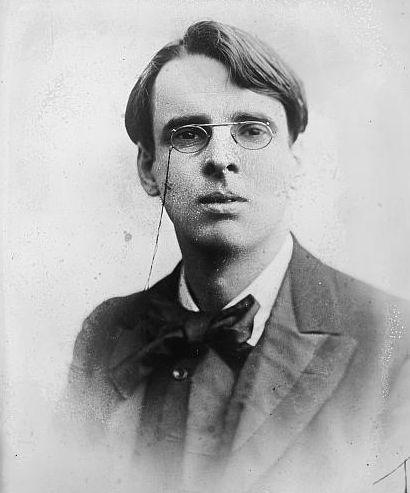
William Butler Yeats
William Butler Yeats was an Irish poet, playwright, and one of the foremost figures of 20th-century literature. Born in Dublin, he was deeply influenced by the Irish nationalist movement and the mystical traditions of his homeland. Yeats's early work was characterized by romanticism and a fascination with folklore, as seen in collections like 'The Wanderings of Oisin' and 'The Rose.' As his career progressed, his poetry evolved to reflect a more modernist style, grappling with themes of aging, love, and the complexities of identity, notably in works such as 'The Tower' and 'Last Poems.' Yeats's literary significance extends beyond his own writings; he was instrumental in the Irish Literary Revival and co-founded the Abbey Theatre, which became a crucial platform for Irish drama. His exploration of the intersection between art and politics, as well as his engagement with the occult, set him apart from his contemporaries. Awarded the Nobel Prize in Literature in 1923, Yeats's legacy endures as a profound influence on subsequent generations of poets and writers, establishing him as a central figure in both Irish and global literary traditions.
Famous Quotes
View all 20 quotes“Education is not the filling of a pail, but the lighting of a fire.””
“Come away, O human child!To the waters and the wildWith a faery, hand in hand,For the world's more full of weeping than you can understand.””
“Faeries, come take me out of this dull world,For I would ride with you upon the wind,Run on the top of the dishevelled tide,And dance upon the mountains like a flame.””
Books from the author
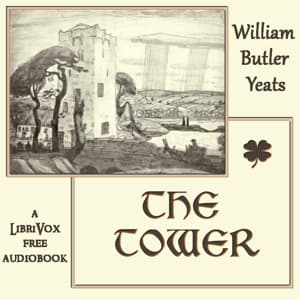









Link to this page
Add a free, dofollow link to Lex on your blog, forum, syllabus, or reading list.

<a href="https://lex-books.com/author/william-butler-yeats"><img src="https://lex-books.com/badges/read-on-lex.svg" alt="William Butler Yeats on Lex" width="160" height="40"></a>[](https://lex-books.com/author/william-butler-yeats)[url=https://lex-books.com/author/william-butler-yeats][img]https://lex-books.com/badges/read-on-lex.svg[/img][/url]William Butler Yeats on Lex: https://lex-books.com/author/william-butler-yeats