Rich Dad Poor Dad (Comprehensive Summary)
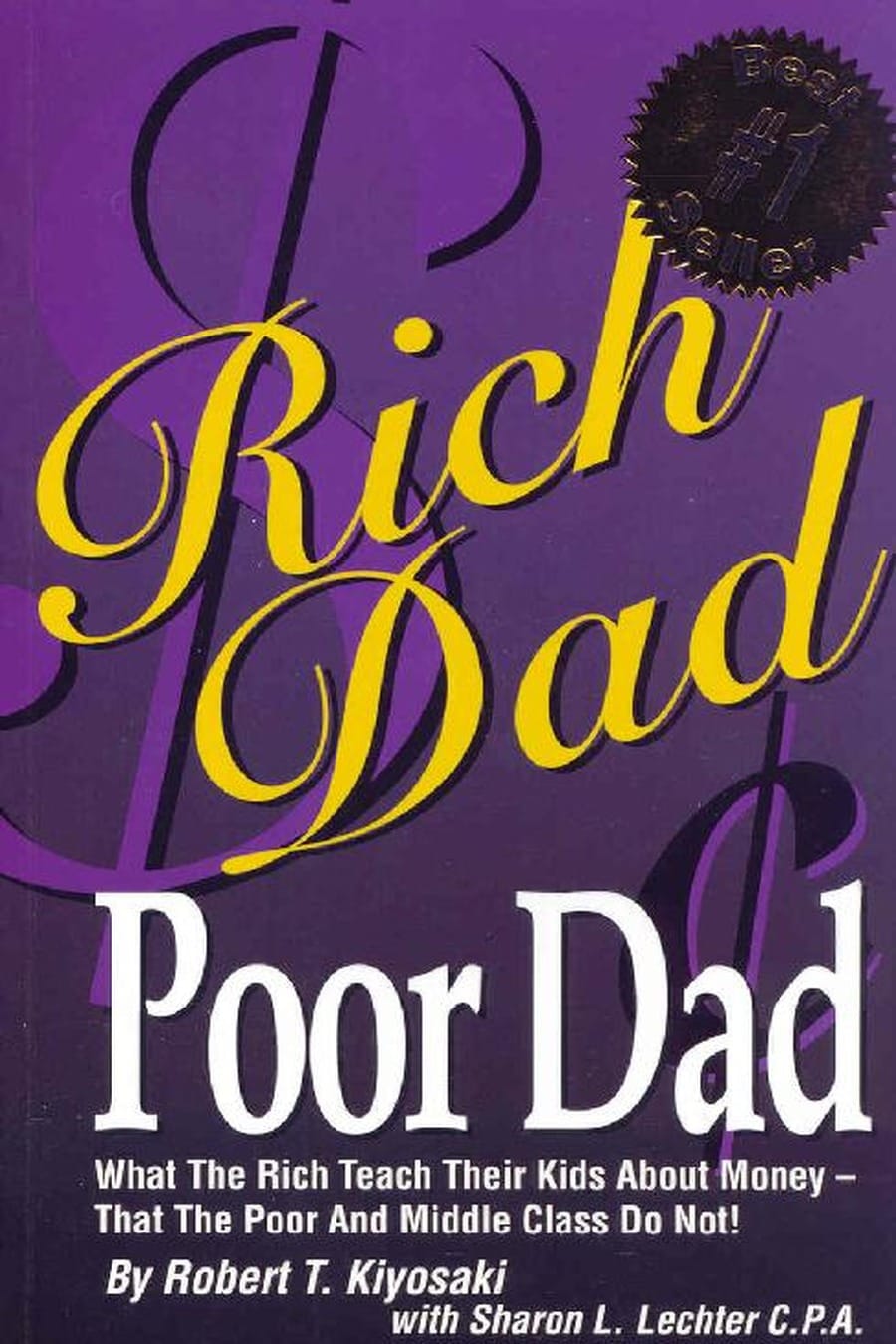
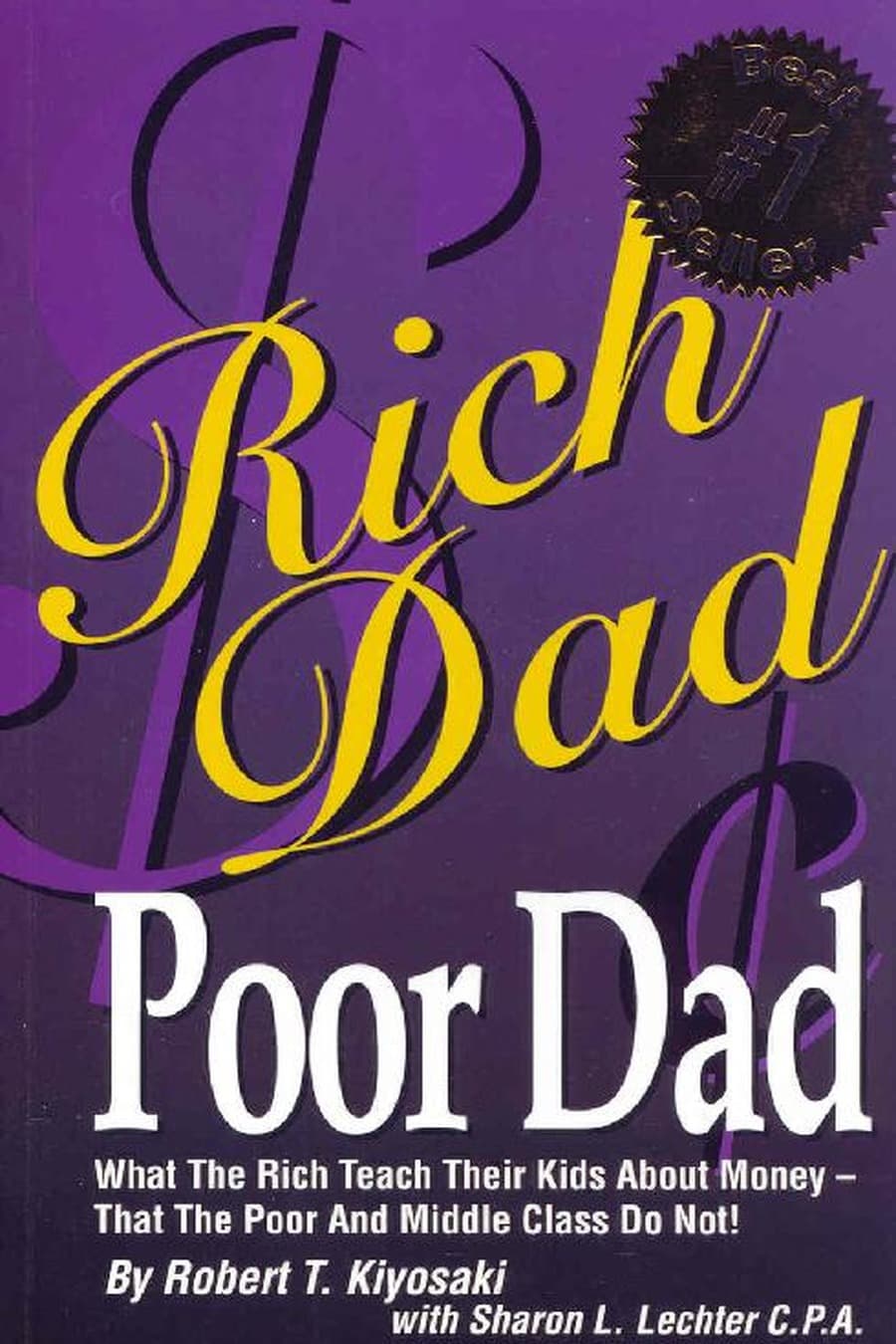
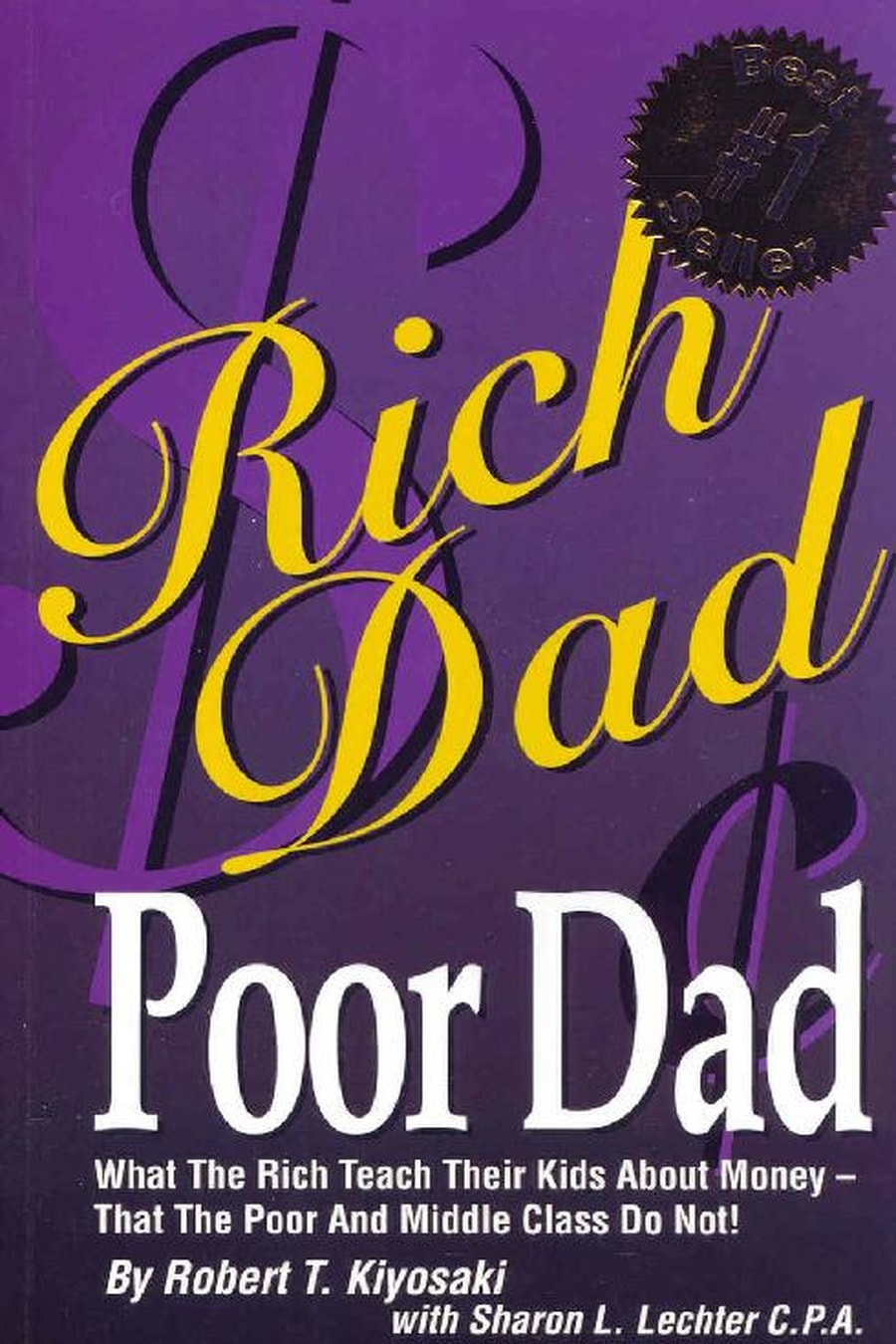
In 'Rich Dad Poor Dad,' Robert Kiyosaki shares the contrasting financial philosophies of his two father figures: his biological father (Poor Dad) and his best friend's father (Rich Dad). Through personal anecdotes and practical lessons, Kiyosaki emphasizes the importance of financial literacy, investing, and entrepreneurship over traditional employment. The book challenges conventional beliefs about money and advocates for a mindset shift towards wealth-building strategies. This Lexicon distills the key concepts and insights from Kiyosaki's work into concise prose, making it easier for readers to grasp essential financial principles.
Editions

X-Ray
The author and protagonist whose personal financial journey, shaped by two contrasting father figures, forms the core narrative of the book.
Robert Kiyosaki's highly educated biological father, who embodies traditional financial wisdom focused on job security and academic achievement, yet struggles financially.
Mike's father and Robert Kiyosaki's mentor, a successful businessman with little formal education who teaches Robert unconventional principles of wealth creation and financial independence.
Robert Kiyosaki's childhood friend and business partner, who also learns from his father (Rich Dad) and eventually takes over his business empire.
About Rich Dad Poor Dad (Comprehensive Summary)
Chapter Summaries
- Introduction
- Robert Kiyosaki introduces the book by critiquing traditional education's failure to prepare individuals for financial success, contrasting his parents' emphasis on academic achievement with the insights gained from his 'Rich Dad'. He highlights the disillusionment with job security and the growing need for financial literacy in a changing economic landscape, setting the stage for exploring alternative financial education through concepts like the 'Rat Race' and 'Fast Track'.
- 1
- Kiyosaki introduces his two father figures, 'Poor Dad' (his highly educated biological father) and 'Rich Dad' (his friend Mike's wealthy, uneducated father), whose contrasting philosophies on money and success form the foundation of his financial education. He emphasizes that financial literacy is often neglected in formal schooling and highlights the critical difference in mindset: Poor Dad's defeatist 'I can't afford it' versus Rich Dad's proactive 'How can I afford it?'.
- 2
- Kiyosaki recounts his childhood desire for wealth, leading him and Mike to seek mentorship from Rich Dad, who teaches them about money through experience rather than lectures. They learn that true financial education involves understanding emotions like fear and desire, and that the rich do not work for money but rather make money work for them, contrasting this with the 'Rat Race' where people are trapped by fear of insecurity.
Key Themes
- Financial Literacy vs. Traditional Education
- The book critically examines how conventional schooling fails to prepare individuals for real-world financial success, advocating instead for practical financial education that teaches about money management, investing, and debt. It contrasts the academic intelligence valued by 'Poor Dad' with the financial intelligence championed by 'Rich Dad'.
- Assets vs. Liabilities
- A foundational theme, Kiyosaki meticulously defines and differentiates assets (things that put money in your pocket) from liabilities (things that take money out of your pocket). He argues that understanding this distinction is crucial for building wealth, as many people mistakenly acquire liabilities while believing them to be assets.
- Mindset and Psychology of Money
- The book emphasizes that one's attitude and beliefs about money significantly influence financial outcomes. It explores how emotions like fear, greed, cynicism, and arrogance can hinder wealth creation, while a proactive, opportunity-focused mindset is essential for financial success.
Characters
- Robert Kiyosaki(narrator)
- The author and protagonist whose personal financial journey, shaped by two contrasting father figures, forms the core narrative of the book.
- Poor Dad(supporting)
- Robert Kiyosaki's highly educated biological father, who embodies traditional financial wisdom focused on job security and academic achievement, yet struggles financially.
- Rich Dad(supporting)
- Mike's father and Robert Kiyosaki's mentor, a successful businessman with little formal education who teaches Robert unconventional principles of wealth creation and financial independence.
- Mike(supporting)
- Robert Kiyosaki's childhood friend and business partner, who also learns from his father (Rich Dad) and eventually takes over his business empire.
- Michael(supporting)
- Robert Kiyosaki's wife, who shares his disillusionment with traditional career paths and seeks financial security.
- Ray Kroc(supporting)
- The founder of McDonald's, whose anecdote about real estate being his true business is used to illustrate the importance of understanding underlying assets.
Link to this book
Add a free, dofollow link to Lex on your blog, forum, syllabus, or reading list.

<a href="https://lex-books.com/book/rich-dad-poor-dad-comprehensive-summary-0a14ba53-f68e-587b-a3f6-7eced51c7d7a"><img src="https://lex-books.com/badges/read-on-lex.svg" alt="Read Rich Dad Poor Dad (Comprehensive Summary) by Robert Kiyosaki free on Lex" width="160" height="40"></a>[](https://lex-books.com/book/rich-dad-poor-dad-comprehensive-summary-0a14ba53-f68e-587b-a3f6-7eced51c7d7a)[url=https://lex-books.com/book/rich-dad-poor-dad-comprehensive-summary-0a14ba53-f68e-587b-a3f6-7eced51c7d7a][img]https://lex-books.com/badges/read-on-lex.svg[/img][/url]Read Rich Dad Poor Dad (Comprehensive Summary) by Robert Kiyosaki free on Lex: https://lex-books.com/book/rich-dad-poor-dad-comprehensive-summary-0a14ba53-f68e-587b-a3f6-7eced51c7d7aCite this book
Reading this edition for a paper or guide? Copy a citation.
Kiyosaki, Robert. Rich Dad Poor Dad (Comprehensive Summary). Lex, lex-books.com/book/rich-dad-poor-dad-comprehensive-summary-0a14ba53-f68e-587b-a3f6-7eced51c7d7a.Kiyosaki, R. (n.d.). Rich Dad Poor Dad (Comprehensive Summary). Lex. https://lex-books.com/book/rich-dad-poor-dad-comprehensive-summary-0a14ba53-f68e-587b-a3f6-7eced51c7d7aKiyosaki, Robert. Rich Dad Poor Dad (Comprehensive Summary). Lex. https://lex-books.com/book/rich-dad-poor-dad-comprehensive-summary-0a14ba53-f68e-587b-a3f6-7eced51c7d7a.