Predictably Irrational (Comprehensive Summary)
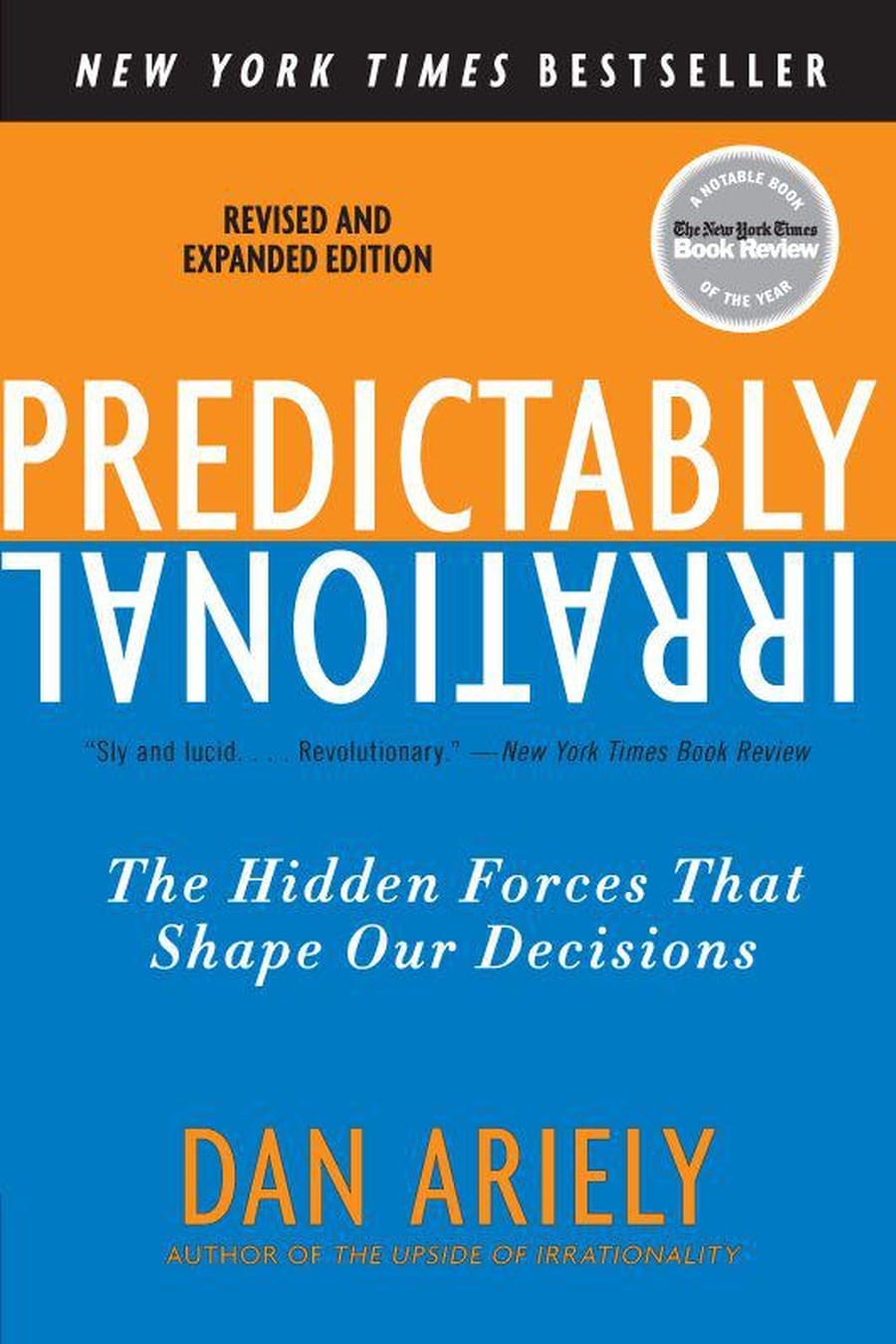
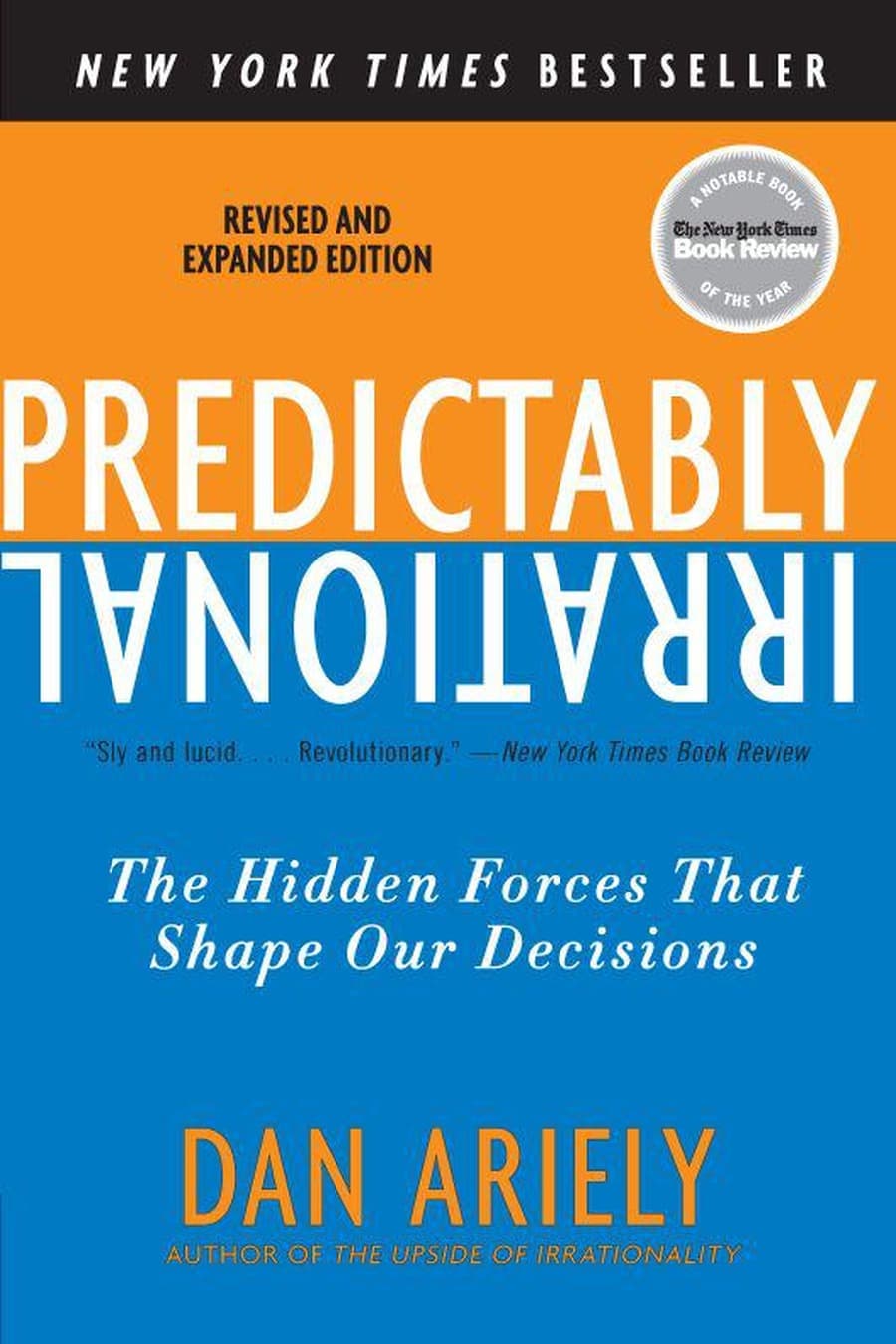
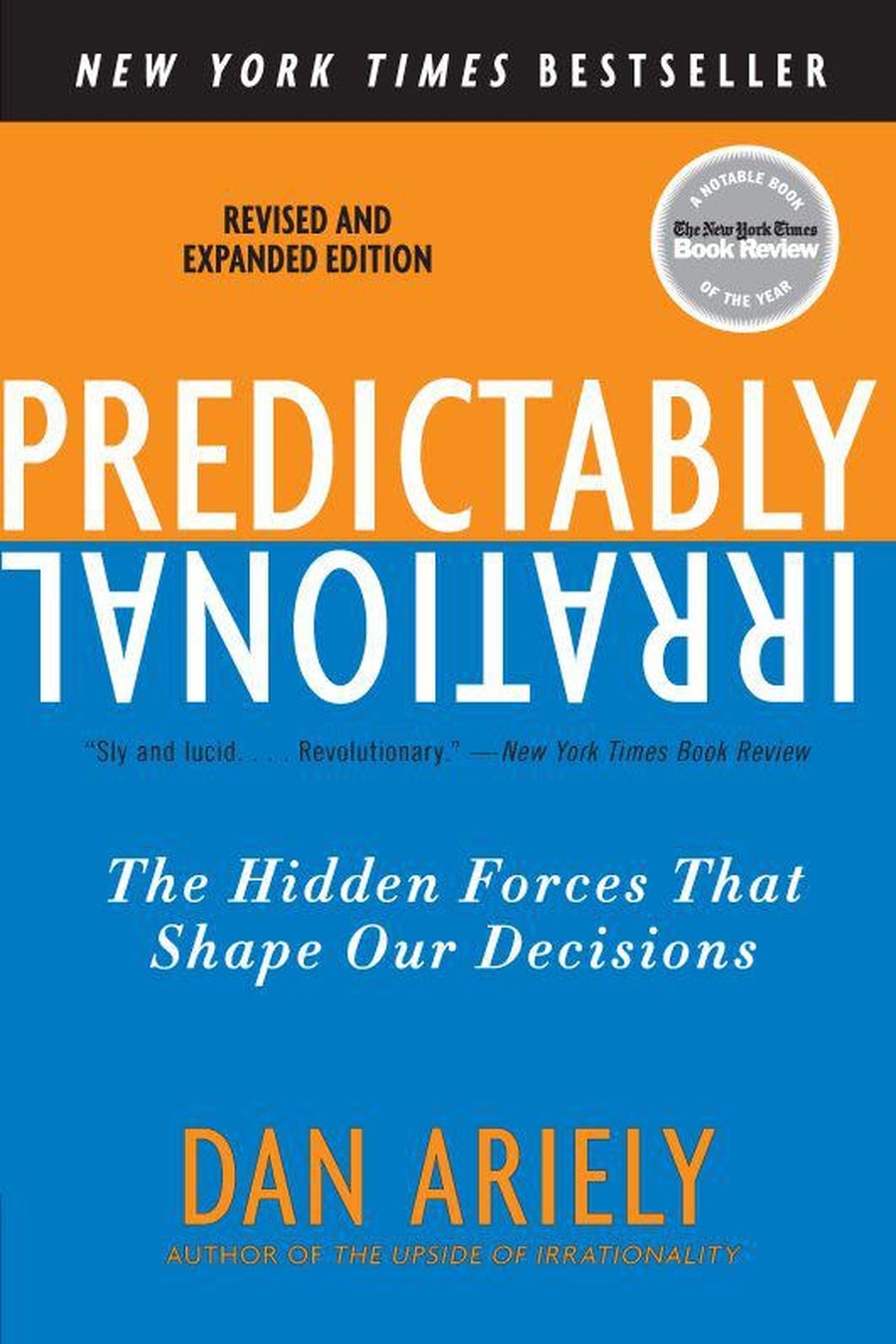
In 'Predictably Irrational,' Dan Ariely explores the hidden forces that shape our decisions, revealing how our irrational behaviors often contradict our best interests. Through a series of engaging experiments, Ariely illustrates how factors such as emotions, social norms, and expectations influence our choices in ways we are largely unaware of. The book challenges the traditional economic assumption that humans are rational actors, emphasizing the significance of understanding these irrationalities in both personal and societal contexts. This Lexicon distills the key ideas from Ariely's work into original prose, providing readers with a concise yet comprehensive overview of his insights into human behavior.
Editions

X-Ray
The author and a behavioral economist who uses personal experiences and meticulously designed experiments to illustrate systematic human irrationality.
About Predictably Irrational (Comprehensive Summary)
Chapter Summaries
- 1
- Dan Ariely introduces the concept of 'predictable irrationality' through his personal experience with severe burns and the counterintuitive pain management methods of nurses. This chapter sets the foundation for behavioral economics, arguing that human decisions are systematically irrational, challenging traditional economic assumptions.
- 2
- Ariely explores how relativity shapes human decision-making, arguing that choices are made through comparisons rather than absolute values. He uses examples like The Economist subscription offer and the 'decoy effect' to show how context manipulates preferences in consumer behavior, real estate, and dating.
- 3
- This chapter introduces 'anchoring' and 'arbitrary coherence,' demonstrating how initial impressions or prices, even arbitrary ones, significantly influence subsequent decisions and willingness to pay. Experiments with social security numbers and bidding illustrate how these anchors create lasting impacts on perceived value.
Key Themes
- Predictable Irrationality
- This is the foundational theme, arguing that human behavior, while often illogical, is not random but follows consistent, predictable patterns. Ariely demonstrates how understanding these systematic biases can lead to better individual and societal decision-making, challenging the notion of humans as purely rational actors.
- The Power of Context and Relativity
- Many chapters illustrate that human choices are rarely made in isolation but are heavily influenced by the surrounding context and relative comparisons. This theme shows how factors like decoy options, initial 'anchors,' and the framing of choices can systematically skew perceptions and preferences, leading to predictable deviations from rational behavior.
- Social vs. Market Norms
- Ariely distinguishes between two distinct frameworks governing human interactions: social norms, which emphasize community and reciprocity, and market norms, which prioritize transactions and monetary value. The book explores how the inappropriate introduction of market norms into social contexts can disrupt relationships, diminish altruism, and alter behavior in unexpected and often detrimental ways.
Characters
- Dan Ariely(narrator)
- The author and a behavioral economist who uses personal experiences and meticulously designed experiments to illustrate systematic human irrationality.
Link to this book
Add a free, dofollow link to Lex on your blog, forum, syllabus, or reading list.

<a href="https://lex-books.com/book/predictably-irrational-comprehensive-summary-720d0d4f-12c9-5e8b-b6e8-e9f377986bb7"><img src="https://lex-books.com/badges/read-on-lex.svg" alt="Read Predictably Irrational (Comprehensive Summary) by Dan Ariely free on Lex" width="160" height="40"></a>[](https://lex-books.com/book/predictably-irrational-comprehensive-summary-720d0d4f-12c9-5e8b-b6e8-e9f377986bb7)[url=https://lex-books.com/book/predictably-irrational-comprehensive-summary-720d0d4f-12c9-5e8b-b6e8-e9f377986bb7][img]https://lex-books.com/badges/read-on-lex.svg[/img][/url]Read Predictably Irrational (Comprehensive Summary) by Dan Ariely free on Lex: https://lex-books.com/book/predictably-irrational-comprehensive-summary-720d0d4f-12c9-5e8b-b6e8-e9f377986bb7Cite this book
Reading this edition for a paper or guide? Copy a citation.
Ariely, Dan. Predictably Irrational (Comprehensive Summary). Lex, lex-books.com/book/predictably-irrational-comprehensive-summary-720d0d4f-12c9-5e8b-b6e8-e9f377986bb7.Ariely, D. (n.d.). Predictably Irrational (Comprehensive Summary). Lex. https://lex-books.com/book/predictably-irrational-comprehensive-summary-720d0d4f-12c9-5e8b-b6e8-e9f377986bb7Ariely, Dan. Predictably Irrational (Comprehensive Summary). Lex. https://lex-books.com/book/predictably-irrational-comprehensive-summary-720d0d4f-12c9-5e8b-b6e8-e9f377986bb7.