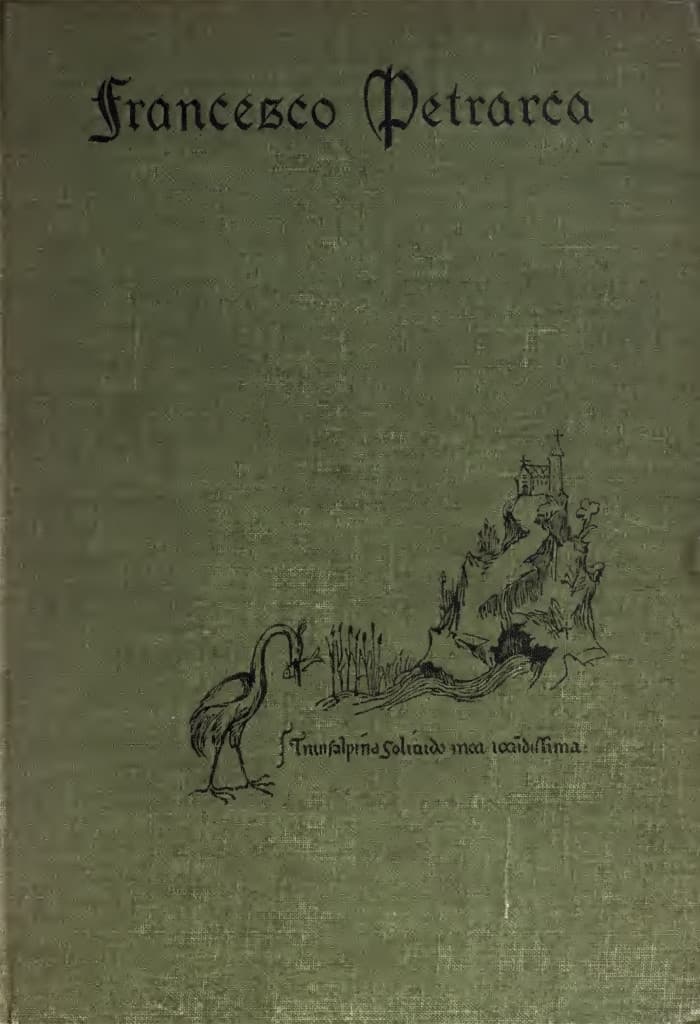
Petrarch's Letters to Classical Authors
1910
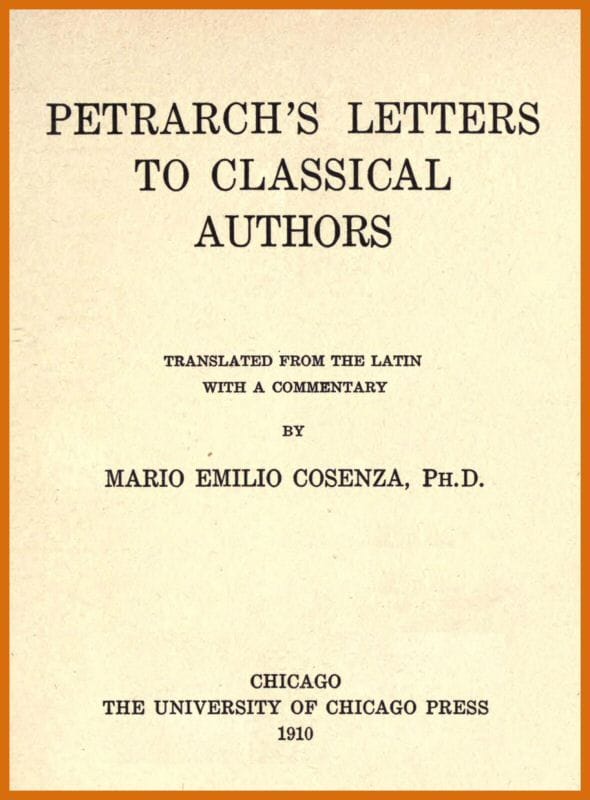
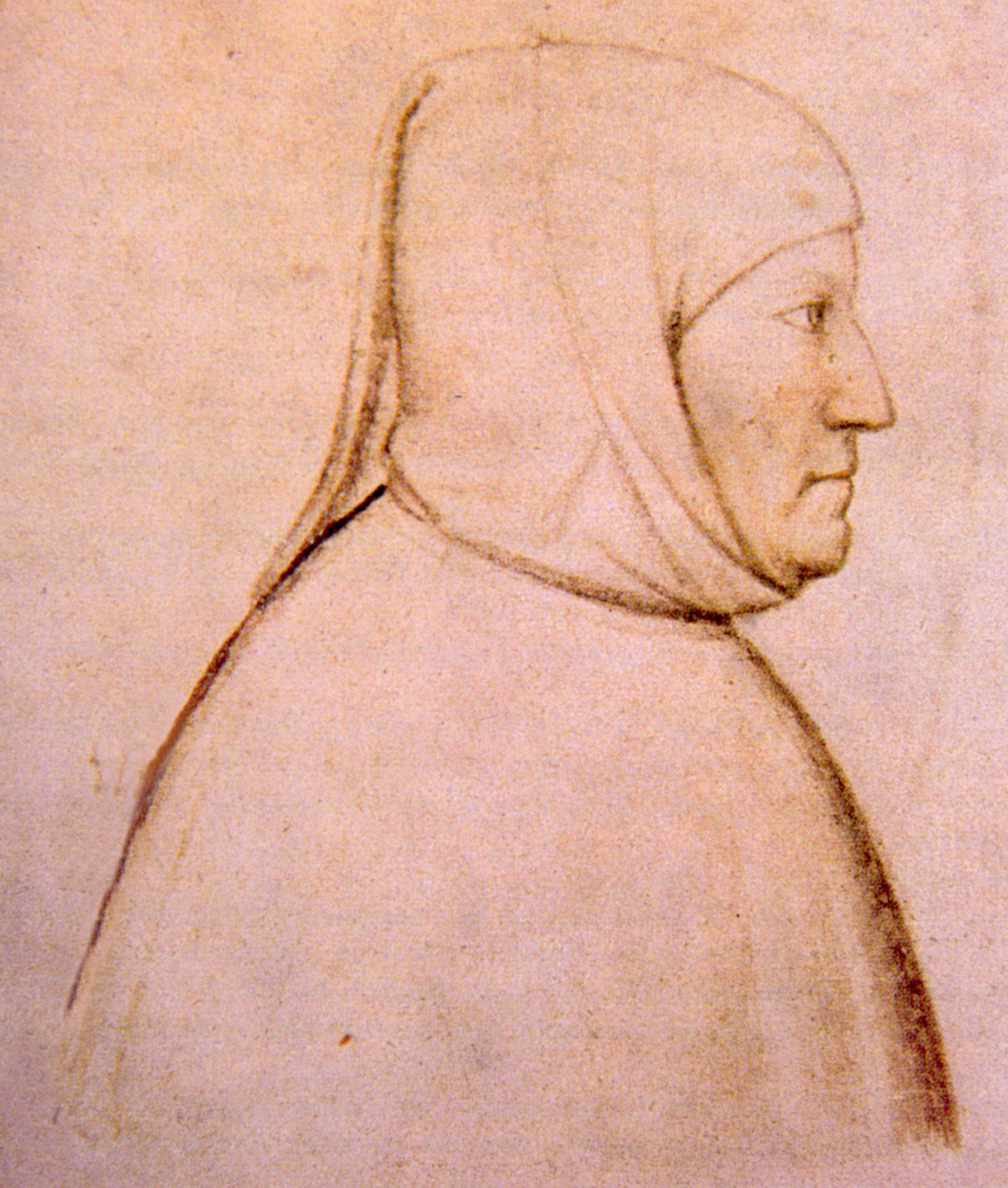
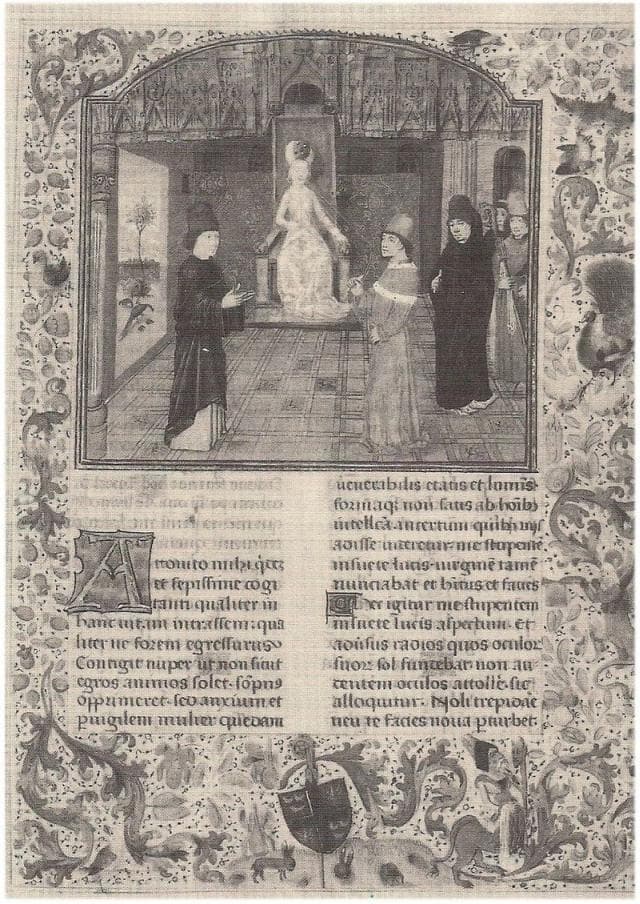
Petrarch invented a strange and wonderful genre: letters to the dead. In this revolutionary 14th-century collection, the father of humanism writes to Cicero, Seneca, Virgil, and other ancient masters as though they might answer. He imagines conversations across centuries, probing their lives for lessons about how to live, how to fail, and how to be remembered. What makes these letters extraordinary is their honest complexity. Petrarch admires these giants yet refuses to idolize them. He scolds Cicero for squandering his later years in political squabbles, questions whether Virgil truly found wisdom, and uses these ghost-correspondents as mirrors for his own anxieties about fame, mortality, and the state of the world. The preface, which details Petrarch's discovery of Cicero's actual letters, reads like a man finding a lost voice from the past and daring to respond. This is not mere nostalgia. Petrarch is doing something radical: arguing with the classical tradition, claiming the right to judge his masters, and in the process, inventing the modern idea of the intellectual who stands in dialogue with history. The letters endure because every generation that reads them must answer the same question: what do we owe those who came before, and how do we deserve their legacy?
Editions
Link to this book
Add a free, dofollow link to Lex on your blog, forum, syllabus, or reading list.

<a href="https://lex-books.com/book/petrarch-s-letters-to-classical-authors-e53997b3-0569-4f42-ae3a-f4ee7c3a5e8d"><img src="https://lex-books.com/badges/read-on-lex.svg" alt="Read Petrarch's Letters to Classical Authors by Francesco Petrarca free on Lex" width="160" height="40"></a>[](https://lex-books.com/book/petrarch-s-letters-to-classical-authors-e53997b3-0569-4f42-ae3a-f4ee7c3a5e8d)[url=https://lex-books.com/book/petrarch-s-letters-to-classical-authors-e53997b3-0569-4f42-ae3a-f4ee7c3a5e8d][img]https://lex-books.com/badges/read-on-lex.svg[/img][/url]Read Petrarch's Letters to Classical Authors by Francesco Petrarca free on Lex: https://lex-books.com/book/petrarch-s-letters-to-classical-authors-e53997b3-0569-4f42-ae3a-f4ee7c3a5e8dCite this book
Reading this edition for a paper or guide? Copy a citation.
Petrarca, Francesco. Petrarch's Letters to Classical Authors. Lex, lex-books.com/book/petrarch-s-letters-to-classical-authors-e53997b3-0569-4f42-ae3a-f4ee7c3a5e8d.Petrarca, F. (1910). Petrarch's Letters to Classical Authors. Lex. https://lex-books.com/book/petrarch-s-letters-to-classical-authors-e53997b3-0569-4f42-ae3a-f4ee7c3a5e8dPetrarca, Francesco. Petrarch's Letters to Classical Authors. Lex. https://lex-books.com/book/petrarch-s-letters-to-classical-authors-e53997b3-0569-4f42-ae3a-f4ee7c3a5e8d.