Pacem, Dei Munus Pulcherrimum (1920) – “Peace, the Beautiful Gift of God”: Pope Benedict XV’s Final Encyclical on Reconciliation After World War I
Pacem, Dei Munus Pulcherrimum (1920) – “Peace, the Beautiful Gift of God”: Pope Benedict XV’s Final Encyclical on Reconciliation After World War I
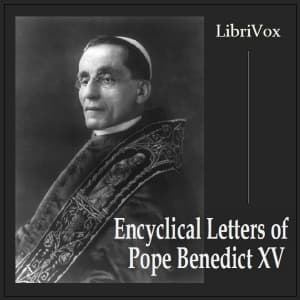
Benedict XV. Pacem, Dei Munus Pulcherrimum [Peace, the Beautiful Gift of God]. 23 May 1920. Translated into English. Vatican City: Libreria Editrice Vaticana, Dicastero per la Comunicazione. PDF file. English Translation of Title: “Peace, the Beautiful Gift of God” Summary of the Encyclical Issued shortly after World War I, this encyclical is Pope Benedict XV’s final and most comprehensive appeal for global peace, reconciliation, and charity. It reflects the theological and moral core of his wartime and postwar diplomacy. Though the guns have gone silent, Benedict emphasizes that real peace cannot exist without the healing of hatred, forgiveness of enemies, and renewed Christian charity at both the personal and international levels. He warns against the illusion of peace defined solely by treaties and insists that only spiritual reconciliation, grounded in love and forgiveness, can prevent another catastrophe. The encyclical strongly criticizes nationalism, militarism, and political vindictiveness, instead urging nations to join a “family of peoples” and reduce armaments. It also reaffirms the Church’s role in global moral leadership and peacebuilding. Key Points & Arguments Peace as a divine gift (¶1): Benedict opens by quoting Augustine and calling peace “the sweetest word to our hearing,” framing peace as a sacred, divine mandate rather than a political convenience. Postwar danger of spiritual war (¶1–2): Though the war has ended officially, the Pope warns that enmity and hatred continue to poison hearts, which could reignite future violence. Forgiveness is not optional (¶7–8): Drawing on Christ’s teachings (“Father, forgive them…”), Benedict argues that Christians must actively forgive enemies and imitate divine mercy. Appeal to imitate early Christians (¶6): He praises the early Church’s ability to transcend ethnic and national divisions, living as one body despite worldly conflicts. Practical Christian charity (¶10–11): Benedict moves from spiritual to material charity, calling on Christians to aid war victims—especially orphans, widows, and the wounded—echoing the parable of the Good Samaritan. The Church as peace-bearer (¶12): He asserts the Church’s historical role in shaping a peaceful European civilization, drawing on Augustine to explain the Church as a unifying force among different peoples. Call for international cooperation (¶17): Advocates a “family of nations” to reduce arms, prevent future wars, and safeguard sovereignty without resorting to militarism. Moral duty of Catholic media and clergy (¶13): Journalists and priests must practice restraint and promote reconciliation, not stoke division or nationalism. Religious universality over political divisions (¶20): Echoing Paul, Benedict urges believers to reject tribal distinctions—no Jew or Gentile, Scythian or slave—only Christ as peace. Tone, Appeals, and Rhetorical Strategy Tone : Pastoral, urgent, compassionate, yet firm in moral instruction. Religious Appeal : Heavily scriptural (over 20 citations), invoking Christ’s example, Pauline theology, and Church tradition. References Pentecost, the Trinity, and forgiveness as fundamental to Christian identity. Moral Logic : Peace is framed as both a divine command and a rational necessity. Without it, economic recovery and human dignity are impossible. Ethos : Establishes moral credibility by referencing Benedict's consistent peace efforts since 1914, and his own willingness to forgive personal attacks (¶8). Pathos : Deeply emotional language when describing war’s toll—widows, orphans, destroyed lands, suffering children (¶10). Uses the parable of the Good Samaritan (¶11) to stir empathy and action. Curricular Integration: AP & IB Use AP European/World History : Use for post-WWI reconstruction, religious responses to war, pacifist movements, moral diplomacy. IB History : Paper 2 (Causes & Effects of 20th-Century Wars) : Highlights spiritual/moral postwar reconstruction. Paper 3 (Europe Option: Versailles & the League) : Can contrast papal calls for peace with the punitive tone of Versailles. Theory of Knowledge (TOK) : Explores intersections of faith, reason, and ethics in global conflict resolution. Suggested Discussion Questions To what extent does Pacem, Dei Munus Pulcherrimum present a viable alternative to the Treaty of Versailles? How does Pope Benedict XV conceptualize peace differently from political leaders of the postwar era? In what ways does this encyclical represent a shift in papal diplomacy and Catholic internationalism? Quote Bank for Essays “Peace, the beautiful gift of God, the name of which … is the sweetest word to our hearing and the best and most desirable possession.” (¶1) “We forgive all Our enemies … and neglect no opportunity to do them all the good in Our power.” (¶8) “Christian charity ought not to be content with not hating our enemies … but treat them with kindness.” (¶9) “Th
Editions
Link to this book
Add a free, dofollow link to Lex on your blog, forum, syllabus, or reading list.

<a href="https://lex-books.com/book/pacem-dei-munus-pulcherrimum-1920-peace-the-beautiful-gift-of-god-pope-benedict--33e8a69f-c4c4-4c37-b9a8-7acf32664494"><img src="https://lex-books.com/badges/read-on-lex.svg" alt="Read Pacem, Dei Munus Pulcherrimum (1920) – “Peace, the Beautiful Gift of God”: Pope Benedict XV’s Final Encyclical on Reconciliation After World War I by Pope Benedict XV free on Lex" width="160" height="40"></a>[](https://lex-books.com/book/pacem-dei-munus-pulcherrimum-1920-peace-the-beautiful-gift-of-god-pope-benedict--33e8a69f-c4c4-4c37-b9a8-7acf32664494)[url=https://lex-books.com/book/pacem-dei-munus-pulcherrimum-1920-peace-the-beautiful-gift-of-god-pope-benedict--33e8a69f-c4c4-4c37-b9a8-7acf32664494][img]https://lex-books.com/badges/read-on-lex.svg[/img][/url]Read Pacem, Dei Munus Pulcherrimum (1920) – “Peace, the Beautiful Gift of God”: Pope Benedict XV’s Final Encyclical on Reconciliation After World War I by Pope Benedict XV free on Lex: https://lex-books.com/book/pacem-dei-munus-pulcherrimum-1920-peace-the-beautiful-gift-of-god-pope-benedict--33e8a69f-c4c4-4c37-b9a8-7acf32664494Cite this book
Reading this edition for a paper or guide? Copy a citation.
XV, Pope Benedict. Pacem, Dei Munus Pulcherrimum (1920) – “Peace, the Beautiful Gift of God”: Pope Benedict XV’s Final Encyclical on Reconciliation After World War I. Lex, lex-books.com/book/pacem-dei-munus-pulcherrimum-1920-peace-the-beautiful-gift-of-god-pope-benedict--33e8a69f-c4c4-4c37-b9a8-7acf32664494.XV, P. B. (n.d.). Pacem, Dei Munus Pulcherrimum (1920) – “Peace, the Beautiful Gift of God”: Pope Benedict XV’s Final Encyclical on Reconciliation After World War I. Lex. https://lex-books.com/book/pacem-dei-munus-pulcherrimum-1920-peace-the-beautiful-gift-of-god-pope-benedict--33e8a69f-c4c4-4c37-b9a8-7acf32664494XV, Pope Benedict. Pacem, Dei Munus Pulcherrimum (1920) – “Peace, the Beautiful Gift of God”: Pope Benedict XV’s Final Encyclical on Reconciliation After World War I. Lex. https://lex-books.com/book/pacem-dei-munus-pulcherrimum-1920-peace-the-beautiful-gift-of-god-pope-benedict--33e8a69f-c4c4-4c37-b9a8-7acf32664494.