
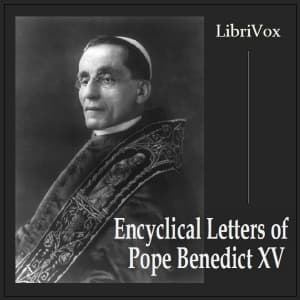
Pope Benedict XV
Pope Benedict XV, born Giacomo della Chiesa, served as the head of the Roman Catholic Church from 1914 to 1922 during a tumultuous period marked by World War I and its aftermath. He was known for his efforts to promote peace and reconciliation amid the widespread devastation of the war. His papacy was characterized by a commitment to humanitarian efforts, advocating for the protection of civilians and the alleviation of suffering caused by the conflict. Benedict XV's encyclicals, particularly 'Ad Beatissimi Apostolorum,' called for an end to hostilities and emphasized the Church's role in fostering peace and understanding among nations. In addition to his peace initiatives, Pope Benedict XV contributed to the Church's social teachings and addressed various contemporary issues, including the moral implications of war and the importance of charity. His encyclical letters remain significant for their theological depth and their reflection of the Church's response to the challenges of the early 20th century. Although his papacy faced criticism and challenges, his legacy is marked by a profound commitment to peace and the promotion of social justice, influencing subsequent Church leaders and shaping Catholic thought in the years that followed.
Books from the author
Link to this page
Add a free, dofollow link to Lex on your blog, forum, syllabus, or reading list.

<a href="https://lex-books.com/author/pope-benedict-xv"><img src="https://lex-books.com/badges/read-on-lex.svg" alt="Pope Benedict XV on Lex" width="160" height="40"></a>[](https://lex-books.com/author/pope-benedict-xv)[url=https://lex-books.com/author/pope-benedict-xv][img]https://lex-books.com/badges/read-on-lex.svg[/img][/url]Pope Benedict XV on Lex: https://lex-books.com/author/pope-benedict-xv