Laugh and Live
1917
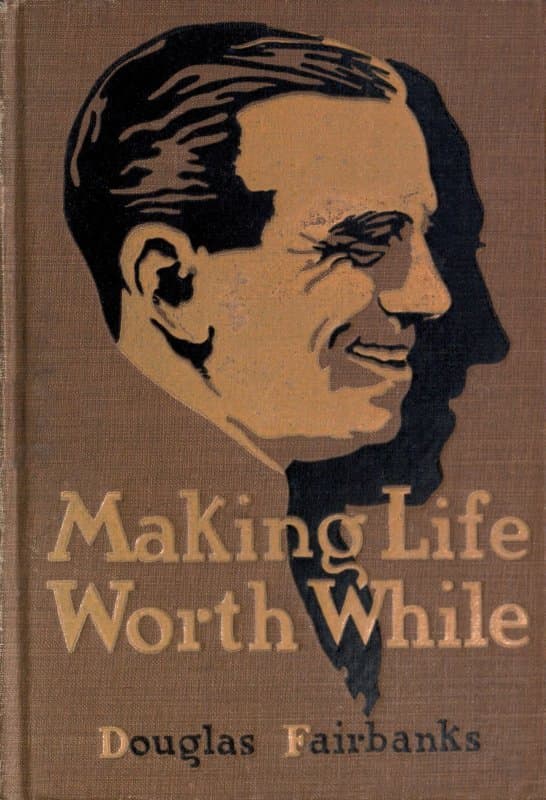
In 1917, silent film star Douglas Fairbanks - the swashbuckling hero of The Mark of Zorro and The Thief of Bagdad - turned from conquering villains on screen to conquering despair in real life. His prescription was radical yet simple: happiness is not a distant goal or a matter of luck, but a deliberate choice available to anyone who reaches for it. Fairbanks argues that laughter functions as medicine, improving circulation, clearing the mind, and buoyant against the inevitable banana peels of existence. He urges readers to face each morning with energy rather than dread, to view obstacles as invitations rather than defeats, and to cultivate both physical vitality and honest self-examination. The book pulses with the irrepressible optimism of early Hollywood's golden age, when anything seemed possible and a man known for leaping across buildings in single bounds promised that anyone could learn to fly.
Editions
X-Ray
Link to this book
Add a free, dofollow link to Lex on your blog, forum, syllabus, or reading list.

<a href="https://lex-books.com/book/laugh-and-live-0cf4dfc1-9ed1-4d28-b31a-6cdbf00027e1"><img src="https://lex-books.com/badges/read-on-lex.svg" alt="Read Laugh and Live by Douglas Fairbanks free on Lex" width="160" height="40"></a>[](https://lex-books.com/book/laugh-and-live-0cf4dfc1-9ed1-4d28-b31a-6cdbf00027e1)[url=https://lex-books.com/book/laugh-and-live-0cf4dfc1-9ed1-4d28-b31a-6cdbf00027e1][img]https://lex-books.com/badges/read-on-lex.svg[/img][/url]Read Laugh and Live by Douglas Fairbanks free on Lex: https://lex-books.com/book/laugh-and-live-0cf4dfc1-9ed1-4d28-b31a-6cdbf00027e1Cite this book
Reading this edition for a paper or guide? Copy a citation.
Fairbanks, Douglas. Laugh and Live. Lex, lex-books.com/book/laugh-and-live-0cf4dfc1-9ed1-4d28-b31a-6cdbf00027e1.Fairbanks, D. (1917). Laugh and Live. Lex. https://lex-books.com/book/laugh-and-live-0cf4dfc1-9ed1-4d28-b31a-6cdbf00027e1Fairbanks, Douglas. Laugh and Live. Lex. https://lex-books.com/book/laugh-and-live-0cf4dfc1-9ed1-4d28-b31a-6cdbf00027e1.