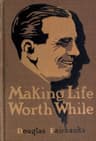
Making Life Worth While
1918
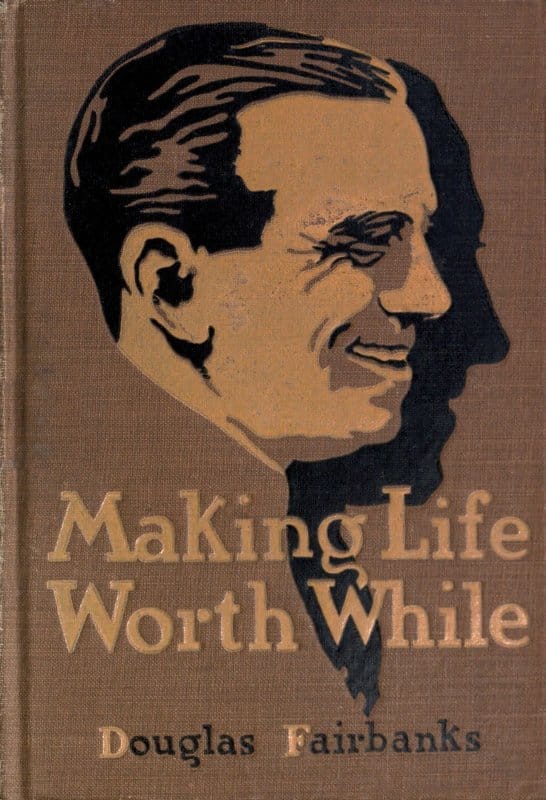
Before he scaled castle walls in The Thief of Bagdad, Douglas Fairbanks scaled the heights of human potential. Written in 1918, this impassioned manual distills the philosophy that made him the most electrifying star of the silent era: that vigor, curiosity, and wholehearted engagement transform ordinary existence into something magnificent. Fairbanks speaks directly, almost urgently, arguing that complacency is the enemy of joy and that half-living breeds only half-happiness. He champions physical culture not as vanity but as a metaphor for cultivating every facet of existence: mental sharpness, emotional resilience, creative daring. Part memoir of a self-made man, part rallying cry for the wartime generation, the book pulses with the same energy that sent Fairbanks leaping across cinema screens. It's a product of its era, yes, but its core message remains startlingly fresh: life doesn't happen to you. It happens because of you.
Editions
Link to this book
Add a free, dofollow link to Lex on your blog, forum, syllabus, or reading list.

<a href="https://lex-books.com/book/making-life-worth-while-5d71ec1a-a460-4780-ba3a-2e13f389914c"><img src="https://lex-books.com/badges/read-on-lex.svg" alt="Read Making Life Worth While by Douglas Fairbanks free on Lex" width="160" height="40"></a>[](https://lex-books.com/book/making-life-worth-while-5d71ec1a-a460-4780-ba3a-2e13f389914c)[url=https://lex-books.com/book/making-life-worth-while-5d71ec1a-a460-4780-ba3a-2e13f389914c][img]https://lex-books.com/badges/read-on-lex.svg[/img][/url]Read Making Life Worth While by Douglas Fairbanks free on Lex: https://lex-books.com/book/making-life-worth-while-5d71ec1a-a460-4780-ba3a-2e13f389914cCite this book
Reading this edition for a paper or guide? Copy a citation.
Fairbanks, Douglas. Making Life Worth While. Lex, lex-books.com/book/making-life-worth-while-5d71ec1a-a460-4780-ba3a-2e13f389914c.Fairbanks, D. (1918). Making Life Worth While. Lex. https://lex-books.com/book/making-life-worth-while-5d71ec1a-a460-4780-ba3a-2e13f389914cFairbanks, Douglas. Making Life Worth While. Lex. https://lex-books.com/book/making-life-worth-while-5d71ec1a-a460-4780-ba3a-2e13f389914c.