Good to Great (Comprehensive Summary)
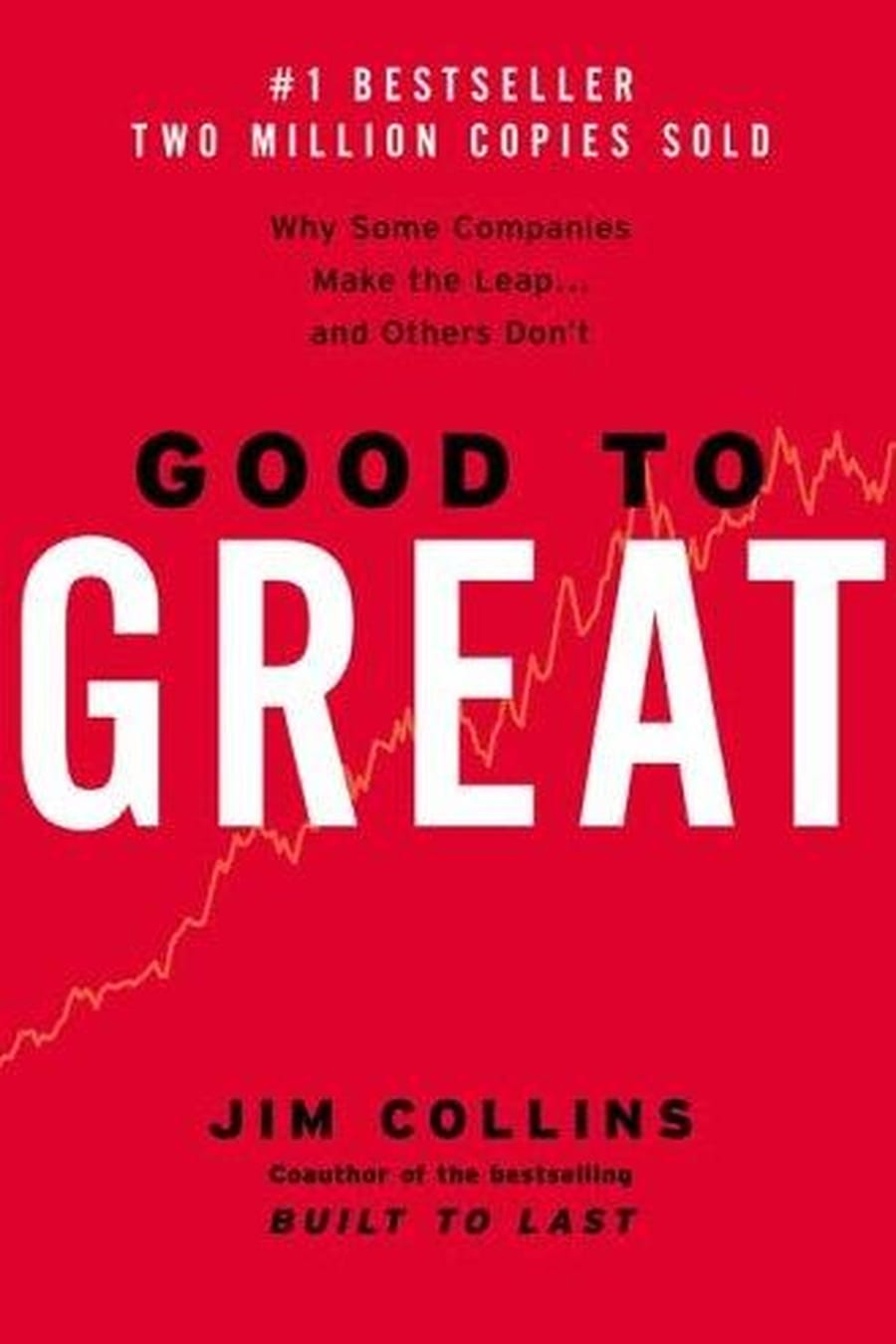
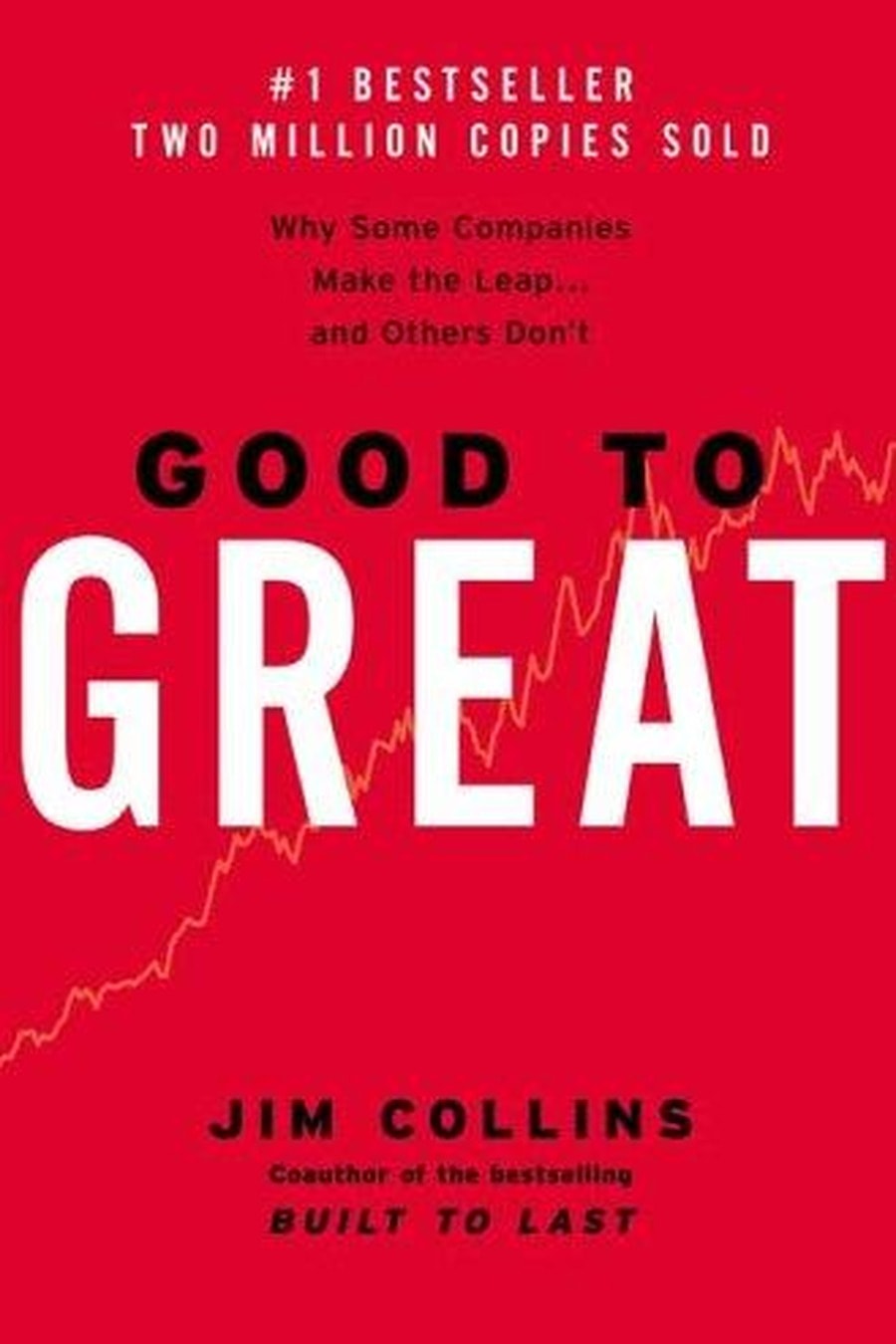
Good to Great by Jim Collins. This Lexicon distills the book's key arguments, evidence, and conclusions into a concise original work.
Editions

X-Ray
The author and researcher who distills key ideas and frameworks for transforming good companies into great ones.
The leader of Amazon.com, whose adherence to the flywheel strategy during the dot-com bust is cited as an example of disciplined commitment.
The former CEO of Kimberly-Clark, presented as a prime example of Level 5 Leadership due to his quiet determination and focus on long-term success.
A Vietnam War POW whose experience inspired the 'Stockdale Paradox,' illustrating the importance of confronting brutal facts while maintaining unwavering faith.
About Good to Great (Comprehensive Summary)
Chapter Summaries
- 1
- Chapter 1 introduces the 'flywheel effect,' a metaphor for the gradual, cumulative process of transforming a good company into a great one through consistent, disciplined actions. Collins illustrates this with Amazon.com's strategy during the dot-com bust and warns against the 'doom loop' of undisciplined reactions to failure. The chapter emphasizes identifying, articulating, and continuously renewing one's own flywheel for sustained success.
- 2
- Chapter 2 outlines a comprehensive four-stage framework for achieving greatness: Disciplined People, Disciplined Thought, Disciplined Action, and Building to Last. It introduces key concepts like Level 5 Leadership, First Who, Then What, the Genius of the AND, the Stockdale Paradox, the 20 Mile March, and Firing Bullets, Then Cannonballs. The chapter concludes by defining the outputs of greatness as superior results, distinctive impact, and lasting endurance.
- 3
- Chapter 3 delves into 'Level 5 Leadership,' characterizing these leaders by a unique blend of personal humility and professional will, prioritizing organizational success over personal ambition. Collins uses Darwin Smith of Kimberly-Clark as an example and reiterates the importance of 'First Who, Then What' and confronting brutal facts (Stockdale Paradox). It emphasizes that Level 5 Leaders build sustainable legacies and foster a culture of excellence.
Key Themes
- Leadership
- The book introduces 'Level 5 Leadership,' characterized by a unique blend of personal humility and fierce professional will. These leaders prioritize the organization's success over personal ambition, setting the tone for a culture of commitment and excellence.
- Strategic Focus
- Collins emphasizes the importance of simplifying strategy into a singular, clear focus through the 'Hedgehog Concept,' which involves identifying what a company can be best at, what drives its economic engine, and what its people are passionate about. This focus guides resource allocation and decision-making.
- Discipline
- Discipline is a pervasive theme, manifesting as 'disciplined people, disciplined thought, and disciplined action.' This includes adhering to rigorous performance standards ('20 Mile March'), testing ideas cautiously ('Firing Bullets, Then Cannonballs'), and maintaining consistent effort ('flywheel effect').
Characters
- Jim Collins(narrator)
- The author and researcher who distills key ideas and frameworks for transforming good companies into great ones.
- Jeff Bezos(supporting)
- The leader of Amazon.com, whose adherence to the flywheel strategy during the dot-com bust is cited as an example of disciplined commitment.
- Darwin Smith(supporting)
- The former CEO of Kimberly-Clark, presented as a prime example of Level 5 Leadership due to his quiet determination and focus on long-term success.
- Admiral Jim Stockdale(supporting)
- A Vietnam War POW whose experience inspired the 'Stockdale Paradox,' illustrating the importance of confronting brutal facts while maintaining unwavering faith.
- Vanguard leadership team(supporting)
- A collective example of a team that successfully articulated and committed to their flywheel, focusing on low-cost mutual funds.
Link to this book
Add a free, dofollow link to Lex on your blog, forum, syllabus, or reading list.

<a href="https://lex-books.com/book/good-to-great-comprehensive-summary-2a9da3b0-253c-5d5b-b068-0d866fb28f26"><img src="https://lex-books.com/badges/read-on-lex.svg" alt="Read Good to Great (Comprehensive Summary) by Jim Collins free on Lex" width="160" height="40"></a>[](https://lex-books.com/book/good-to-great-comprehensive-summary-2a9da3b0-253c-5d5b-b068-0d866fb28f26)[url=https://lex-books.com/book/good-to-great-comprehensive-summary-2a9da3b0-253c-5d5b-b068-0d866fb28f26][img]https://lex-books.com/badges/read-on-lex.svg[/img][/url]Read Good to Great (Comprehensive Summary) by Jim Collins free on Lex: https://lex-books.com/book/good-to-great-comprehensive-summary-2a9da3b0-253c-5d5b-b068-0d866fb28f26Cite this book
Reading this edition for a paper or guide? Copy a citation.
Collins, Jim. Good to Great (Comprehensive Summary). Lex, lex-books.com/book/good-to-great-comprehensive-summary-2a9da3b0-253c-5d5b-b068-0d866fb28f26.Collins, J. (n.d.). Good to Great (Comprehensive Summary). Lex. https://lex-books.com/book/good-to-great-comprehensive-summary-2a9da3b0-253c-5d5b-b068-0d866fb28f26Collins, Jim. Good to Great (Comprehensive Summary). Lex. https://lex-books.com/book/good-to-great-comprehensive-summary-2a9da3b0-253c-5d5b-b068-0d866fb28f26.