Extreme Ownership (Comprehensive Summary)
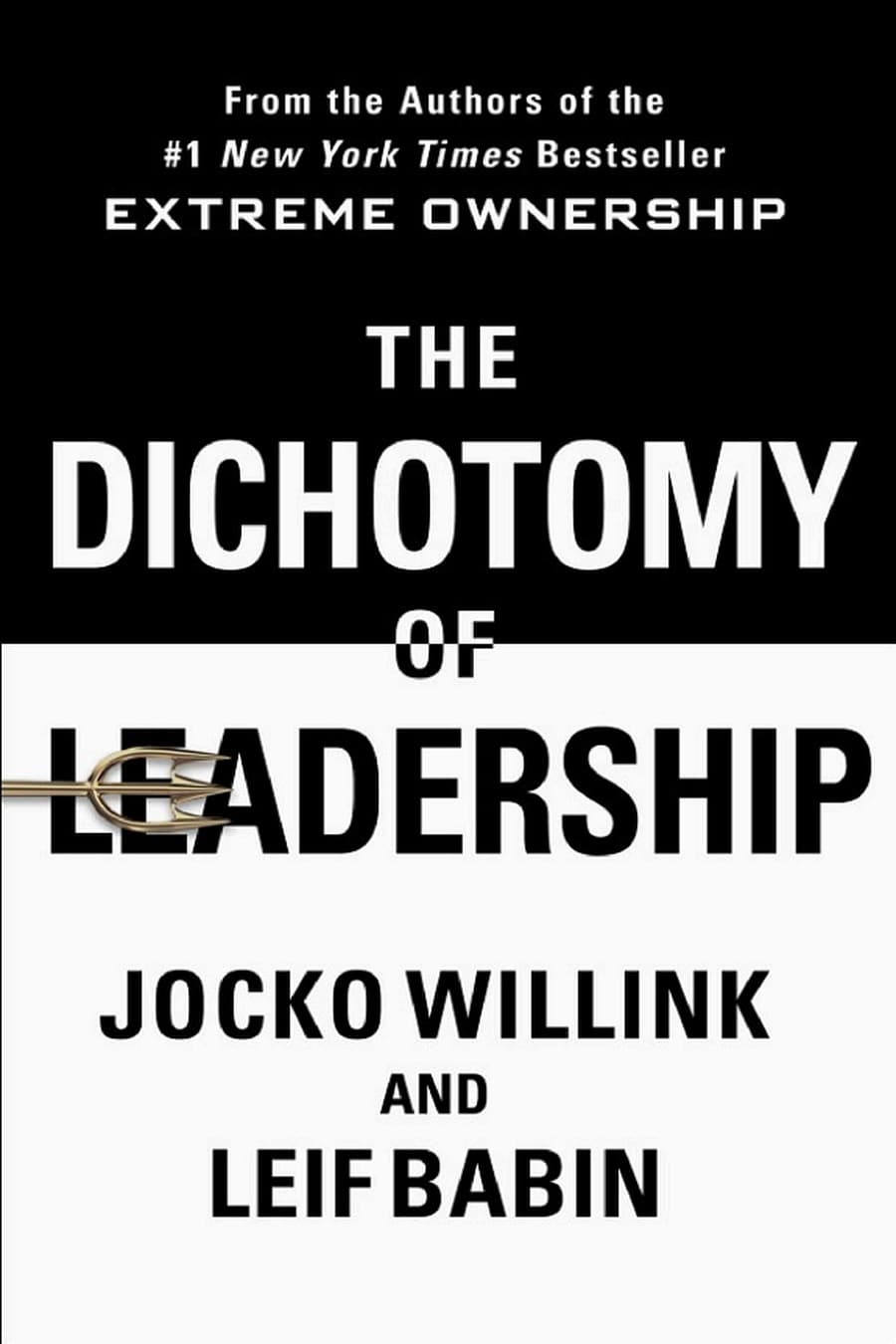
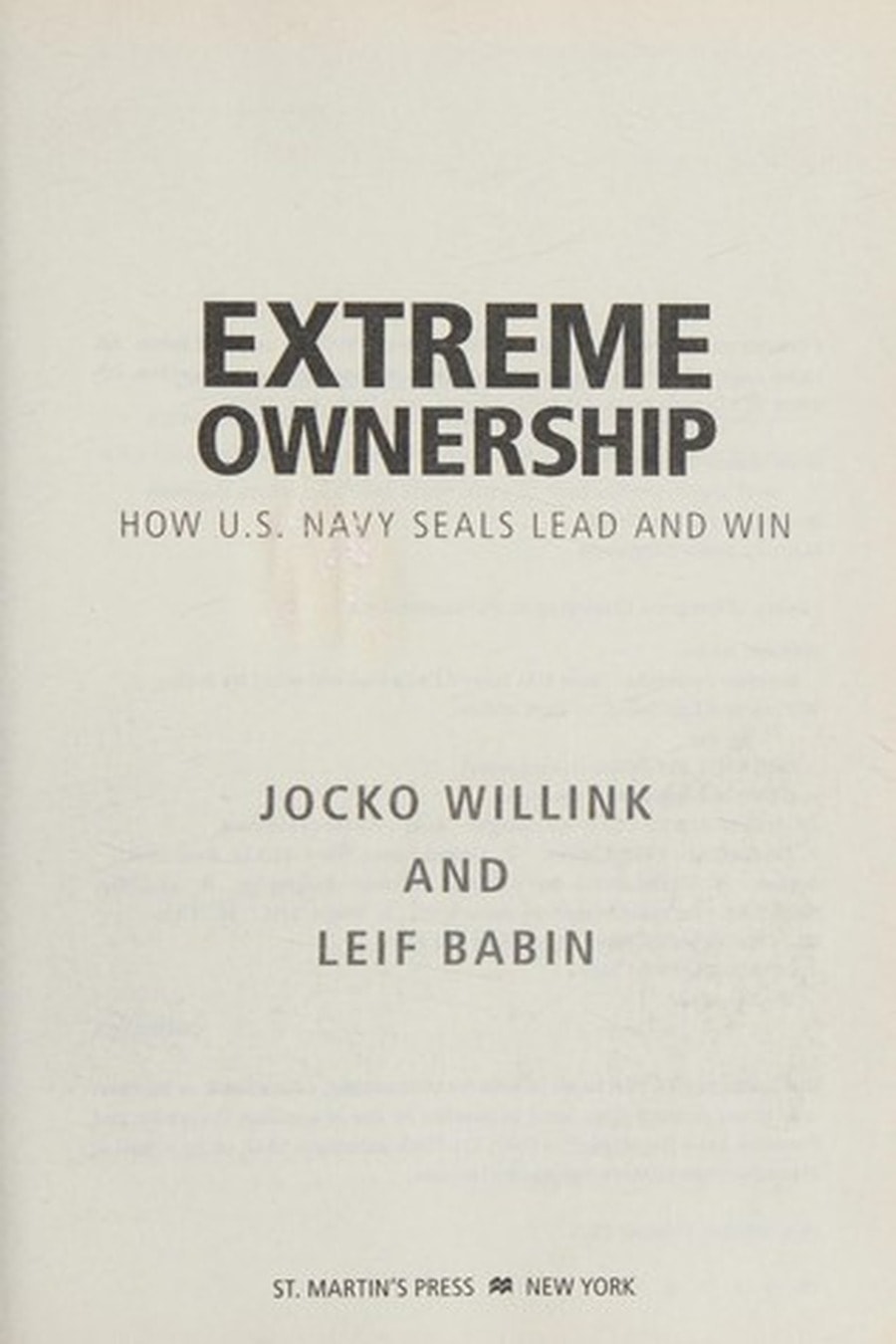
Extreme Ownership by Jocko Willink. This Lexicon distills the book's key arguments, evidence, and conclusions into a concise original work.
Editions
Ebooks

Extreme Ownership (Comprehensive Summary)Current
62 pages
X-Ray
Jocko WillinkNarrator
A former Navy SEAL commander and co-author who shares his combat experiences and leadership lessons.
Leif BabinSupporting
A former Navy SEAL officer and co-author who provides civilian and business applications of leadership principles.
Chris KyleSupporting
A renowned sniper in Willink's platoon, featured in a critical decision-making scenario.
ButtersSupporting
A junior officer in the intelligence team who plays a crucial role in mission planning despite his inexperience.
This section is only available for premium usersUnlock character maps, chapter summaries, themes & moreTry Free for 7 Days
About Extreme Ownership (Comprehensive Summary)
Chapter Summaries
- 1
- The foreword introduces 'Extreme Ownership' as the core principle of effective leadership, emphasizing that successful leaders take complete responsibility for all outcomes, avoiding blame and focusing on solutions. Authors Jocko Willink and Leif Babin illustrate this concept with examples from military and civilian contexts, highlighting how humility, accountability, and a solution-oriented mindset lead to remarkable results. The chapter concludes by stressing that these principles are universally applicable and transformative, honoring the sacrifices of comrades by empowering others to become better leaders.
- 2
- Chapter 2 deepens the concept of Extreme Ownership, asserting that true leaders are accountable for everything under their command, proactively taking responsibility for team outcomes. Willink uses Navy SEAL anecdotes to show how this mindset prevents mission failure and fosters trust, while humility allows leaders to learn from mistakes and seek team input. The chapter also introduces decentralized command for agility and clear communication for aligning efforts, concluding that leadership is about fostering collective responsibility for mission success.
- 3
- Chapter 3 recounts a tense Ramadi combat operation where Willink, as ground force commander, applies the Laws of Combat, prioritizing neutralizing an approaching enemy over securing a fleeing 'squirter.' This case study highlights rapid decision-making, decisive execution, and the 'Cover and Move' principle for teamwork and mutual support. The chapter emphasizes decentralized command, the importance of preparation, clear engagement rules, and concludes that effective leadership, derived from combat, is universally crucial for any team's success.
Key Themes
- Extreme Ownership
- This foundational principle asserts that leaders are entirely responsible for everything in their domain, from team actions to mission outcomes. It manifests as a proactive mindset that eliminates blame, focusing instead on developing solutions and driving accountability at all levels.
- Accountability
- The book consistently emphasizes that true leaders accept full responsibility for both successes and failures, fostering a culture where individuals are encouraged to own their roles. This theme is crucial for identifying root causes of problems and implementing continuous improvement, rather than deflecting blame.
- Leadership
- Effective leadership is portrayed not merely as a position of authority but as a multifaceted responsibility to inspire, empower, and guide teams. It involves clear communication, humility, decisiveness, and an unwavering commitment to the mission, influencing team morale and performance profoundly.
Characters
- Jocko Willink(narrator)
- A former Navy SEAL commander and co-author who shares his combat experiences and leadership lessons.
- Leif Babin(supporting)
- A former Navy SEAL officer and co-author who provides civilian and business applications of leadership principles.
- Chris Kyle(supporting)
- A renowned sniper in Willink's platoon, featured in a critical decision-making scenario.
- Butters(supporting)
- A junior officer in the intelligence team who plays a crucial role in mission planning despite his inexperience.
- Gary(supporting)
- A midlevel manager in a business anecdote who learns to manage his ego and take ownership of team mistakes.
- Andy(supporting)
- A CEO in a business anecdote who struggles with balancing loyalty to a friend and the mission's financial viability.
Link to this book
Add a free, dofollow link to Lex on your blog, forum, syllabus, or reading list.

HTML
<a href="https://lex-books.com/book/extreme-ownership-comprehensive-summary-89c3e592-2104-5123-89ea-955f59e46f81"><img src="https://lex-books.com/badges/read-on-lex.svg" alt="Read Extreme Ownership (Comprehensive Summary) by Jocko Willink free on Lex" width="160" height="40"></a>Markdown
[](https://lex-books.com/book/extreme-ownership-comprehensive-summary-89c3e592-2104-5123-89ea-955f59e46f81)BBCode
[url=https://lex-books.com/book/extreme-ownership-comprehensive-summary-89c3e592-2104-5123-89ea-955f59e46f81][img]https://lex-books.com/badges/read-on-lex.svg[/img][/url]Plain link
Read Extreme Ownership (Comprehensive Summary) by Jocko Willink free on Lex: https://lex-books.com/book/extreme-ownership-comprehensive-summary-89c3e592-2104-5123-89ea-955f59e46f81Cite this book
Reading this edition for a paper or guide? Copy a citation.
MLA
Willink, Jocko. Extreme Ownership (Comprehensive Summary). Lex, lex-books.com/book/extreme-ownership-comprehensive-summary-89c3e592-2104-5123-89ea-955f59e46f81.APA
Willink, J. (n.d.). Extreme Ownership (Comprehensive Summary). Lex. https://lex-books.com/book/extreme-ownership-comprehensive-summary-89c3e592-2104-5123-89ea-955f59e46f81Chicago
Willink, Jocko. Extreme Ownership (Comprehensive Summary). Lex. https://lex-books.com/book/extreme-ownership-comprehensive-summary-89c3e592-2104-5123-89ea-955f59e46f81.