Essentialism (Comprehensive Summary)
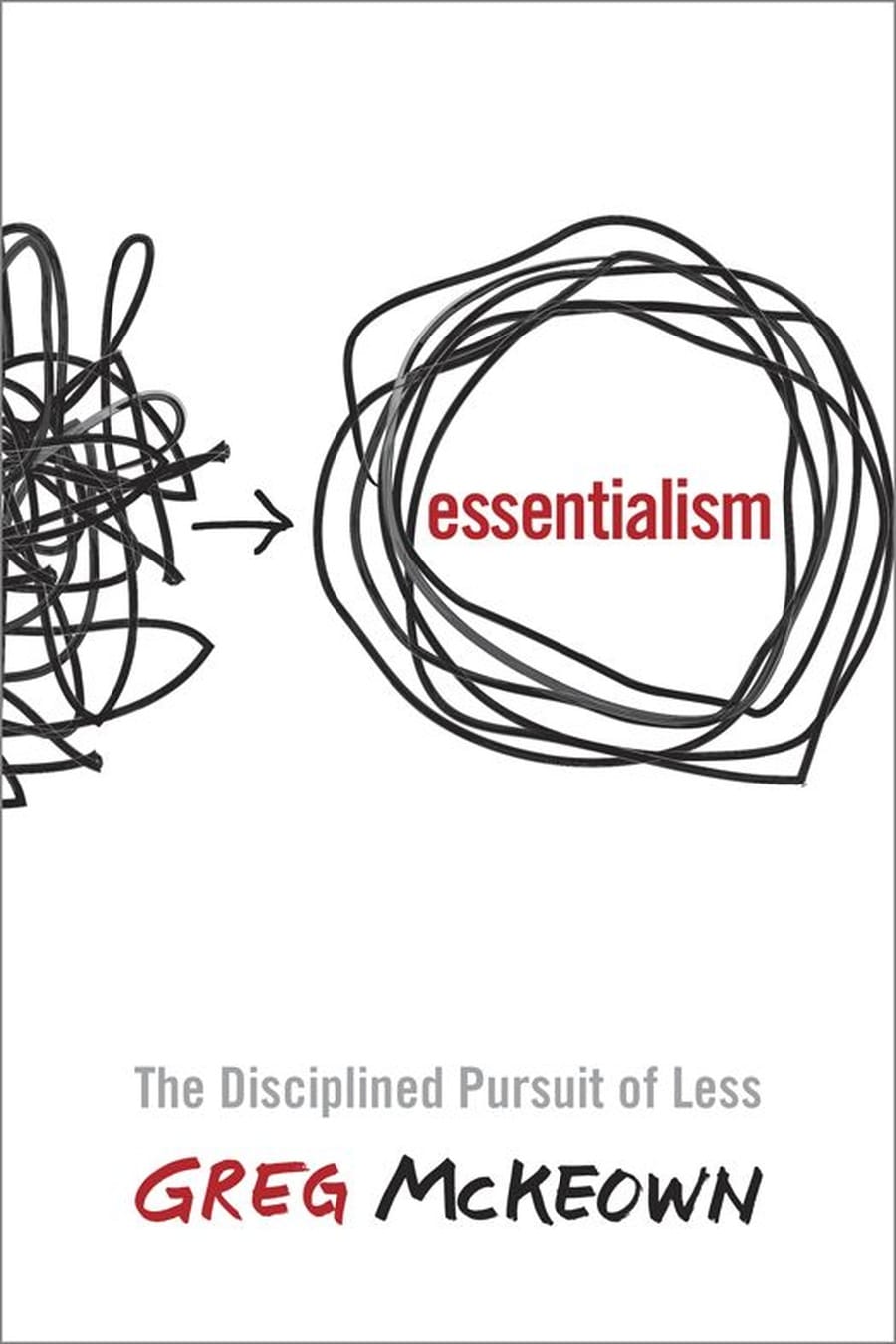
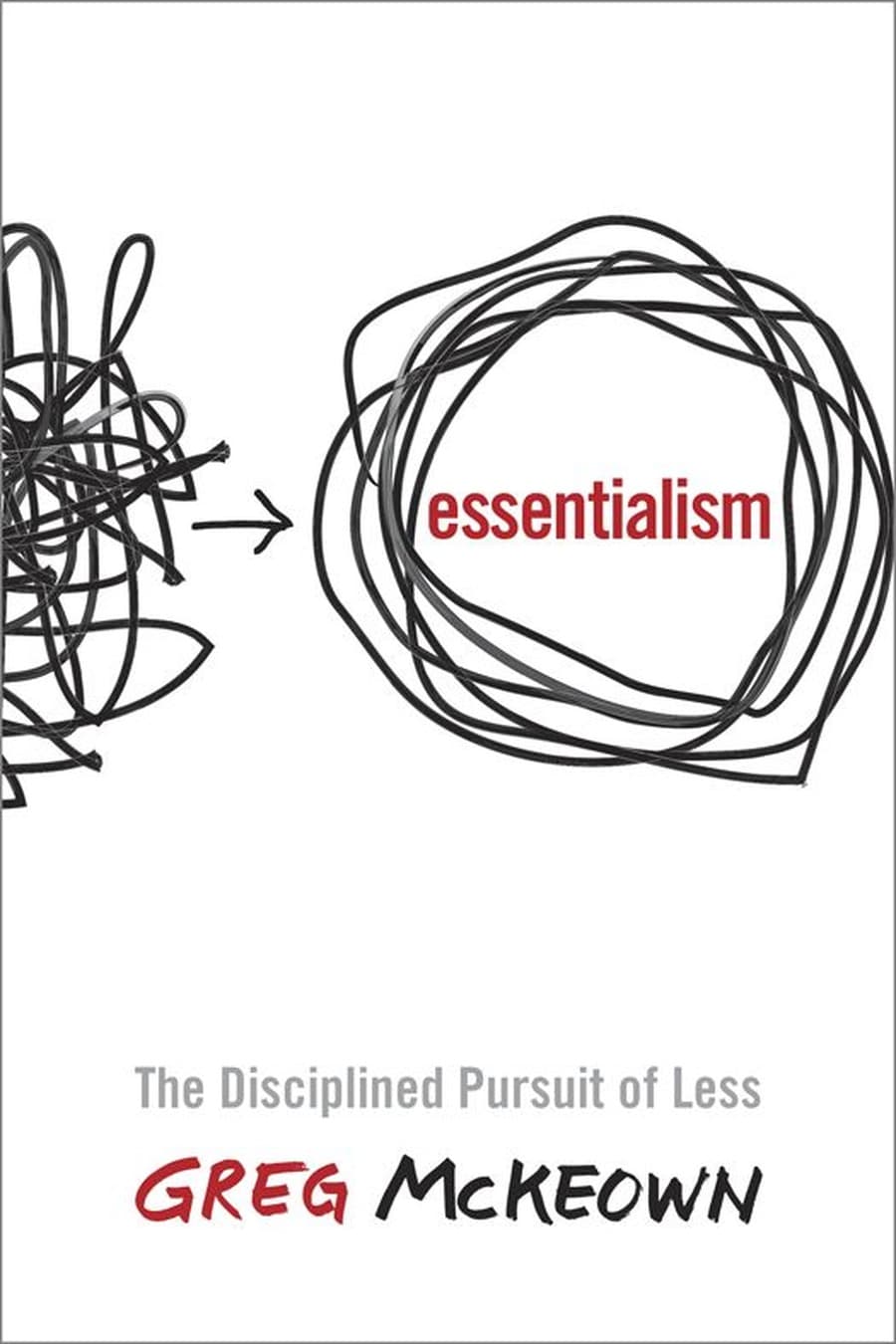
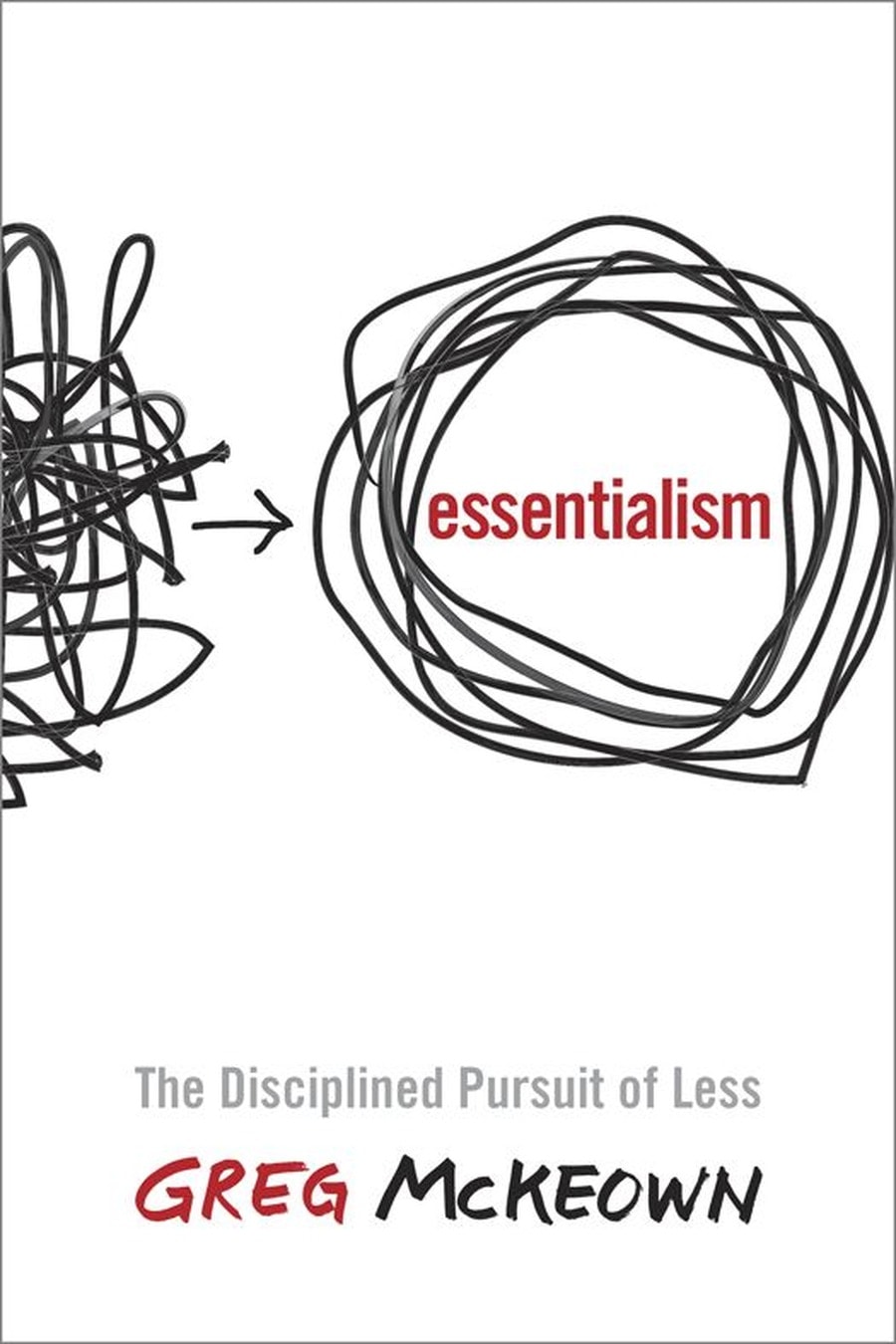
Essentialism, authored by Greg McKeown, is a guide that advocates for the disciplined pursuit of less but better. The book emphasizes the importance of focusing on what truly matters by eliminating the non-essential in both personal and professional life. McKeown, a leadership and strategy consultant, draws on research and real-life examples to illustrate how adopting an essentialist mindset can lead to greater productivity and fulfillment. This Lexicon distills the key concepts of the original work into original prose, making the essential ideas accessible and actionable for readers seeking clarity in a world filled with distractions.
Editions

X-Ray
The author and narrator of Essentialism, McKeown is a writer, speaker, and leadership strategist who developed the essentialist philosophy through personal experience, research, and work with high-performing individuals and organizations. He weaves personal anecdotes—his daughter's birth, his law school journey, his writing process—throughout the book to ground abstract principles in lived experience.
A Silicon Valley executive whose company is acquired by a larger organization, leaving him overwhelmed by the demands of saying yes to everything. His transformation from overcommitted team player to selective Essentialist serves as the book's opening case study.
A legendary German industrial designer known for his minimalist work at Braun and his principle 'Weniger aber besser' (Less but better). His design of a clear-topped record player and the 606 Universal Shelving System serve as McKeown's primary metaphors for the essentialist philosophy.
A high-achieving executive whose relentless overcommitment—excessive travel, insufficient sleep, serving on multiple boards—leads to organ failure and debilitating fatigue. His harrowing health crisis and eventual recovery serve as the central cautionary tale in the chapters on protecting the asset and sleep.
About Essentialism (Comprehensive Summary)
Chapter Summaries
- Introduction / About this Lexicon
- Greg McKeown introduces essentialism as a disciplined, systematic approach to identifying and focusing on the most important tasks and goals. He argues that modern society's pressures and fear of missing out compel individuals to say yes to too many things, diluting their focus and leading to burnout. The opening establishes the core premise: adopting an essentialist mindset requires a paradigm shift—reclaiming the power of choice and learning to say no to non-essential demands. McKeown frames this not as time management but as a fundamental philosophy for living intentionally.
- Chapter 1
- McKeown illustrates the essentialist mindset through Sam Elliot, a Silicon Valley executive overwhelmed after his company's acquisition. Elliot falls into the trap of saying yes to every request, leading to frenetic busyness and diminished job satisfaction. A mentor's advice prompts him to adopt a selective approach, evaluating requests against whether they represent the best use of his time. As Elliot begins refusing non-essential commitments, he regains control of his workday, improves his work quality, and reconnects with family—demonstrating that true productivity arises from saying no to the non-essential.
- The Way of the Essentialist
- McKeown articulates essentialism through the design philosophy of Dieter Rams, whose minimalist work at Braun embodied the German principle 'Weniger aber besser'—less but better. Rams' clear-topped record player, initially met with skepticism, set a new design standard by stripping away the non-essential. McKeown contrasts the Essentialist, who makes proactive, deliberate choices, with the Nonessentialist, who reacts to immediate pressures and feels overwhelmed. Essentialism is not about doing less for its own sake but about making the most judicious use of resources to maximize contribution.
Key Themes
- The Power of Deliberate Choice
- McKeown argues that the ability to choose—rather than defaulting to yes out of fear, social pressure, or learned helplessness—is the foundational act of essentialism. Drawing on Seligman's learned helplessness research and his own law school experience, he demonstrates that surrendering the power to choose is the root cause of overcommitment and unfulfillment. Reclaiming agency transforms individuals from passive recipients of others' agendas into architects of their own lives.
- Intentional Living and Simplicity
- Essentialism is fundamentally a philosophy of intentional living: designing one's life around what truly matters rather than reacting to external demands. McKeown draws on Dieter Rams' minimalist design philosophy, Gandhi's self-reduction to zero, and the lives of historical and spiritual figures to argue that simplicity is not deprivation but liberation. The 'less but better' principle applies to possessions, commitments, goals, and relationships alike.
- Elimination and Subtraction
- A central and counterintuitive argument of Essentialism is that the path to greater productivity and fulfillment runs through subtraction, not addition. McKeown applies this principle across multiple domains: editing life like a film editor, removing constraints like the slowest hiker, uncommitting from sunk-cost investments, and saying no to opportunities that don't meet extreme criteria. The endowment effect and sunk-cost bias are identified as the primary psychological obstacles to effective elimination.
Characters
- Greg McKeown(narrator)
- The author and narrator of Essentialism, McKeown is a writer, speaker, and leadership strategist who developed the essentialist philosophy through personal experience, research, and work with high-performing individuals and organizations. He weaves personal anecdotes—his daughter's birth, his law school journey, his writing process—throughout the book to ground abstract principles in lived experience.
- Sam Elliot(supporting)
- A Silicon Valley executive whose company is acquired by a larger organization, leaving him overwhelmed by the demands of saying yes to everything. His transformation from overcommitted team player to selective Essentialist serves as the book's opening case study.
- Dieter Rams(supporting)
- A legendary German industrial designer known for his minimalist work at Braun and his principle 'Weniger aber besser' (Less but better). His design of a clear-topped record player and the 606 Universal Shelving System serve as McKeown's primary metaphors for the essentialist philosophy.
- Geoff(supporting)
- A high-achieving executive whose relentless overcommitment—excessive travel, insufficient sleep, serving on multiple boards—leads to organ failure and debilitating fatigue. His harrowing health crisis and eventual recovery serve as the central cautionary tale in the chapters on protecting the asset and sleep.
- Nancy Duarte(supporting)
- Founder of a communication agency who transformed her generalist firm into the premier presentation design agency by strategically saying no to financially appealing but misaligned work. Her story illustrates how focused refusal enables the development of genuine expertise.
- Enric Sala(supporting)
- A marine scientist who left academia and eventually became a National Geographic explorer-in-residence, combining his passion for diving, scientific expertise, and communication skills to establish marine protected areas. His journey exemplifies the pursuit of one's highest contribution.
Link to this book
Add a free, dofollow link to Lex on your blog, forum, syllabus, or reading list.

<a href="https://lex-books.com/book/essentialism-comprehensive-summary-853d650c-2600-5bd9-9b09-e5f9f20d158b"><img src="https://lex-books.com/badges/read-on-lex.svg" alt="Read Essentialism (Comprehensive Summary) by Greg McKeown free on Lex" width="160" height="40"></a>[](https://lex-books.com/book/essentialism-comprehensive-summary-853d650c-2600-5bd9-9b09-e5f9f20d158b)[url=https://lex-books.com/book/essentialism-comprehensive-summary-853d650c-2600-5bd9-9b09-e5f9f20d158b][img]https://lex-books.com/badges/read-on-lex.svg[/img][/url]Read Essentialism (Comprehensive Summary) by Greg McKeown free on Lex: https://lex-books.com/book/essentialism-comprehensive-summary-853d650c-2600-5bd9-9b09-e5f9f20d158bCite this book
Reading this edition for a paper or guide? Copy a citation.
McKeown, Greg. Essentialism (Comprehensive Summary). Lex, lex-books.com/book/essentialism-comprehensive-summary-853d650c-2600-5bd9-9b09-e5f9f20d158b.McKeown, G. (n.d.). Essentialism (Comprehensive Summary). Lex. https://lex-books.com/book/essentialism-comprehensive-summary-853d650c-2600-5bd9-9b09-e5f9f20d158bMcKeown, Greg. Essentialism (Comprehensive Summary). Lex. https://lex-books.com/book/essentialism-comprehensive-summary-853d650c-2600-5bd9-9b09-e5f9f20d158b.