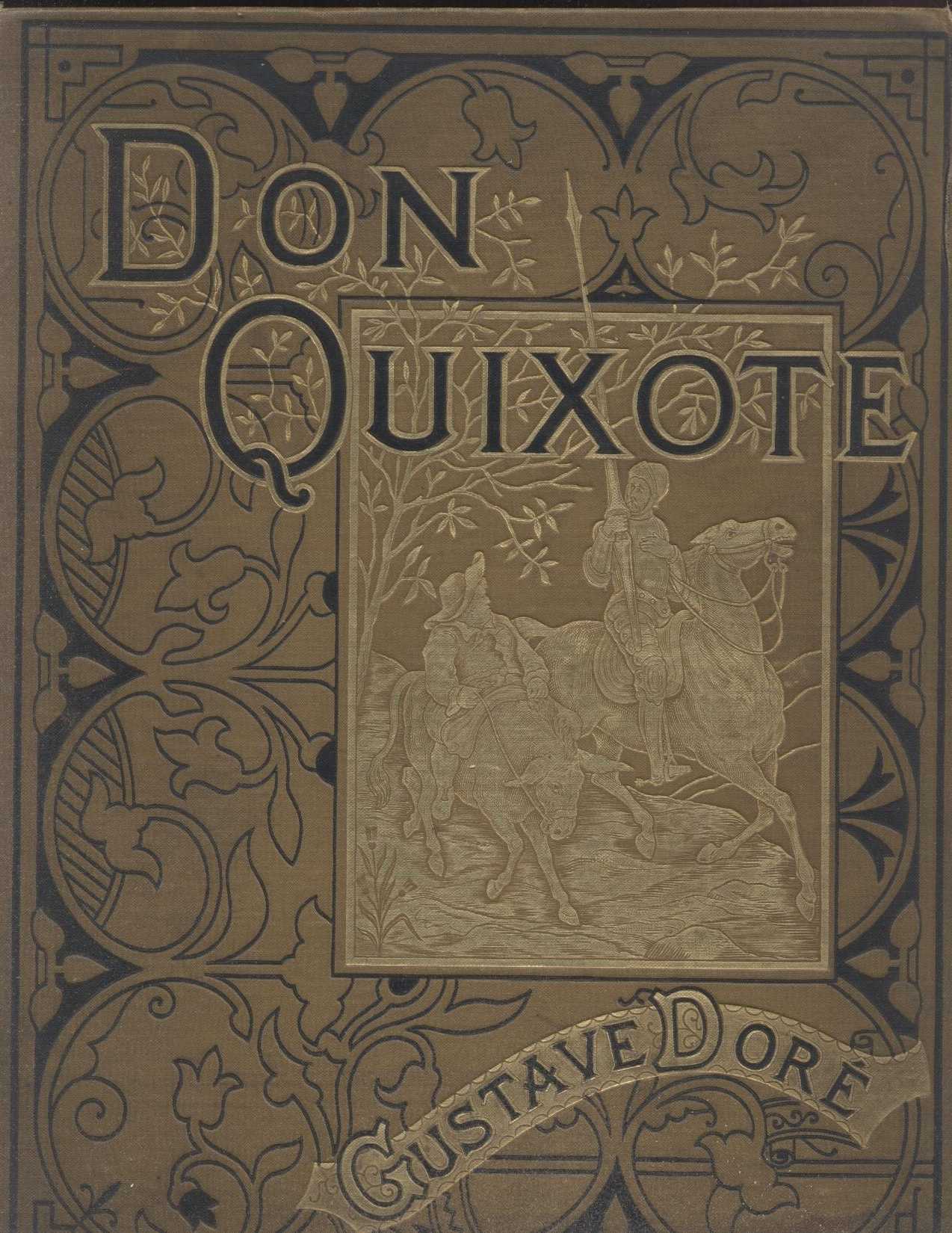
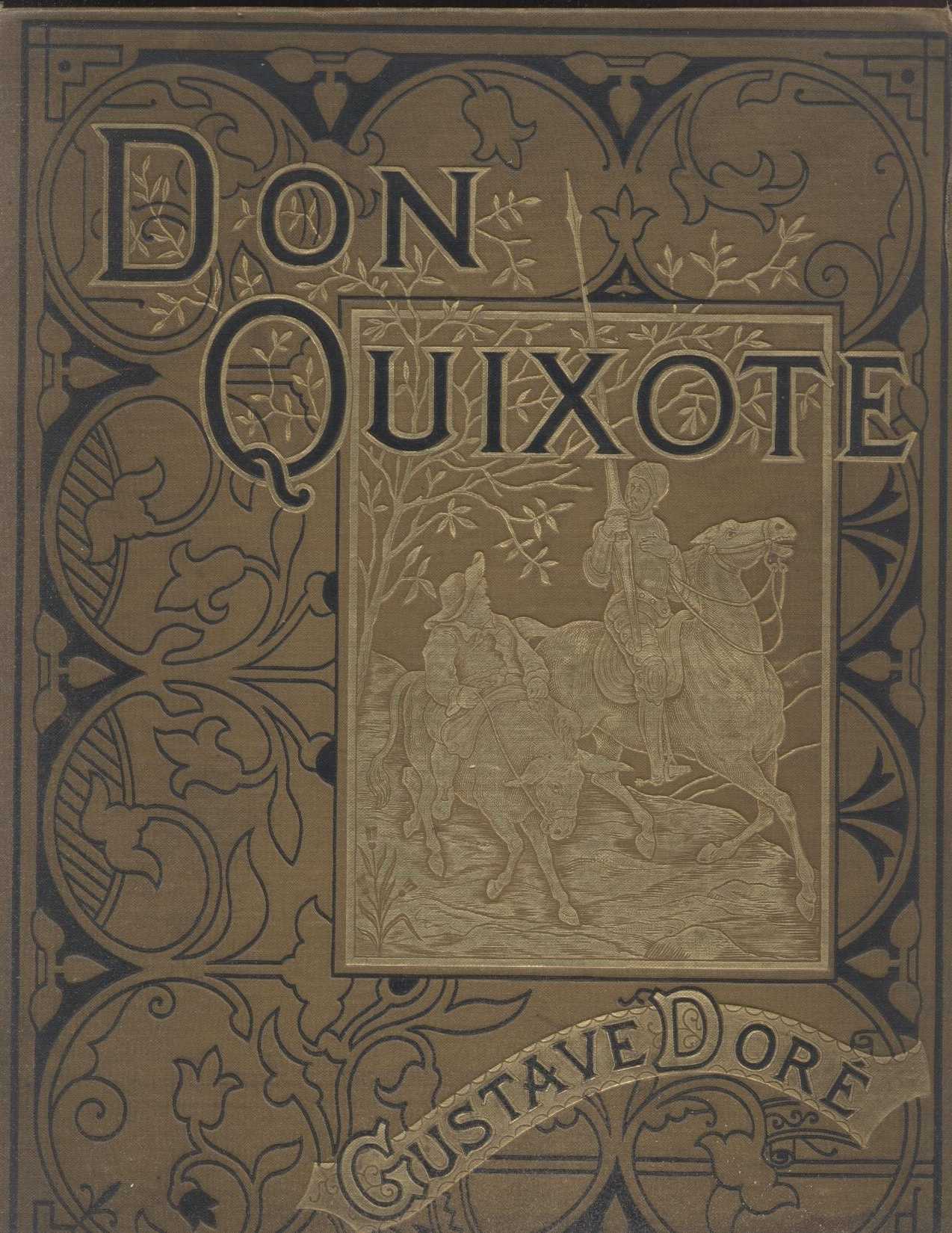
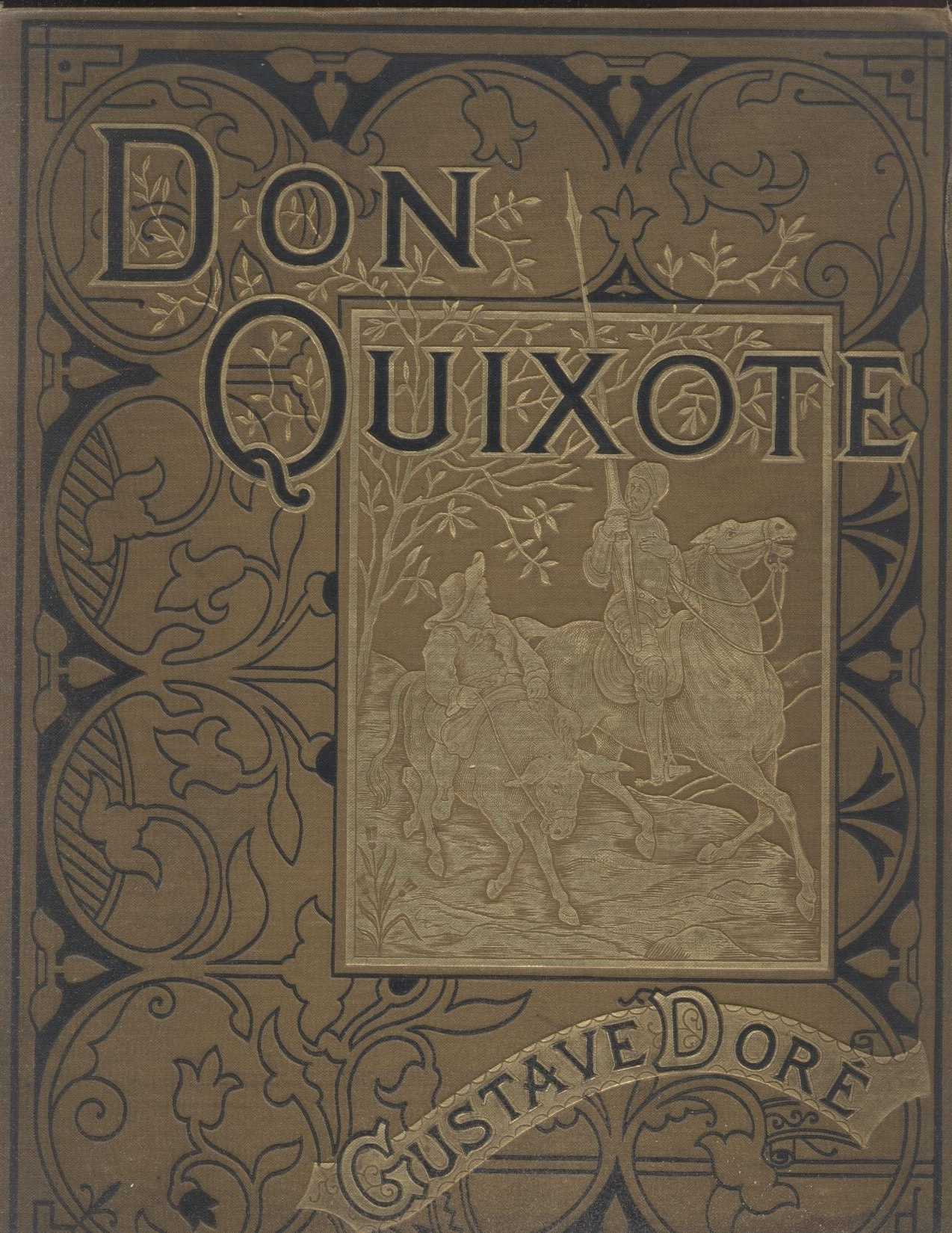
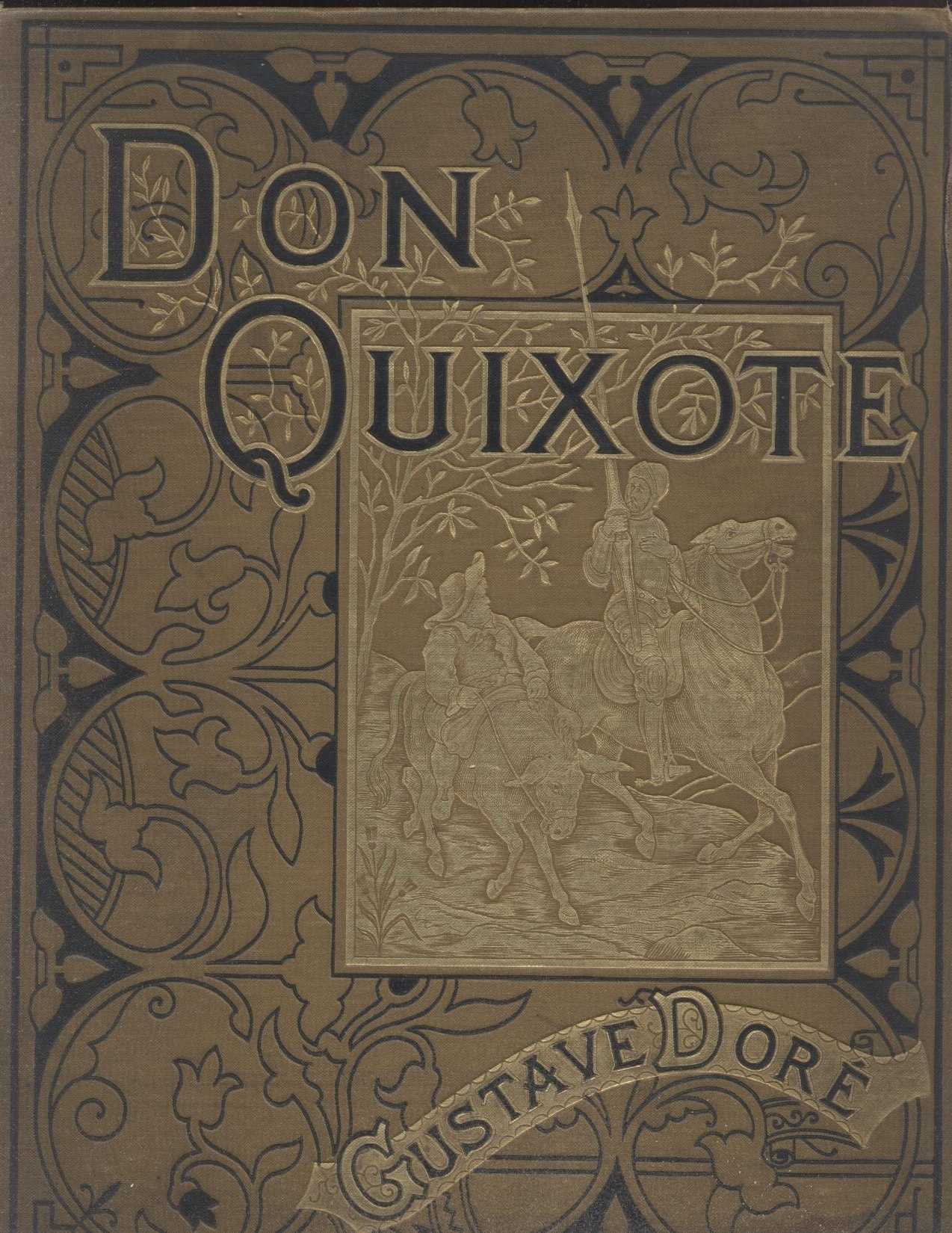
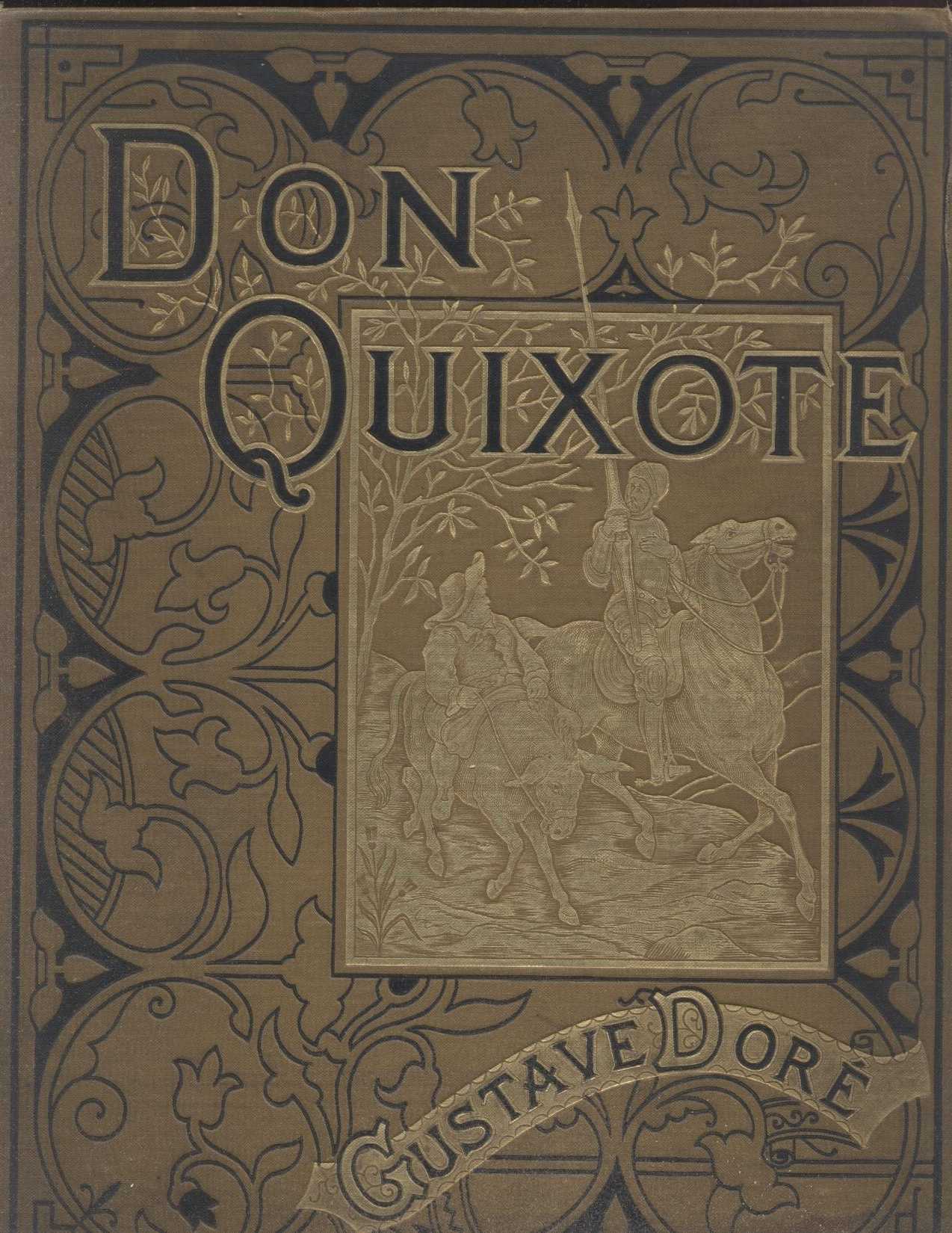
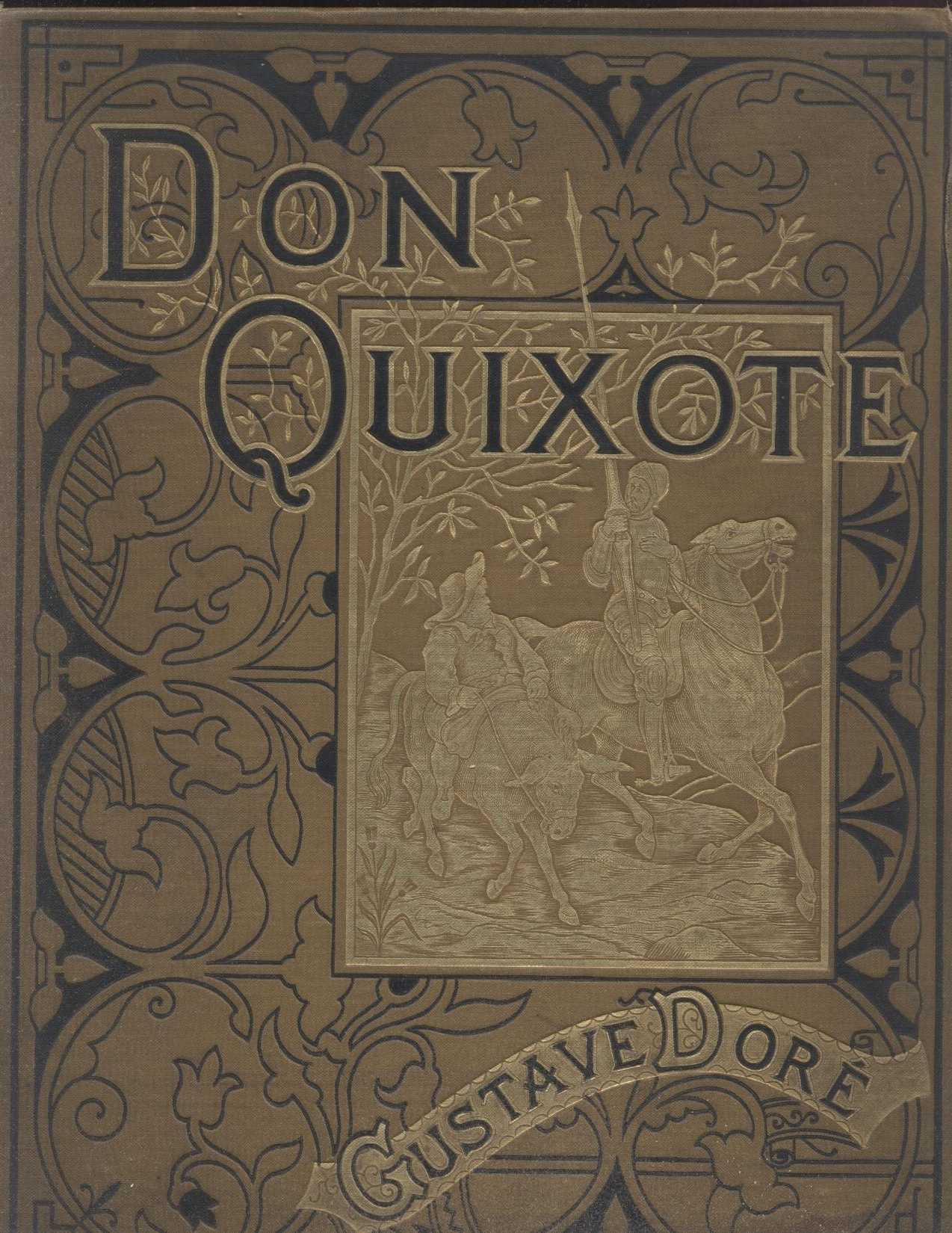
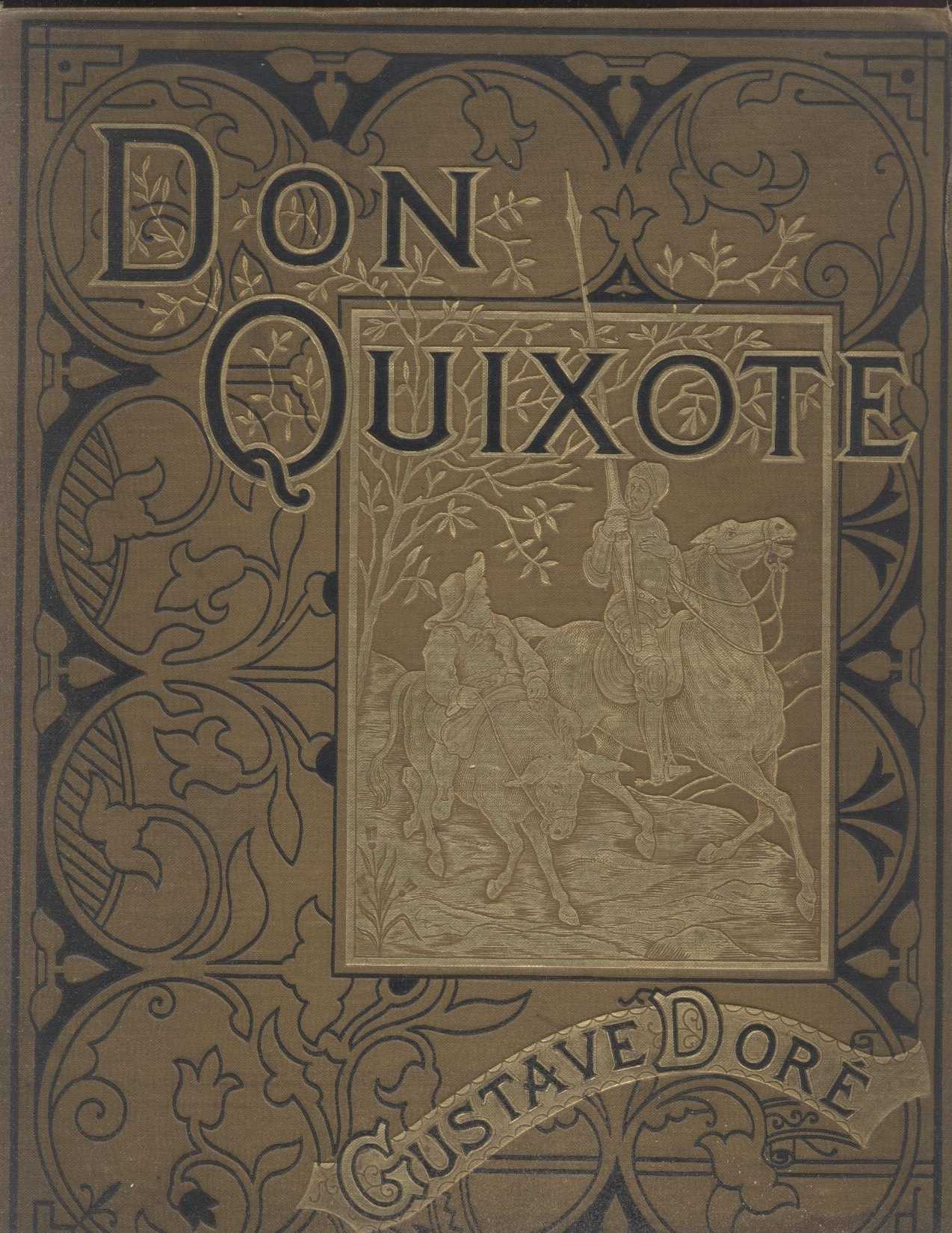
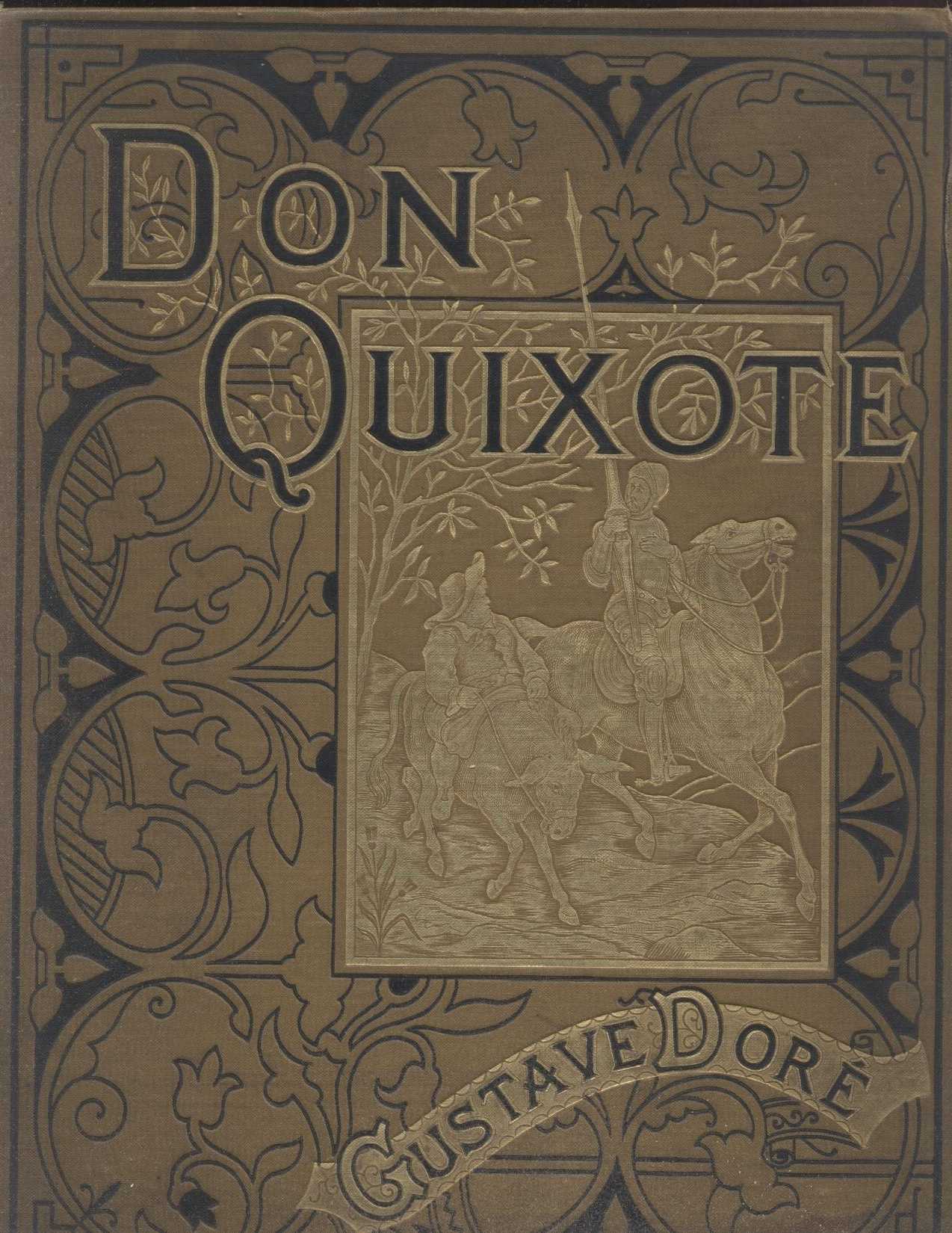
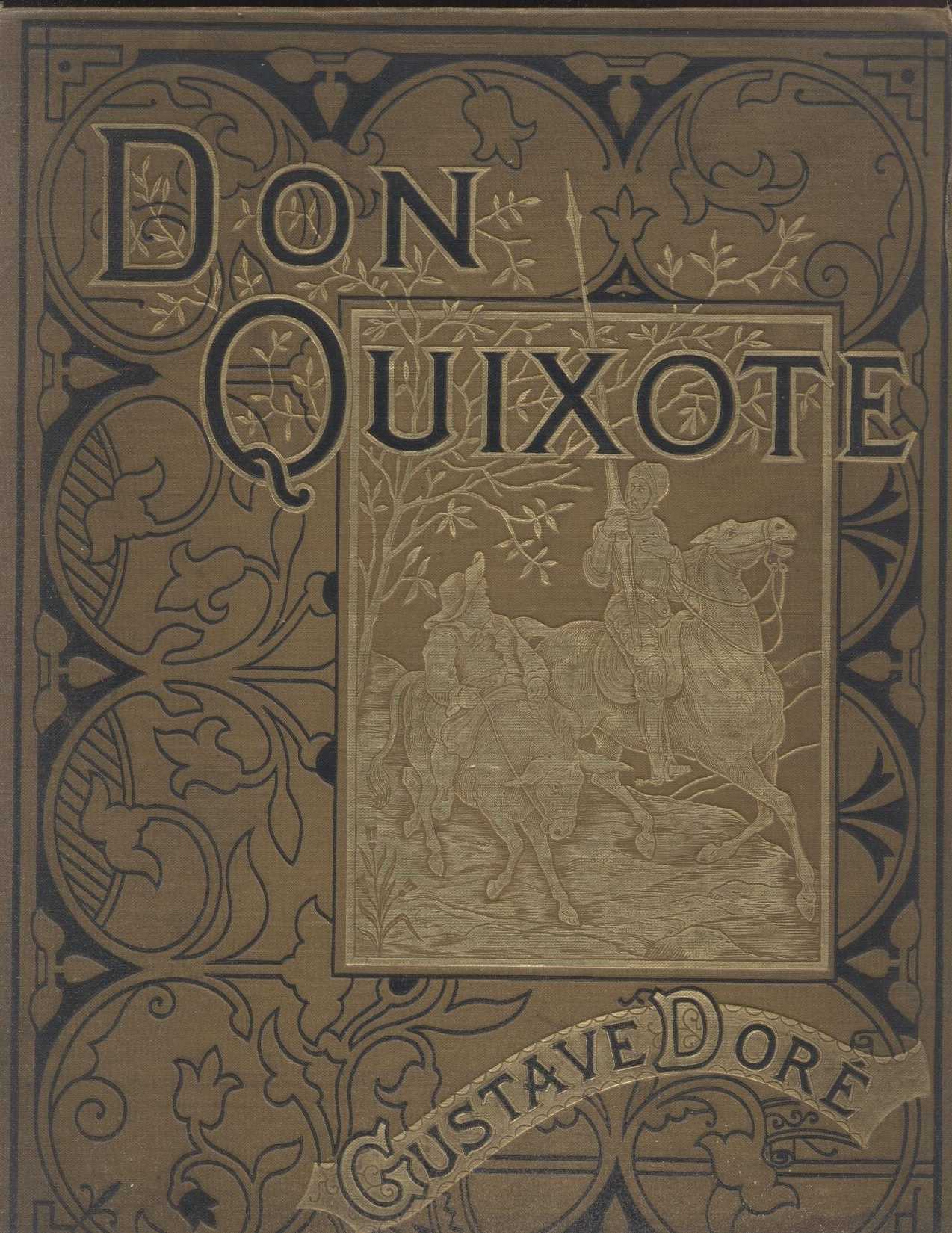
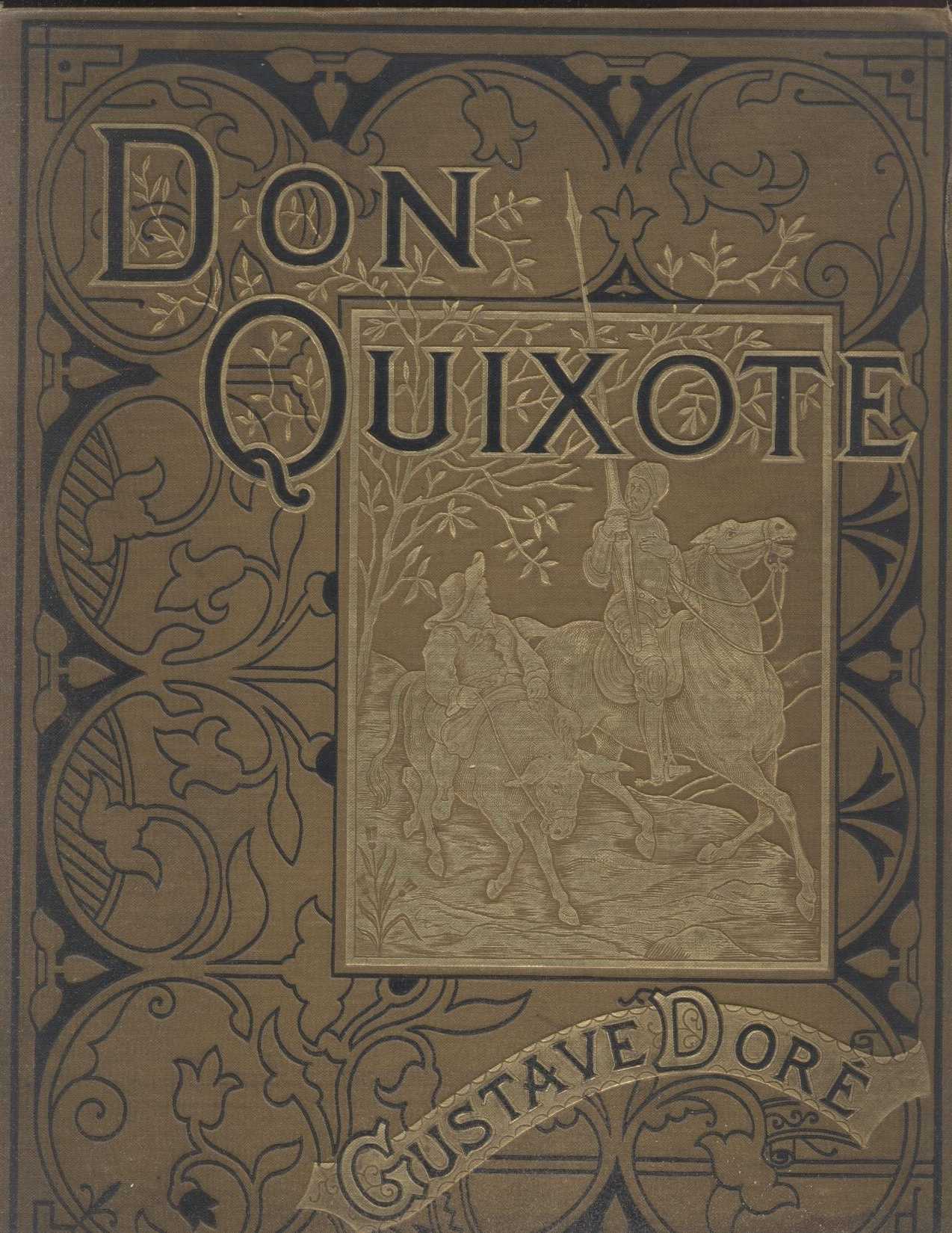
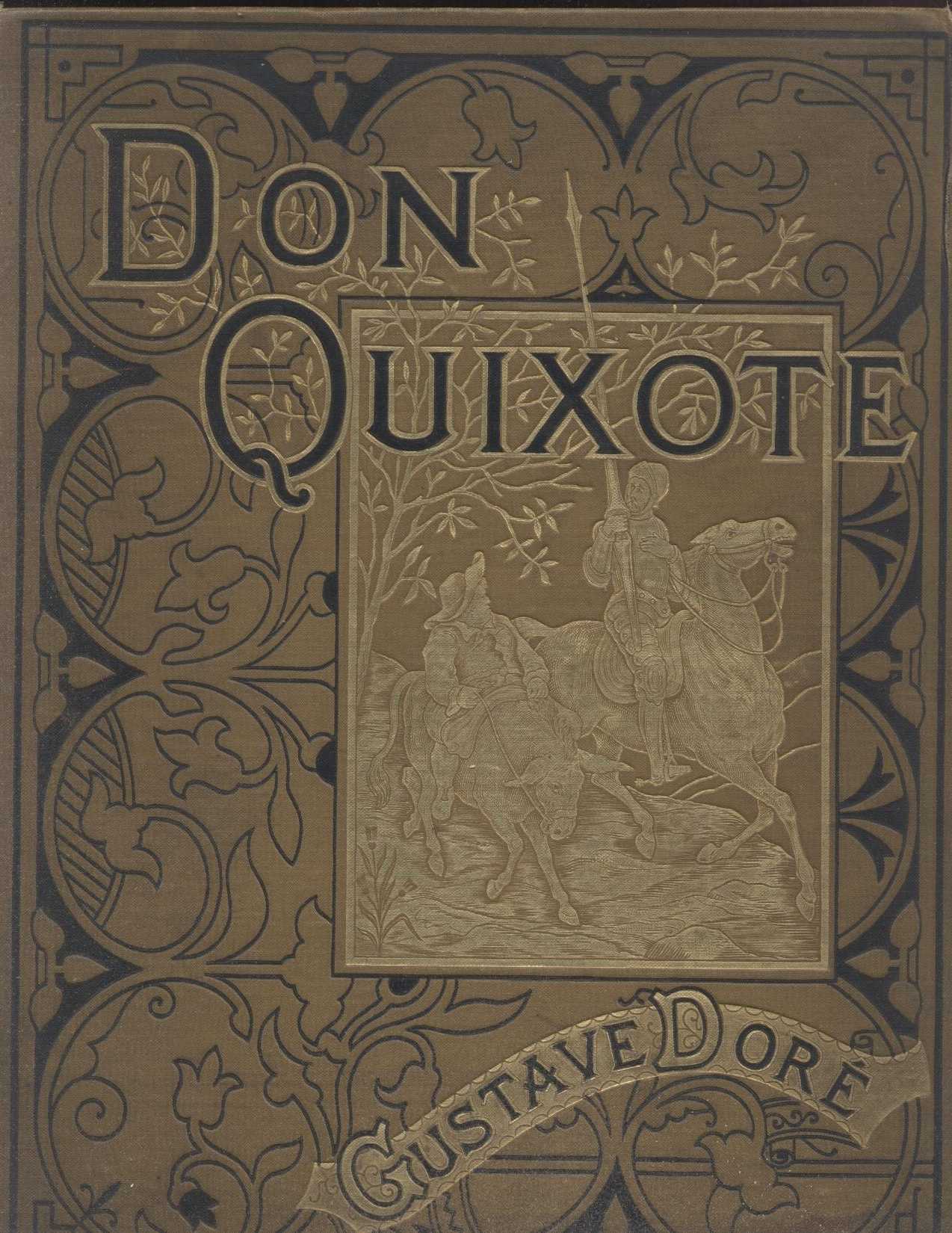
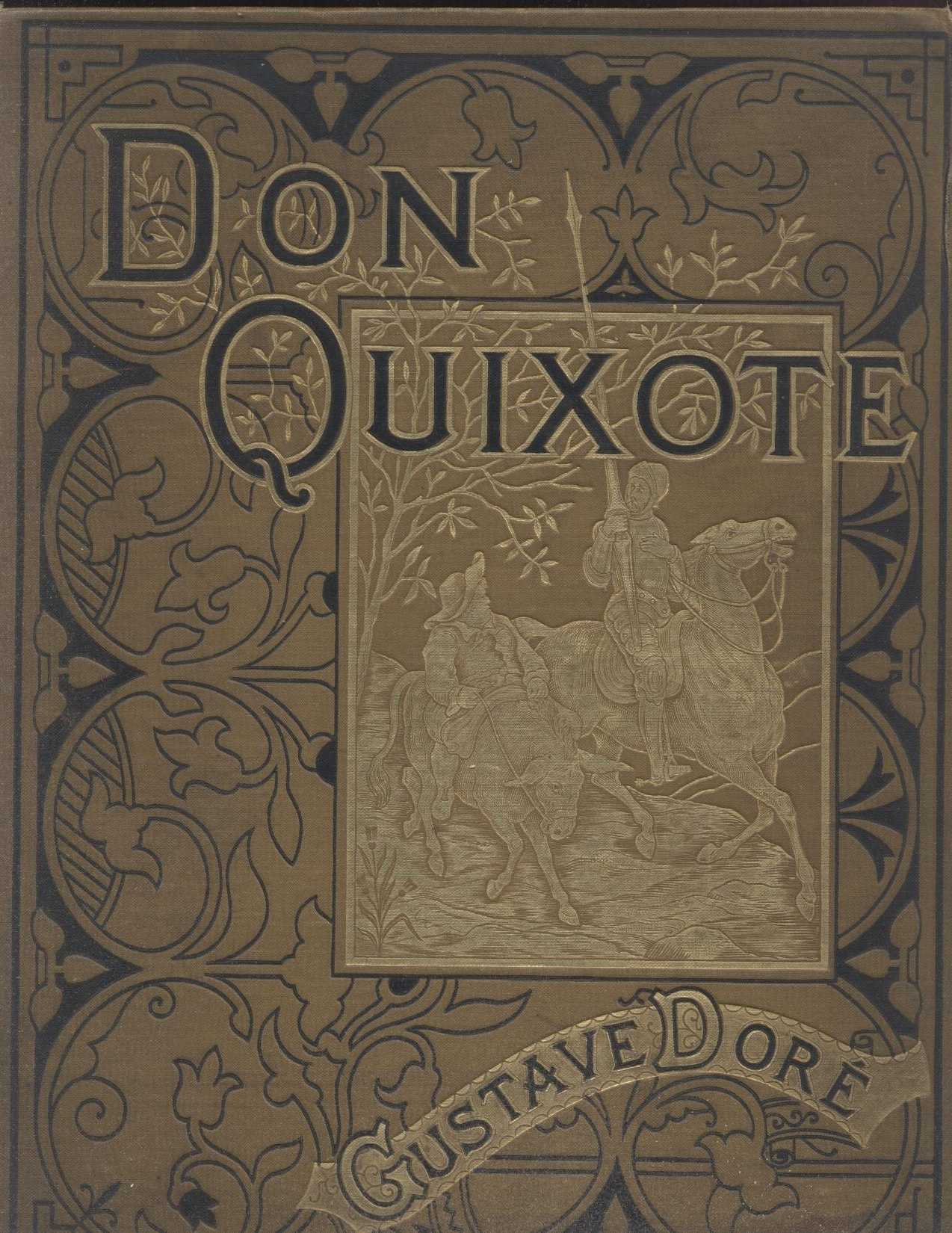
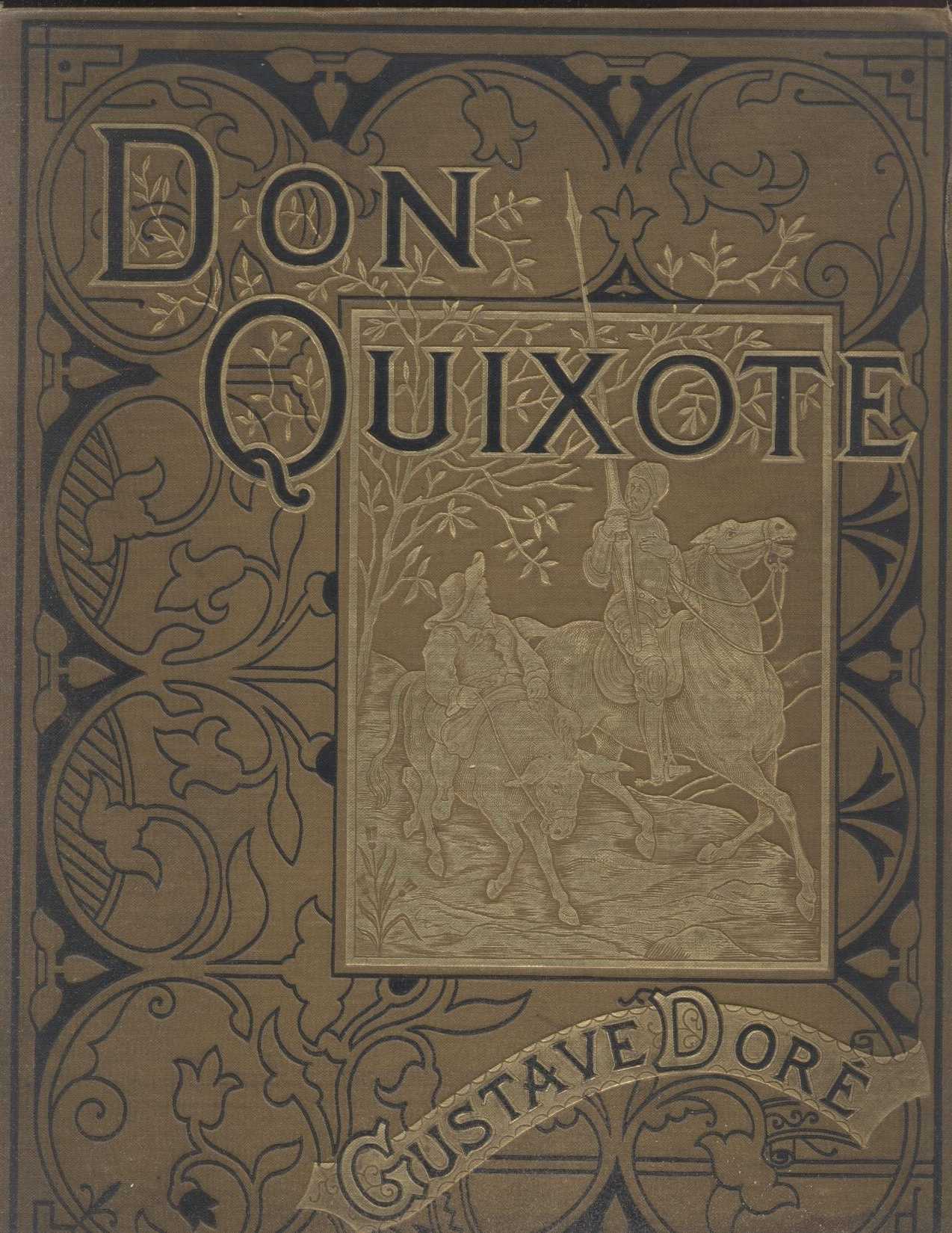
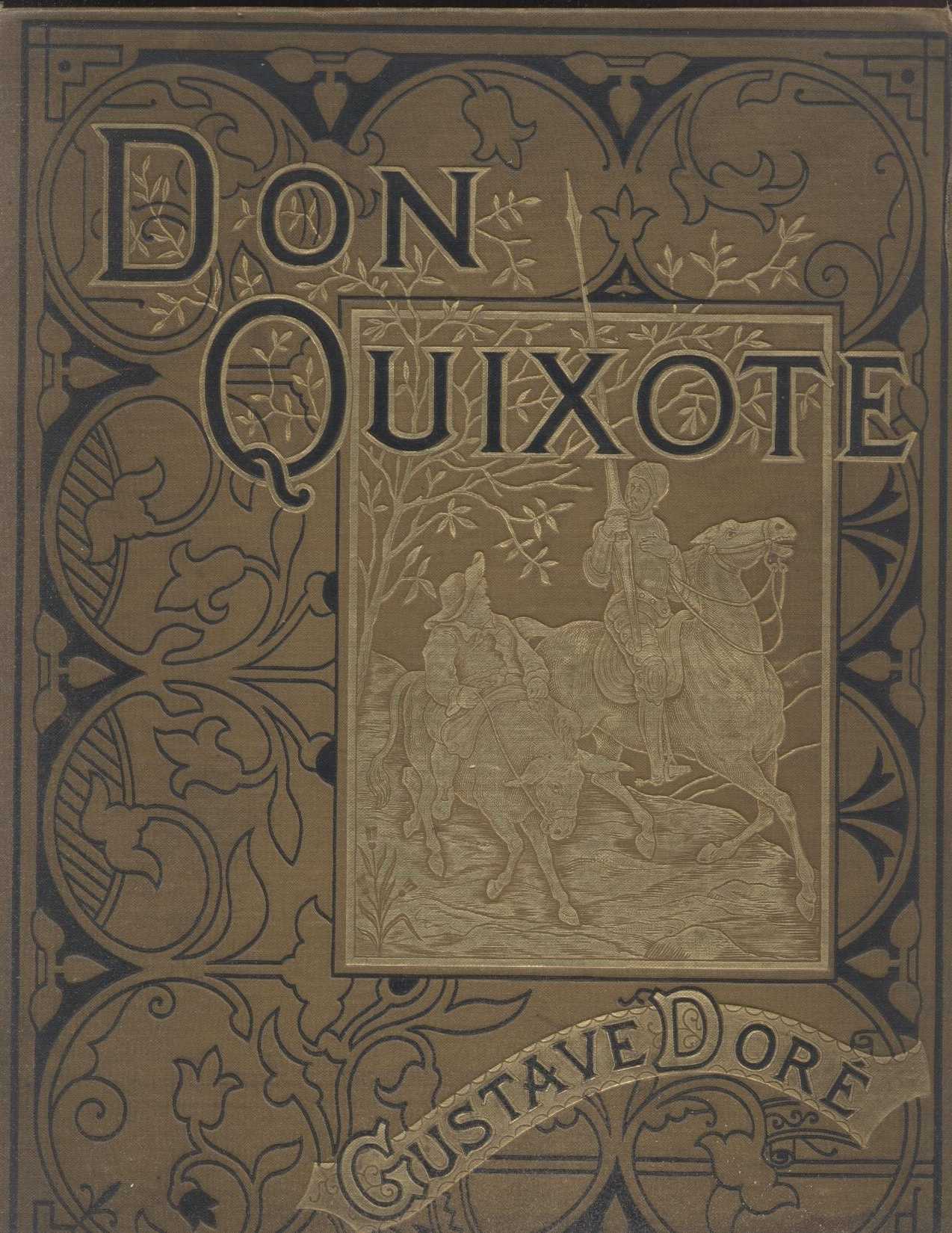
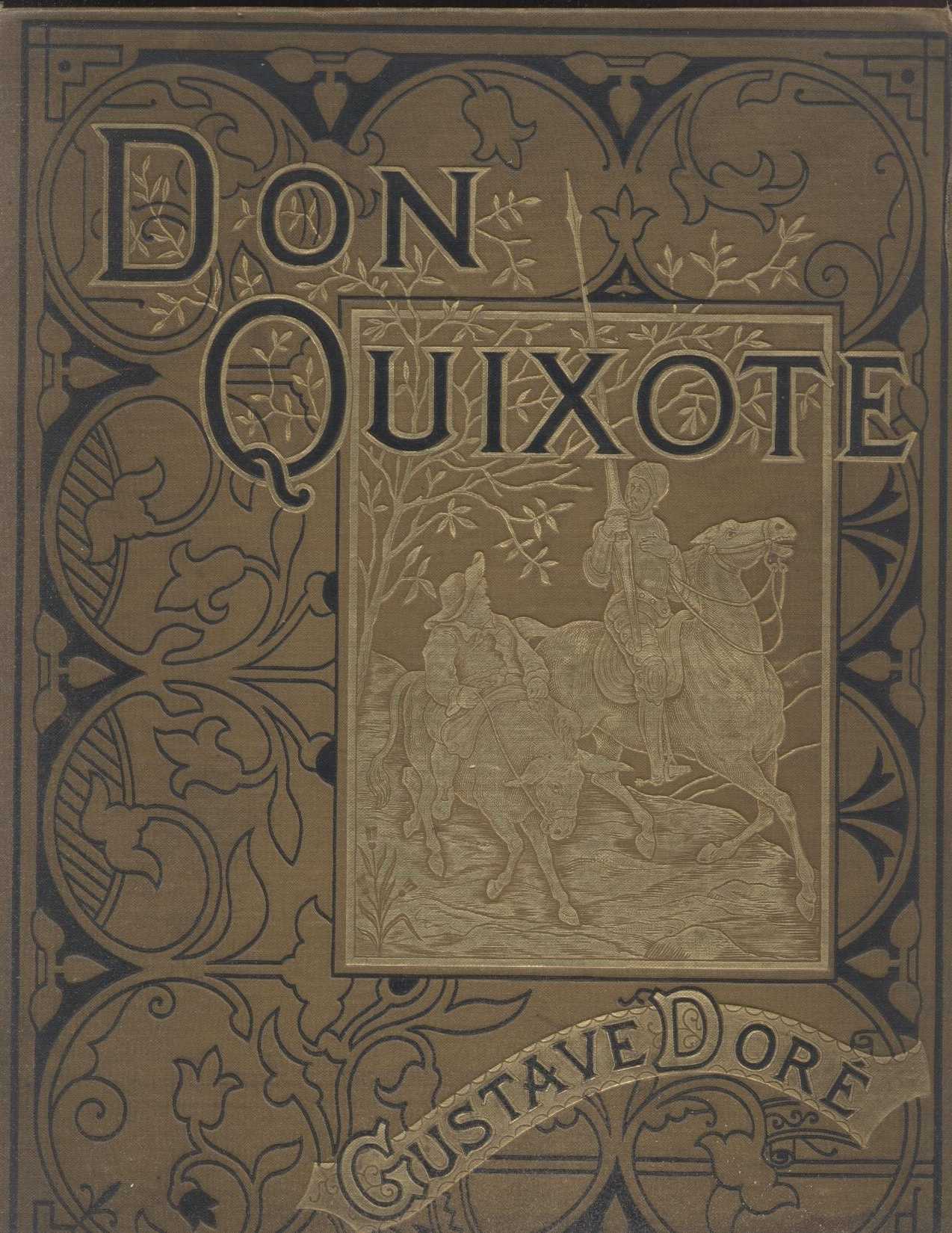
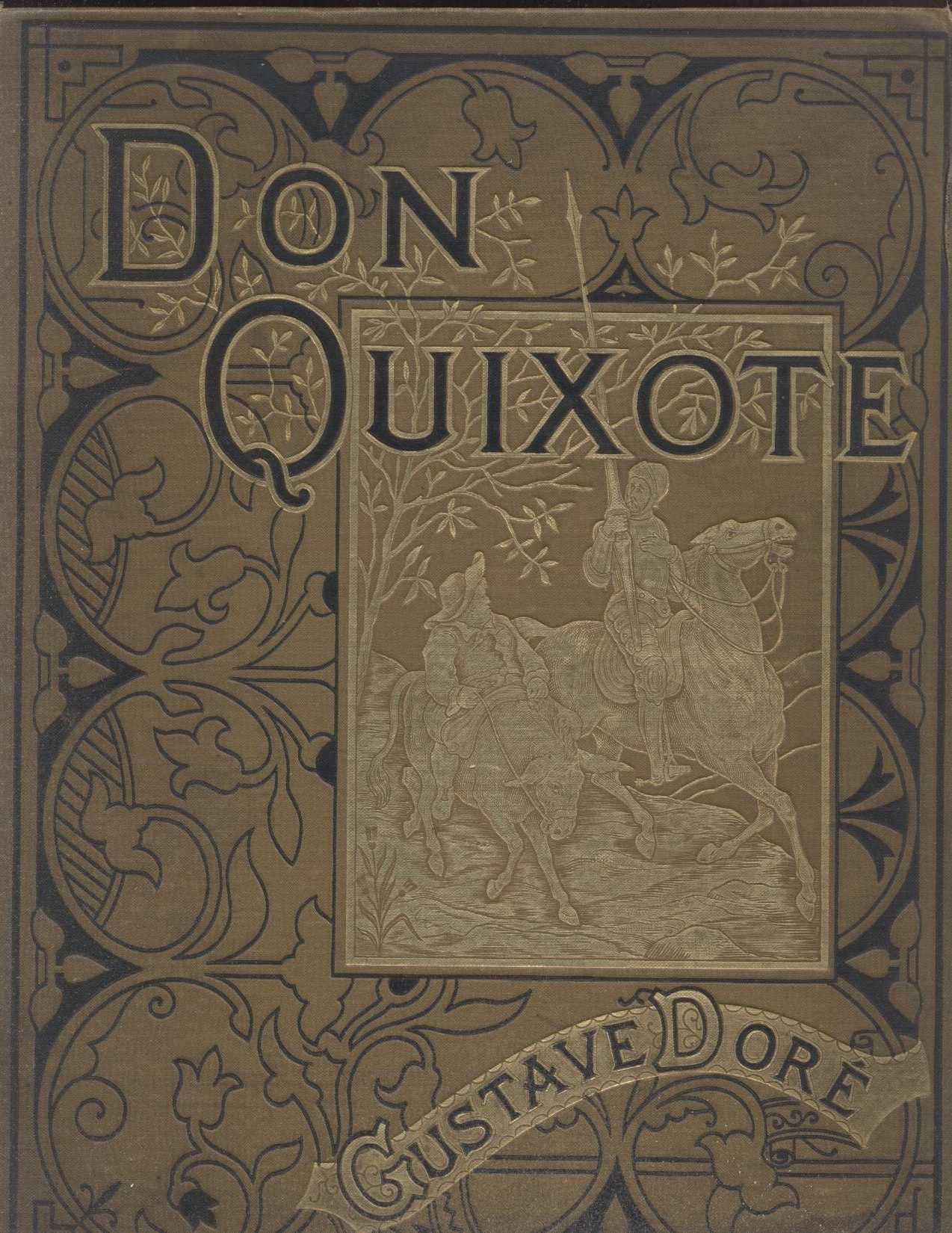
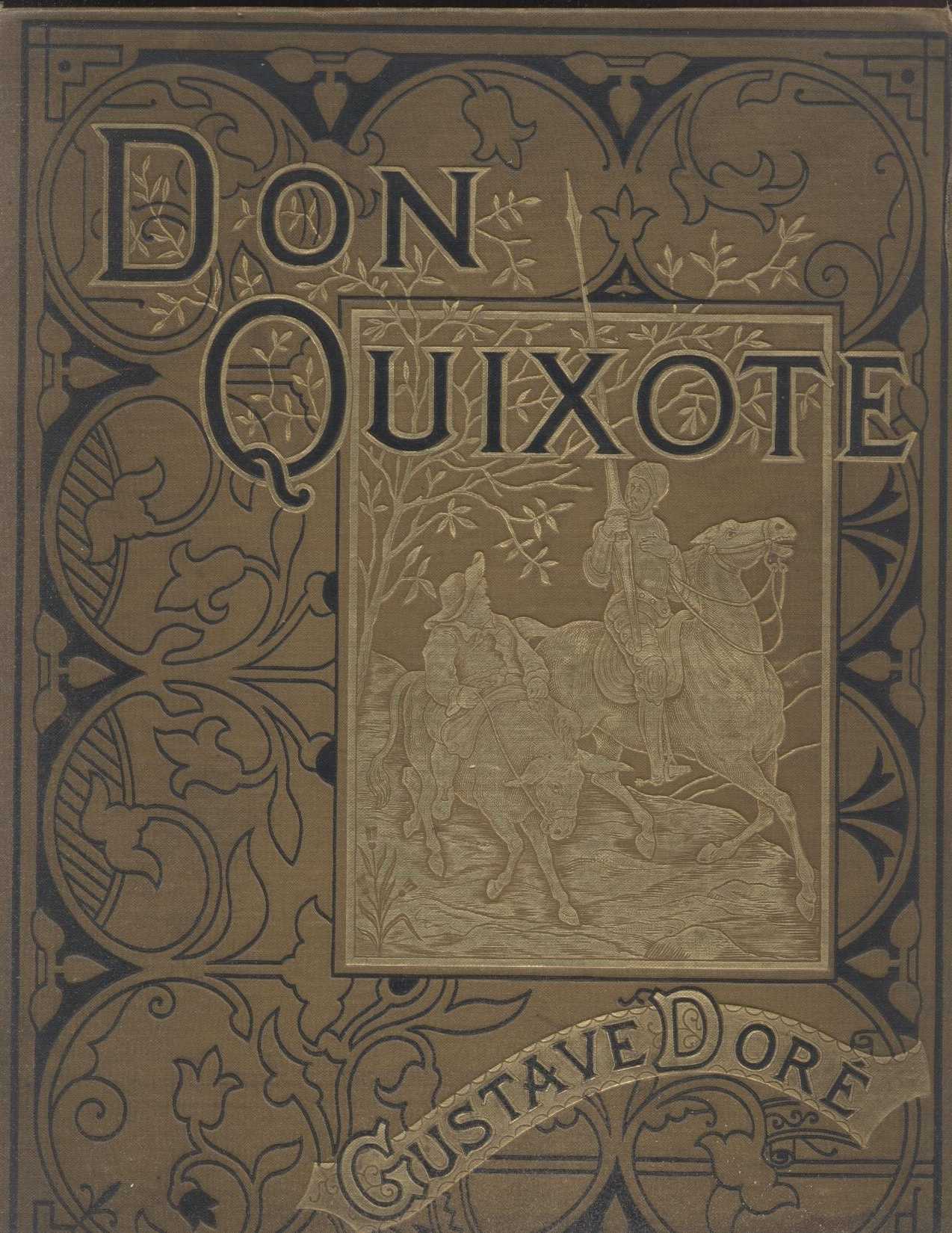
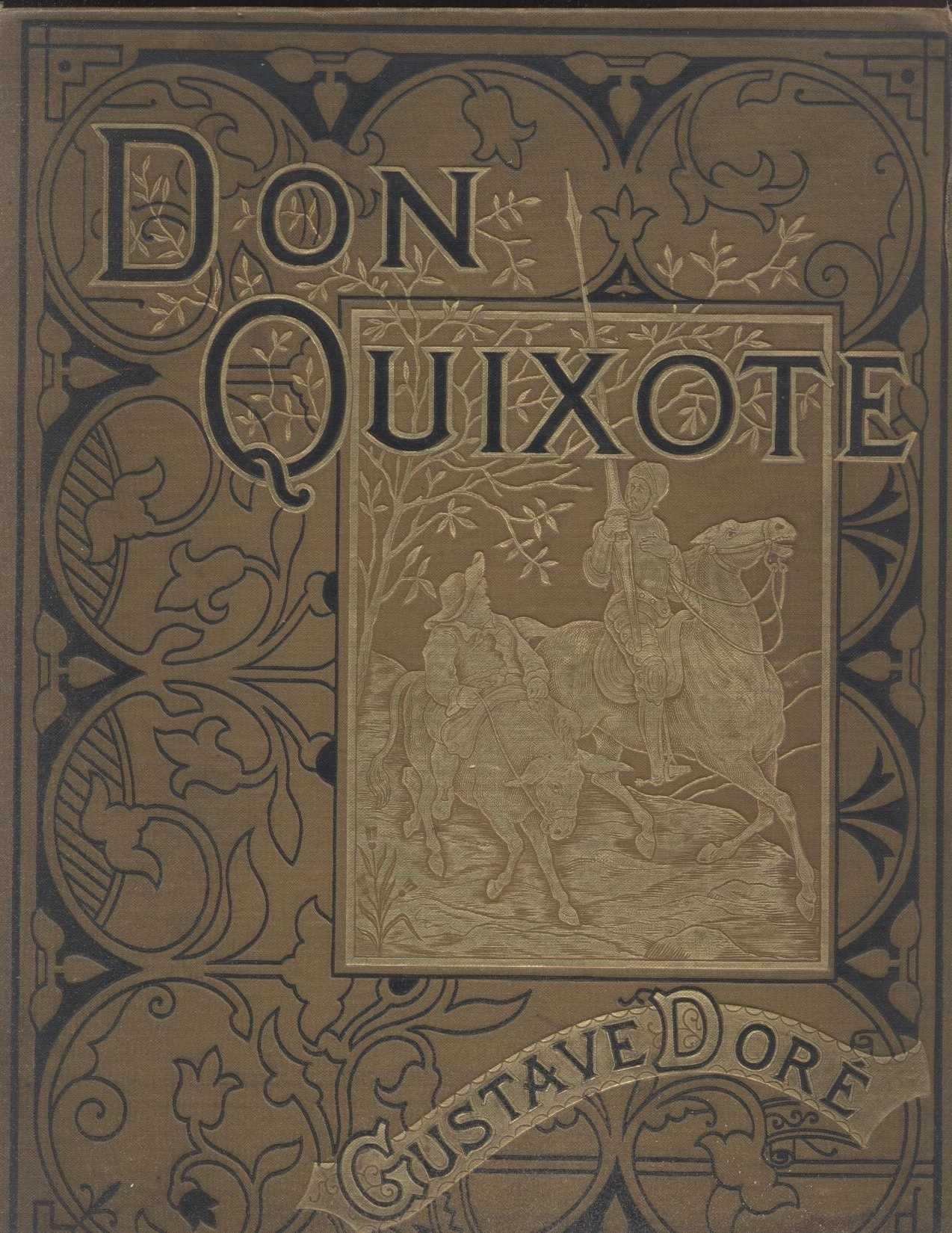
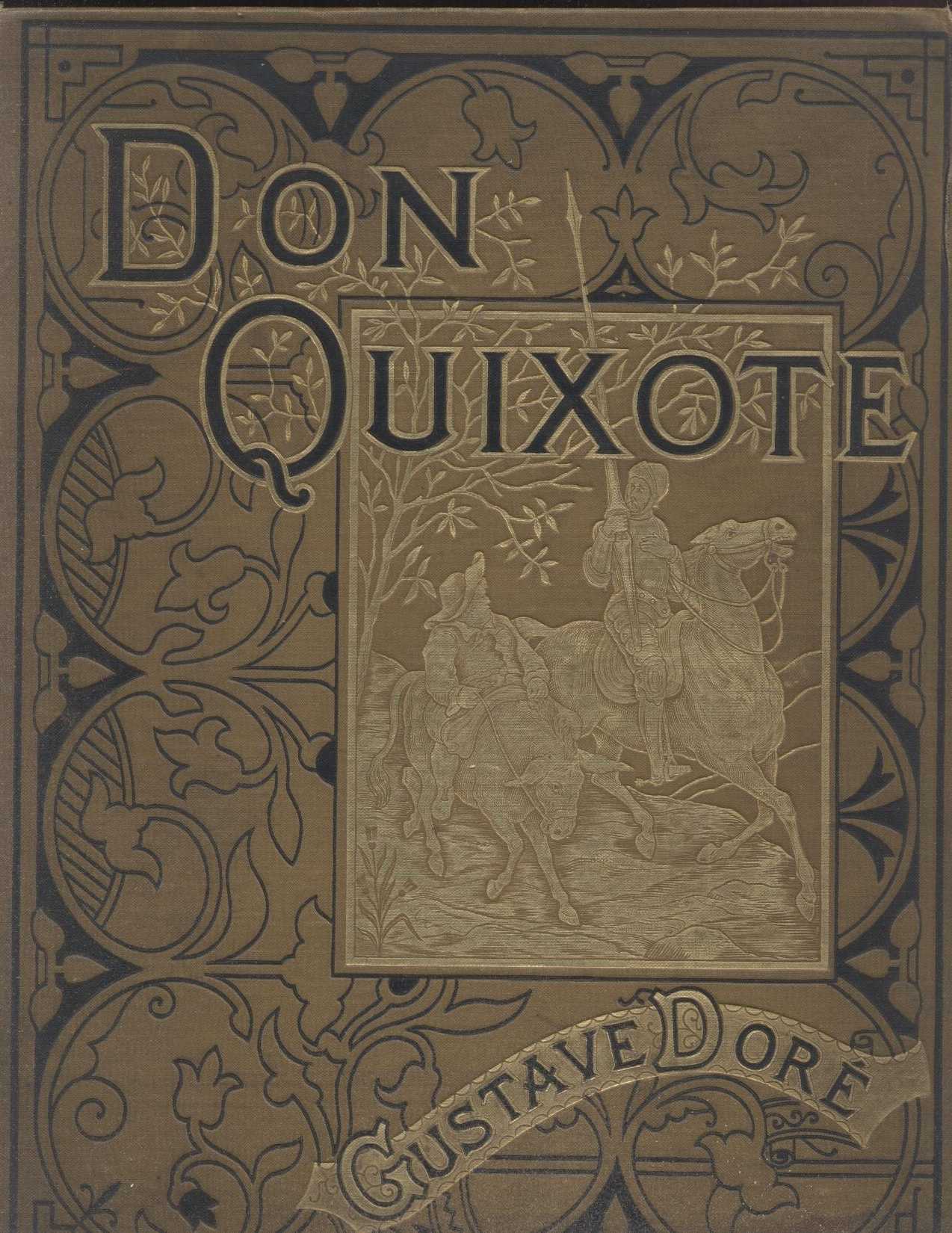
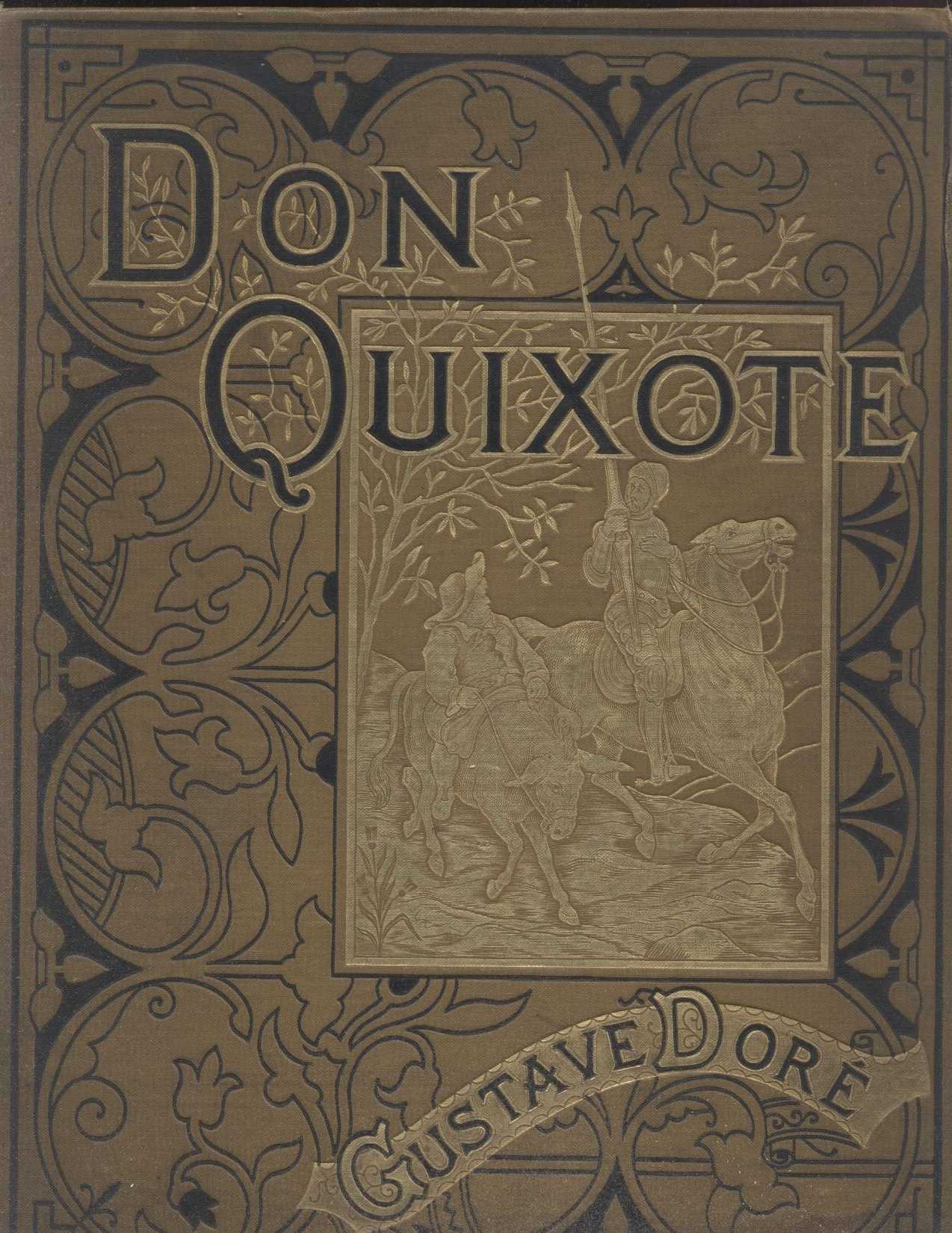
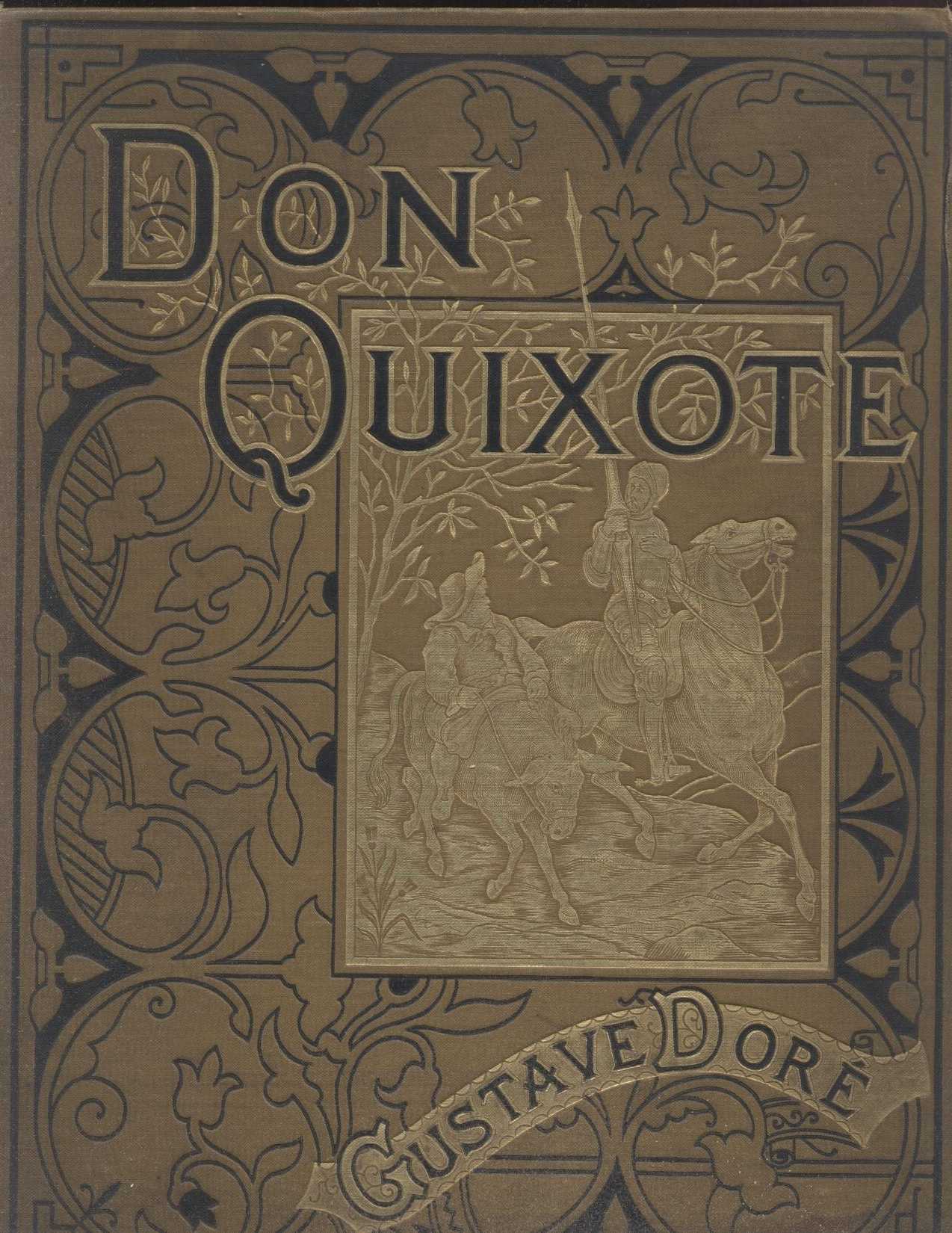
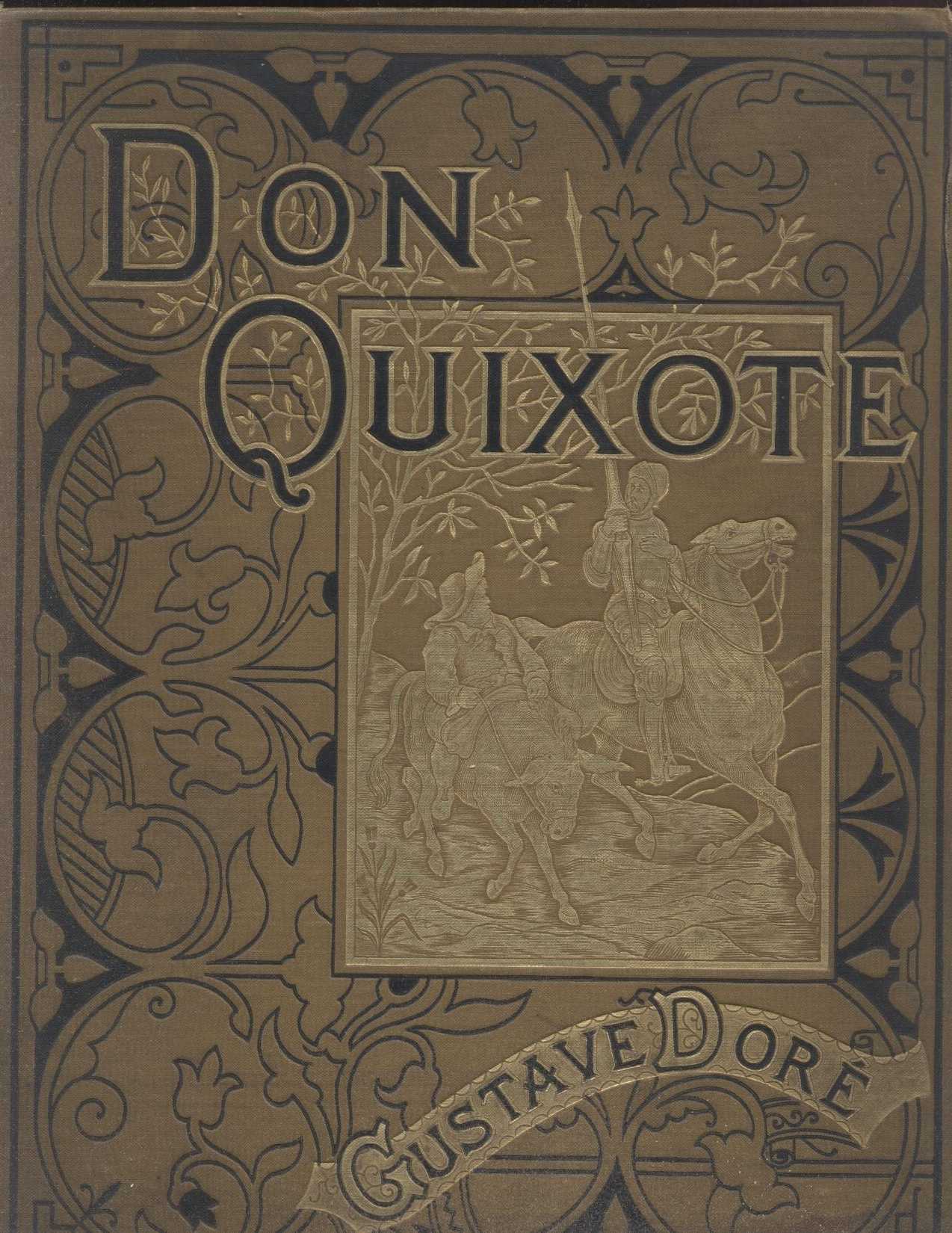
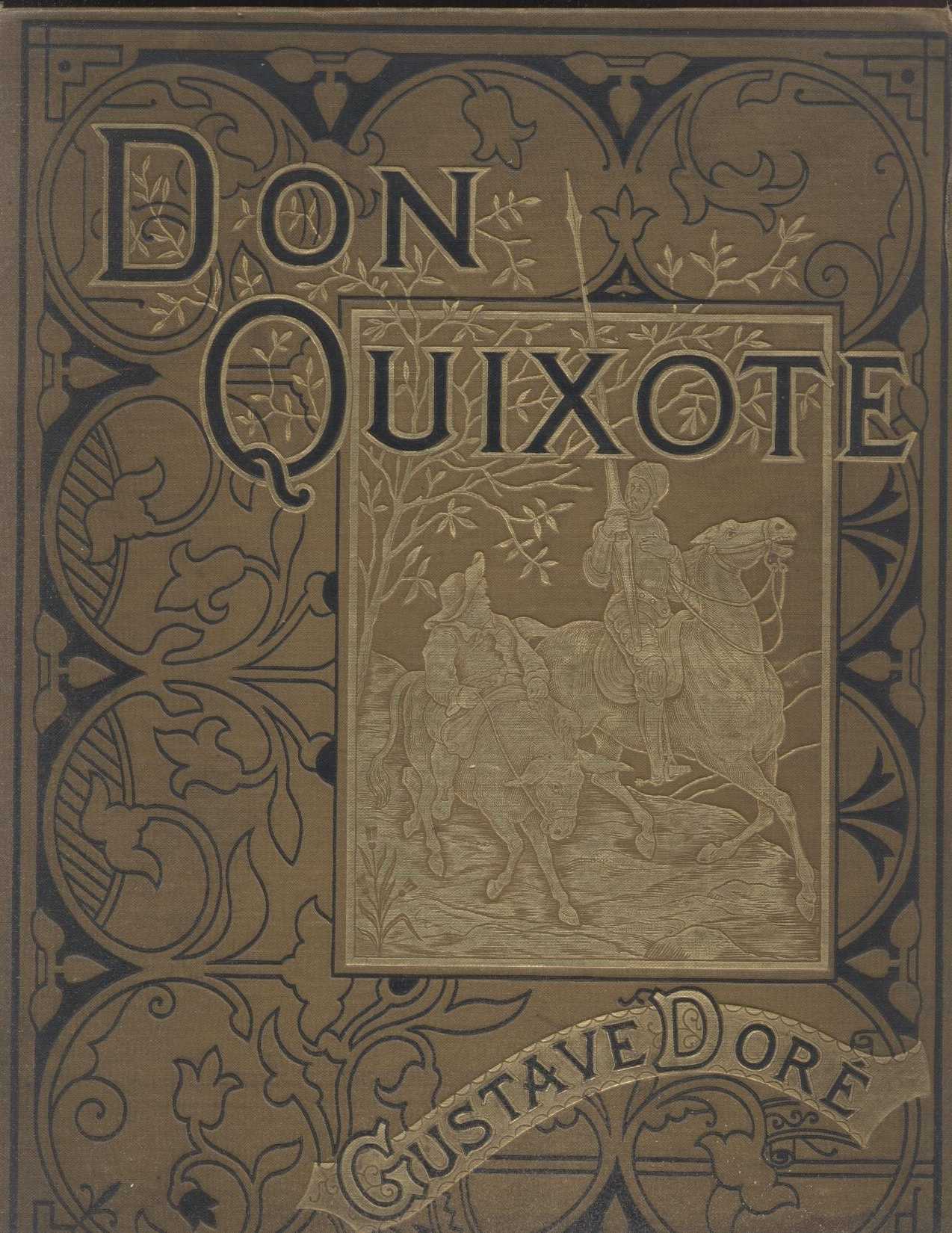
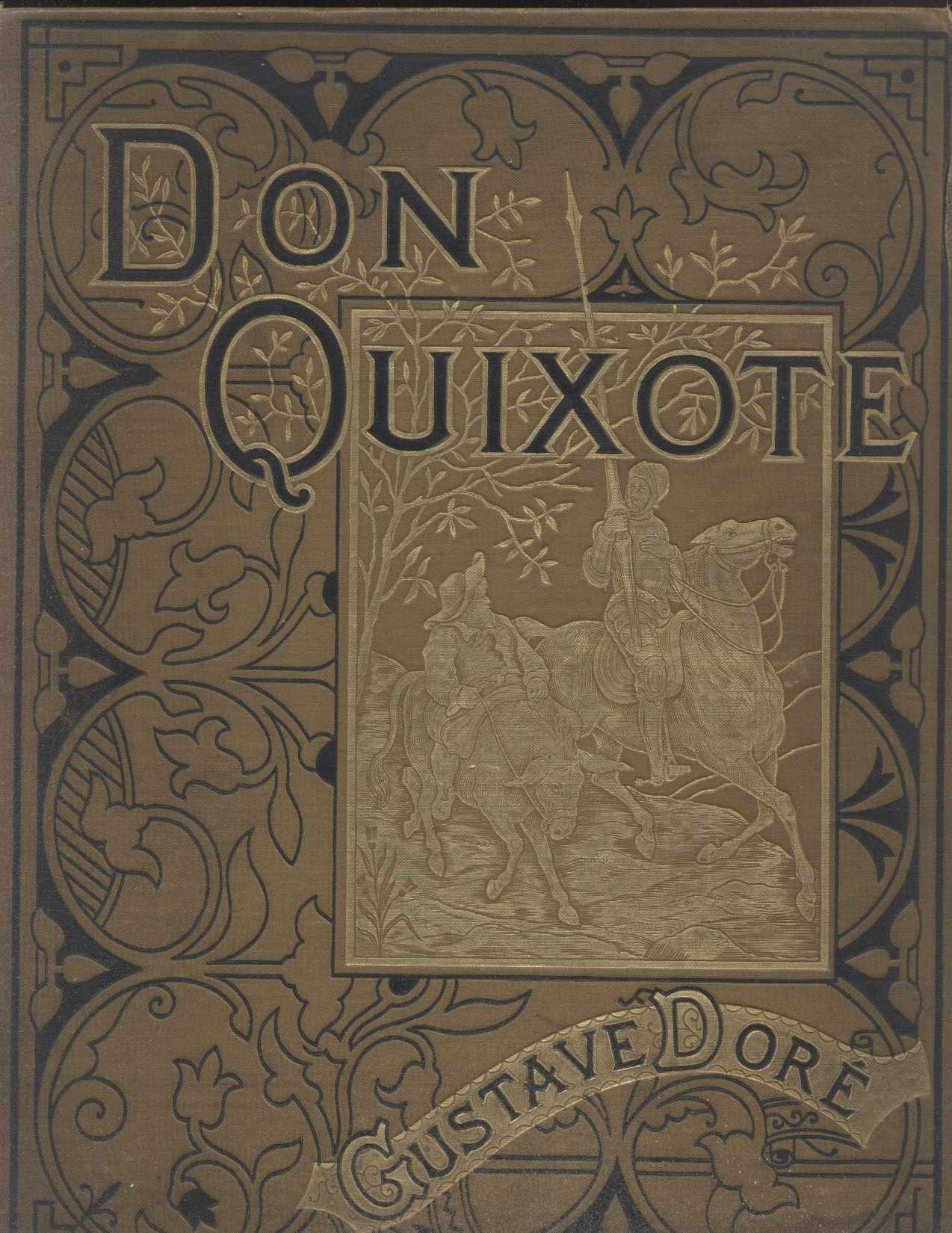
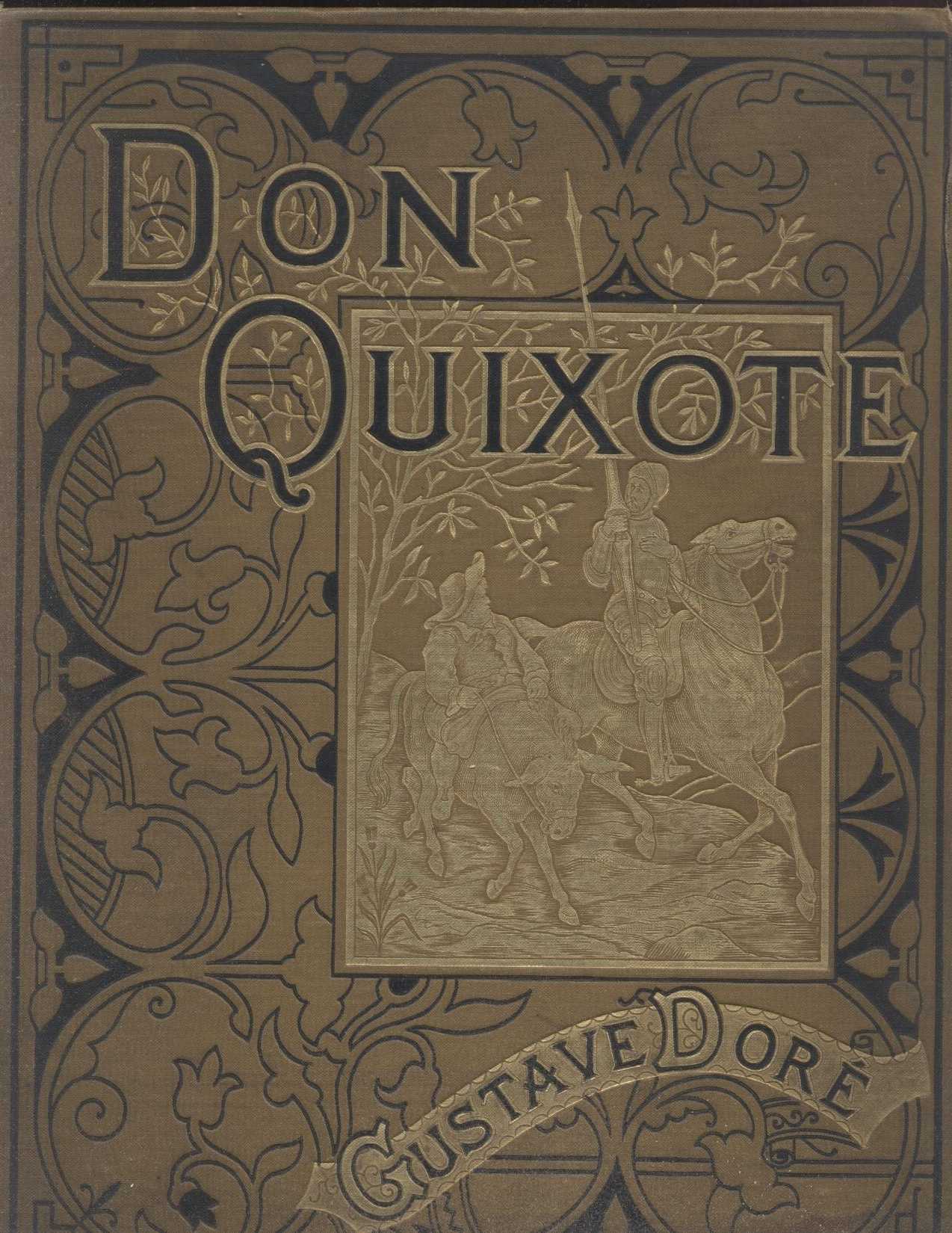
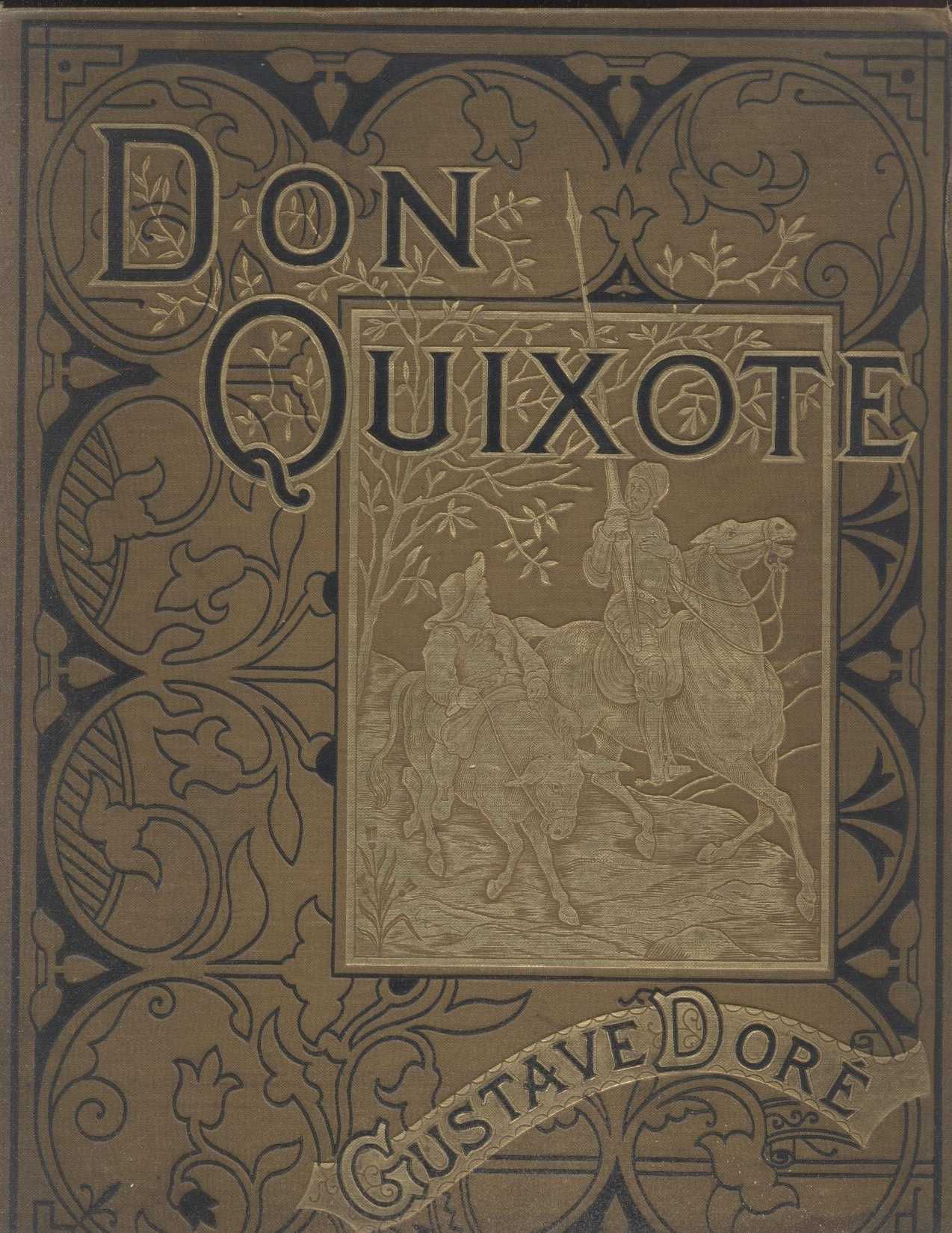
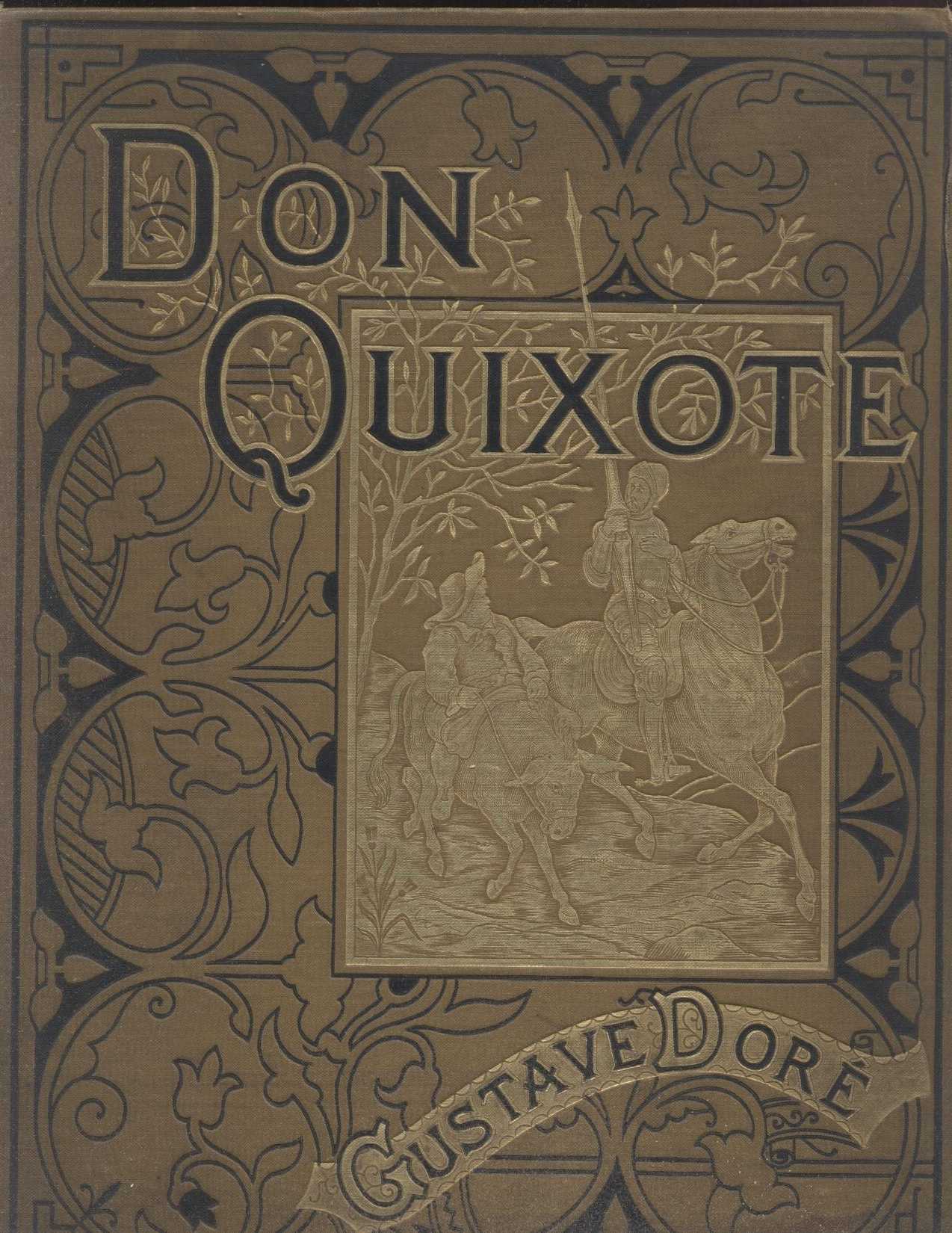
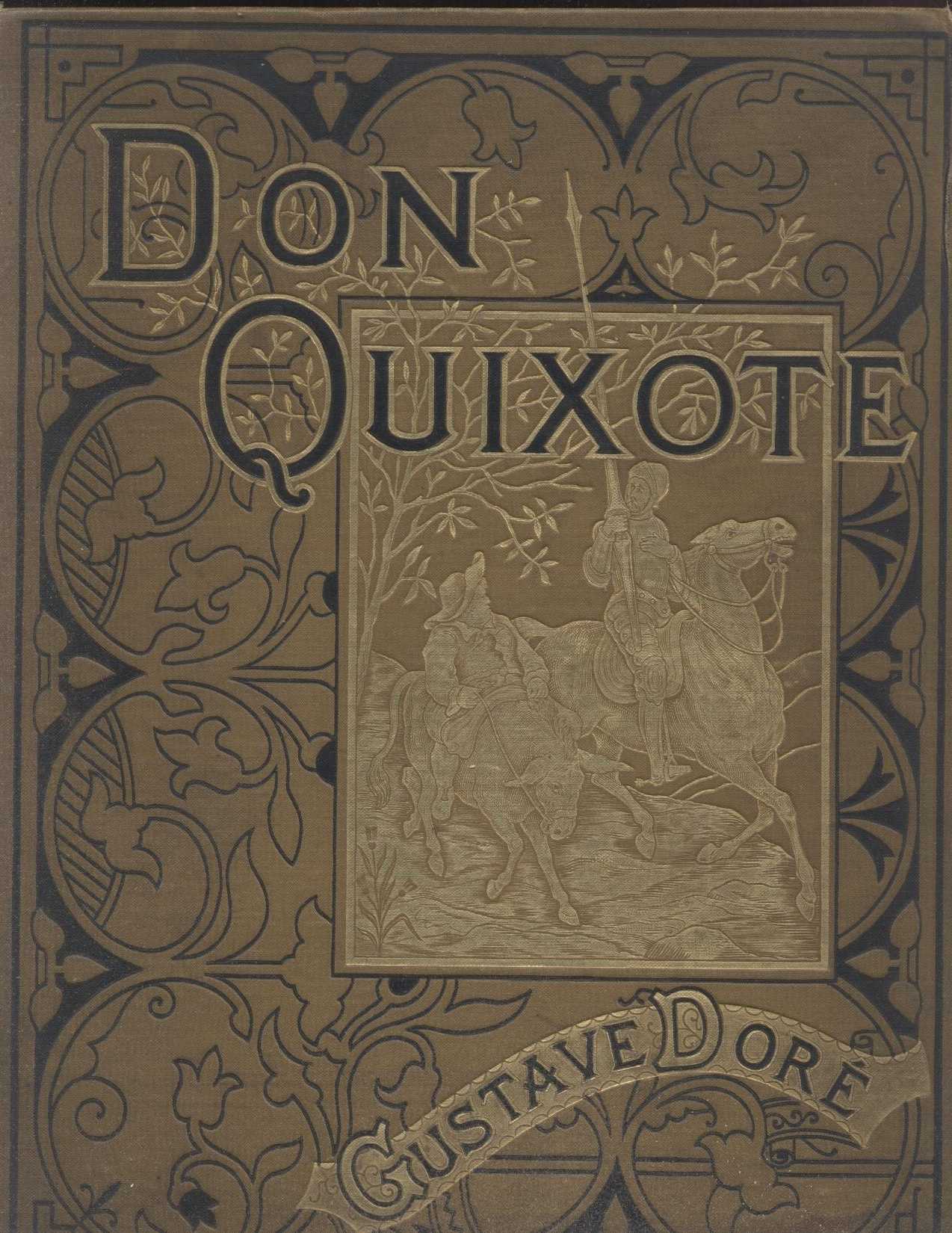
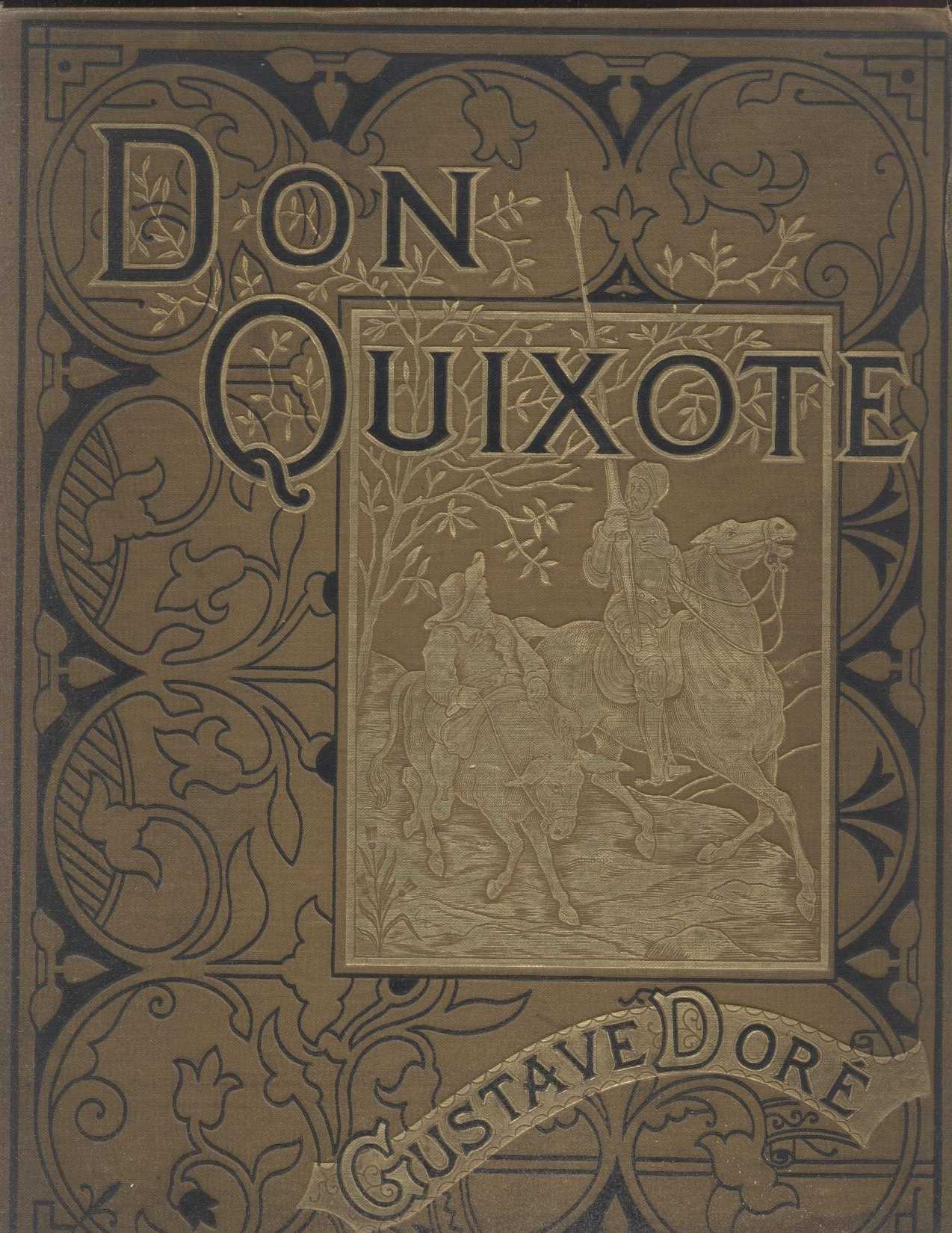
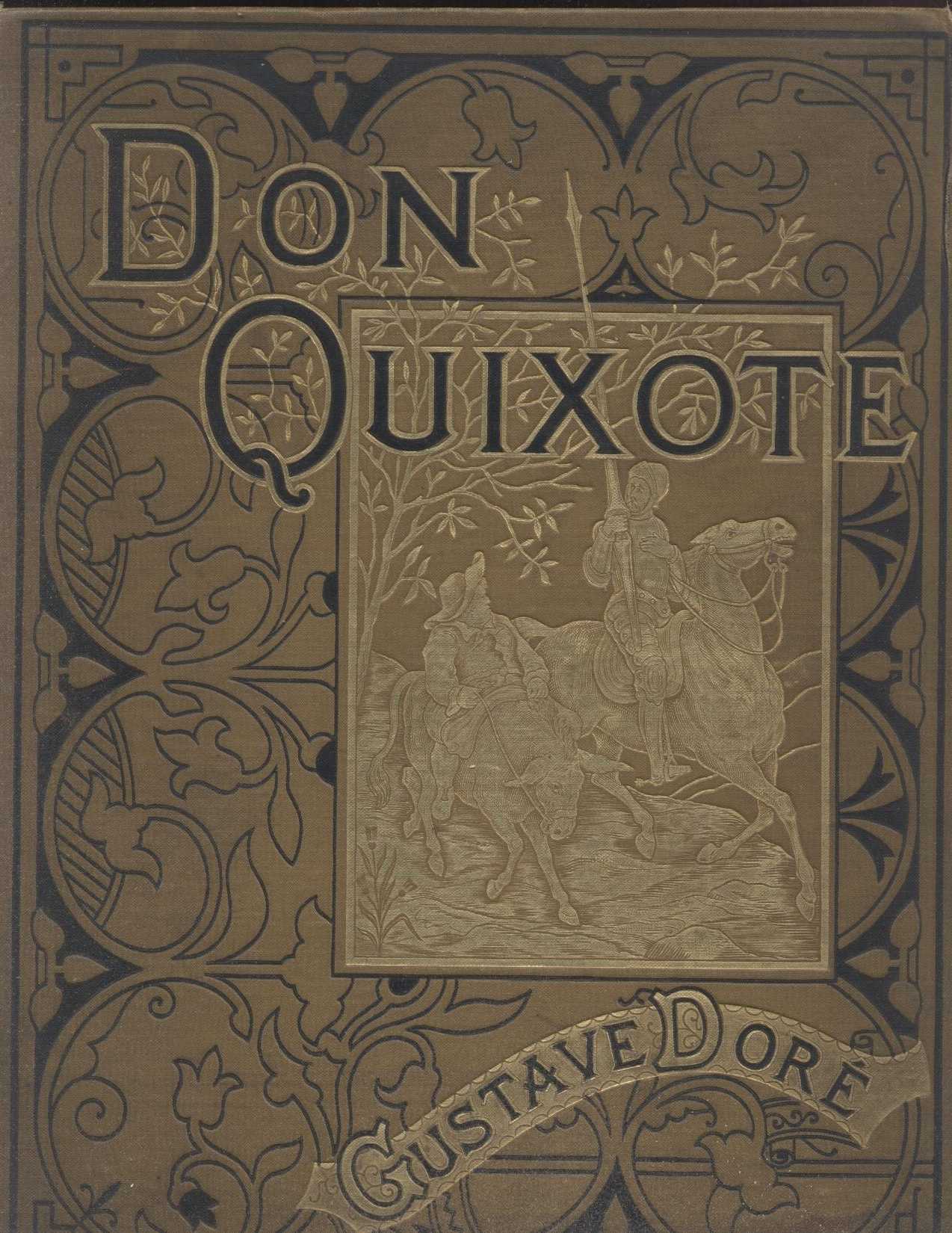
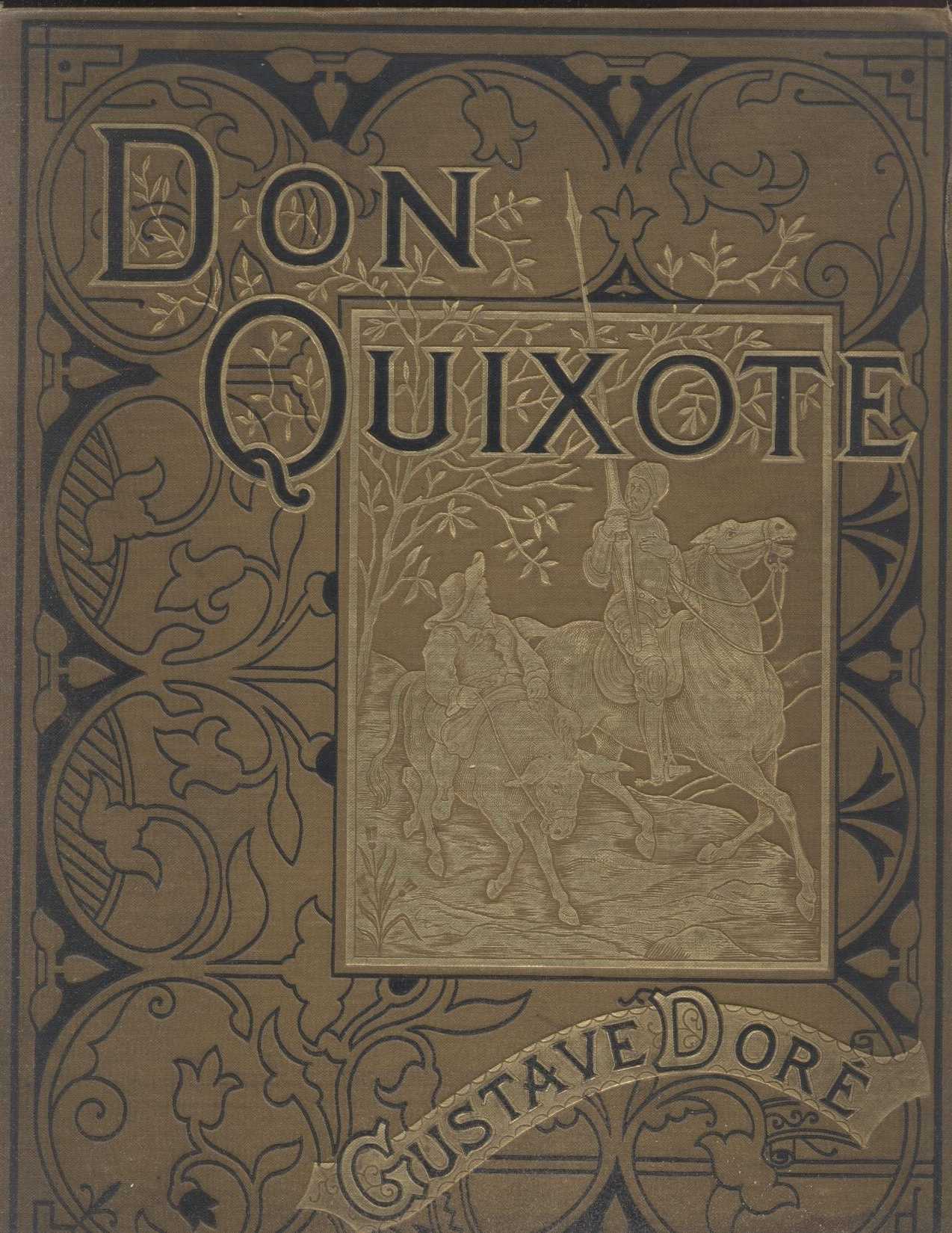
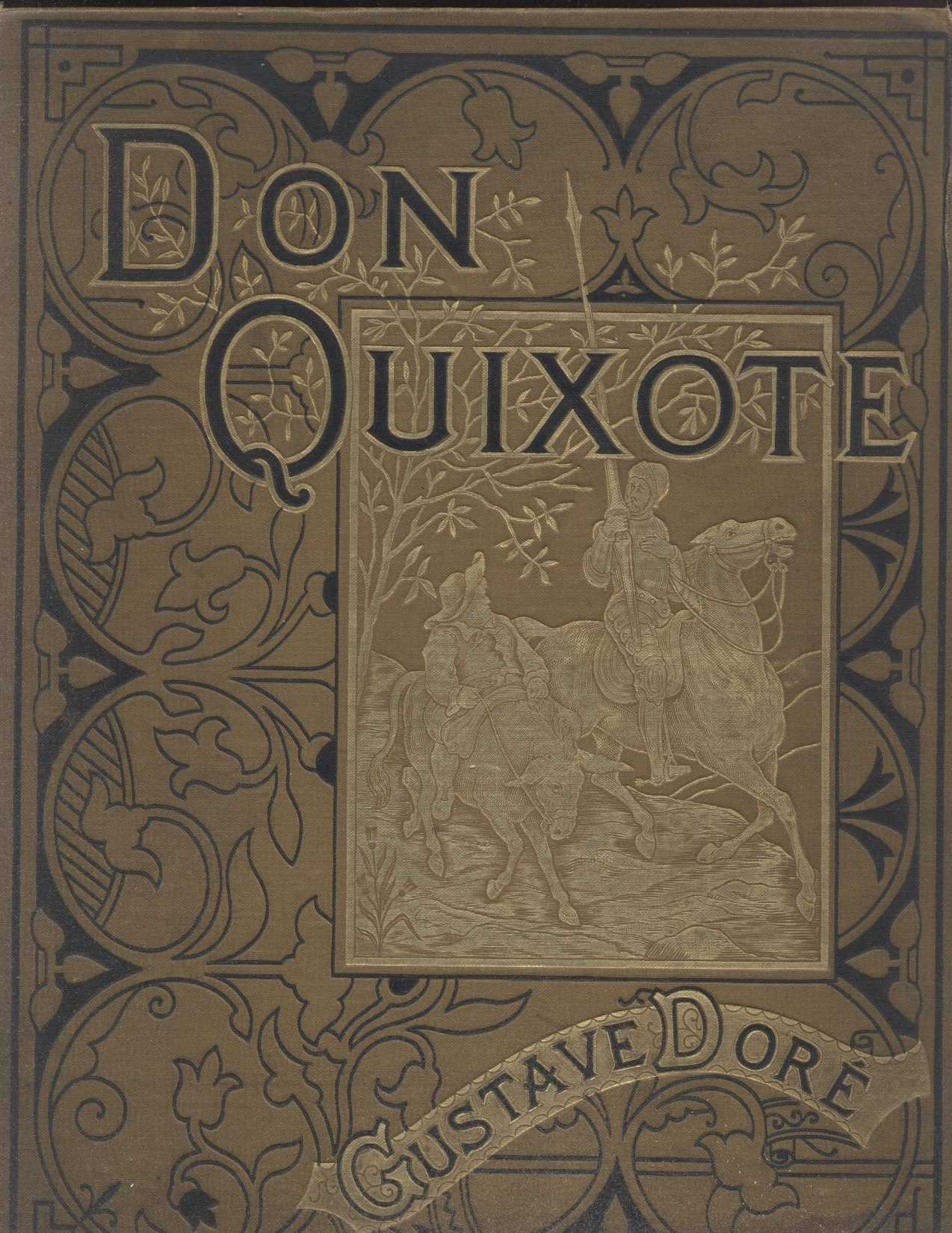
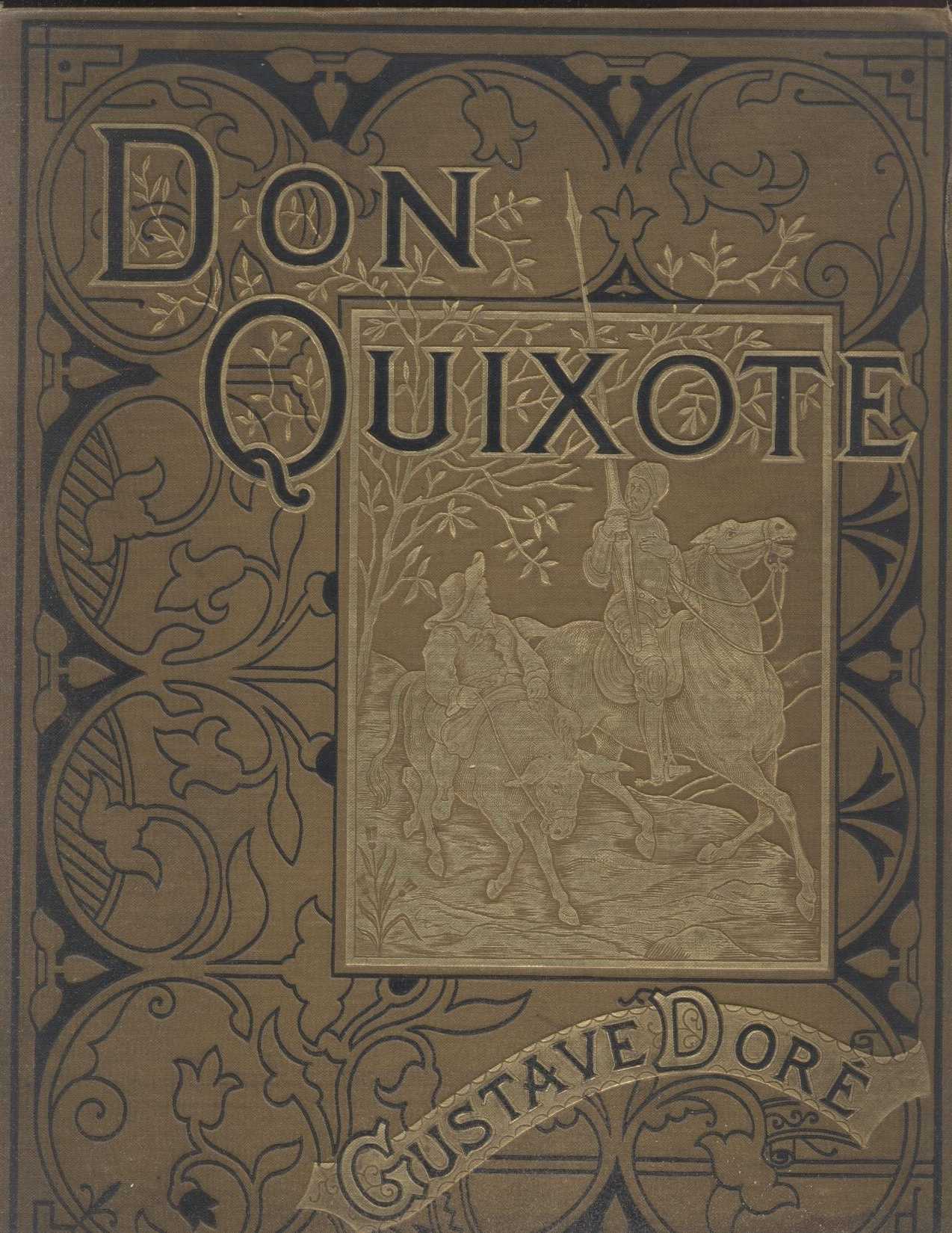
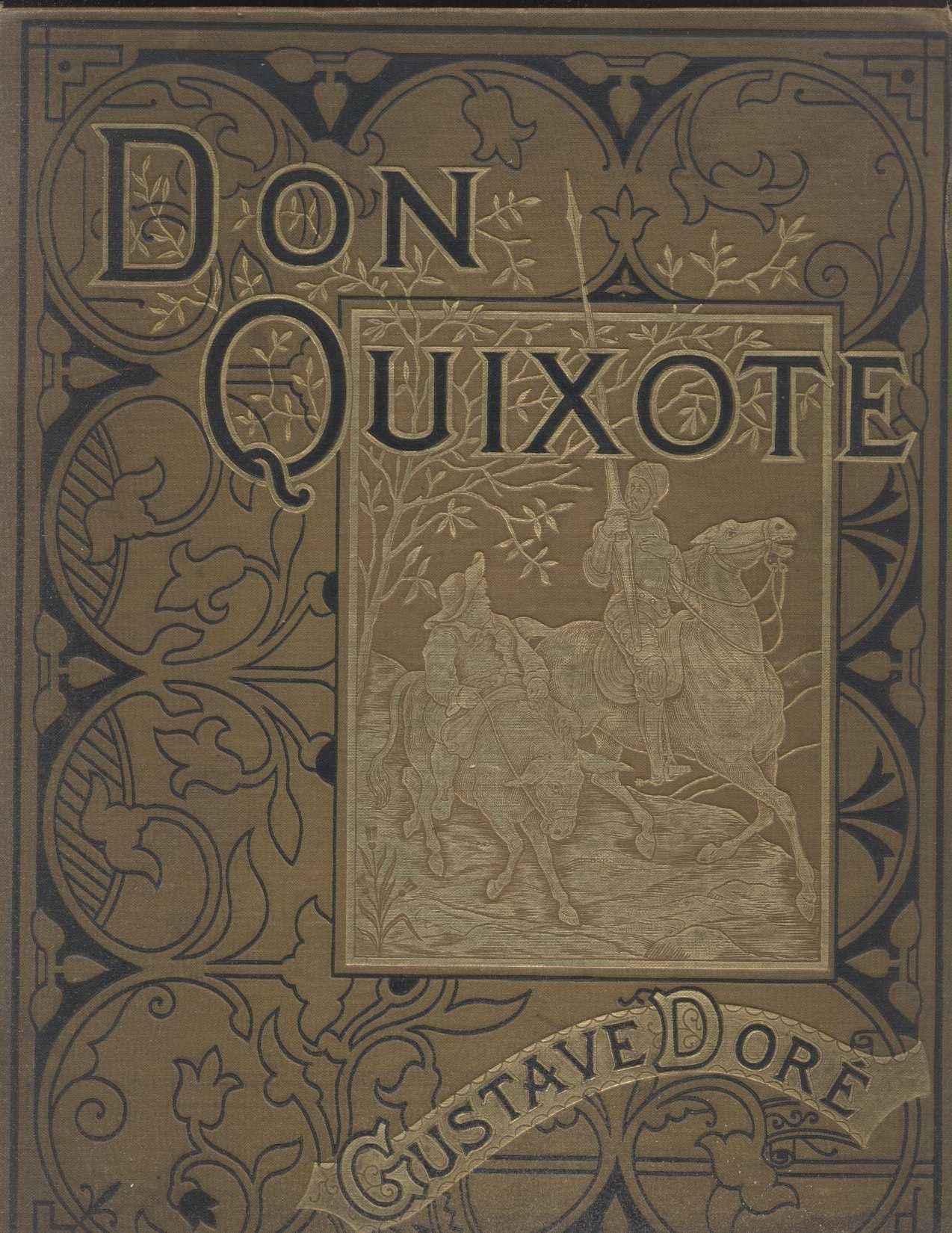
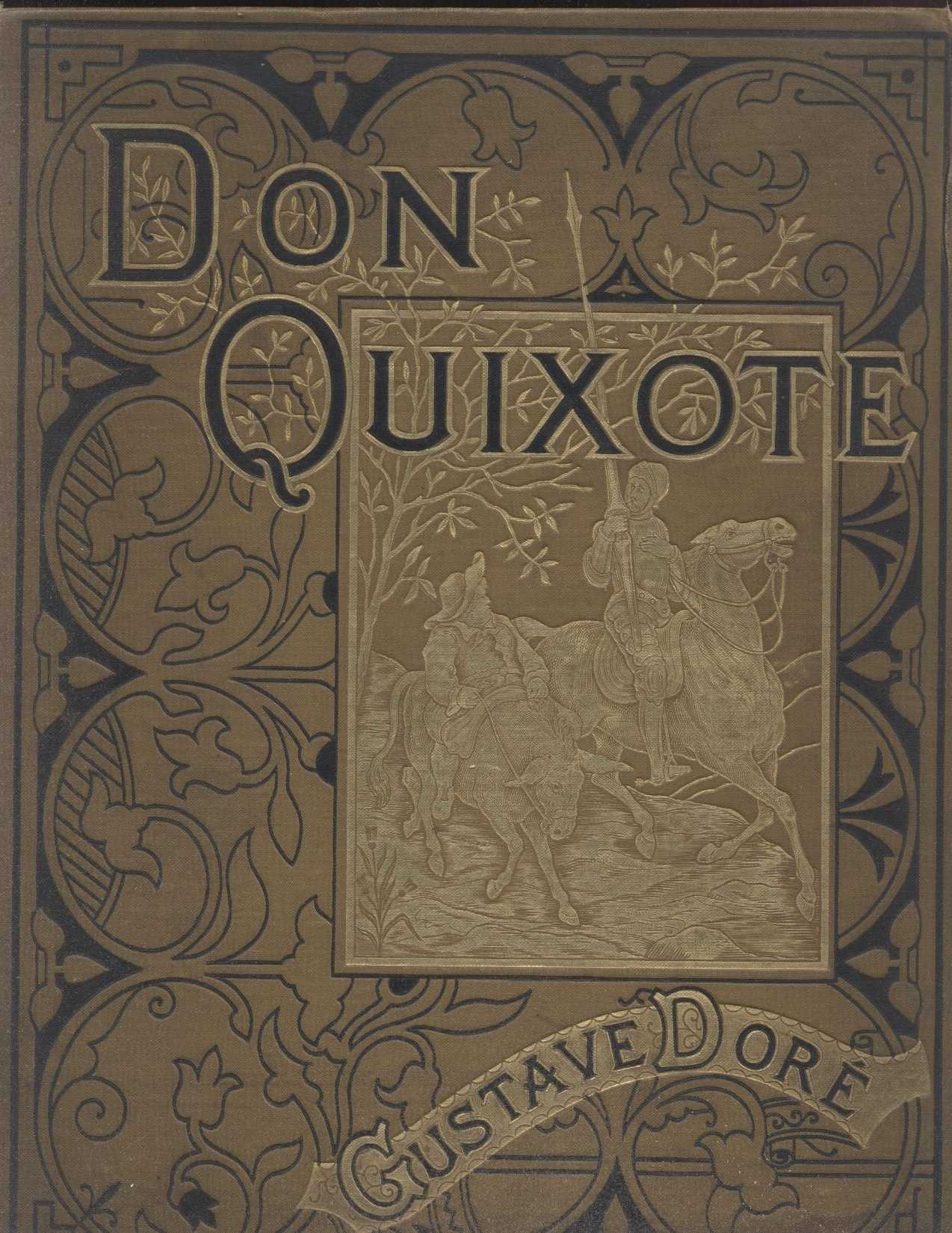
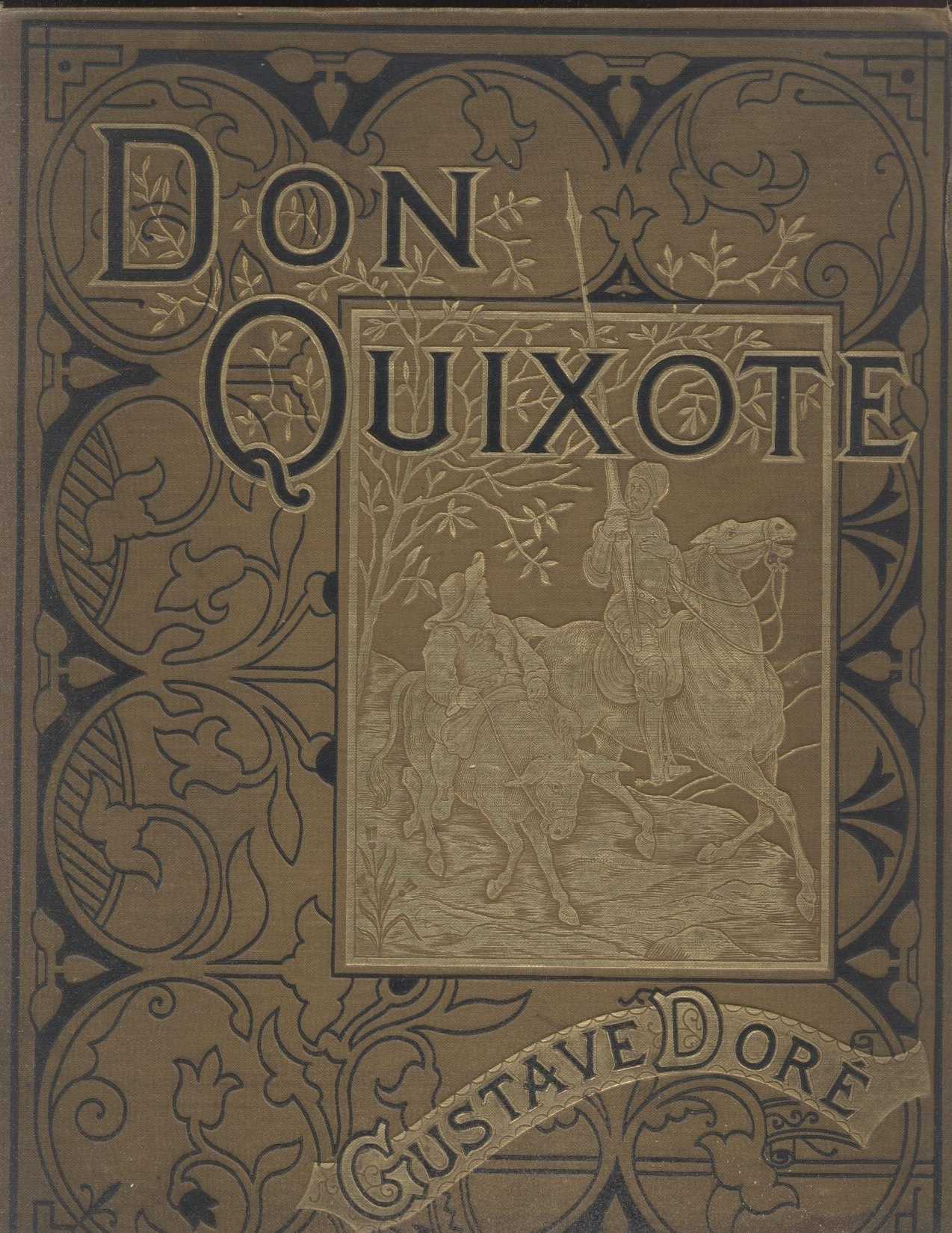
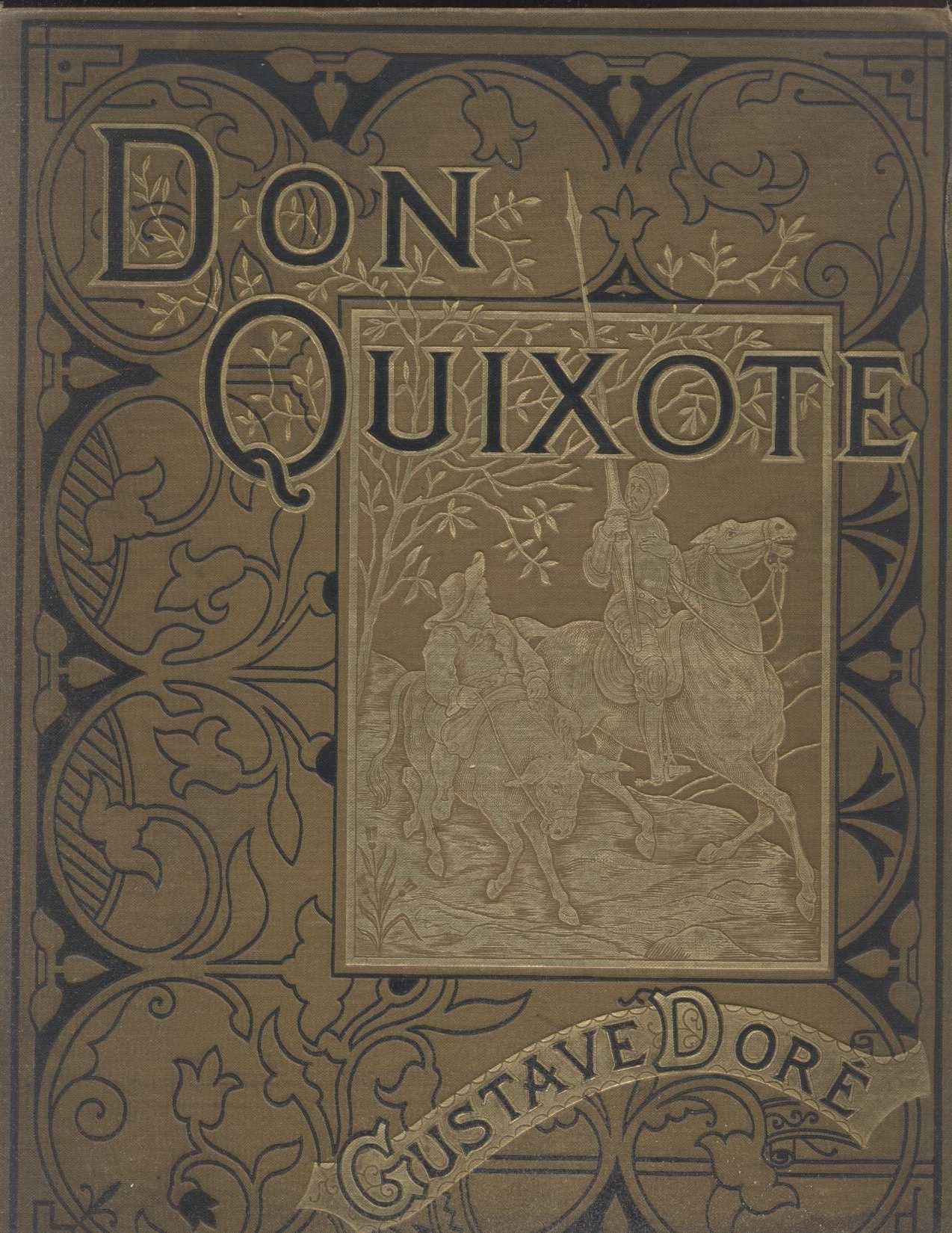
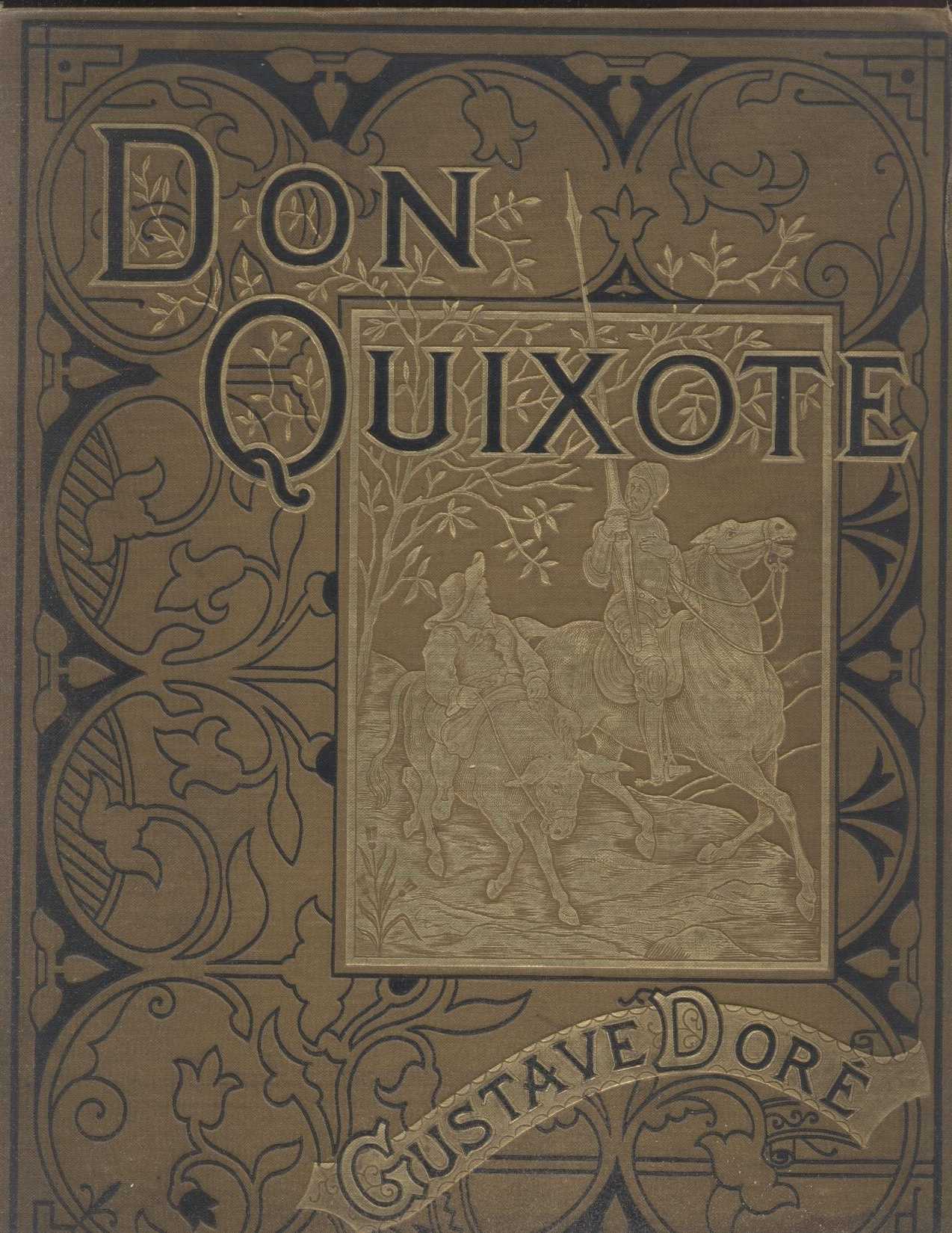
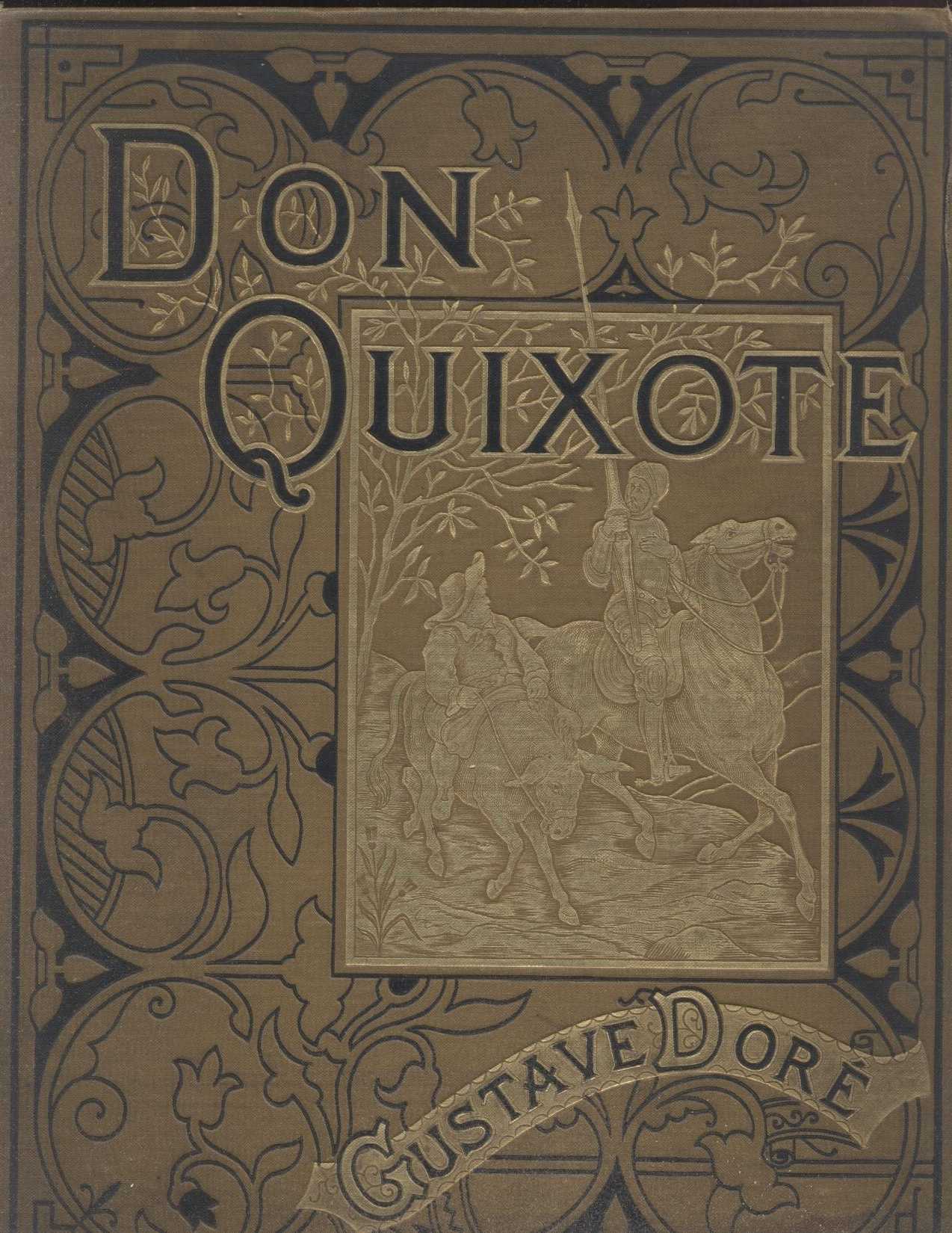
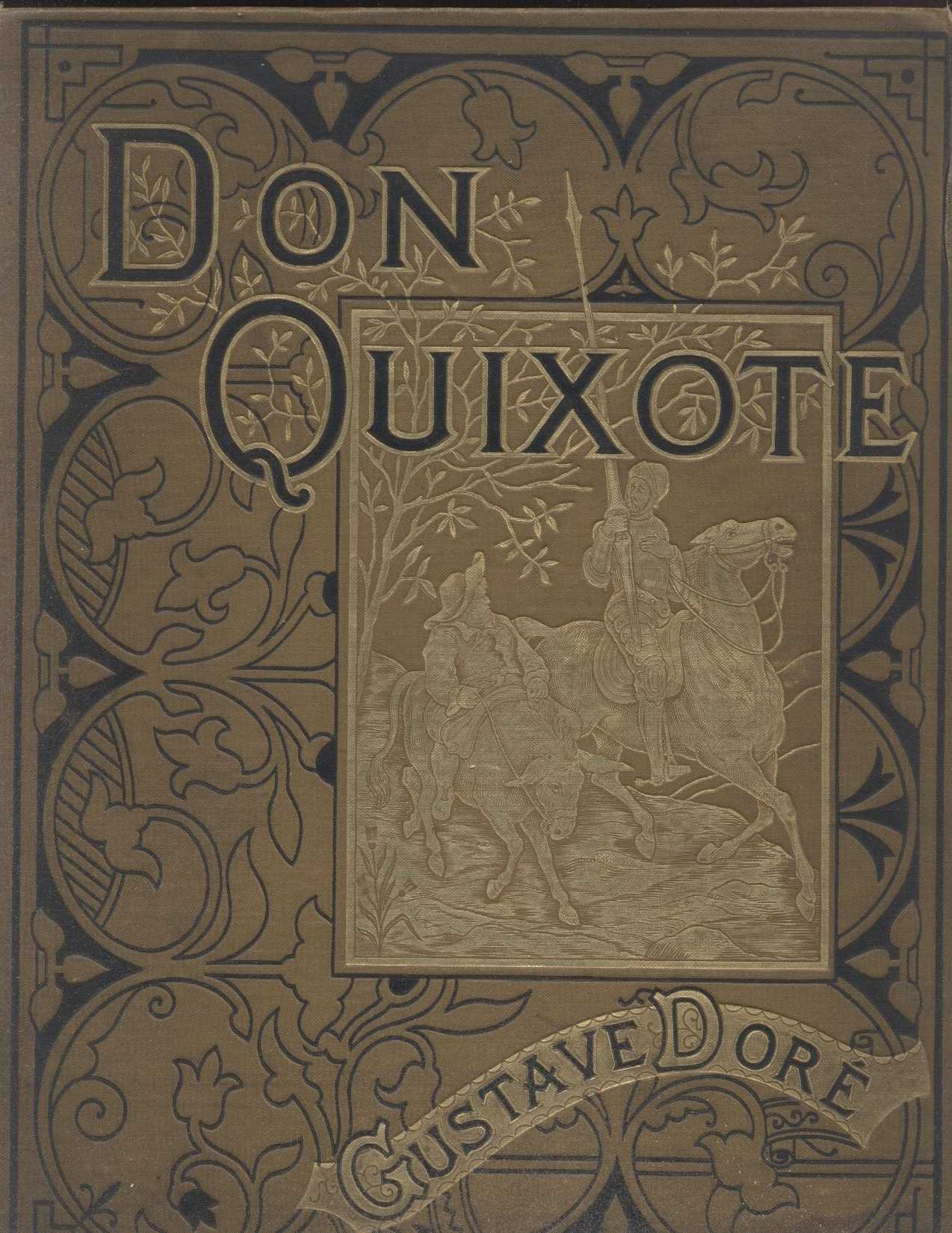
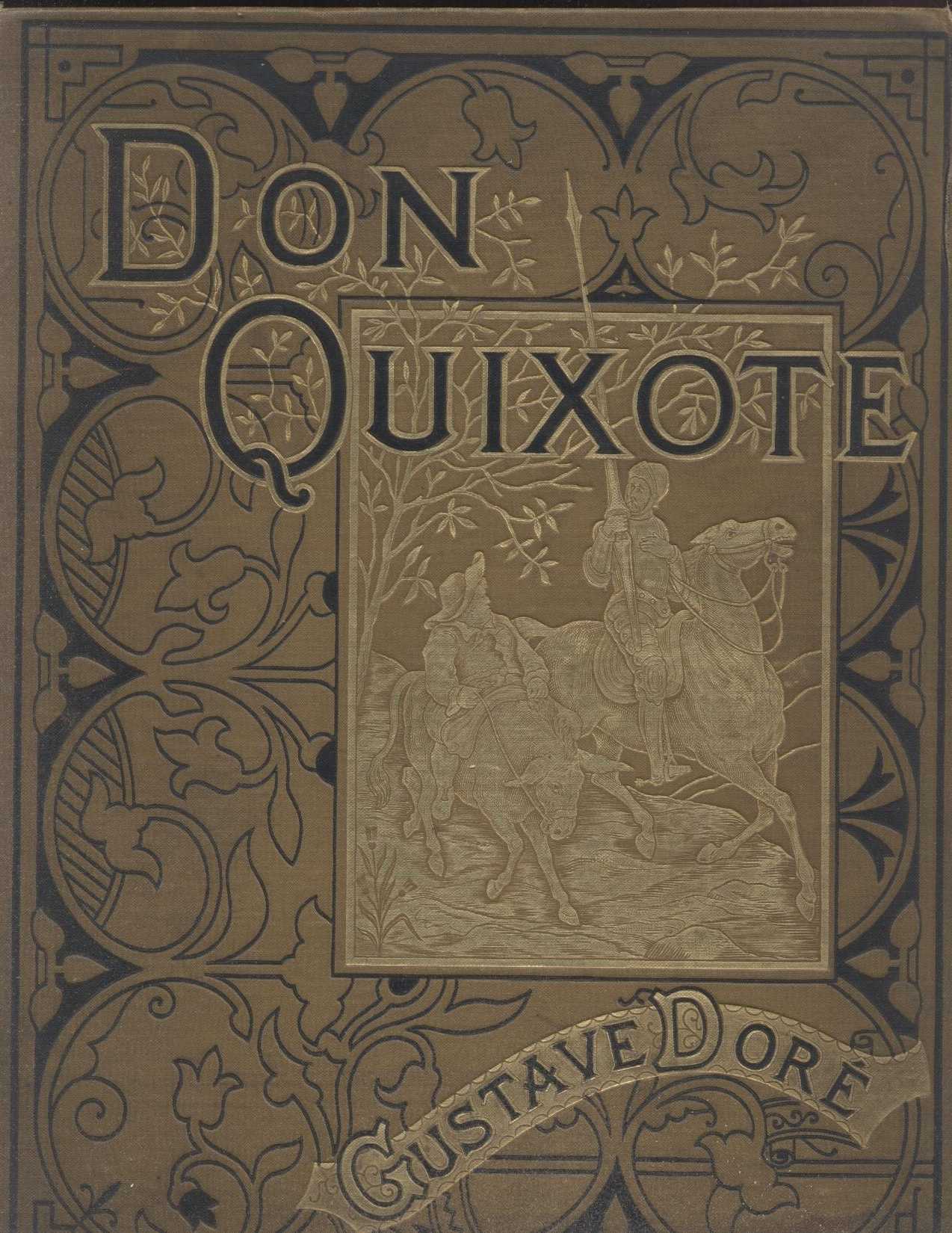
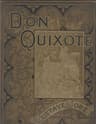
Don Quixote
1605
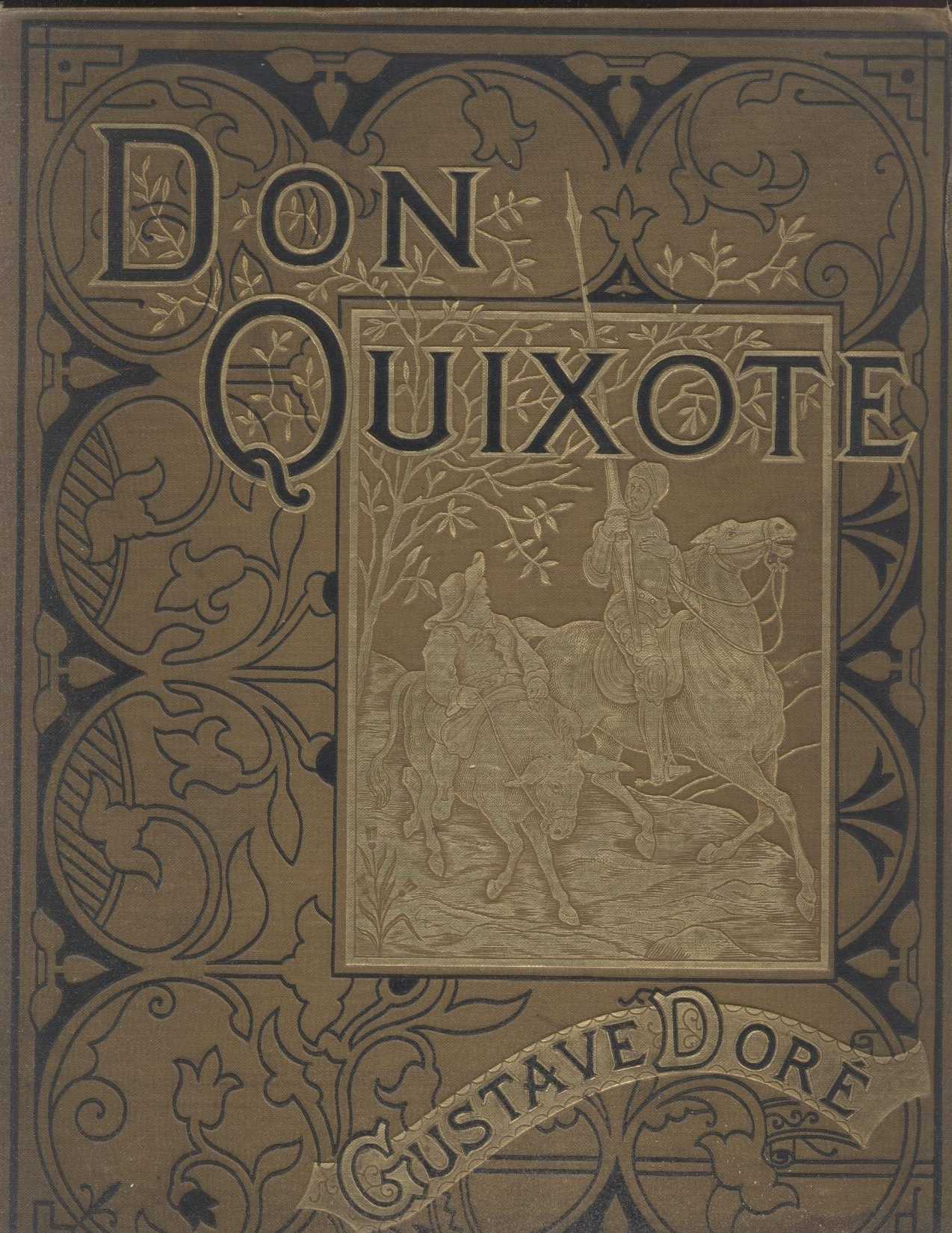
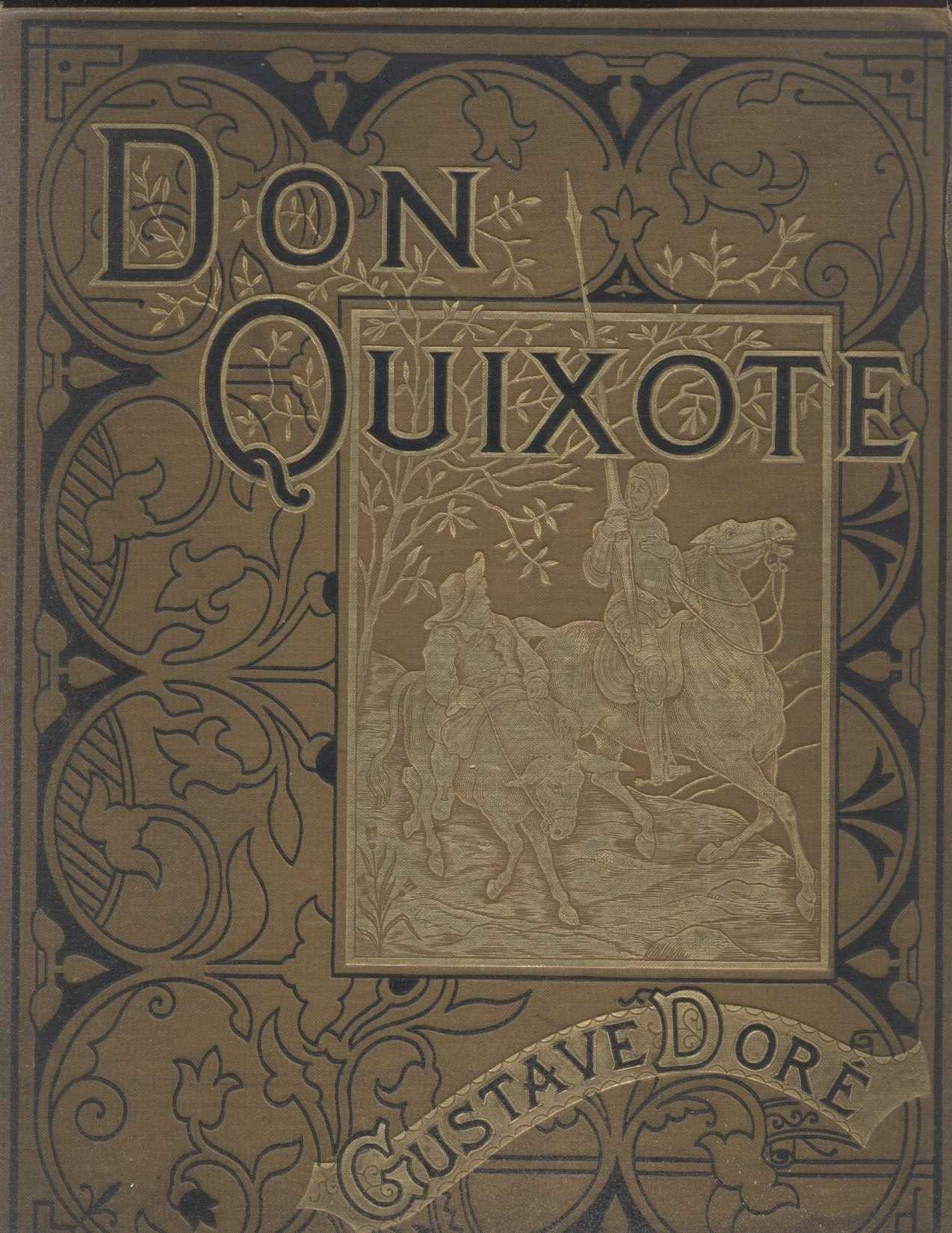
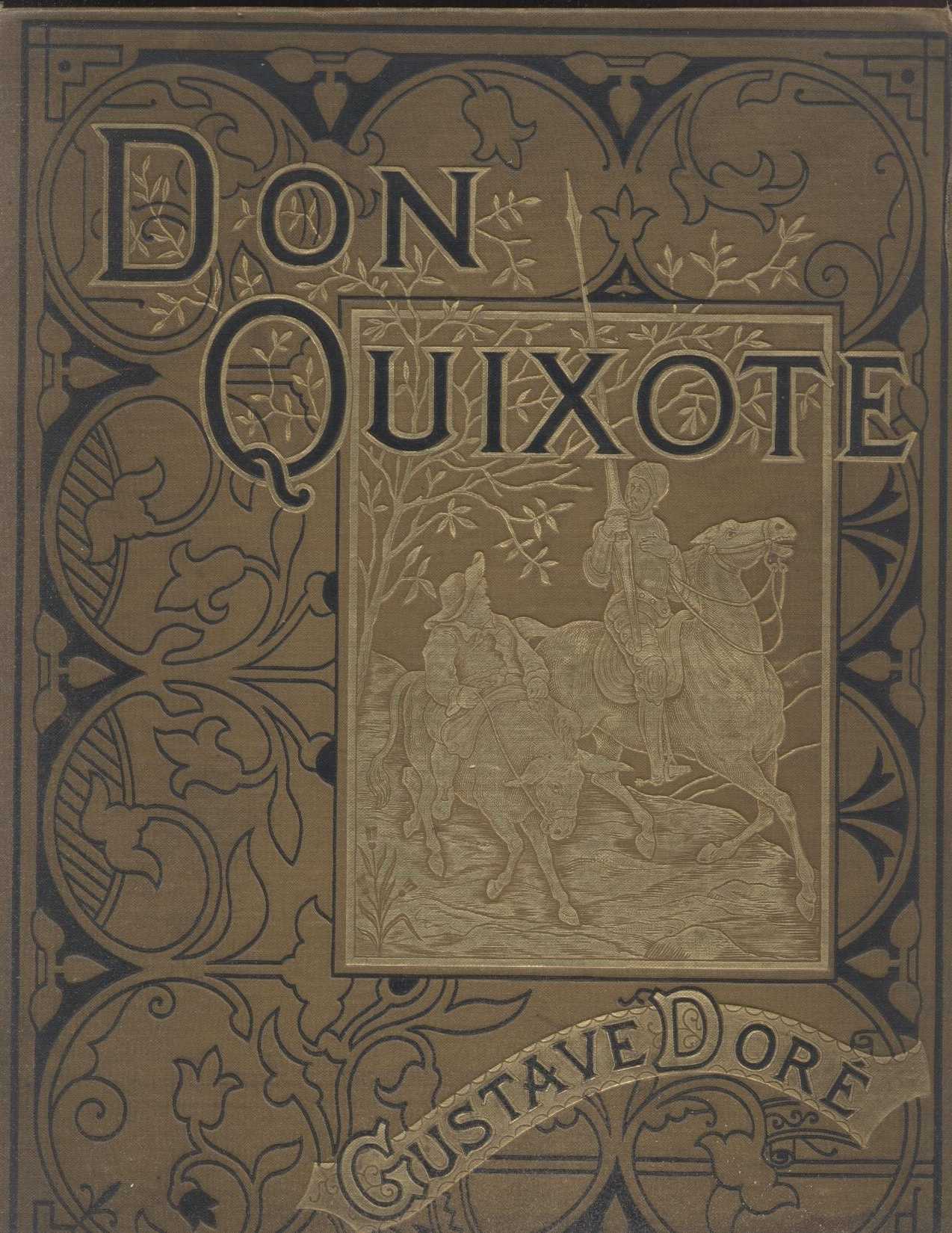
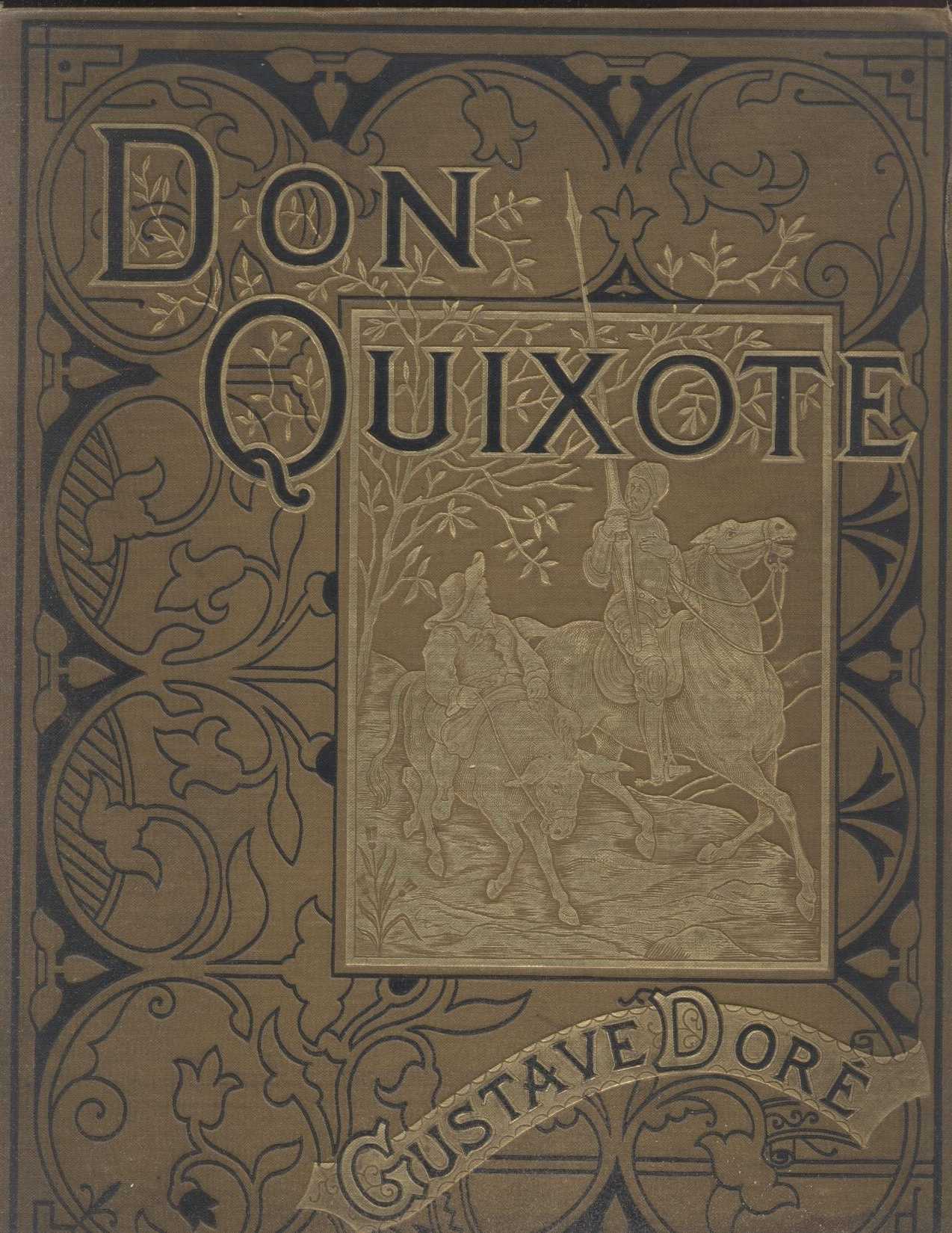
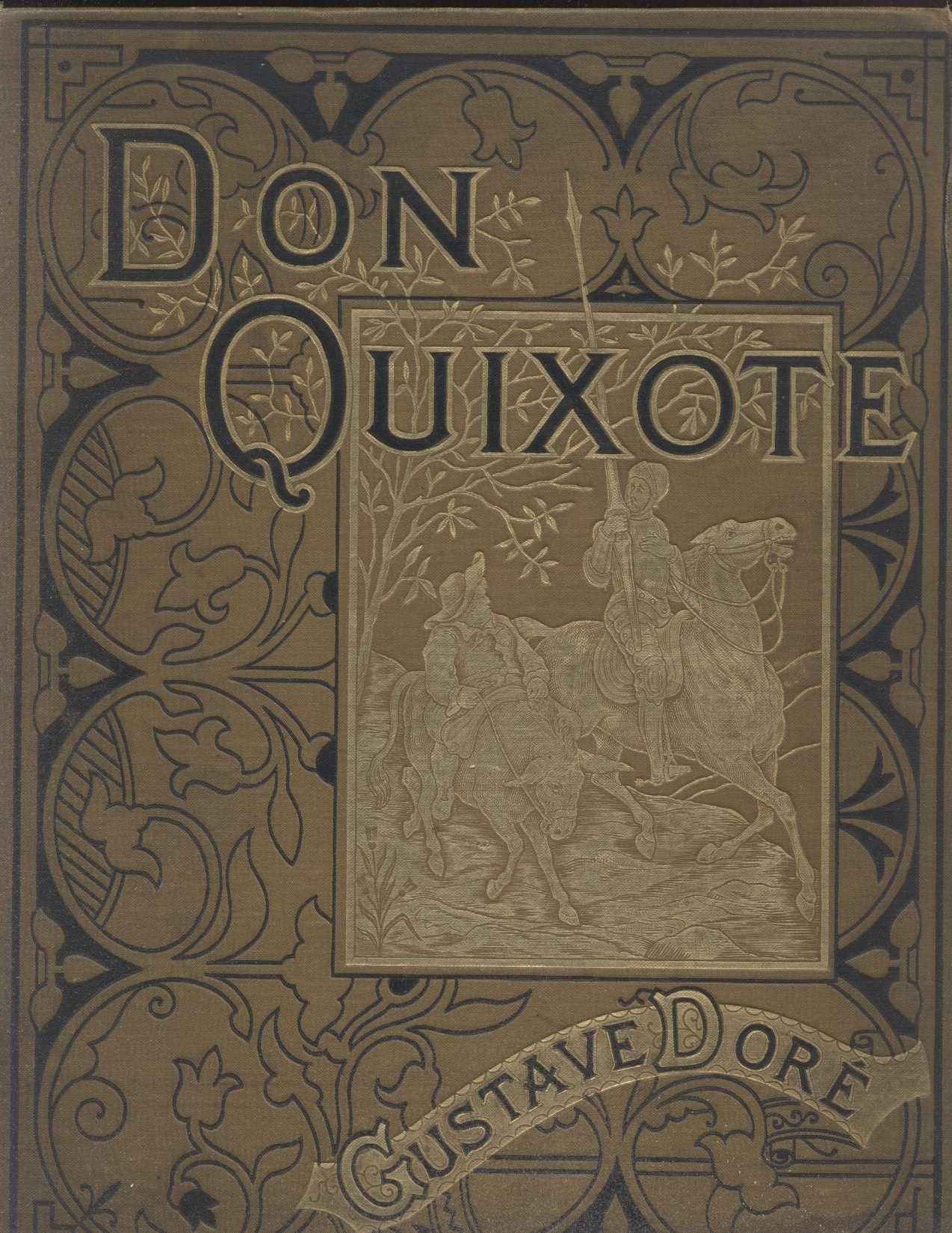
An aging hidalgo from La Mancha loses himself so completely to chivalric romances that he reinvents himself as Don Quixote, a knight-errant on a quest to revive the dying art of chivalry. Mounting his bony horse Rocinante and accompanied by the earthy, pragmatic Sancho Panza, he rides forth to right wrongs, protect the innocent, and seek the favor of his imagined lady Dulcinea. The world he encounters, however, refuses to cooperate with his dreams. Windmills become giants, inns become castles, and every humiliation becomes proof of enchantment conspiring against him. What begins as uproarious satire gradually reveals its depths: Don Quixote is neither simply mad nor simply wise. He is a man who chooses fiction over reality, beauty over truth, and in doing so exposes the poverty of the world around him. Sancho, initially the voice of common sense, begins to dream alongside his master, and the two become bound in a friendship that literature has rarely matched. Nearly four centuries old, this novel invented the modern form and asks the question every reader must answer: is it better to see the world as it is, or as it might be?
Editions


X-Ray
“Finally, from so little sleeping and so much reading, his brain dried up and he went completely out of his mind.””
— Miguel de Cervantes Saavedra
“The truth may be stretched thin, but it never breaks, and it always surfaces above lies, as oil floats on water.””
— Miguel de Cervantes Saavedra
“When life itself seems lunatic, who knows where madness lies? Perhaps to be too practical is madness. To surrender dreams”
— Miguel de Cervantes Saavedra
“There is no book so bad...that it does not have something good in it.””
— Miguel de Cervantes Saavedra
“There were no embraces, because where there is great love there is often little display of it.””
— Miguel de Cervantes Saavedra
“For neither good nor evil can last for ever; and so it follows that as evil has lasted a long time, good must now be close at hand.””
— Miguel de Cervantes Saavedra
“Hunger is the best sauce in the world.””
— Miguel de Cervantes Saavedra
“El que lee mucho y anda mucho, ve mucho y sabe mucho.””
— Miguel de Cervantes Saavedra
“Until death it is all life””
— Miguel de Cervantes Saavedra
About Don Quixote
Chapter Summaries
- I
- An unnamed gentleman from La Mancha, nearing fifty, becomes so engrossed in reading books of chivalry that he loses his wits. He decides to become a knight-errant, names his horse Rocinante, himself Don Quixote of La Mancha, and chooses a farm girl, Aldonza Lorenzo, as his idealized lady, Dulcinea del Toboso.
- II
- Don Quixote embarks on his first adventure, realizing he hasn't been dubbed a knight. He imagines an inn as a castle and two peasant women as highborn maidens. A swineherd's horn blast confirms his delusion, and he courteously addresses the women, who laugh at his appearance and rhetoric.
- III
- Don Quixote implores the innkeeper, whom he believes to be a castellan, to dub him a knight. The innkeeper, amused by his madness, agrees to perform the ceremony that night. Don Quixote watches his armor in the inn yard, leading to comical altercations with carriers who try to move his armor.
Key Themes
- Idealism vs. Realism
- This is the core tension of the novel, embodied by Don Quixote's fantastical worldview and Sancho Panza's grounded pragmatism. Don Quixote consistently interprets the ordinary as extraordinary, while Sancho attempts to bring him back to reality, often with humorous and painful results.
- Madness and Sanity
- The book explores the nature of madness, particularly how Don Quixote's specific delusion of knight-errantry affects his perception and actions. It questions where sanity ends and madness begins, and whether his madness, in some ways, allows him to live a more 'virtuous' life according to his own code.
- The Power of Imagination and Fiction
- Cervantes highlights how literature, specifically chivalric romances, can shape an individual's identity and perception of the world. Don Quixote's entire existence is a direct consequence of his immersion in these fictional tales, blurring the lines between story and reality.
Characters
- Don Quixote(protagonist)
- An aging gentleman from La Mancha who, after reading too many chivalric romances, loses his wits and decides to become a knight-errant to revive chivalry and right wrongs.
Link to this book
Add a free, dofollow link to Lex on your blog, forum, syllabus, or reading list.

<a href="https://lex-books.com/book/don-quixote-0e088c36-dfb6-41eb-827b-a9c98ed3cb78"><img src="https://lex-books.com/badges/read-on-lex.svg" alt="Read Don Quixote by Miguel de Cervantes Saavedra free on Lex" width="160" height="40"></a>[](https://lex-books.com/book/don-quixote-0e088c36-dfb6-41eb-827b-a9c98ed3cb78)[url=https://lex-books.com/book/don-quixote-0e088c36-dfb6-41eb-827b-a9c98ed3cb78][img]https://lex-books.com/badges/read-on-lex.svg[/img][/url]Read Don Quixote by Miguel de Cervantes Saavedra free on Lex: https://lex-books.com/book/don-quixote-0e088c36-dfb6-41eb-827b-a9c98ed3cb78Cite this book
Reading this edition for a paper or guide? Copy a citation.
Saavedra, Miguel de Cervantes. Don Quixote. Lex, lex-books.com/book/don-quixote-0e088c36-dfb6-41eb-827b-a9c98ed3cb78.Saavedra, M. D. C. (1605). Don Quixote. Lex. https://lex-books.com/book/don-quixote-0e088c36-dfb6-41eb-827b-a9c98ed3cb78Saavedra, Miguel de Cervantes. Don Quixote. Lex. https://lex-books.com/book/don-quixote-0e088c36-dfb6-41eb-827b-a9c98ed3cb78.