Don Quijote
1605
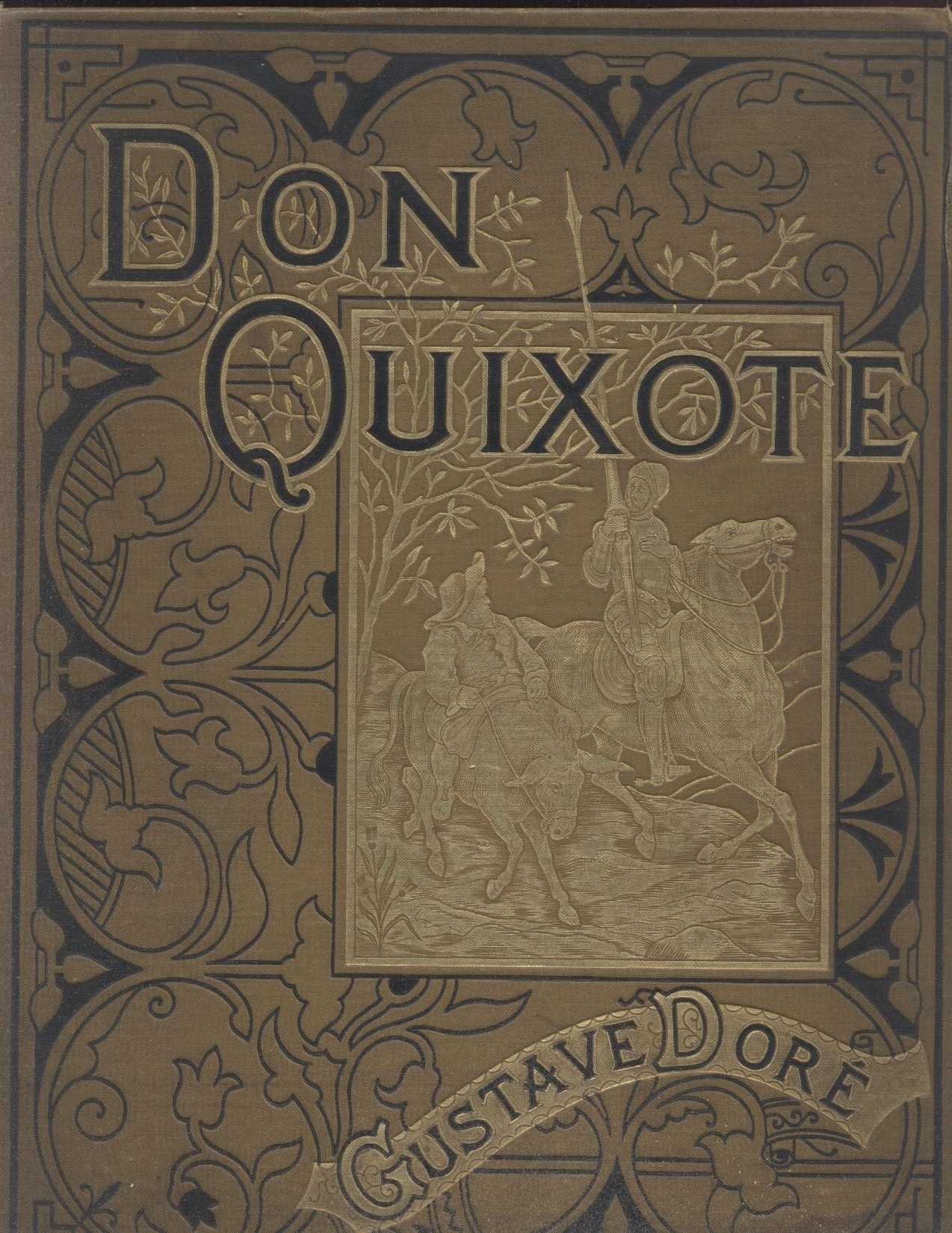
At fifty, Alonso Quijano has read himself into madness. He abandons his dusty estate in La Mancha to become Don Quixote de la Mancha, a knight-errant armed with rusted armor, a nag named Rocinante, and an unshakeable conviction that the world still needs heroes. His squire is Sancho Panza, a peasant whose earthy pragmatism collides endlessly with his master's soaring delusions. Together they tilt at windmills, free convicts who thank them with stones, and mistake taverns for castles. What begins as pure comedy darkens into something achingly human: a man so desperate to escape thegrayness of reality that he creates his own. Cervantes orchestrates this tragedy with a novelist's daring, folding stories within stories, mocking the romances he loves, and asking whether it is Quixote's madness that makes him free, or whether we are the fools for seeing only what is in front of us. Four centuries later, this remains the novel that invented everything modern fiction can do.
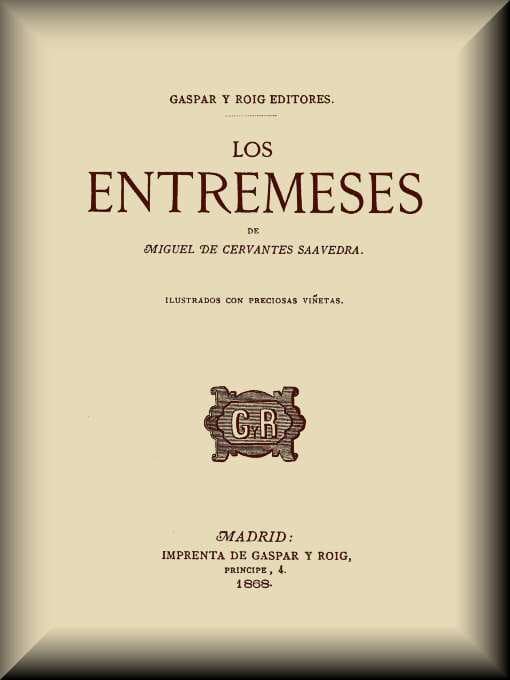
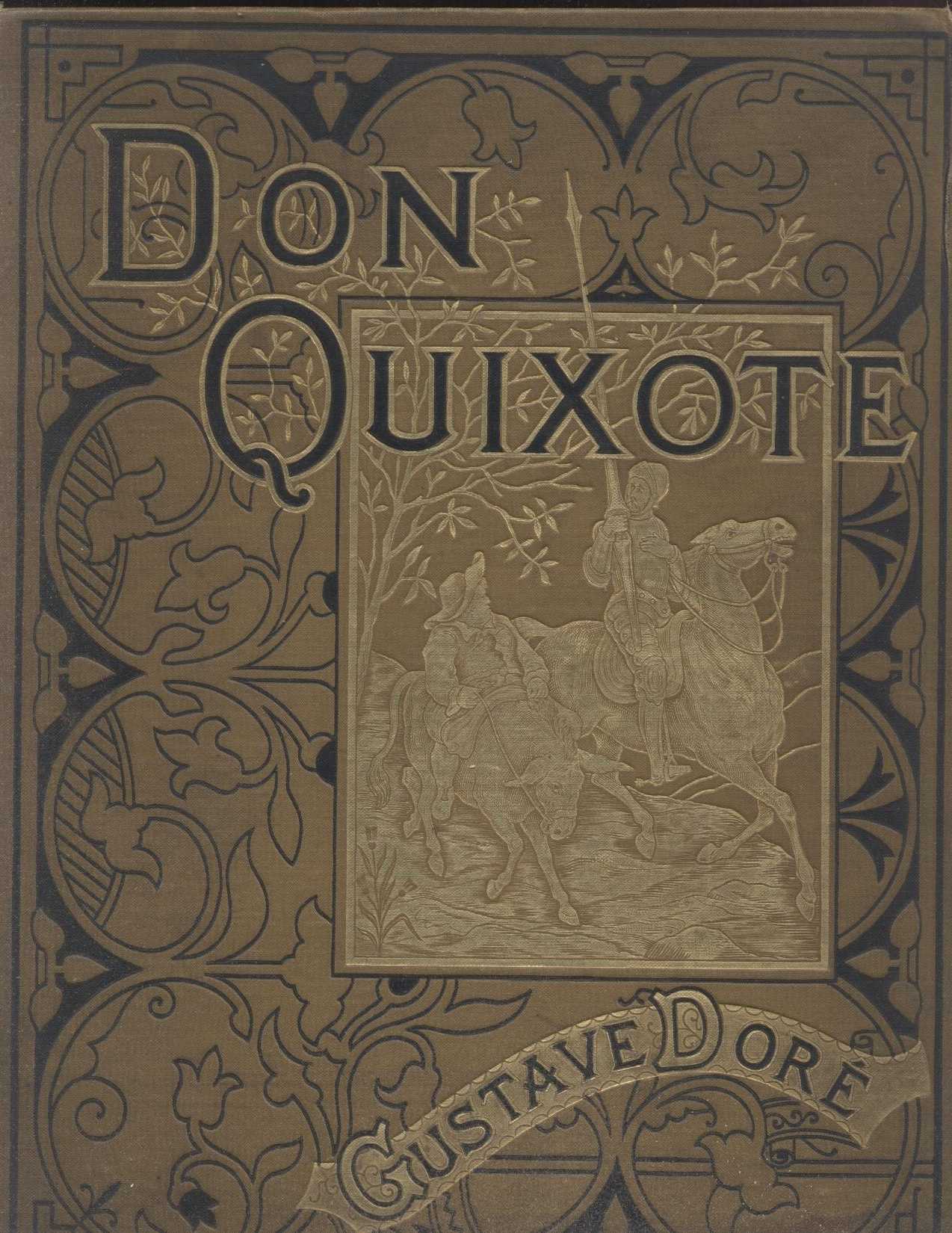
Editions


X-Ray
“Finally, from so little sleeping and so much reading, his brain dried up and he went completely out of his mind.””
— Miguel de Cervantes Saavedra
“The truth may be stretched thin, but it never breaks, and it always surfaces above lies, as oil floats on water.””
— Miguel de Cervantes Saavedra
“When life itself seems lunatic, who knows where madness lies? Perhaps to be too practical is madness. To surrender dreams”
— Miguel de Cervantes Saavedra
“There is no book so bad...that it does not have something good in it.””
— Miguel de Cervantes Saavedra
“There were no embraces, because where there is great love there is often little display of it.””
— Miguel de Cervantes Saavedra
“For neither good nor evil can last for ever; and so it follows that as evil has lasted a long time, good must now be close at hand.””
— Miguel de Cervantes Saavedra
“Hunger is the best sauce in the world.””
— Miguel de Cervantes Saavedra
“El que lee mucho y anda mucho, ve mucho y sabe mucho.””
— Miguel de Cervantes Saavedra
“Until death it is all life””
— Miguel de Cervantes Saavedra
Link to this book
Add a free, dofollow link to Lex on your blog, forum, syllabus, or reading list.

<a href="https://lex-books.com/book/don-quijote-e573e4a1-1498-4d7e-a2d7-587ca5c2831f"><img src="https://lex-books.com/badges/read-on-lex.svg" alt="Read Don Quijote by Miguel de Cervantes Saavedra free on Lex" width="160" height="40"></a>[](https://lex-books.com/book/don-quijote-e573e4a1-1498-4d7e-a2d7-587ca5c2831f)[url=https://lex-books.com/book/don-quijote-e573e4a1-1498-4d7e-a2d7-587ca5c2831f][img]https://lex-books.com/badges/read-on-lex.svg[/img][/url]Read Don Quijote by Miguel de Cervantes Saavedra free on Lex: https://lex-books.com/book/don-quijote-e573e4a1-1498-4d7e-a2d7-587ca5c2831fCite this book
Reading this edition for a paper or guide? Copy a citation.
Saavedra, Miguel de Cervantes. Don Quijote. Lex, lex-books.com/book/don-quijote-e573e4a1-1498-4d7e-a2d7-587ca5c2831f.Saavedra, M. D. C. (1605). Don Quijote. Lex. https://lex-books.com/book/don-quijote-e573e4a1-1498-4d7e-a2d7-587ca5c2831fSaavedra, Miguel de Cervantes. Don Quijote. Lex. https://lex-books.com/book/don-quijote-e573e4a1-1498-4d7e-a2d7-587ca5c2831f.