Diwan
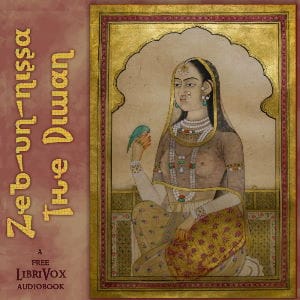
The poetry of Zeb-un-Nissa arrives to us from a prison cell. Daughter of the Mughal Emperor Aurangzeb, this princess was imprisoned by her own father for her independence, her politics, and her refusal to submit. In that captivity, she wrote some of the earliest and most startling poetry in the Urdu language, claiming a voice where none was expected. This diwan contains fifty ghazals and lyrics that move between earthly love and divine longing, between defiance and grief. Zeb-un-Nissa writes of wine, beloved, and sorrow with a candor that must have shocked her era. She refuses the usual poses of the female beloved in male poetry, instead positioning herself as the lover, the subject, the one who desires. Why it endures: Zeb-un-Nissa wrote in the 17th century, yet her work feels immediate, urgent, modern in its emotional honesty. This is poetry as an act of survival, as self-creation, as refusal. For readers who believe that poetry can be dangerous, that a woman's voice is revolutionary, this diwan remains essential.
Editions

Link to this book
Add a free, dofollow link to Lex on your blog, forum, syllabus, or reading list.

<a href="https://lex-books.com/book/diwan-4558d9ce-0be7-4e33-9e67-e3597765512a"><img src="https://lex-books.com/badges/read-on-lex.svg" alt="Read Diwan by Zeb-un-Nissa free on Lex" width="160" height="40"></a>[](https://lex-books.com/book/diwan-4558d9ce-0be7-4e33-9e67-e3597765512a)[url=https://lex-books.com/book/diwan-4558d9ce-0be7-4e33-9e67-e3597765512a][img]https://lex-books.com/badges/read-on-lex.svg[/img][/url]Read Diwan by Zeb-un-Nissa free on Lex: https://lex-books.com/book/diwan-4558d9ce-0be7-4e33-9e67-e3597765512aCite this book
Reading this edition for a paper or guide? Copy a citation.
Zeb-un-Nissa. Diwan. Lex, lex-books.com/book/diwan-4558d9ce-0be7-4e33-9e67-e3597765512a.Zeb-un-Nissa (n.d.). Diwan. Lex. https://lex-books.com/book/diwan-4558d9ce-0be7-4e33-9e67-e3597765512aZeb-un-Nissa. Diwan. Lex. https://lex-books.com/book/diwan-4558d9ce-0be7-4e33-9e67-e3597765512a.