
Zeb-un-Nissa
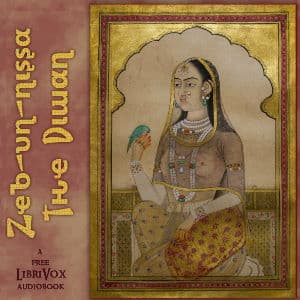
Zeb-un-Nissa was a prominent 17th-century Mughal princess and poet, known for her eloquent Urdu and Persian poetry that reflected her deep intellect and emotional depth. Born into the illustrious Mughal dynasty as the daughter of Emperor Aurangzeb, she was well-educated and cultivated a passion for literature and the arts from a young age. Her poetry often explored themes of love, longing, and the complexities of her royal life, showcasing her unique voice in a male-dominated literary landscape. Her most notable work, the collection of poems known as "Diwan-e-Zeb-un-Nissa," reveals her mastery of language and her ability to convey profound feelings through verse. Despite the constraints of her royal status, Zeb-un-Nissa's writings expressed a yearning for freedom and individuality, making her an important figure in the history of South Asian literature. Her legacy endures as one of the earliest female poets in Urdu literature, inspiring future generations of writers and poets, particularly women, to express themselves through the written word.
Audiobooks from the author

Link to this page
Add a free, dofollow link to Lex on your blog, forum, syllabus, or reading list.

<a href="https://lex-books.com/author/zeb-un-nissa"><img src="https://lex-books.com/badges/read-on-lex.svg" alt="Zeb-un-Nissa on Lex" width="160" height="40"></a>[](https://lex-books.com/author/zeb-un-nissa)[url=https://lex-books.com/author/zeb-un-nissa][img]https://lex-books.com/badges/read-on-lex.svg[/img][/url]Zeb-un-Nissa on Lex: https://lex-books.com/author/zeb-un-nissa