Degeneration: A Chapter in Darwinism
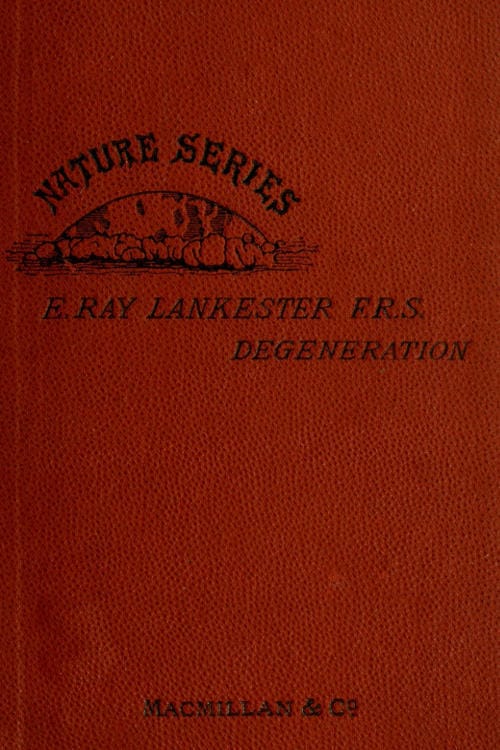
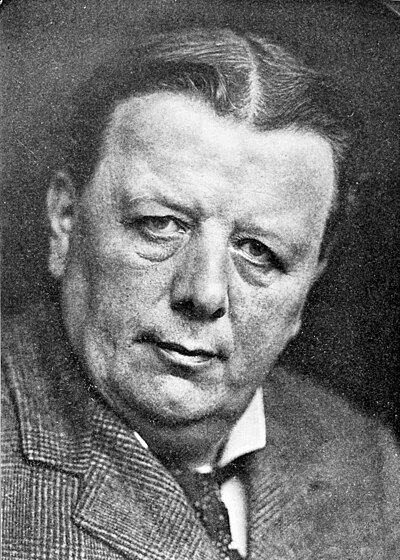
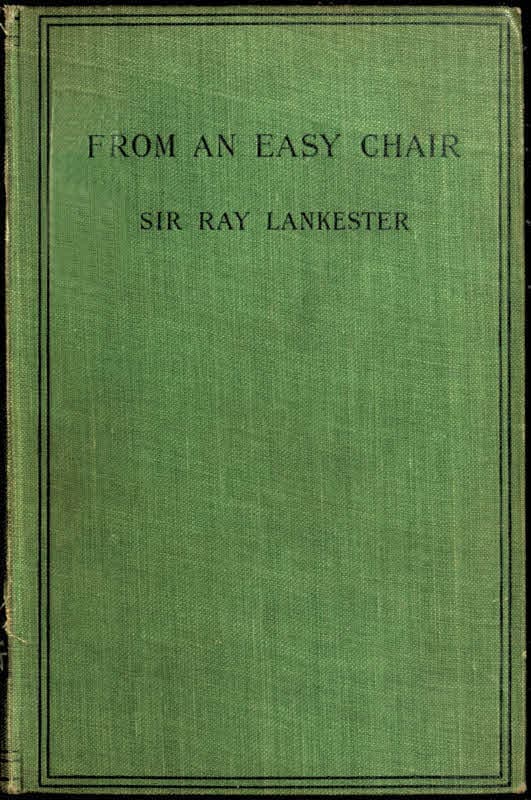
In 1880, a brilliant zoologist challenged one of evolution's most comforting assumptions: that progress is inevitable. Edwin Ray Lankester argued that natural selection doesn't always produce improvement. When environments become undemanding, when food arrives without effort and predators disappear, species don't climb higher on the great chain of being. They slip downward. They lose complexity. They degenerate. Lankester's evidence included the startling transformation of lizards into snakes, the abandonment of eyes in cave-dwelling fish, the simplification of parasitic worms. It was a deeply unfashionable idea in an era intoxicated by progress, and Lankester knew its most radical implication: the same forces could work on humanity. His student H.G. Wells absorbed these ideas and gave them fictional life in The Time Machine, where the Eloi descend into comfortable idiocy. A hundred and forty years later, when algorithms reward ease and abundance is everywhere, Lankester's warning feels less like Victorian curiosity and more like prophecy.
Editions
Link to this book
Add a free, dofollow link to Lex on your blog, forum, syllabus, or reading list.

<a href="https://lex-books.com/book/degeneration-a-chapter-in-darwinism-3f89324f-7d31-4bdb-a48e-e9510488832f"><img src="https://lex-books.com/badges/read-on-lex.svg" alt="Read Degeneration: A Chapter in Darwinism by E. Ray Lankester free on Lex" width="160" height="40"></a>[](https://lex-books.com/book/degeneration-a-chapter-in-darwinism-3f89324f-7d31-4bdb-a48e-e9510488832f)[url=https://lex-books.com/book/degeneration-a-chapter-in-darwinism-3f89324f-7d31-4bdb-a48e-e9510488832f][img]https://lex-books.com/badges/read-on-lex.svg[/img][/url]Read Degeneration: A Chapter in Darwinism by E. Ray Lankester free on Lex: https://lex-books.com/book/degeneration-a-chapter-in-darwinism-3f89324f-7d31-4bdb-a48e-e9510488832fCite this book
Reading this edition for a paper or guide? Copy a citation.
Lankester, E. Ray. Degeneration: A Chapter in Darwinism. Lex, lex-books.com/book/degeneration-a-chapter-in-darwinism-3f89324f-7d31-4bdb-a48e-e9510488832f.Lankester, E. R. (n.d.). Degeneration: A Chapter in Darwinism. Lex. https://lex-books.com/book/degeneration-a-chapter-in-darwinism-3f89324f-7d31-4bdb-a48e-e9510488832fLankester, E. Ray. Degeneration: A Chapter in Darwinism. Lex. https://lex-books.com/book/degeneration-a-chapter-in-darwinism-3f89324f-7d31-4bdb-a48e-e9510488832f.