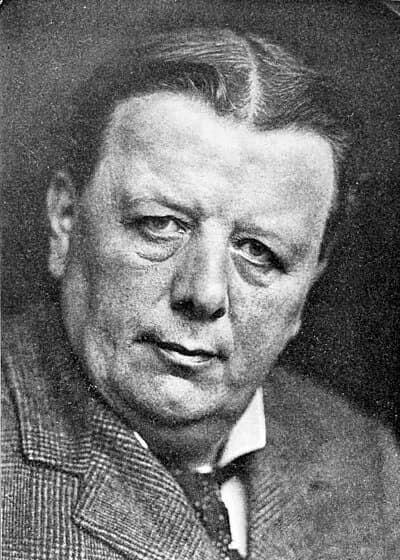
E. Ray Lankester
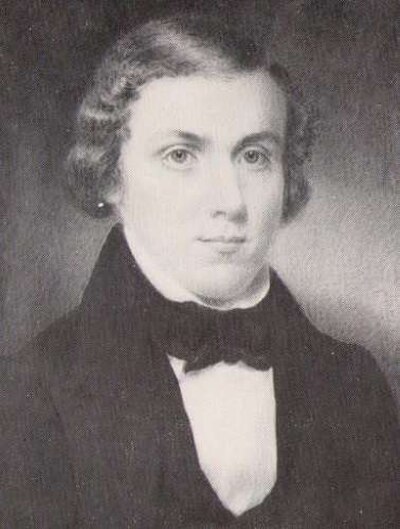
E. Ray Lankester was a prominent British zoologist and a key figure in the development of evolutionary biology in the late 19th and early 20th centuries. Born in 1847, he was educated at Oxford and became known for his work on the anatomy and classification of invertebrates, particularly his studies on the structure and function of various animal groups. Lankester's contributions to the field were significant, as he was one of the first to advocate for the importance of embryology in understanding evolutionary relationships, which laid the groundwork for future biological research. Lankester also played a crucial role in public science education, serving as the director of the Natural History Museum in London and later as a professor at University College London. His notable works include "The Evolution of Man and Other Essays" and "The Development of the Vertebrate Skeleton," which reflect his deep engagement with evolutionary theory and its implications for understanding the natural world. Lankester's legacy endures through his influence on both scientific thought and education, as he championed the integration of scientific knowledge into public discourse, helping to shape the way biology is taught and understood today.
Books from the author
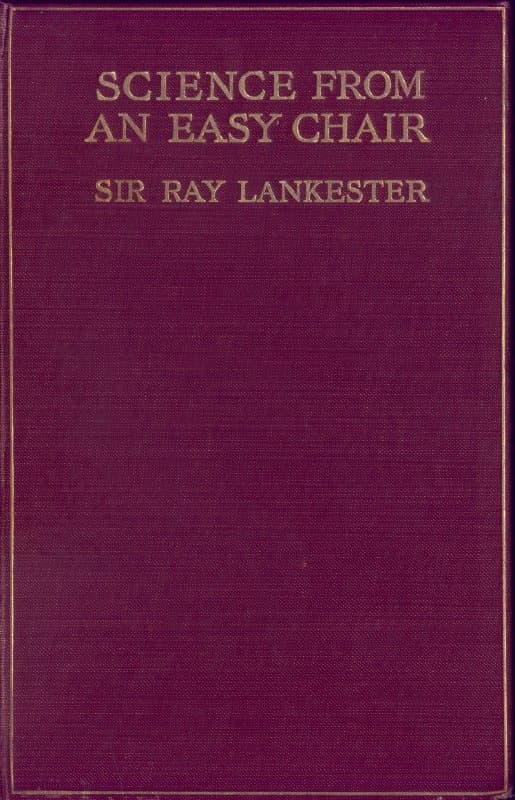
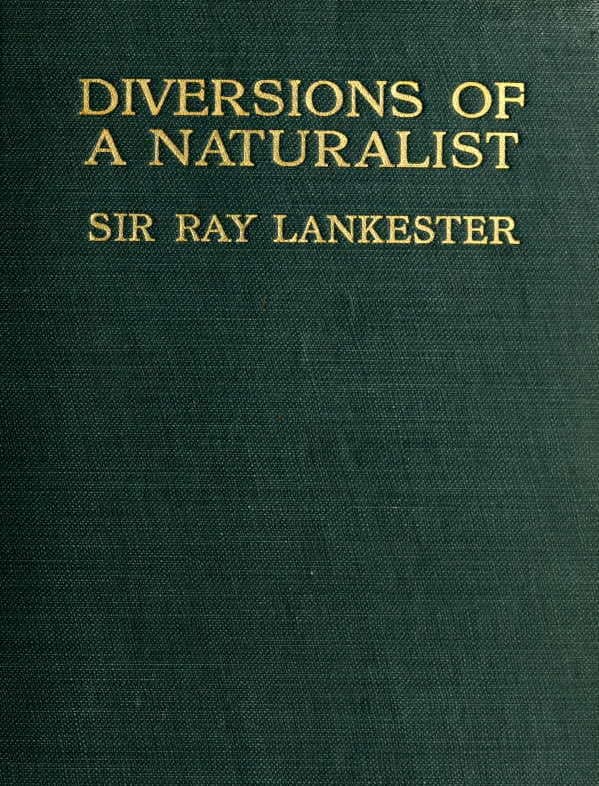
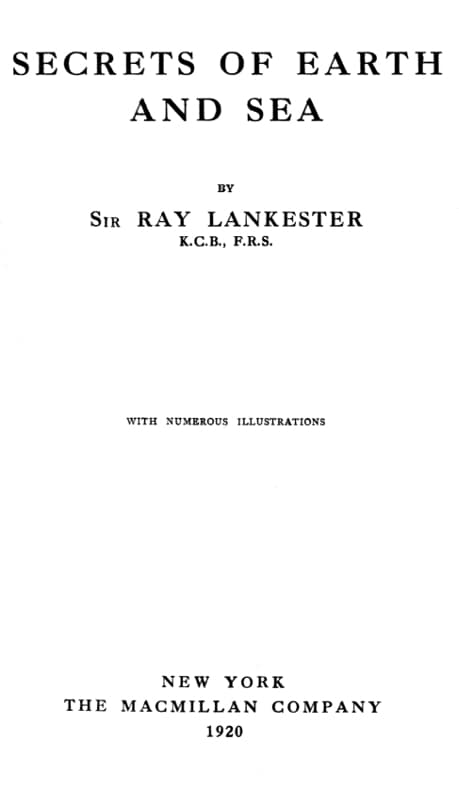
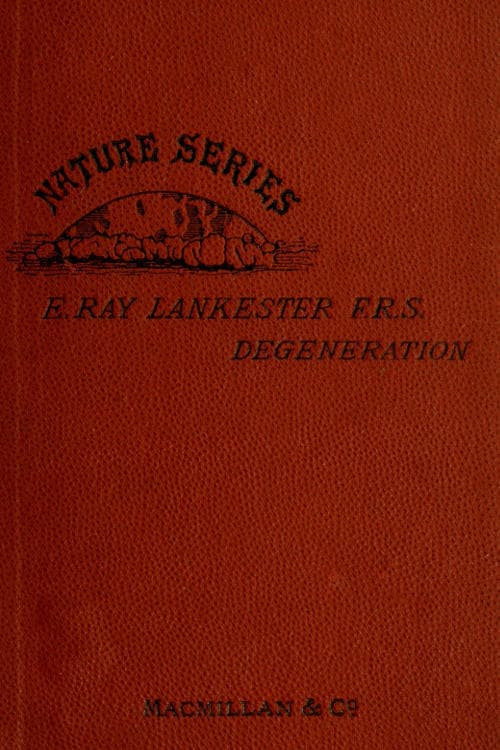
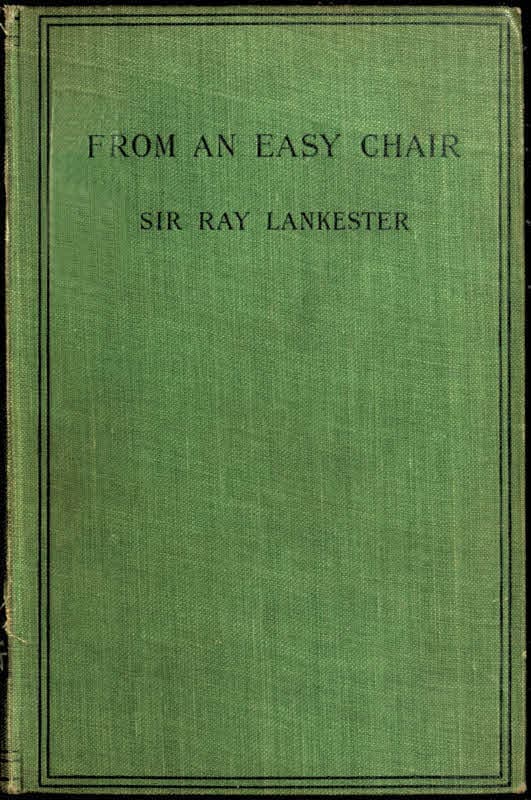
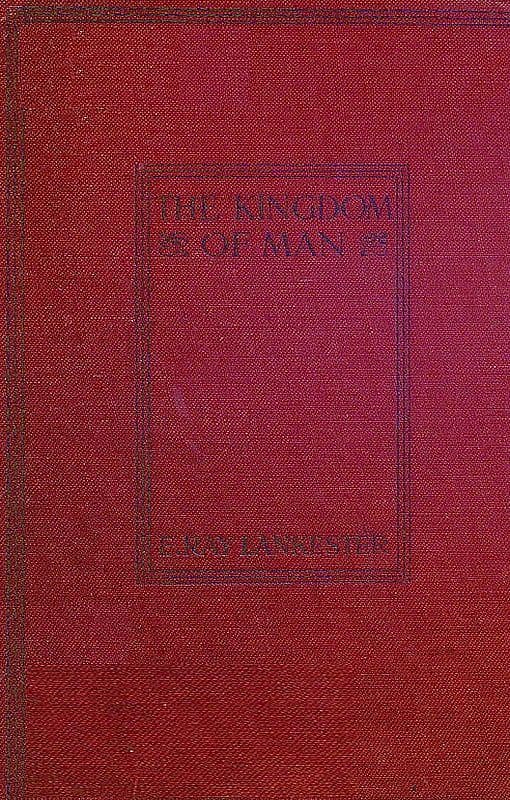



Link to this page
Add a free, dofollow link to Lex on your blog, forum, syllabus, or reading list.

<a href="https://lex-books.com/author/e-ray-lankester"><img src="https://lex-books.com/badges/read-on-lex.svg" alt="E. Ray Lankester on Lex" width="160" height="40"></a>[](https://lex-books.com/author/e-ray-lankester)[url=https://lex-books.com/author/e-ray-lankester][img]https://lex-books.com/badges/read-on-lex.svg[/img][/url]E. Ray Lankester on Lex: https://lex-books.com/author/e-ray-lankester