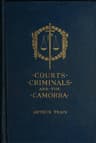
Courts, Criminals and the Camorra
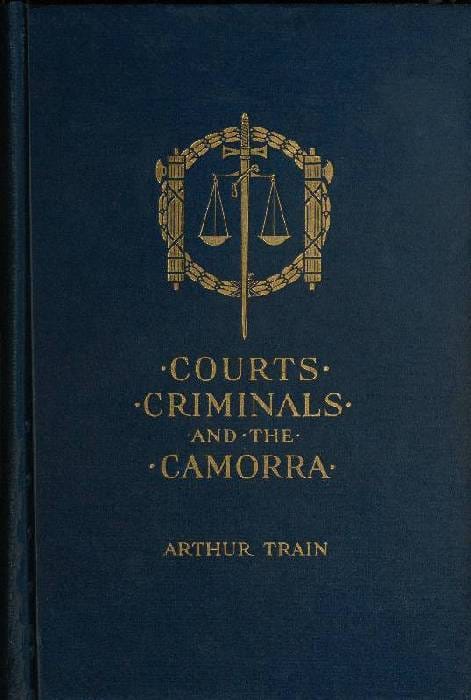
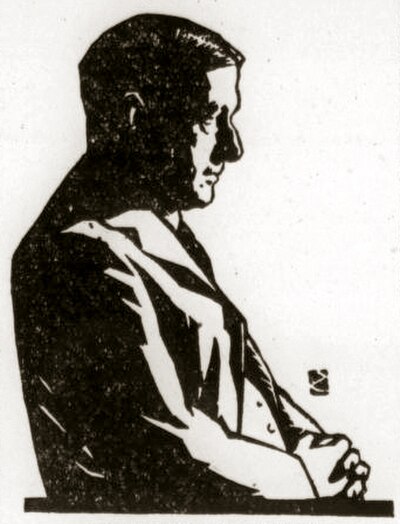
Arthur Cheney Train, a New York prosecutor with intimate knowledge of the courts, pulls back the curtain on the American criminal justice system at the turn of the century. Through the lens of the Camorra, the violent Neapolitan secret society that had transplanted its operations to New York's streets, Train examines the machinery of justice from arrest to verdict. He reveals how police build cases, how prosecutors prepare for trial, and how the presumption of innocence often collides with the reality of crowded dockyards and political pressures. The book is at once a period document and a timeless meditation on the tension between law and order, between the system's ideals and its messy human implementation. Train writes with the authority of a man who has seen hundreds of cases, and his observations about witness testimony, circumstantial evidence, and the rhythms of courtroom strategy remain remarkably acute. For readers fascinated by legal history, true crime, or the origins of modern policing, this offers an absorbing snapshot of justice being done in an era when the criminal underworld operated with startling openness.
Editions
Link to this book
Add a free, dofollow link to Lex on your blog, forum, syllabus, or reading list.

<a href="https://lex-books.com/book/courts-criminals-and-the-camorra-2686c9d4-16ae-4c90-8595-2ca26f5de85b"><img src="https://lex-books.com/badges/read-on-lex.svg" alt="Read Courts, Criminals and the Camorra by Arthur Cheney Train free on Lex" width="160" height="40"></a>[](https://lex-books.com/book/courts-criminals-and-the-camorra-2686c9d4-16ae-4c90-8595-2ca26f5de85b)[url=https://lex-books.com/book/courts-criminals-and-the-camorra-2686c9d4-16ae-4c90-8595-2ca26f5de85b][img]https://lex-books.com/badges/read-on-lex.svg[/img][/url]Read Courts, Criminals and the Camorra by Arthur Cheney Train free on Lex: https://lex-books.com/book/courts-criminals-and-the-camorra-2686c9d4-16ae-4c90-8595-2ca26f5de85bCite this book
Reading this edition for a paper or guide? Copy a citation.
Train, Arthur Cheney. Courts, Criminals and the Camorra. Lex, lex-books.com/book/courts-criminals-and-the-camorra-2686c9d4-16ae-4c90-8595-2ca26f5de85b.Train, A. C. (n.d.). Courts, Criminals and the Camorra. Lex. https://lex-books.com/book/courts-criminals-and-the-camorra-2686c9d4-16ae-4c90-8595-2ca26f5de85bTrain, Arthur Cheney. Courts, Criminals and the Camorra. Lex. https://lex-books.com/book/courts-criminals-and-the-camorra-2686c9d4-16ae-4c90-8595-2ca26f5de85b.