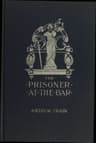
The Prisoner at the Bar: Sidelights on the Administration of Criminal Justice
1906
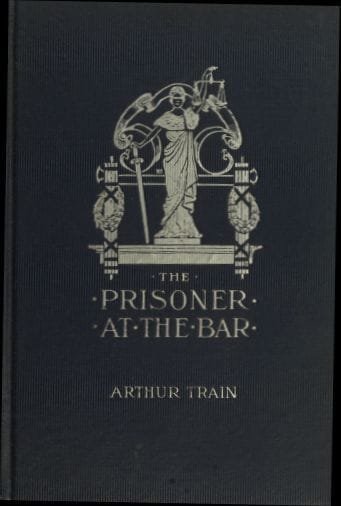
The Prisoner at the Bar: Sidelights on the Administration of Criminal Justice
1906
Arthur Cheney Train, former assistant district attorney of New York City, pulls back the curtain on the American criminal justice system in this remarkable 1906 account. Written with the narrative instinct of a man who spent years in courtrooms watching lives unfold, Train dismantles the theatrical myth of crime perpetuated by sensational newspapers and reveals the quieter, messier reality: a system populated not by colorful villains but by desperate, often pitiable individuals processed through machinery that rarely pauses to consider them as human beings. From the moment of arrest through police courts, grand juries, and felony trials, Train documents what actually happens in ordinary cases, the ones that never make headlines but matter enormously to the defendants caught in their gears. He examines the roles of judge, jury, witness, and the accused with the insider's eye for detail and the reformer's concern for justice. Over a century later, the book endures not as period curiosity but as a lucid window into tensions that remain unresolved: the gap between public perception and legal reality, the weight of bureaucracy, and the perpetual question of whether the system serves the people it supposedly protects.
Editions
Link to this book
Add a free, dofollow link to Lex on your blog, forum, syllabus, or reading list.

<a href="https://lex-books.com/book/the-prisoner-at-the-bar-sidelights-on-the-administration-of-criminal-justice-4f48f120-e5da-4543-b9c4-b0a89656e7e2"><img src="https://lex-books.com/badges/read-on-lex.svg" alt="Read The Prisoner at the Bar: Sidelights on the Administration of Criminal Justice by Arthur Cheney Train free on Lex" width="160" height="40"></a>[](https://lex-books.com/book/the-prisoner-at-the-bar-sidelights-on-the-administration-of-criminal-justice-4f48f120-e5da-4543-b9c4-b0a89656e7e2)[url=https://lex-books.com/book/the-prisoner-at-the-bar-sidelights-on-the-administration-of-criminal-justice-4f48f120-e5da-4543-b9c4-b0a89656e7e2][img]https://lex-books.com/badges/read-on-lex.svg[/img][/url]Read The Prisoner at the Bar: Sidelights on the Administration of Criminal Justice by Arthur Cheney Train free on Lex: https://lex-books.com/book/the-prisoner-at-the-bar-sidelights-on-the-administration-of-criminal-justice-4f48f120-e5da-4543-b9c4-b0a89656e7e2Cite this book
Reading this edition for a paper or guide? Copy a citation.
Train, Arthur Cheney. The Prisoner at the Bar: Sidelights on the Administration of Criminal Justice. Lex, lex-books.com/book/the-prisoner-at-the-bar-sidelights-on-the-administration-of-criminal-justice-4f48f120-e5da-4543-b9c4-b0a89656e7e2.Train, A. C. (1906). The Prisoner at the Bar: Sidelights on the Administration of Criminal Justice. Lex. https://lex-books.com/book/the-prisoner-at-the-bar-sidelights-on-the-administration-of-criminal-justice-4f48f120-e5da-4543-b9c4-b0a89656e7e2Train, Arthur Cheney. The Prisoner at the Bar: Sidelights on the Administration of Criminal Justice. Lex. https://lex-books.com/book/the-prisoner-at-the-bar-sidelights-on-the-administration-of-criminal-justice-4f48f120-e5da-4543-b9c4-b0a89656e7e2.