Ad Beatissimi Apostolorum (1914) – Pope Benedict XV’s Encyclical Appealing for Peace at the Outbreak of World War I
Ad Beatissimi Apostolorum (1914) – Pope Benedict XV’s Encyclical Appealing for Peace at the Outbreak of World War I
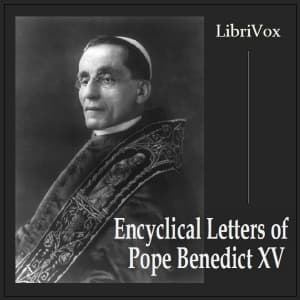
Benedict XV. Ad Beatissimi Apostolorum: Encyclical of Pope Benedict XV Appealing for Peace . 1 Nov. 1914. The Holy See, Dicastero per la Comunicazione - Libreria Editrice Vaticana, www.vatican.va/content/benedict-xv/en/encyclicals/documents/hf_ben-xv_enc_01111914_ad-beatissimi-apostolorum.pdf English Title : To the Blessed Apostles (Ad Beatissimi Apostolorum) Issued : November 1, 1914, by Pope Benedict XV Original Language(s) : Latin (with official translations into English, French, and Italian) Purpose : An urgent appeal for peace following the outbreak of World War I, and a moral and spiritual diagnosis of the causes of the war. Summary of the Encyclical: Key Themes and Arguments Pope Benedict XV’s Ad Beatissimi Apostolorum is the first major public act of his papacy, issued just months after the outbreak of the First World War. It sets a powerful precedent for Vatican diplomacy and papal peace appeals in modern history. It describes the war as “the suicide of civilized Europe” and offers a searing critique of the spiritual, moral, and societal failures that have plunged the world into catastrophic conflict. Key Points Plea for Peace : The Pope begins with a spiritual reflection on his role as shepherd of all humanity. He calls upon the belligerent nations to lay down arms and pursue peaceful methods of resolving disputes. He invokes the message of the angels at Christ’s birth: “Peace on earth to men of goodwill” (Luke 2:14). Root Causes of the War : The Pope attributes the war not merely to politics, but to deep moral failings: The rejection of Christian principles in public life. Nationalism and racial hatred. Contempt for legitimate authority. Class warfare and materialism. A spiritual void, replacing eternal goals with temporal gain. Condemnation of Modern Errors : Highlights the dangers of Modernism, Socialism, and secular ideologies that detach power from God and promote greed, envy, and unrest. Reaffirms Catholic doctrine on the divine origin of authority and the centrality of charity and humility in social life. Call to Christian Brotherhood : The Pope appeals to the Gospel’s message of universal brotherhood, quoting John 13:34, “Love one another.” He rebukes modern society’s hypocrisy in talking of brotherhood while practicing division and hatred. Class and Social Conflict : Condemns the growing hostility between workers and owners. Reiterates Leo XIII’s teaching (especially Rerum Novarum ) that justice and charity must define labor relations, not envy or exploitation. Eternal vs. Temporal Goods : Strong emphasis on the Beatitudes (Matthew 5 / Luke 6) as the Christian answer to worldly suffering. Reorients Christian hope toward eternal life, not material wealth or status. Spiritual Renewal in the Church : Praises the reforms and spiritual initiatives of Pope Pius X. Warns against ecclesiastical division and internal quarrels. Reasserts loyalty to the magisterium and warns against false teachers. Final Plea for Peace and Vatican Freedom : Concludes with a prayer for an end to the war. Appeals for the restoration of full Vatican sovereignty (a reference to the unresolved Roman Question). Rhetoric, Tone, and Audience Appeal Tone : Grave, paternal, deeply sorrowful, and morally urgent. Audience : Bishops and clergy worldwide, but also implicitly addresses world leaders and all Catholics. Religious References : Strong scriptural foundation (John, Matthew, Luke, Romans, Corinthians). Uses Christ’s teachings and life as a model for political and social reconciliation. Appeals : Ethos : Authority of the papal office as moral shepherd of the world. Pathos : Vivid descriptions of battlefield death, economic hardship, orphaned children. Logos : Root-cause analysis of social breakdown, referencing Christian social teaching and natural law. Classroom Use: AP/IB Relevance Thematic Connections Just War Theory : Illustrates Catholic nonviolence and preconditions for a “just” conflict. Papal Diplomacy : Early modern example of the Pope as neutral moral arbiter. Critique of Modernity : Counterpoint to Enlightenment secularism and 19th-century liberal nationalism. WWI Reception : Early moral reaction to the war before the full scale of its devastation was understood. Class Conflict & Labor : Link to Rerum Novarum and Catholic social teaching. Quote Bank “The suicide of civilized Europe.” “Let them not allow these words of a friend and of a father to be uttered in vain.” “The desire of money is the root of all evils.” (1 Timothy 6:10) “Blessed are ye poor... Blessed are ye that weep now...” (Luke 6:20–22) “On earth peace to men of good will.” (Luke 2:14) IB/AP Writing Prompts IB Paper 3 / HL Essay Prompt : To what extent did spiritual and moral critiques of war, such as those in Ad Beatissimi Apostolorum , reflect wider concerns about modernity and nationalism during the First World War? AP European History / AP World History Essay Prompt : Evaluate the effectivene
Editions
Link to this book
Add a free, dofollow link to Lex on your blog, forum, syllabus, or reading list.

<a href="https://lex-books.com/book/ad-beatissimi-apostolorum-1914-pope-benedict-xv-s-encyclical-appealing-for-peace-5e5cda67-3aeb-4121-92d8-85b4f65d6d3f"><img src="https://lex-books.com/badges/read-on-lex.svg" alt="Read Ad Beatissimi Apostolorum (1914) – Pope Benedict XV’s Encyclical Appealing for Peace at the Outbreak of World War I by Pope Benedict XV free on Lex" width="160" height="40"></a>[](https://lex-books.com/book/ad-beatissimi-apostolorum-1914-pope-benedict-xv-s-encyclical-appealing-for-peace-5e5cda67-3aeb-4121-92d8-85b4f65d6d3f)[url=https://lex-books.com/book/ad-beatissimi-apostolorum-1914-pope-benedict-xv-s-encyclical-appealing-for-peace-5e5cda67-3aeb-4121-92d8-85b4f65d6d3f][img]https://lex-books.com/badges/read-on-lex.svg[/img][/url]Read Ad Beatissimi Apostolorum (1914) – Pope Benedict XV’s Encyclical Appealing for Peace at the Outbreak of World War I by Pope Benedict XV free on Lex: https://lex-books.com/book/ad-beatissimi-apostolorum-1914-pope-benedict-xv-s-encyclical-appealing-for-peace-5e5cda67-3aeb-4121-92d8-85b4f65d6d3fCite this book
Reading this edition for a paper or guide? Copy a citation.
XV, Pope Benedict. Ad Beatissimi Apostolorum (1914) – Pope Benedict XV’s Encyclical Appealing for Peace at the Outbreak of World War I. Lex, lex-books.com/book/ad-beatissimi-apostolorum-1914-pope-benedict-xv-s-encyclical-appealing-for-peace-5e5cda67-3aeb-4121-92d8-85b4f65d6d3f.XV, P. B. (n.d.). Ad Beatissimi Apostolorum (1914) – Pope Benedict XV’s Encyclical Appealing for Peace at the Outbreak of World War I. Lex. https://lex-books.com/book/ad-beatissimi-apostolorum-1914-pope-benedict-xv-s-encyclical-appealing-for-peace-5e5cda67-3aeb-4121-92d8-85b4f65d6d3fXV, Pope Benedict. Ad Beatissimi Apostolorum (1914) – Pope Benedict XV’s Encyclical Appealing for Peace at the Outbreak of World War I. Lex. https://lex-books.com/book/ad-beatissimi-apostolorum-1914-pope-benedict-xv-s-encyclical-appealing-for-peace-5e5cda67-3aeb-4121-92d8-85b4f65d6d3f.