A Guide to the Good Life: The Ancient Art of Stoic Joy (Comprehensive Summary)
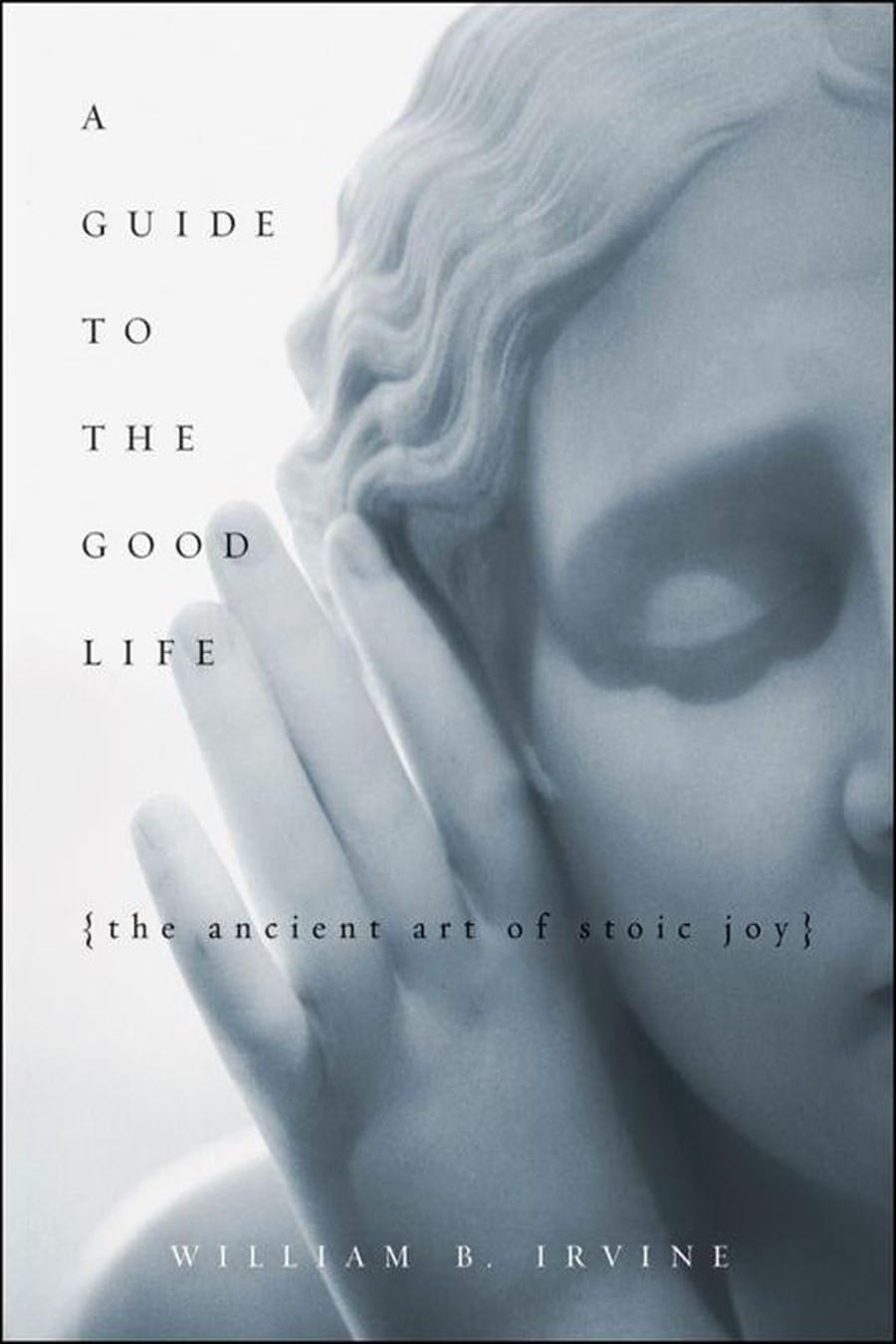
A Guide to the Good Life: The Ancient Art of Stoic Joy (Comprehensive Summary)
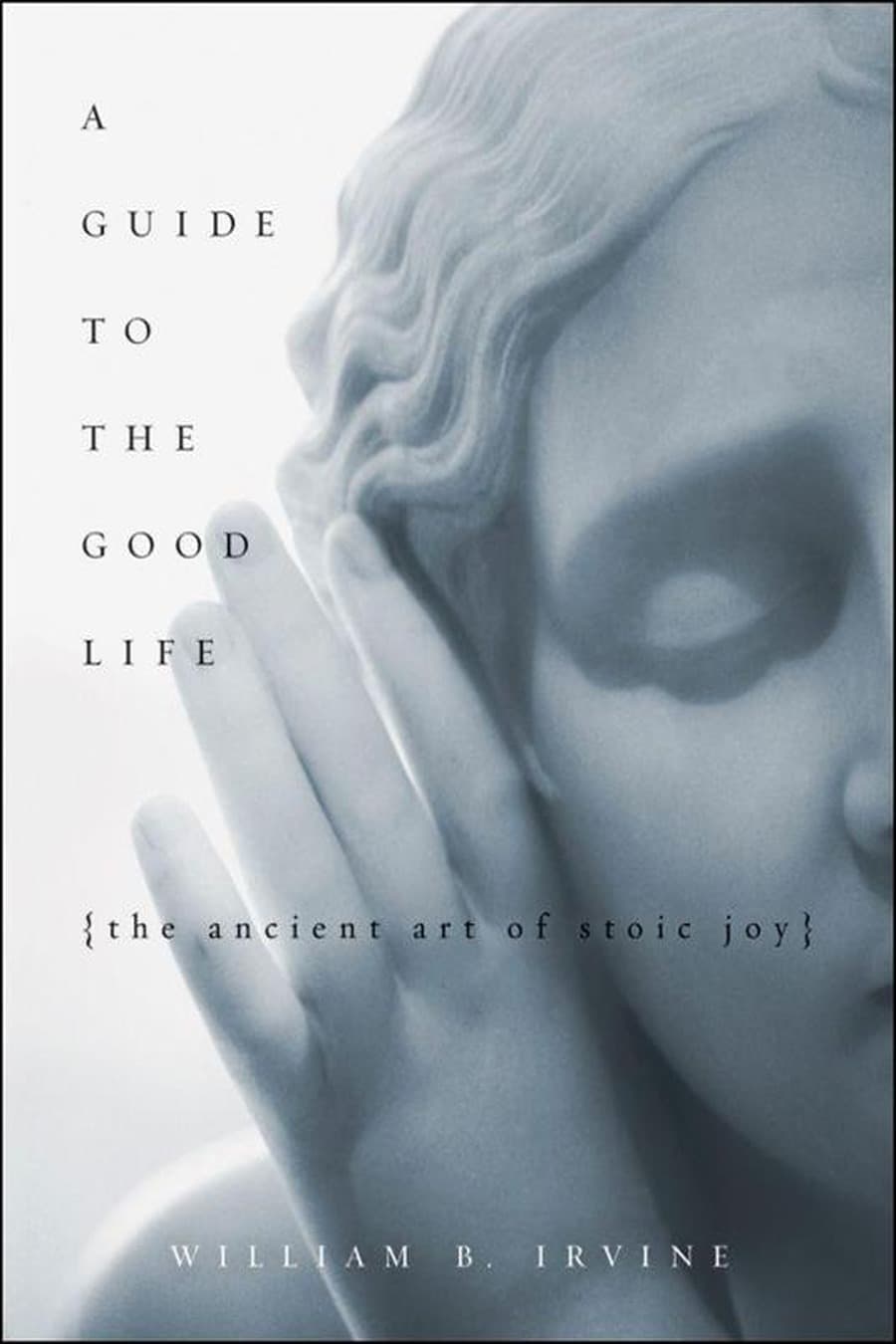
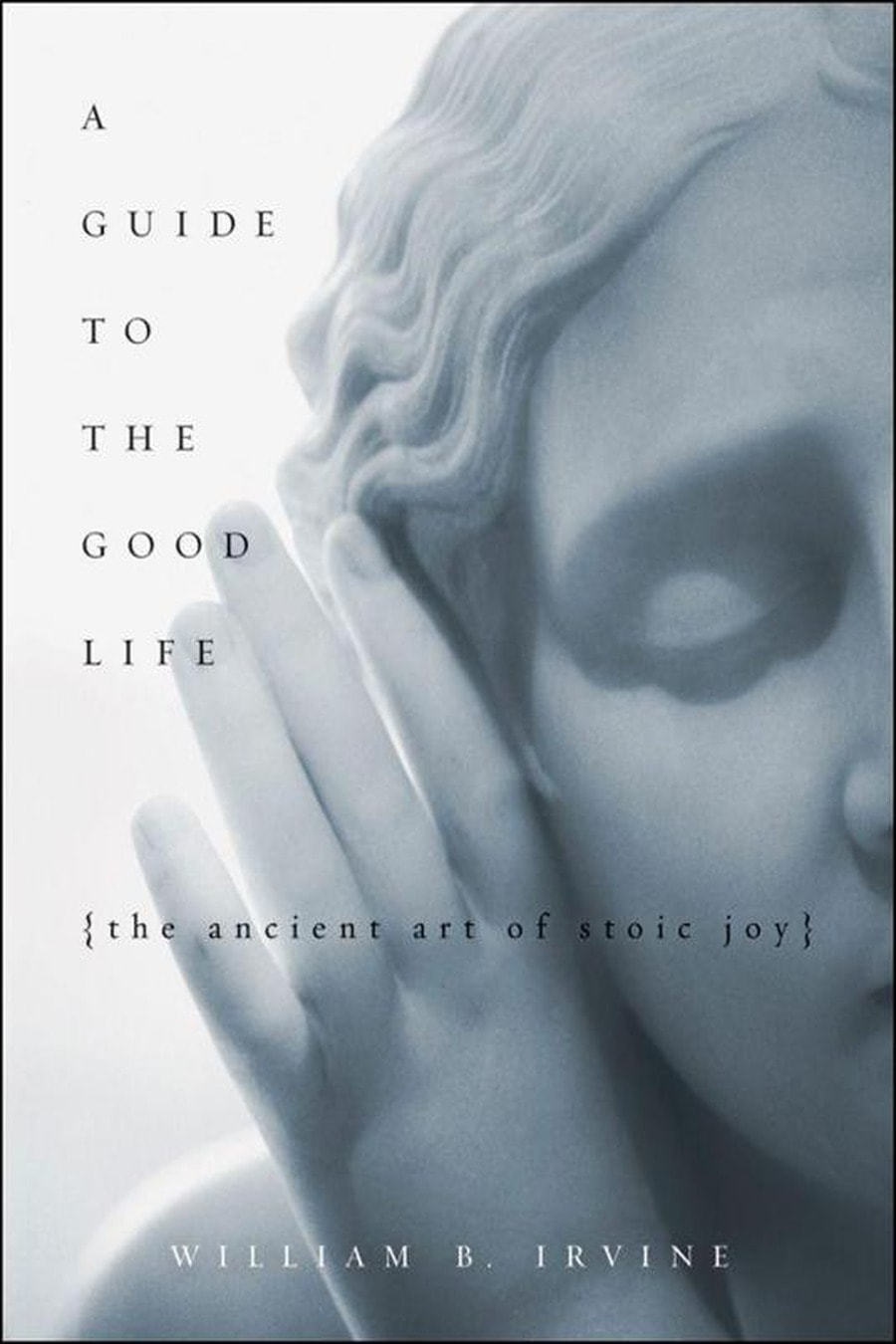
A Guide to the Good Life: The Ancient Art of Stoic Joy by William B. Irvine explores the principles of Stoicism, an ancient Greek philosophy that emphasizes rationality, self-control, and the pursuit of virtue as a path to a fulfilling life. Irvine, a philosopher and professor, distills key Stoic teachings and applies them to modern life, offering practical advice on how to cultivate joy and resilience in the face of challenges. This Lexicon edition encapsulates the essence of Irvine's insights, making them accessible for readers seeking to integrate Stoic wisdom into their daily lives.
Editions

X-Ray
The author and narrator who distills Stoic philosophy, shares personal experiences, and advocates for its practical application in modern life.
An influential Roman Stoic philosopher and former slave whose practical teachings emphasize the dichotomy of control and personal responsibility.
A prominent Roman Stoic philosopher, playwright, and advisor to Emperor Nero, known for his accessible essays and letters on managing emotions and achieving tranquility.
A Roman Emperor and Stoic philosopher whose personal reflections in 'Meditations' provide deep insights into Stoic ethics, duty, and the pursuit of tranquility amidst immense pressure.
About A Guide to the Good Life: The Ancient Art of Stoic Joy (Comprehensive Summary)
Chapter Summaries
- 1
- This chapter introduces the 'Lexicon' as an original summary of William B. Irvine's 'A Guide to the Good Life,' distilling its core ideas into concise prose. It clarifies that this is not a reproduction of the original text and encourages readers to seek out the full edition for comprehensive understanding.
- 2
- Irvine introduces Stoicism as an ancient philosophy emphasizing rationality, self-control, and virtue for a fulfilling life, tracing its origins and key figures like Epictetus, Seneca, and Marcus Aurelius. He posits that happiness stems from internal states, not external circumstances, and introduces 'negative visualization' and virtue as the highest good.
- 3
- Irvine urges readers to define their ultimate life goals, arguing that a clear philosophy of life is essential to avoid 'misliving' and regret. He presents Stoicism as a practical framework for emotional regulation and achieving a meaningful life, sharing his personal journey of discovering its true, positive nature.
Key Themes
- The Pursuit of Tranquility and Joy
- The book consistently emphasizes tranquility (ataraxia) as the ultimate Stoic goal, defining it as the absence of negative emotions and the presence of profound joy. Irvine argues that Stoicism provides a practical framework for cultivating this inner peace, distinct from fleeting pleasures or external achievements.
- Control and Acceptance
- A cornerstone of Stoicism, the dichotomy (or trichotomy) of control teaches individuals to distinguish between what they can influence and what they must accept. This theme manifests as a strategy to alleviate anxiety by focusing effort on internal responses and actions rather than uncontrollable external events.
- Virtue as the Highest Good
- Irvine highlights the Stoic belief that living virtuously—characterized by wisdom, courage, justice, and temperance—is inherently rewarding and leads to true fulfillment. This contrasts with modern societal priorities of material wealth and status, advocating for a life aligned with ethical principles.
Characters
- William B. Irvine(narrator)
- The author and narrator who distills Stoic philosophy, shares personal experiences, and advocates for its practical application in modern life.
- Epictetus(supporting)
- An influential Roman Stoic philosopher and former slave whose practical teachings emphasize the dichotomy of control and personal responsibility.
- Seneca(supporting)
- A prominent Roman Stoic philosopher, playwright, and advisor to Emperor Nero, known for his accessible essays and letters on managing emotions and achieving tranquility.
- Marcus Aurelius(supporting)
- A Roman Emperor and Stoic philosopher whose personal reflections in 'Meditations' provide deep insights into Stoic ethics, duty, and the pursuit of tranquility amidst immense pressure.
- Zeno of Citium(supporting)
- The founder of Stoicism, who blended Cynic practicality with theoretical philosophy, establishing its foundational components of logic, physics, and ethics.
- Musonius Rufus(supporting)
- A practical Roman Stoic teacher known for emphasizing the application of philosophy to everyday life, including diet, clothing, and social conduct, and advocating for women's education.
Link to this book
Add a free, dofollow link to Lex on your blog, forum, syllabus, or reading list.

<a href="https://lex-books.com/book/a-guide-to-the-good-life-the-ancient-art-of-stoic-joy-comprehensive-summary-fb883d6a-8c70-5778-be57-1952ed649a04"><img src="https://lex-books.com/badges/read-on-lex.svg" alt="Read A Guide to the Good Life: The Ancient Art of Stoic Joy (Comprehensive Summary) by William B. Irvine free on Lex" width="160" height="40"></a>[](https://lex-books.com/book/a-guide-to-the-good-life-the-ancient-art-of-stoic-joy-comprehensive-summary-fb883d6a-8c70-5778-be57-1952ed649a04)[url=https://lex-books.com/book/a-guide-to-the-good-life-the-ancient-art-of-stoic-joy-comprehensive-summary-fb883d6a-8c70-5778-be57-1952ed649a04][img]https://lex-books.com/badges/read-on-lex.svg[/img][/url]Read A Guide to the Good Life: The Ancient Art of Stoic Joy (Comprehensive Summary) by William B. Irvine free on Lex: https://lex-books.com/book/a-guide-to-the-good-life-the-ancient-art-of-stoic-joy-comprehensive-summary-fb883d6a-8c70-5778-be57-1952ed649a04Cite this book
Reading this edition for a paper or guide? Copy a citation.
Irvine, William B.. A Guide to the Good Life: The Ancient Art of Stoic Joy (Comprehensive Summary). Lex, lex-books.com/book/a-guide-to-the-good-life-the-ancient-art-of-stoic-joy-comprehensive-summary-fb883d6a-8c70-5778-be57-1952ed649a04.Irvine, W. B. (n.d.). A Guide to the Good Life: The Ancient Art of Stoic Joy (Comprehensive Summary). Lex. https://lex-books.com/book/a-guide-to-the-good-life-the-ancient-art-of-stoic-joy-comprehensive-summary-fb883d6a-8c70-5778-be57-1952ed649a04Irvine, William B.. A Guide to the Good Life: The Ancient Art of Stoic Joy (Comprehensive Summary). Lex. https://lex-books.com/book/a-guide-to-the-good-life-the-ancient-art-of-stoic-joy-comprehensive-summary-fb883d6a-8c70-5778-be57-1952ed649a04.