12 Rules for Life (Comprehensive Summary)
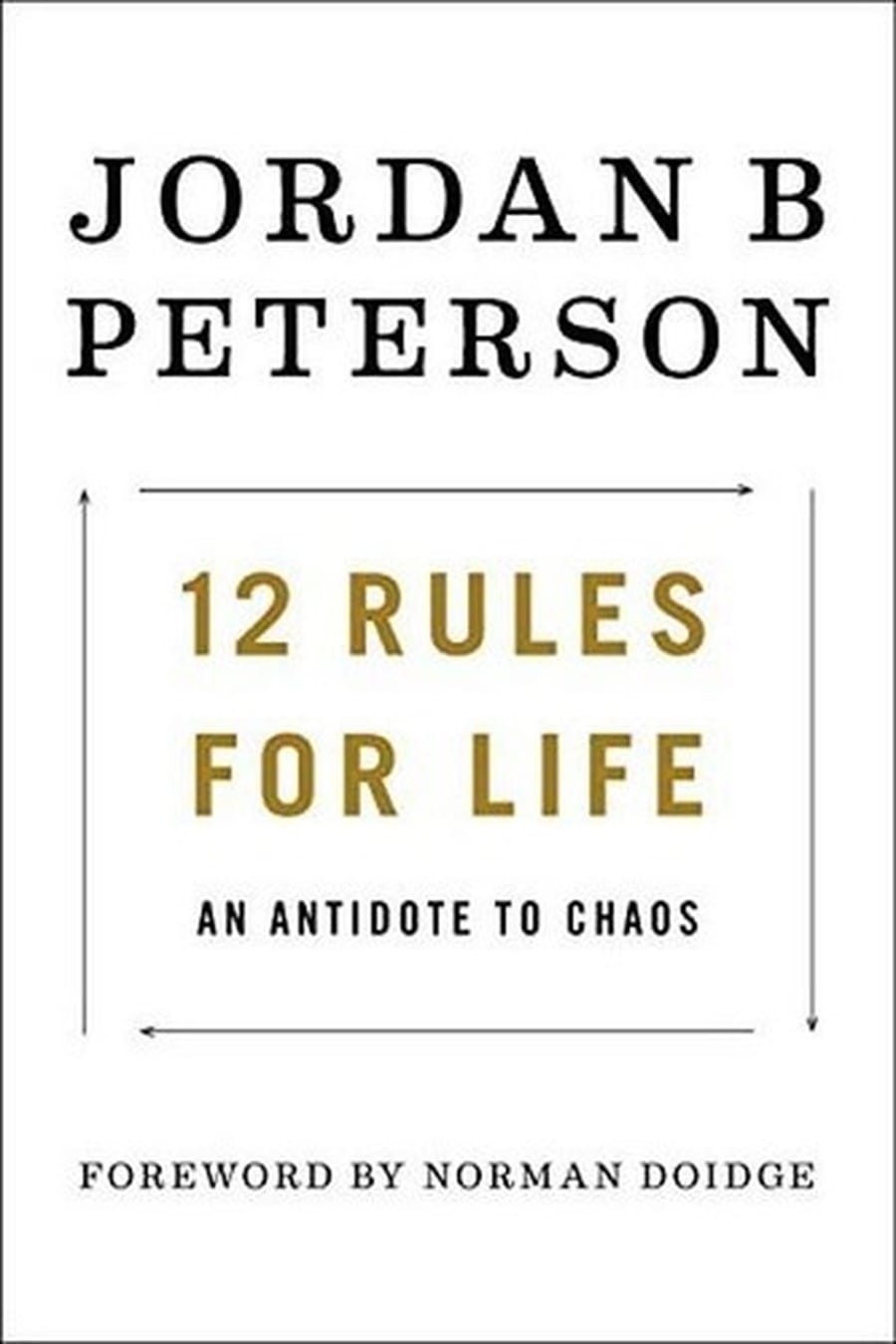
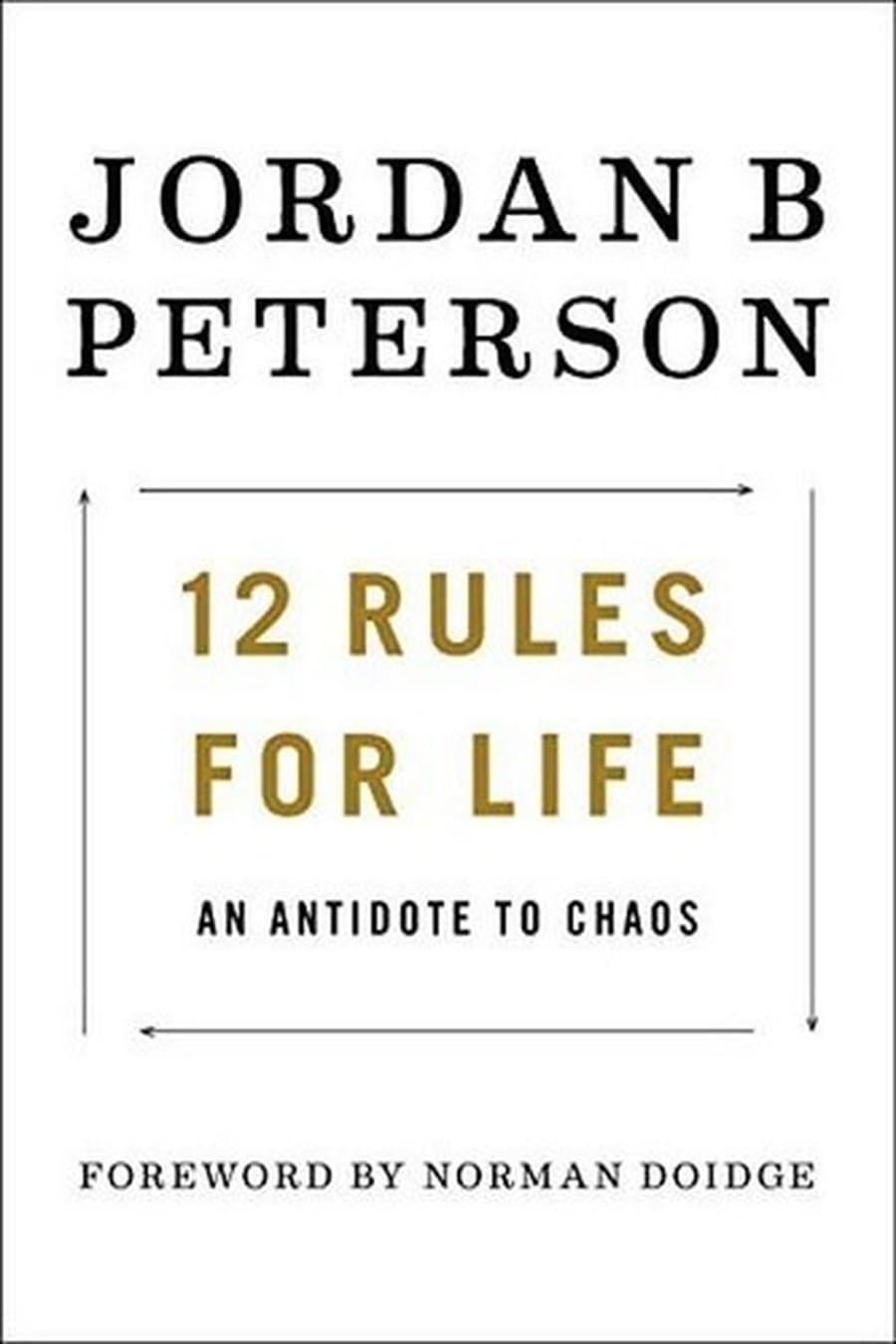
In '12 Rules for Life: An Antidote to Chaos,' Jordan Peterson, a clinical psychologist and professor, presents a set of principles aimed at helping individuals navigate the complexities of life. Drawing on psychology, philosophy, and mythology, Peterson articulates twelve rules that encourage personal responsibility, meaning, and order in the face of chaos. The book's significance lies in its blend of practical advice and deep existential insights, making it a compelling guide for readers seeking to improve their lives. This Lexicon distills the key ideas into original prose, providing an accessible overview of Peterson's thought-provoking work.
Editions

X-Ray
The author and clinical psychologist who outlines rules for navigating life's complexities, drawing from his academic background and personal experiences.
The author of the first Foreword, who introduces Jordan Peterson's work and sets the stage for the book's themes.
A biblical figure whose narrative of the Ten Commandments illustrates the introduction of rules and the Israelites' ambivalence towards them.
A biblical figure from the Book of Genesis, whose story with Eve symbolizes humanity's awakening to self-consciousness and suffering.
About 12 Rules for Life (Comprehensive Summary)
Chapter Summaries
- LEXICON
- This introductory section clarifies that the text is an original summary, distilling key ideas from Jordan Peterson's '12 Rules for Life' into concise prose. It emphasizes that it is not a reproduction of the original text and encourages readers to seek out the full edition.
- Foreword (by Norman Doidge)
- Dr. Norman Doidge introduces Jordan Peterson's '12 Rules for Life,' addressing skepticism about rules and emphasizing their necessity for guiding behavior and maintaining order in a world of moral relativism. He highlights Peterson's interdisciplinary approach, focus on personal responsibility, and appeal to younger generations seeking guidance.
- Overture
- Jordan Peterson outlines the genesis of his ideas, stemming from Quora responses and his earlier work 'Maps of Meaning,' which explored the moral implications of ancient myths. He introduces the fundamental dichotomy of order and chaos, the significance of shared belief systems, and the necessity of constructing meaning to combat despair and nihilism.
Key Themes
- Order vs. Chaos
- This theme is fundamental, positing that existence is a dynamic interplay between predictable structure (order) and the unpredictable unknown (chaos). Peterson argues that individuals must navigate this tension, embracing both stability and uncertainty, to achieve growth and a balanced life.
- Personal Responsibility
- A core tenet, emphasizing that individuals must take charge of their lives, confront their flaws, and 'set their own house in order' before attempting to critique or change the world. This theme is crucial for fostering personal growth, resilience, and contributing to societal improvement.
- The Pursuit of Meaning
- Peterson argues that life is inherently filled with suffering, and immediate gratification (expedience) ultimately leads to despair. True fulfillment comes from pursuing meaning through sacrifice, responsibility, and aligning one's actions with a higher purpose, thereby transcending the chaos of existence.
Characters
- Jordan Peterson(narrator)
- The author and clinical psychologist who outlines rules for navigating life's complexities, drawing from his academic background and personal experiences.
- Dr. Norman Doidge(supporting)
- The author of the first Foreword, who introduces Jordan Peterson's work and sets the stage for the book's themes.
- Moses(supporting)
- A biblical figure whose narrative of the Ten Commandments illustrates the introduction of rules and the Israelites' ambivalence towards them.
- Adam(supporting)
- A biblical figure from the Book of Genesis, whose story with Eve symbolizes humanity's awakening to self-consciousness and suffering.
- Eve(supporting)
- A biblical figure from the Book of Genesis, whose story with Adam symbolizes humanity's awakening to self-consciousness and suffering.
- Cain(supporting)
- A biblical figure whose story with Abel illustrates the importance of genuine effort and intention in actions and sacrifice.
Link to this book
Add a free, dofollow link to Lex on your blog, forum, syllabus, or reading list.

<a href="https://lex-books.com/book/12-rules-for-life-comprehensive-summary-2e9a472f-4af9-53f5-b907-773664757bdd"><img src="https://lex-books.com/badges/read-on-lex.svg" alt="Read 12 Rules for Life (Comprehensive Summary) by Jordan Peterson free on Lex" width="160" height="40"></a>[](https://lex-books.com/book/12-rules-for-life-comprehensive-summary-2e9a472f-4af9-53f5-b907-773664757bdd)[url=https://lex-books.com/book/12-rules-for-life-comprehensive-summary-2e9a472f-4af9-53f5-b907-773664757bdd][img]https://lex-books.com/badges/read-on-lex.svg[/img][/url]Read 12 Rules for Life (Comprehensive Summary) by Jordan Peterson free on Lex: https://lex-books.com/book/12-rules-for-life-comprehensive-summary-2e9a472f-4af9-53f5-b907-773664757bddCite this book
Reading this edition for a paper or guide? Copy a citation.
Peterson, Jordan. 12 Rules for Life (Comprehensive Summary). Lex, lex-books.com/book/12-rules-for-life-comprehensive-summary-2e9a472f-4af9-53f5-b907-773664757bdd.Peterson, J. (n.d.). 12 Rules for Life (Comprehensive Summary). Lex. https://lex-books.com/book/12-rules-for-life-comprehensive-summary-2e9a472f-4af9-53f5-b907-773664757bddPeterson, Jordan. 12 Rules for Life (Comprehensive Summary). Lex. https://lex-books.com/book/12-rules-for-life-comprehensive-summary-2e9a472f-4af9-53f5-b907-773664757bdd.