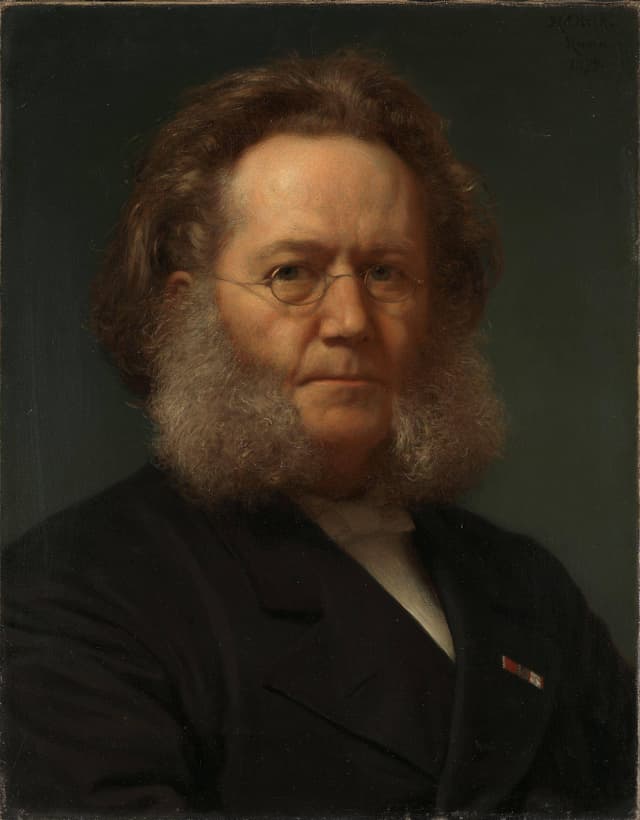
Henrik Ibsen
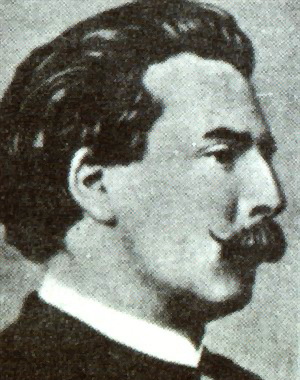
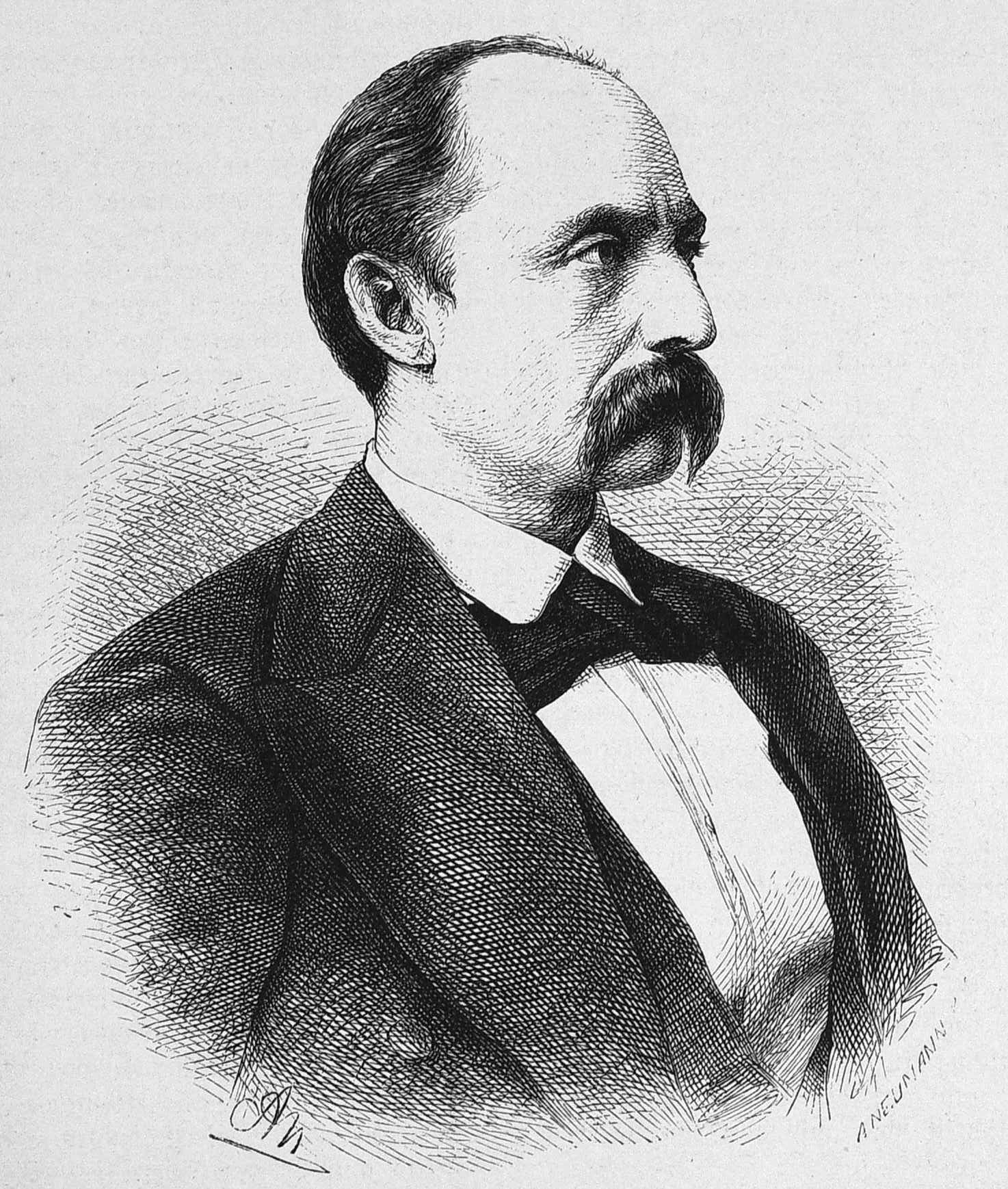
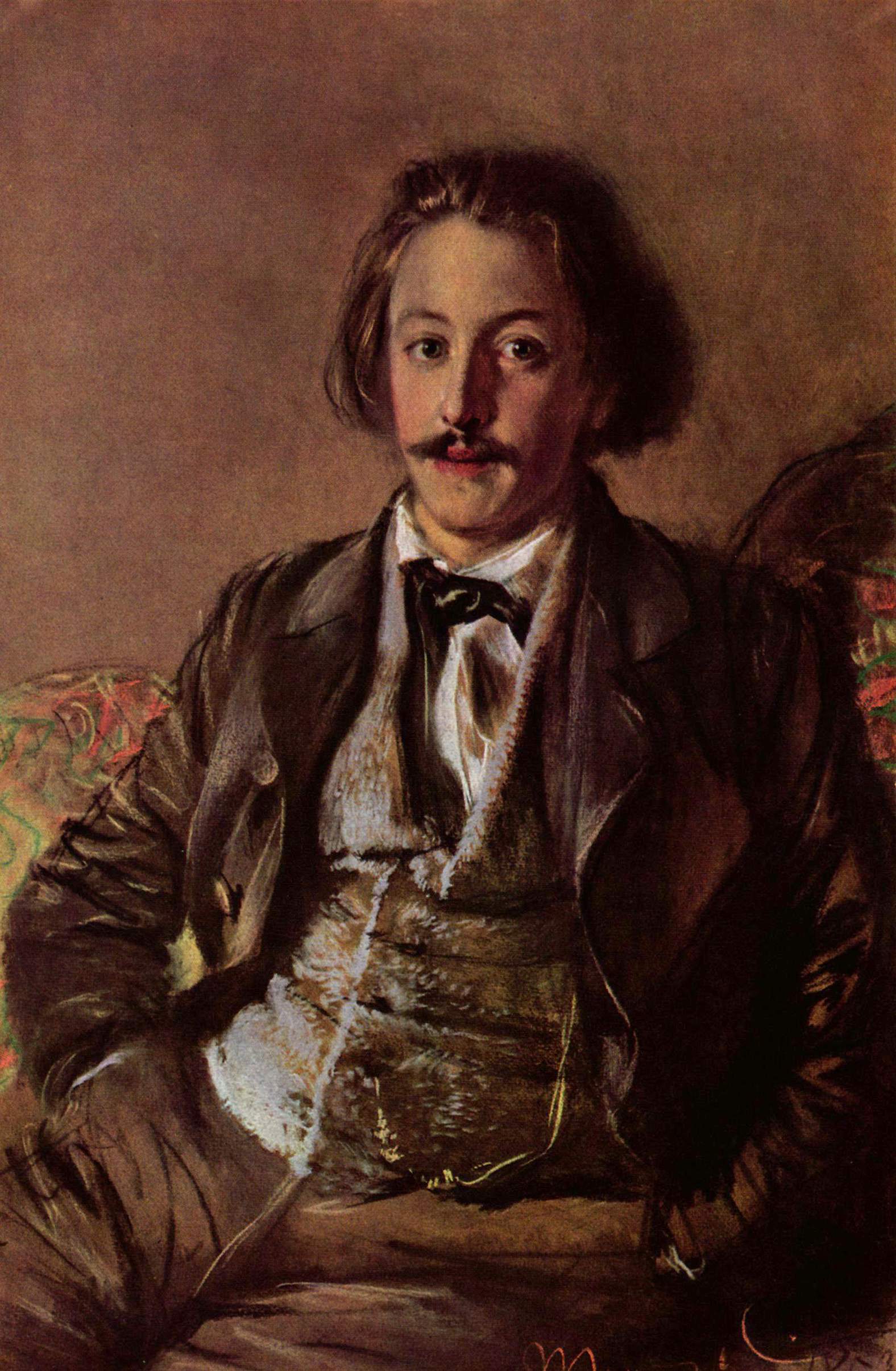
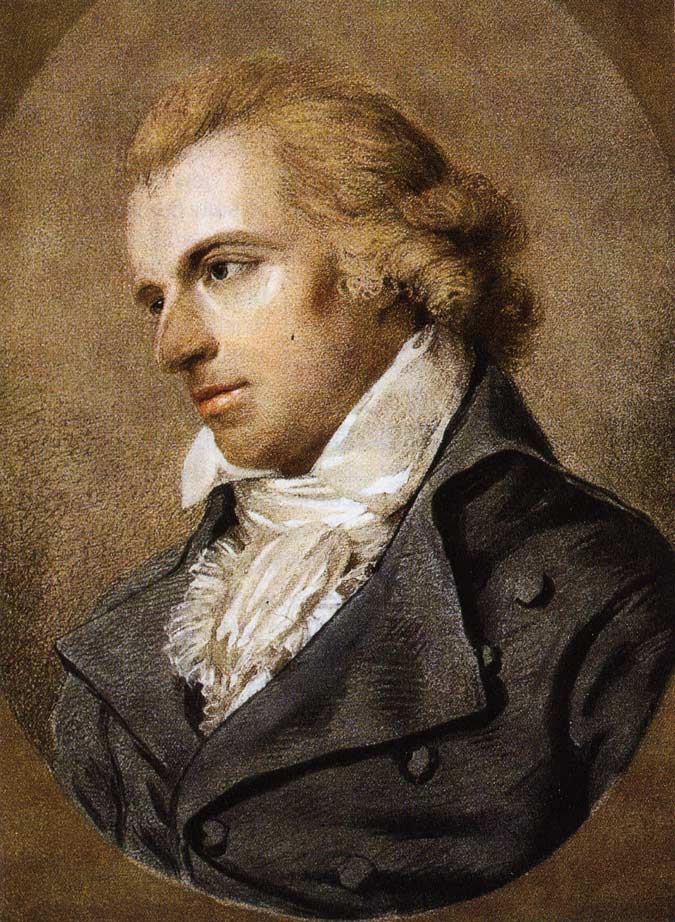
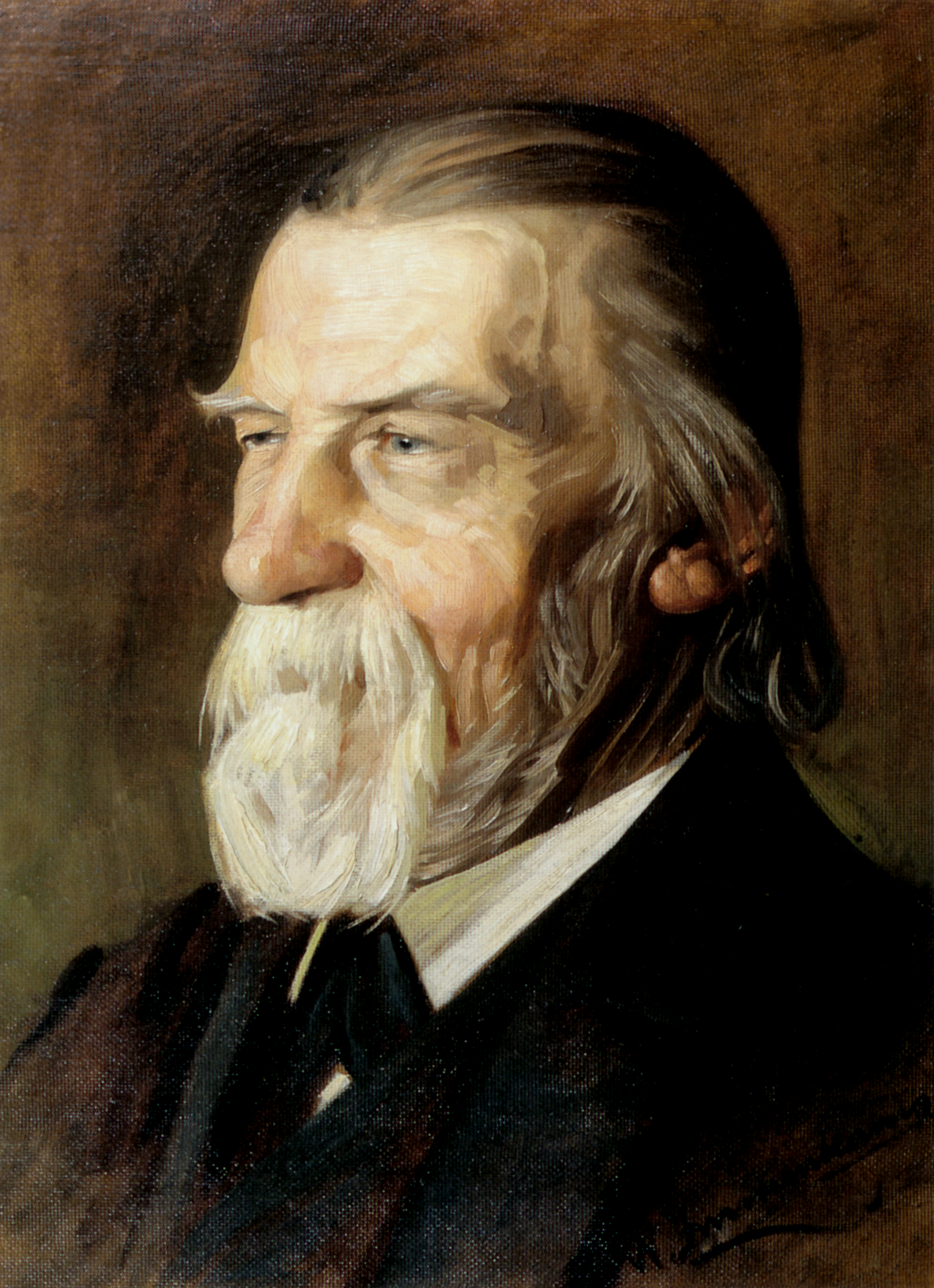
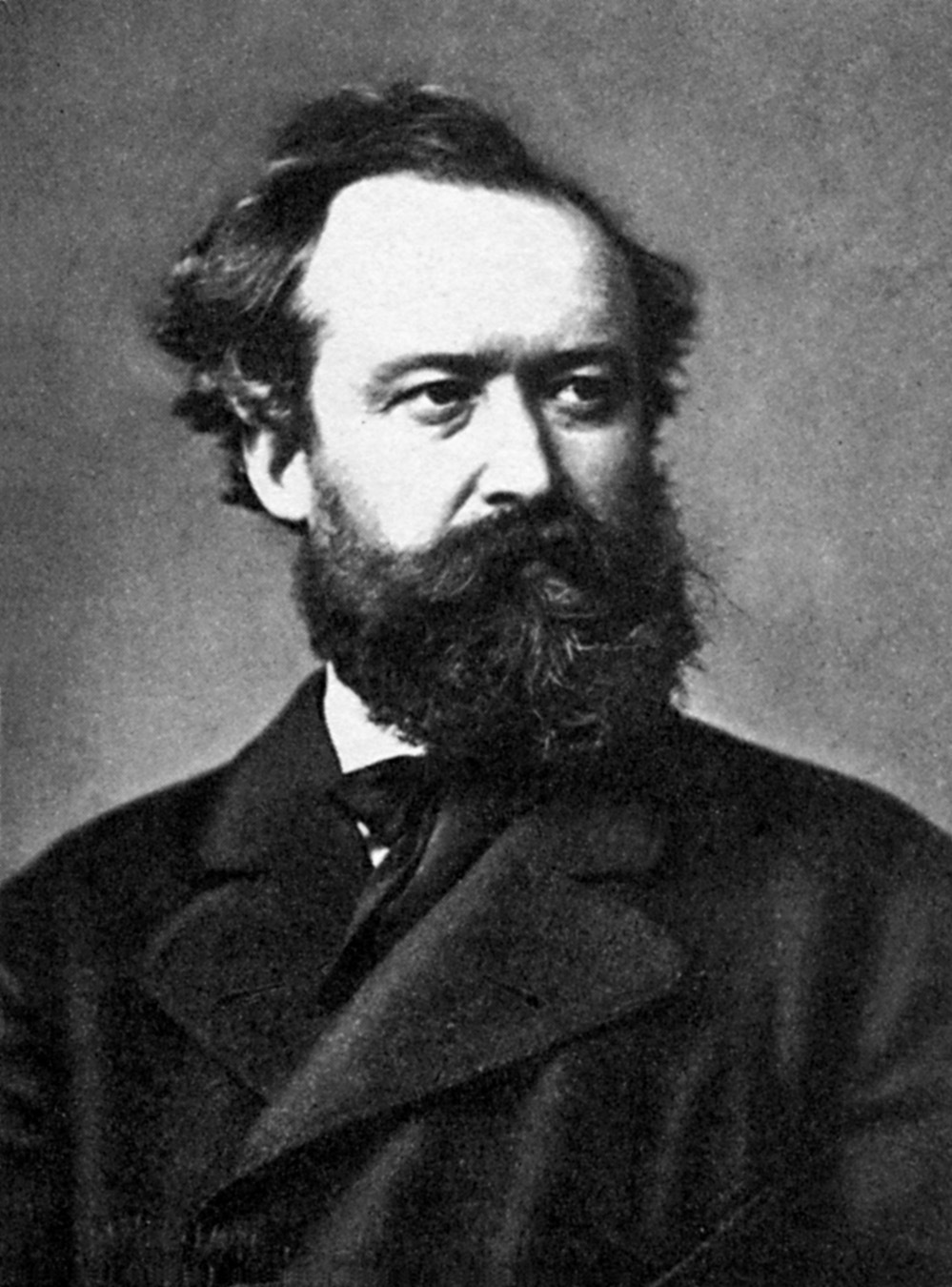
Henrik Ibsen was a Norwegian playwright renowned as one of the foremost figures in 19th-century literature, often hailed as the 'father of modern drama.' Born into a merchant family in Skien, Ibsen began his career as a theater director in Norway before gaining international acclaim with his early works, notably 'Brand' and 'Peer Gynt.' His time spent in Italy and Germany greatly influenced his writing, allowing him to develop a unique style that combined theatrical realism with lyrical elements. Ibsen's plays often explored bourgeois life and the complexities of human relationships, challenging the moral conventions of his time. Notable works such as 'A Doll's House,' 'Ghosts,' and 'Hedda Gabler' tackled controversial themes, revealing the disquieting realities that lay beneath societal façades. Ibsen's legacy is profound; he is the most frequently performed dramatist after Shakespeare and has left an indelible mark on the world of theater. His works have inspired generations of playwrights and authors, including George Bernard Shaw and Oscar Wilde, and he is frequently regarded as the most significant playwright since Shakespeare. Critics often cite 'The Wild Duck' and 'Rosmersholm' as among his finest works, while Ibsen himself considered 'Emperor and Galilean' to be his masterpiece. His critical examination of life and morality has solidified his status as a pivotal figure in the evolution of modern drama, making him a central figure in the Norwegian literary canon and a lasting influence on global literature.
Famous Quotes
View all 19 quotes“You see, the point is that the strongest man in the world is he who stands most alone.””
“I don't imagine you will dispute the fact that at present the stupid people are in an absolutely overwhelming majority all the world over.””
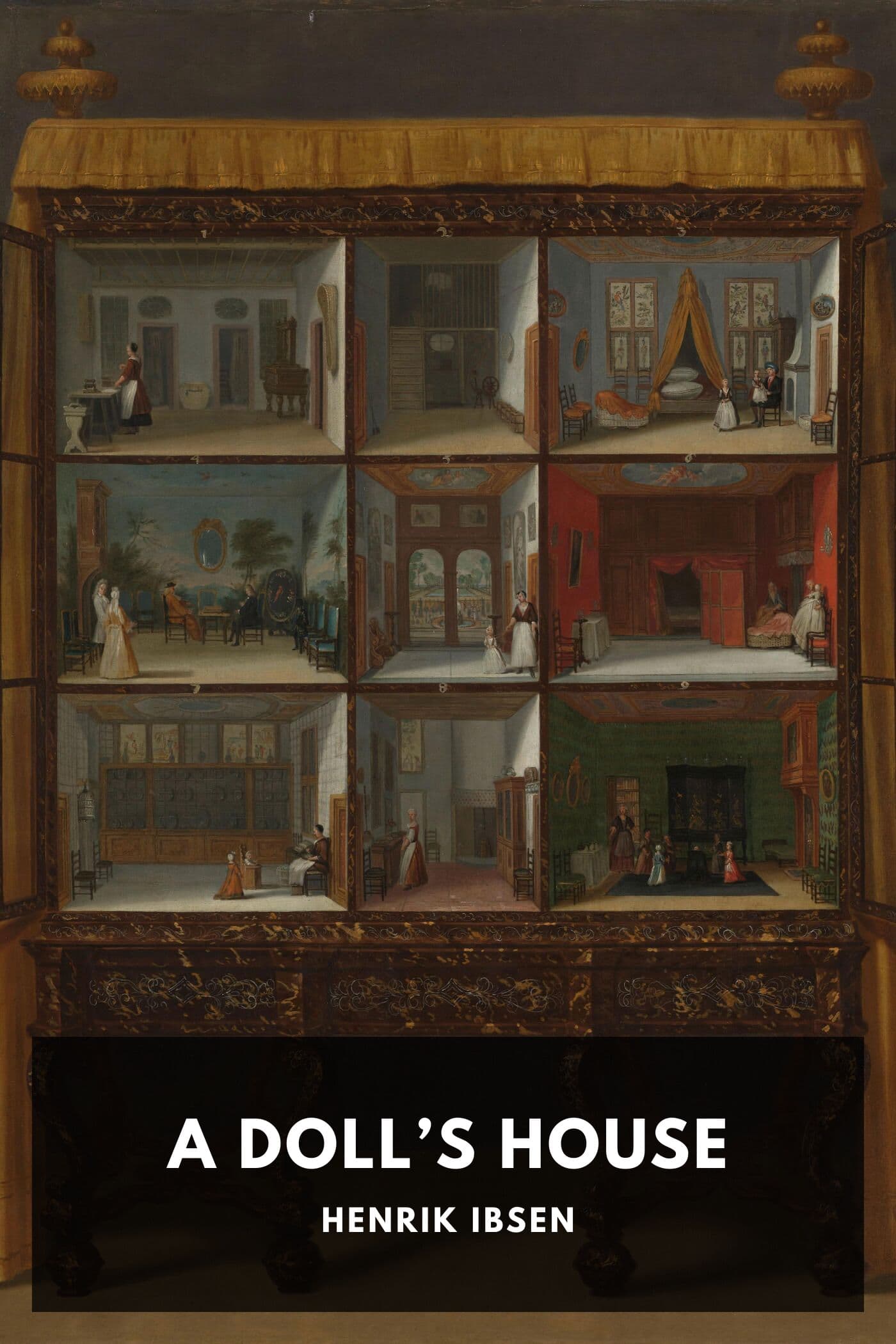
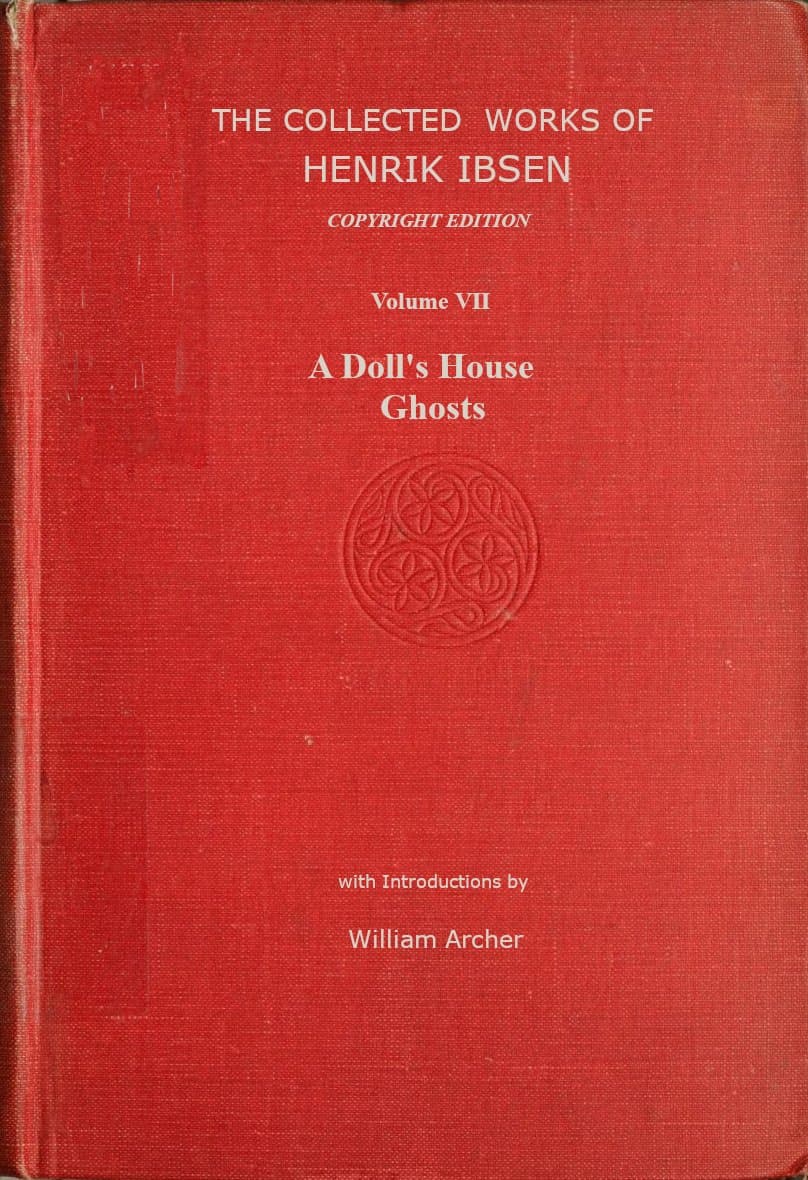
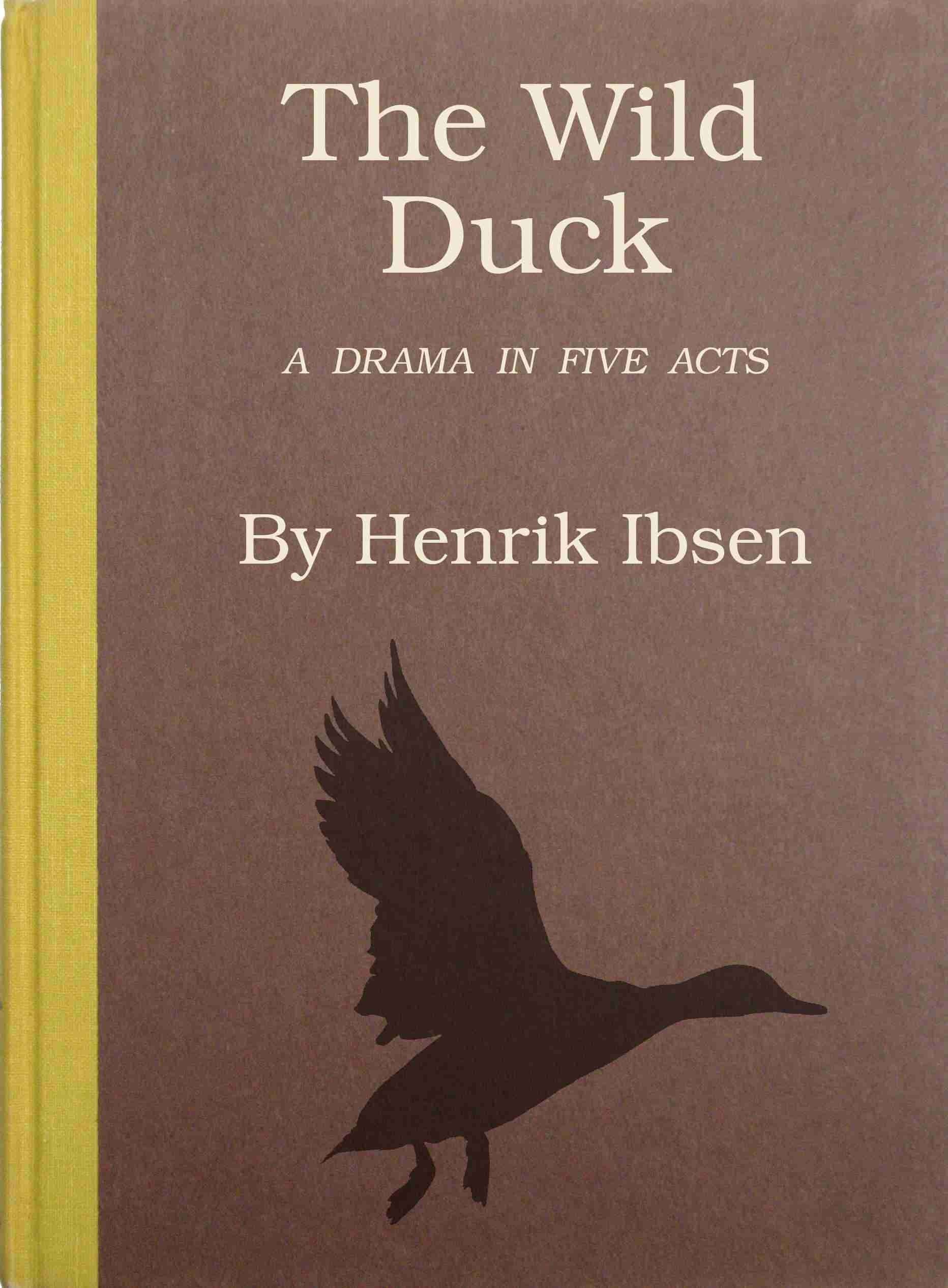
Books from the author




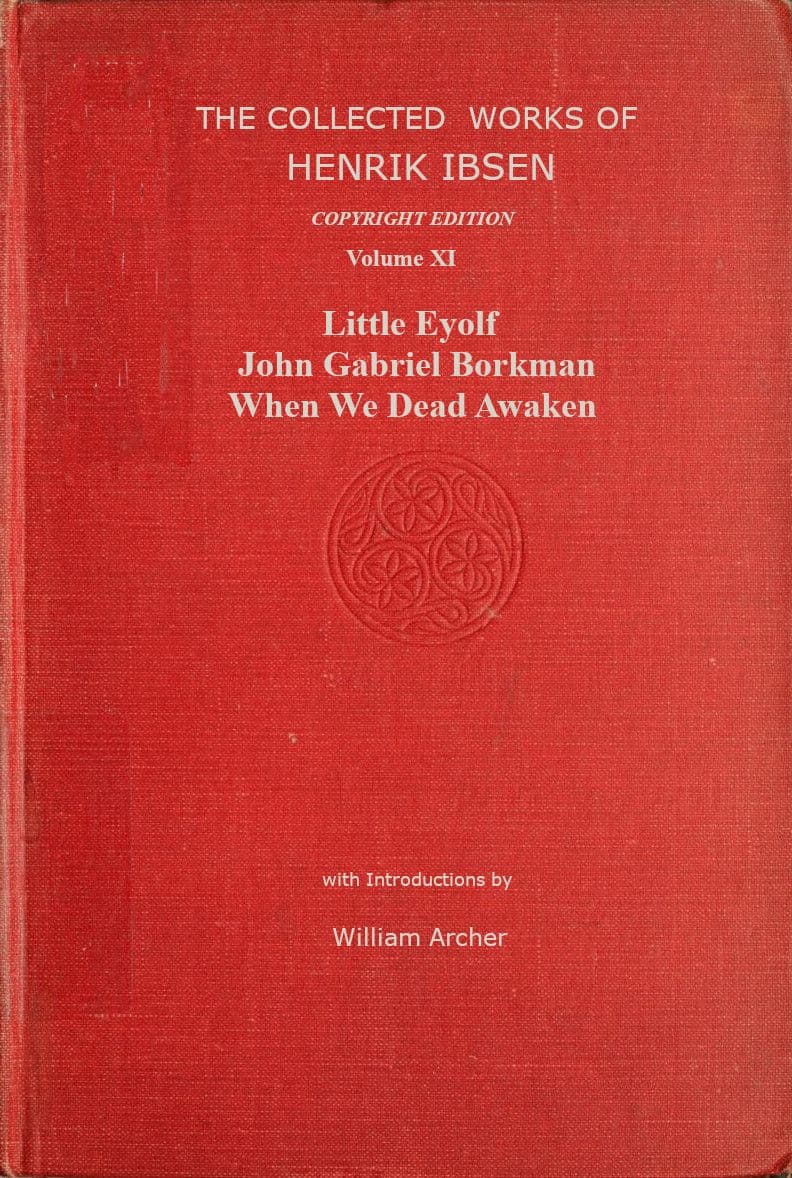

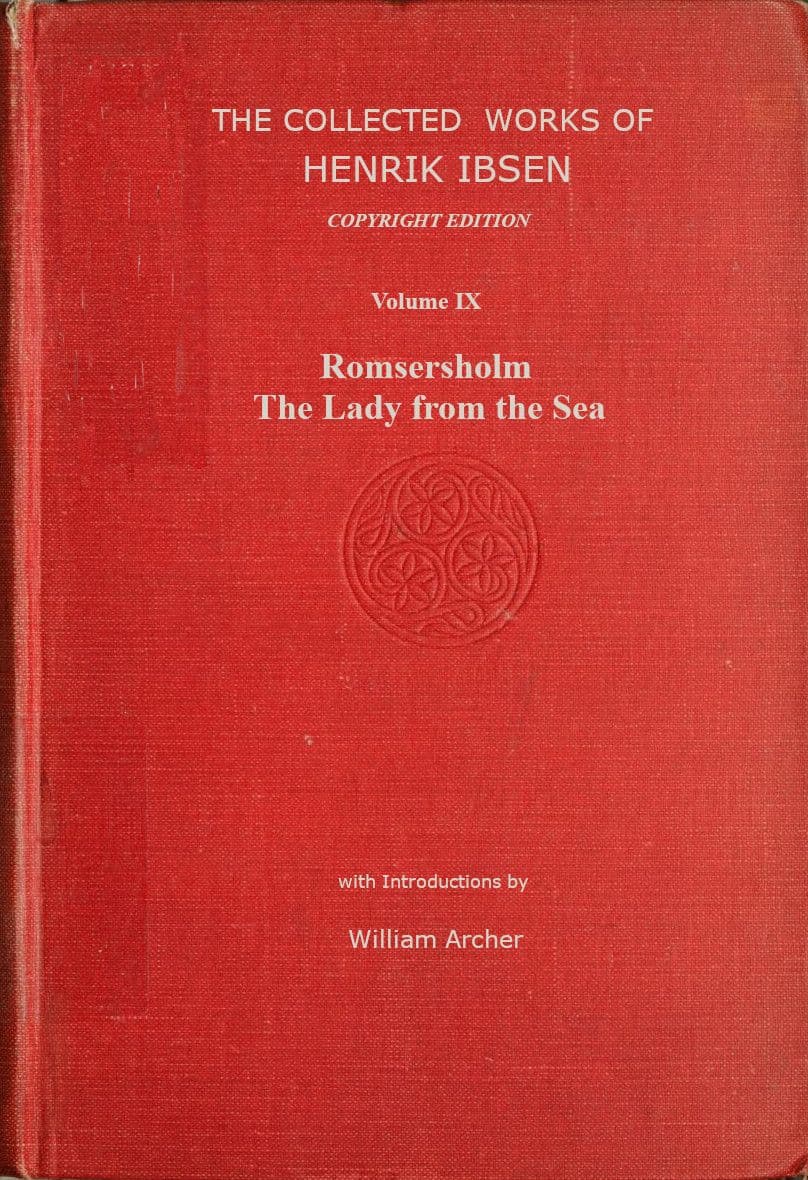



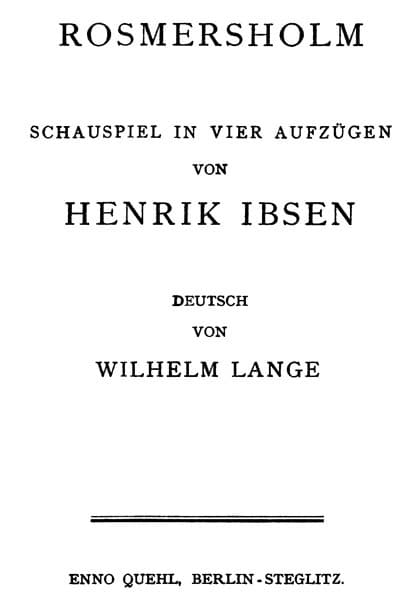
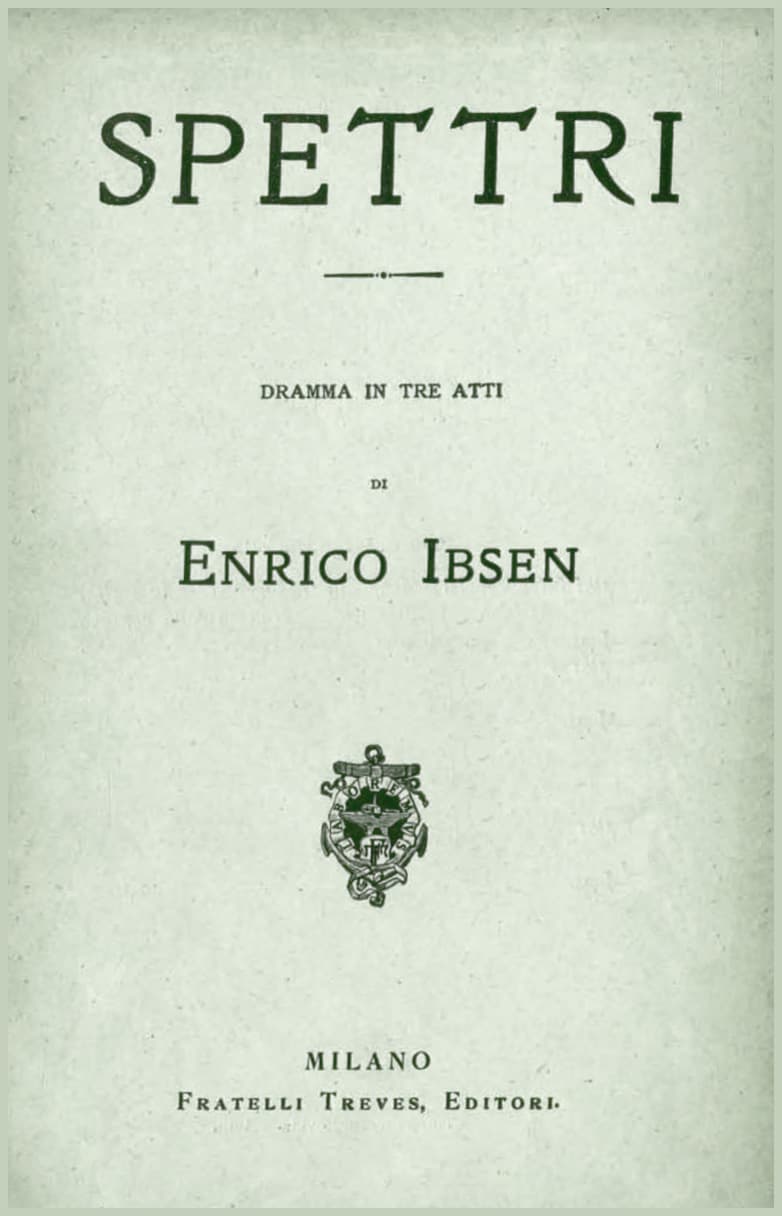








Link to this page
Add a free, dofollow link to Lex on your blog, forum, syllabus, or reading list.

<a href="https://lex-books.com/author/henrik-ibsen"><img src="https://lex-books.com/badges/read-on-lex.svg" alt="Henrik Ibsen on Lex" width="160" height="40"></a>[](https://lex-books.com/author/henrik-ibsen)[url=https://lex-books.com/author/henrik-ibsen][img]https://lex-books.com/badges/read-on-lex.svg[/img][/url]Henrik Ibsen on Lex: https://lex-books.com/author/henrik-ibsen