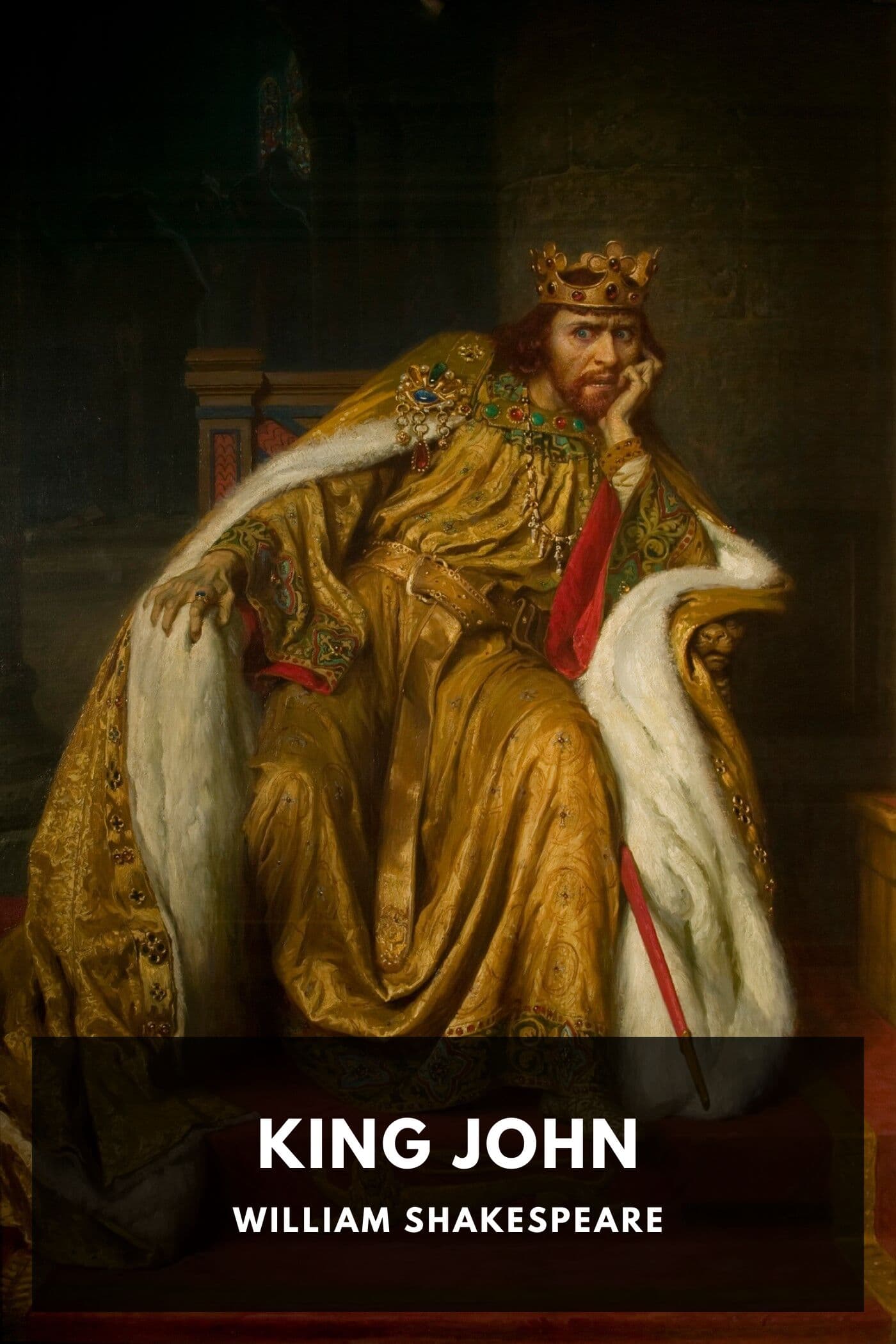
King John
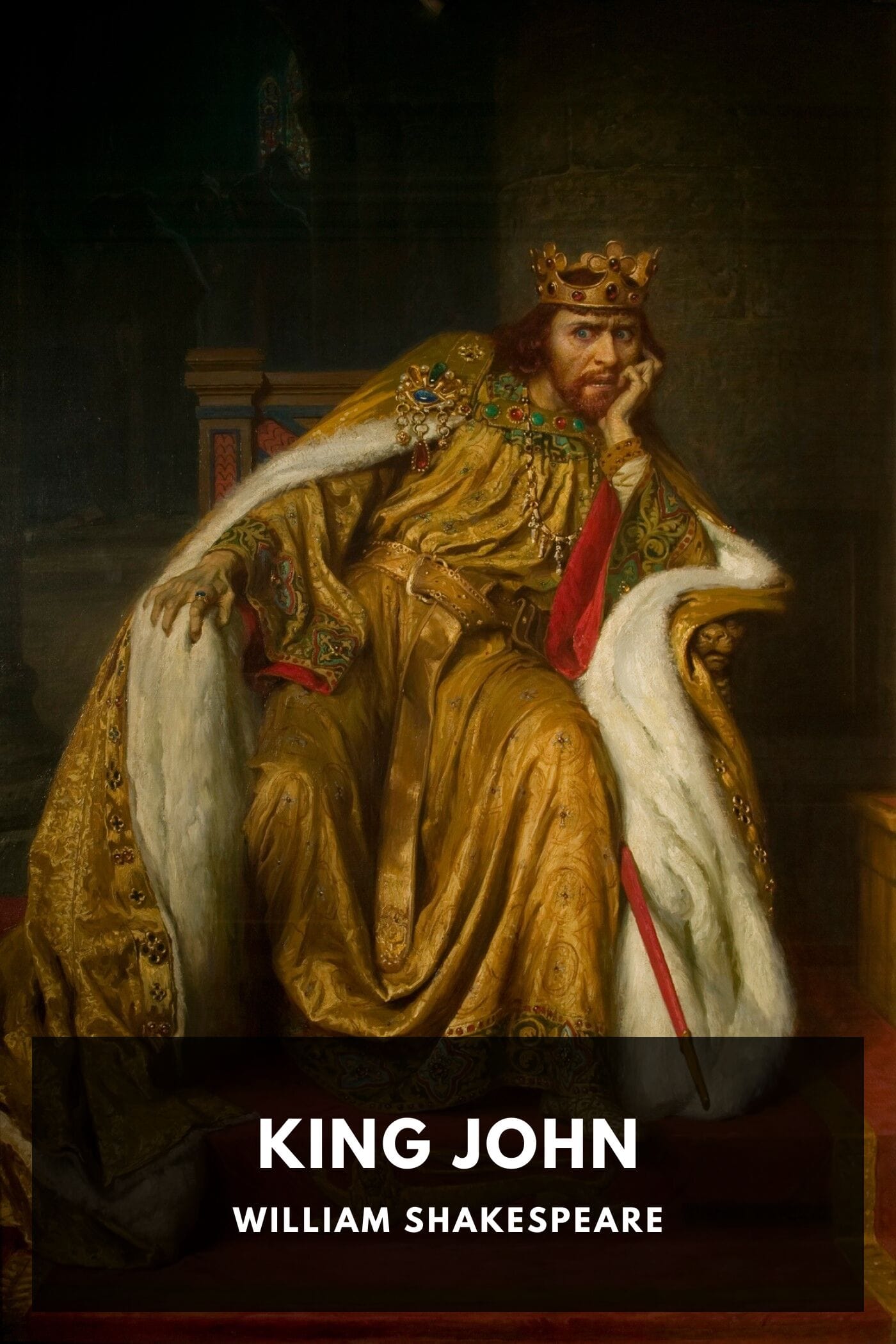
Shakespeare's *King John* plunges into the tumultuous reign of the eponymous English monarch, grappling with a precarious claim to the throne against the backdrop of Anglo-French conflict. When King Philip of France champions John's nephew, Arthur of Bretagne, as the legitimate heir, a "fierce and bloody war" looms. John's refusal ignites a continental power struggle, culminating in a siege on Angiers and a demand for allegiance from its citizens. Amidst this international crisis, John navigates domestic squabbles, notably the inheritance dispute of the Faulconbridge brothers, where a bastard son's striking resemblance to Richard the Lionheart offers an unexpected path to knighthood and a new Plantagenet lineage. More than a mere chronicle, *King John* is a piercing examination of legitimacy, ambition, and the morally ambiguous nature of power. Unlike many of Shakespeare's histories, it foregoes the grand soliloquies of introspection, instead presenting a rapid-fire succession of political maneuvers and Machiavellian machinations. The play's enduring relevance lies in its unflinching portrayal of political expediency over divine right, and the cynical manipulation of justice for personal gain, making it a stark mirror to the eternal dance of statecraft and individual conscience.
Editions


Link to this book
Add a free, dofollow link to Lex on your blog, forum, syllabus, or reading list.

<a href="https://lex-books.com/book/king-john-8371cef7-0175-499d-8b55-6384683f9fd4"><img src="https://lex-books.com/badges/read-on-lex.svg" alt="Read King John by William Shakespeare free on Lex" width="160" height="40"></a>[](https://lex-books.com/book/king-john-8371cef7-0175-499d-8b55-6384683f9fd4)[url=https://lex-books.com/book/king-john-8371cef7-0175-499d-8b55-6384683f9fd4][img]https://lex-books.com/badges/read-on-lex.svg[/img][/url]Read King John by William Shakespeare free on Lex: https://lex-books.com/book/king-john-8371cef7-0175-499d-8b55-6384683f9fd4Cite this book
Reading this edition for a paper or guide? Copy a citation.
Shakespeare, William. King John. Lex, lex-books.com/book/king-john-8371cef7-0175-499d-8b55-6384683f9fd4.Shakespeare, W. (n.d.). King John. Lex. https://lex-books.com/book/king-john-8371cef7-0175-499d-8b55-6384683f9fd4Shakespeare, William. King John. Lex. https://lex-books.com/book/king-john-8371cef7-0175-499d-8b55-6384683f9fd4.