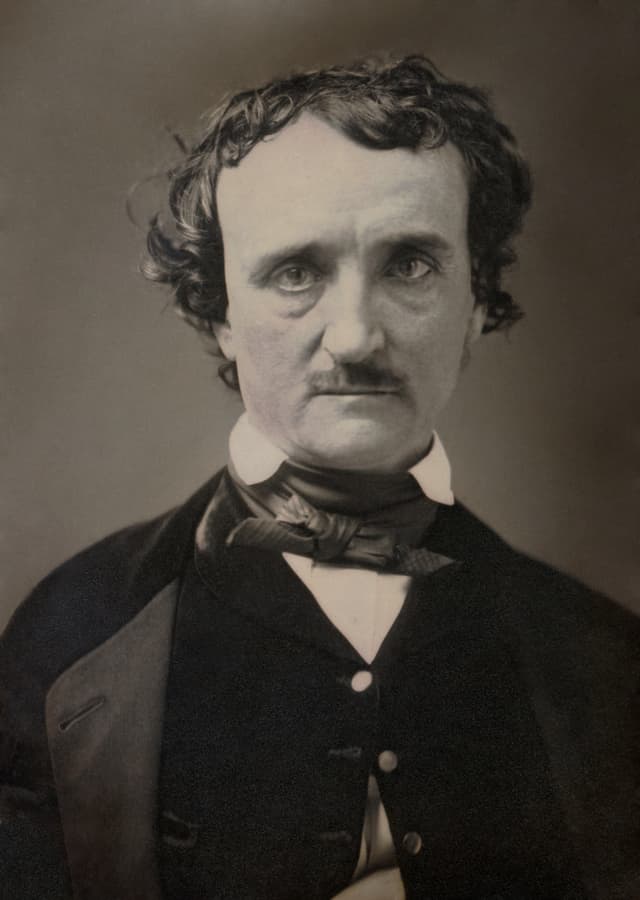
Edgar Allan Poe
Edgar Allan Poe was an influential American writer, poet, editor, and literary critic, renowned for his mastery of the macabre and his pioneering contributions to the genres of mystery and detective fiction. Born in Boston, he faced a tumultuous childhood marked by the loss of his parents and a strained relationship with his foster father, John Allan. Poe's literary career began with the publication of his first collection, 'Tamerlane and Other Poems,' in 1827, but it was his subsequent works, including 'The Tell-Tale Heart,' 'The Raven,' and 'The Fall of the House of Usher,' that solidified his reputation as a central figure in American Romanticism and Gothic literature. His unique ability to evoke emotion and suspense set a new standard for storytelling in America. Poe's life was fraught with personal struggles, including financial instability and the tragic loss of his young wife, Virginia, to tuberculosis. Despite these challenges, he became the first American writer to earn a living solely through his craft, paving the way for future generations of authors. His innovative approach to narrative structure and his exploration of psychological themes not only influenced his contemporaries but also laid the groundwork for modern genres such as science fiction and horror. Poe's legacy endures today, as his works continue to captivate readers and inspire writers, establishing him as a cornerstone of American literature.
Famous Quotes
View all 19 quotes“I became insane, with long intervals of horrible sanity.””
“All that we see or seem is but a dream within a dream.””
“Those who dream by day are cognizant of many things which escape those who dream only by night.””
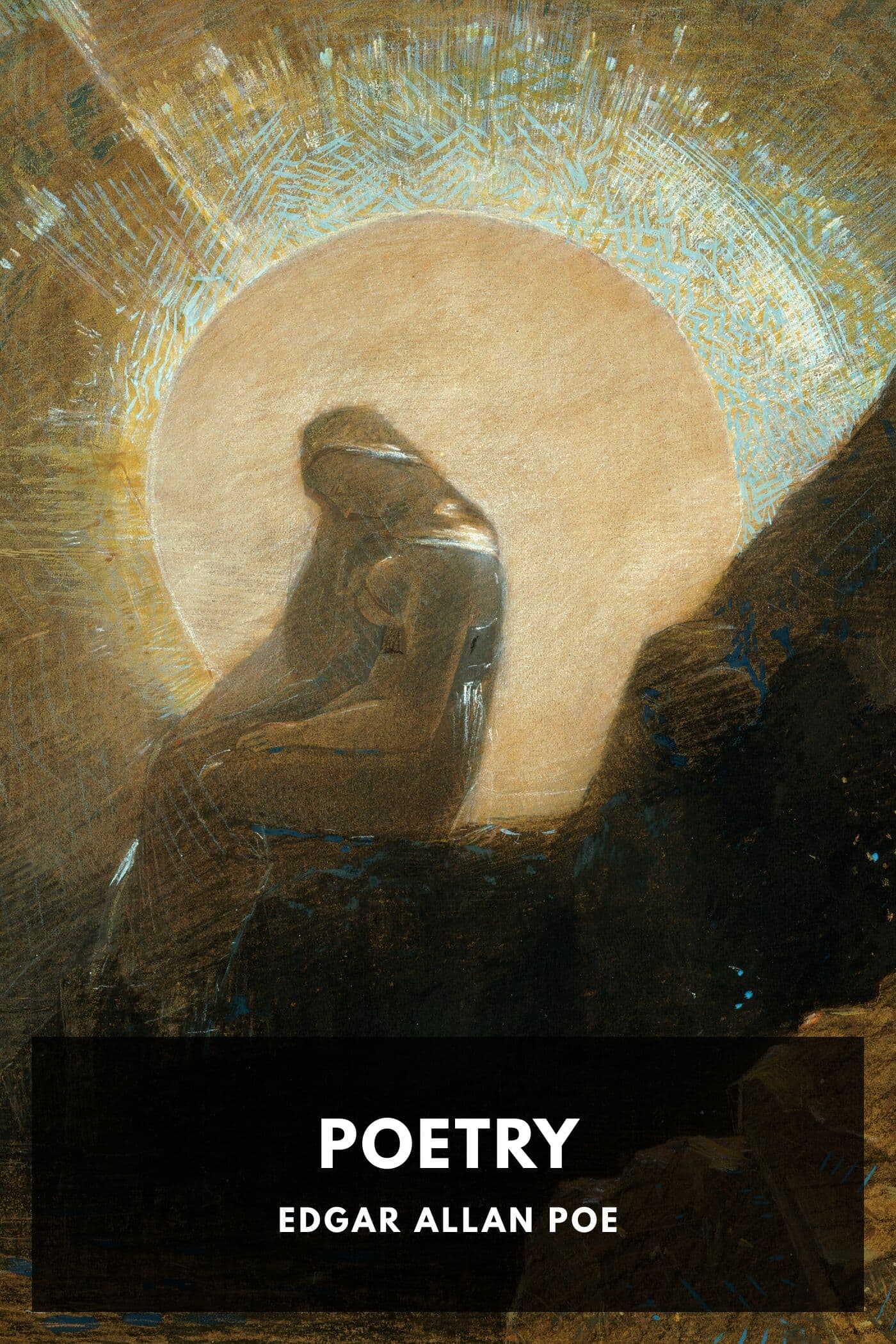
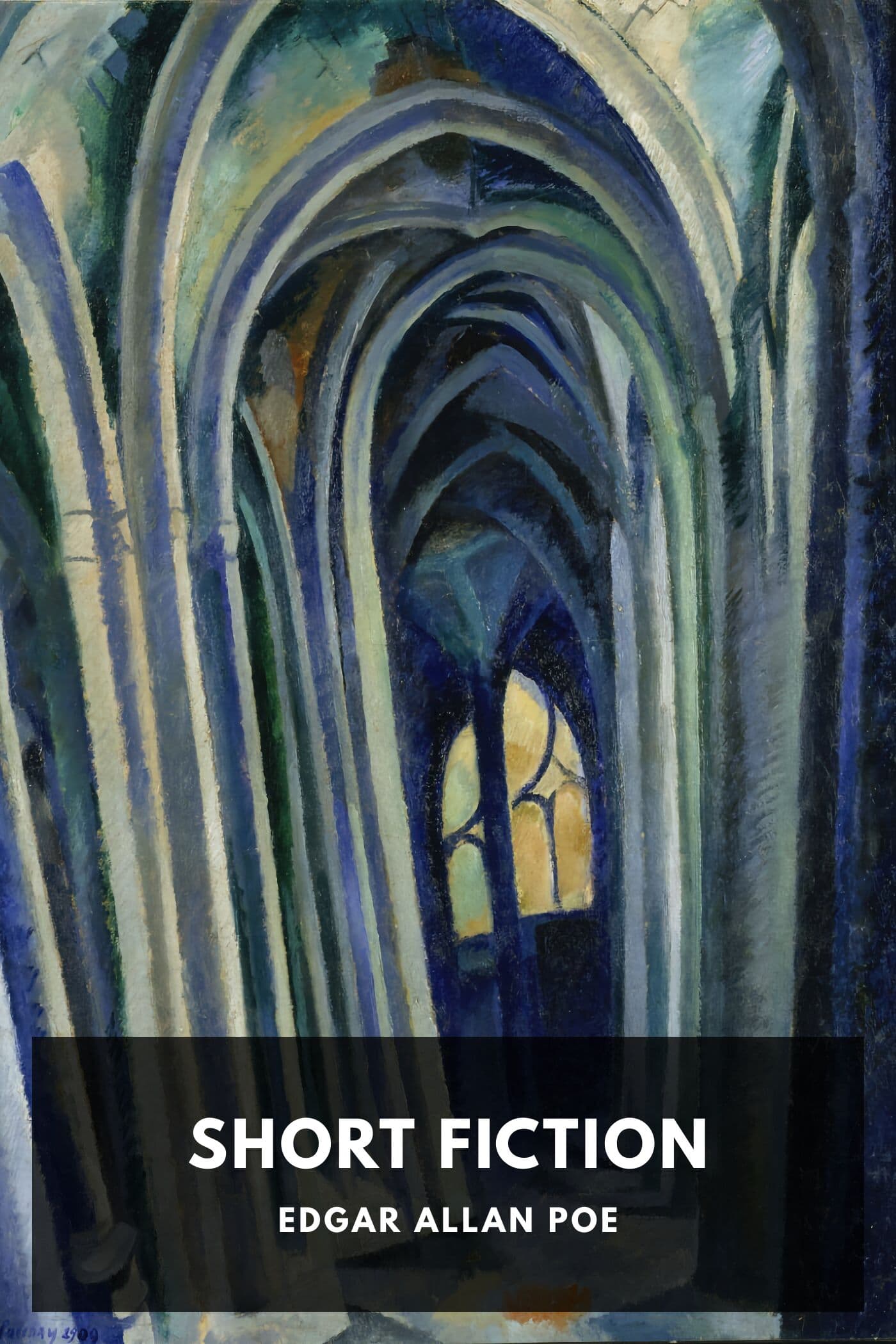
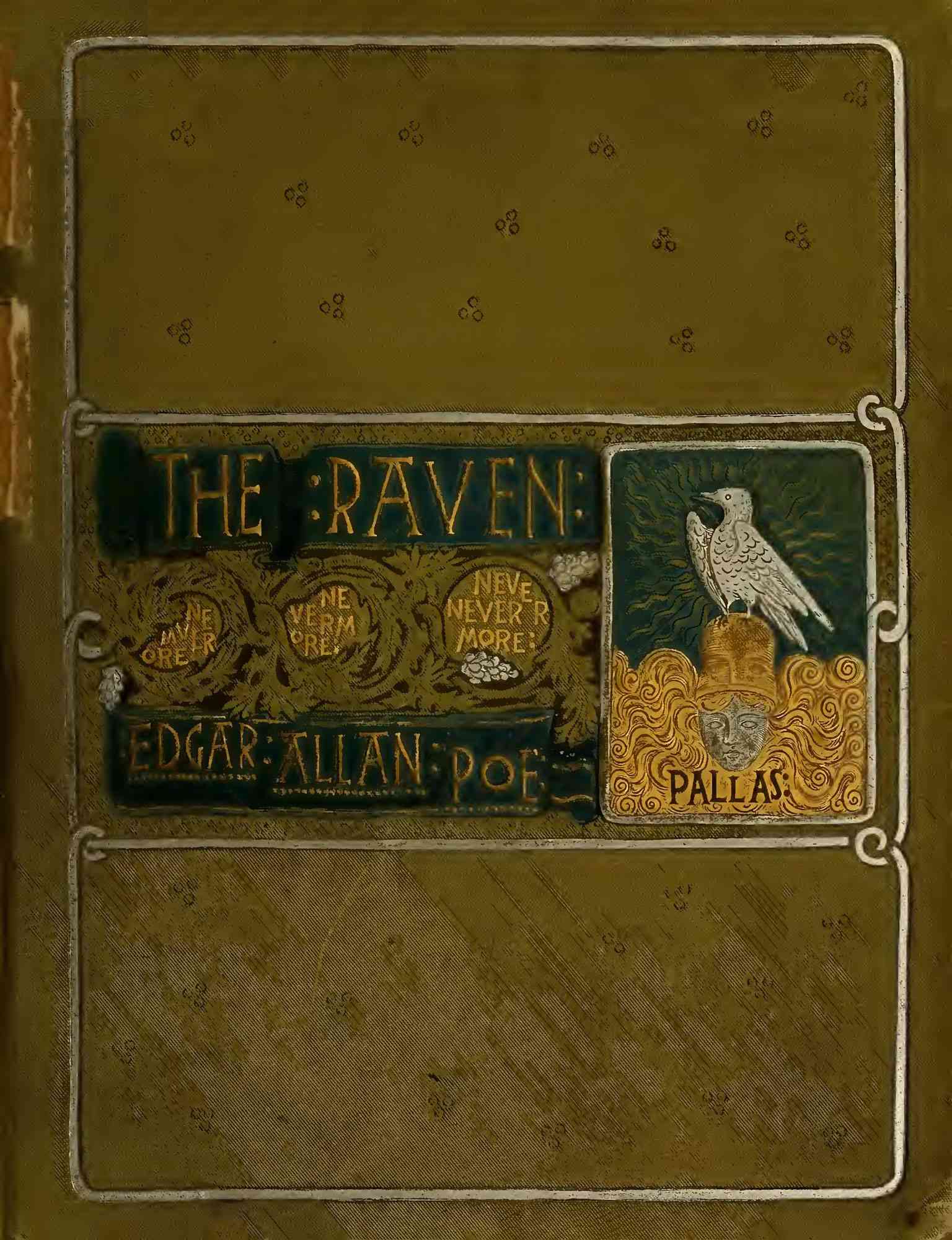
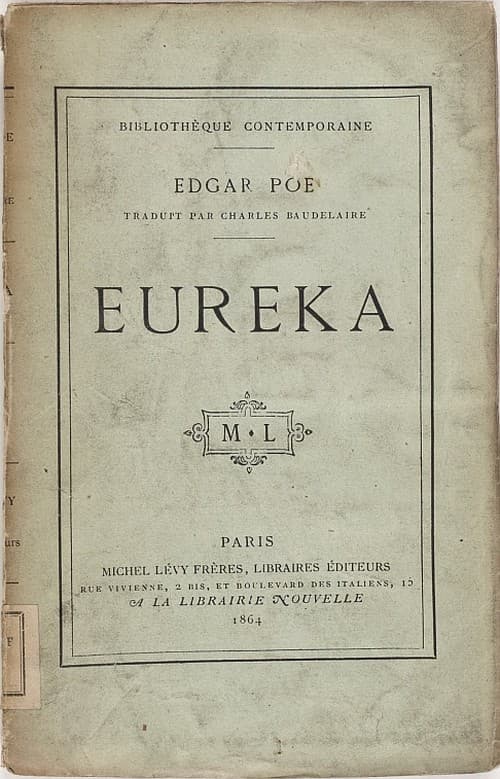
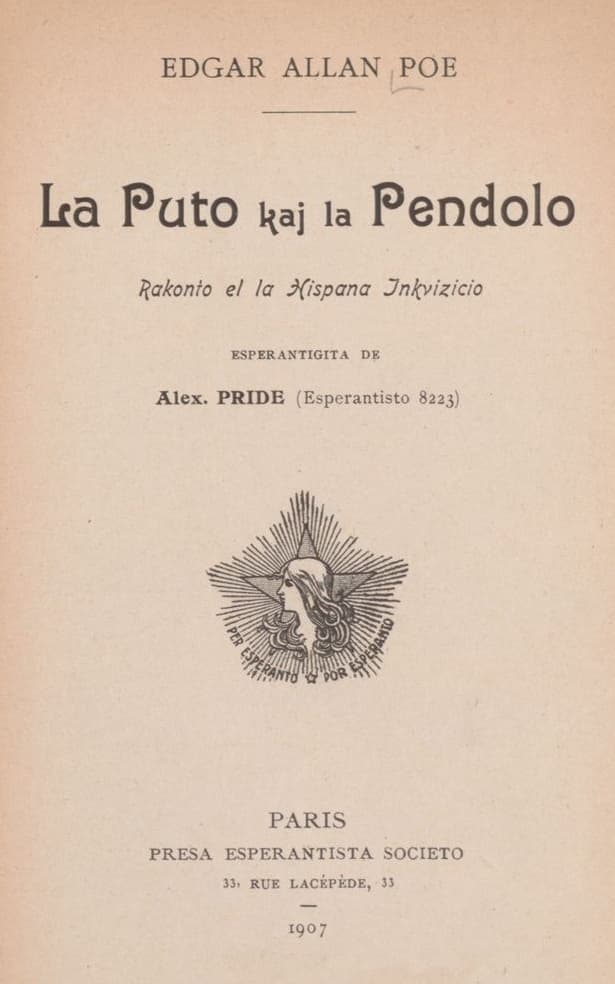
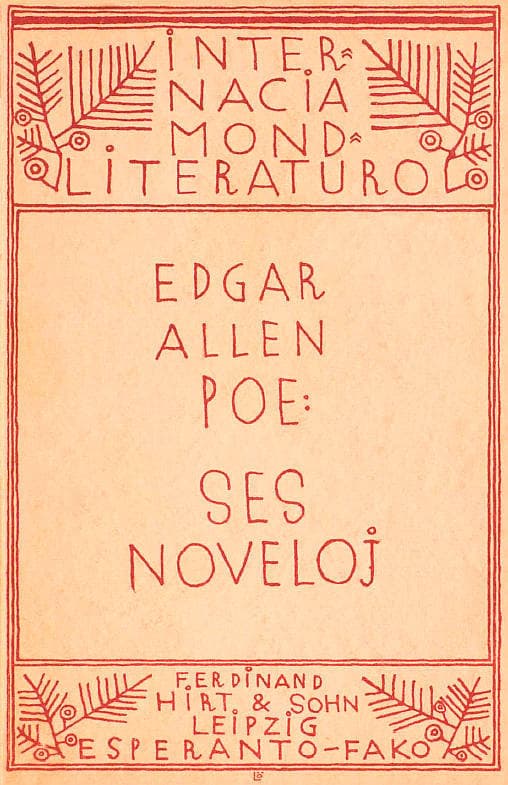
Books from the author






Link to this page
Add a free, dofollow link to Lex on your blog, forum, syllabus, or reading list.

<a href="https://lex-books.com/author/edgar-allan-poe"><img src="https://lex-books.com/badges/read-on-lex.svg" alt="Edgar Allan Poe on Lex" width="160" height="40"></a>[](https://lex-books.com/author/edgar-allan-poe)[url=https://lex-books.com/author/edgar-allan-poe][img]https://lex-books.com/badges/read-on-lex.svg[/img][/url]Edgar Allan Poe on Lex: https://lex-books.com/author/edgar-allan-poe