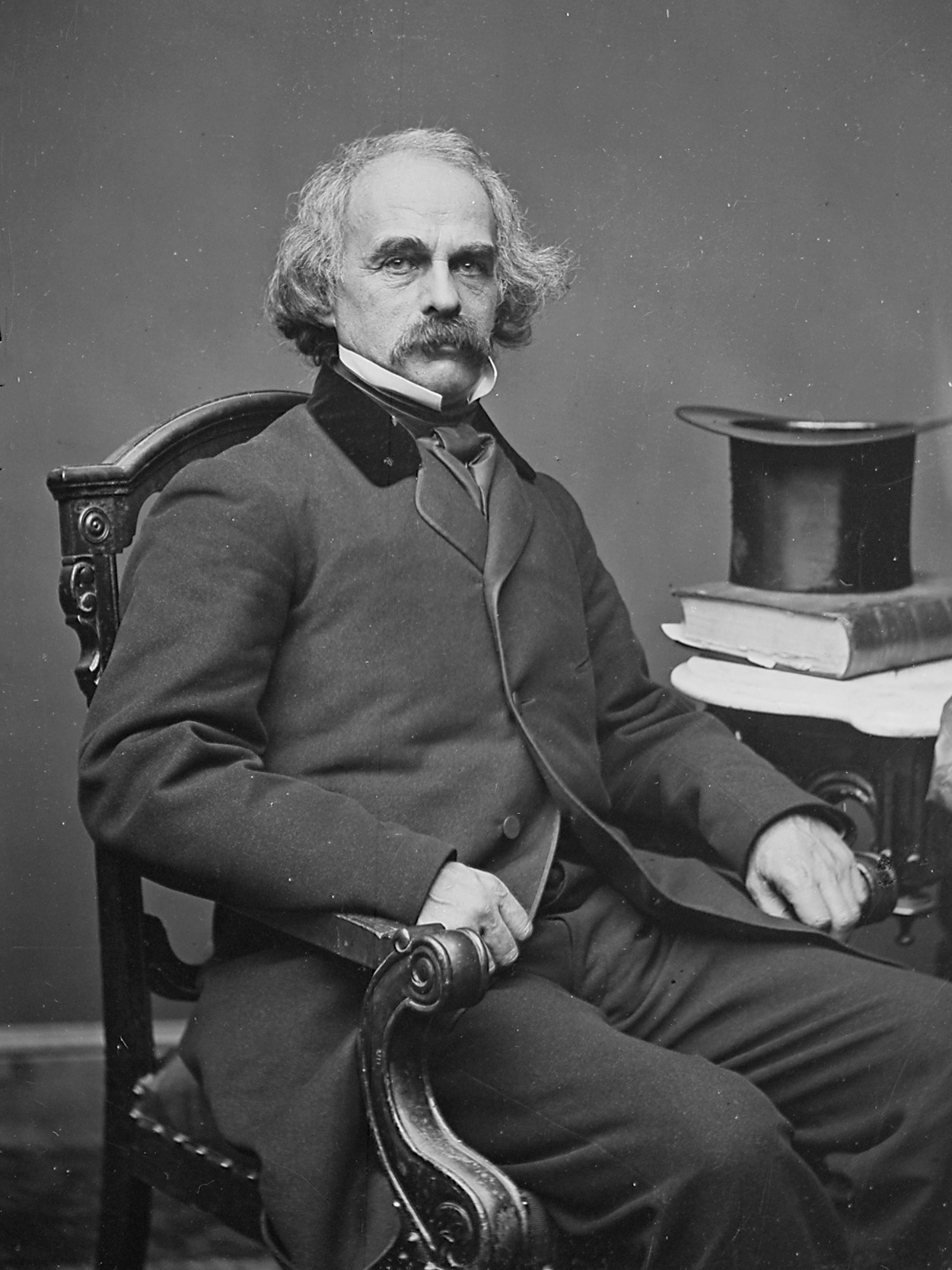
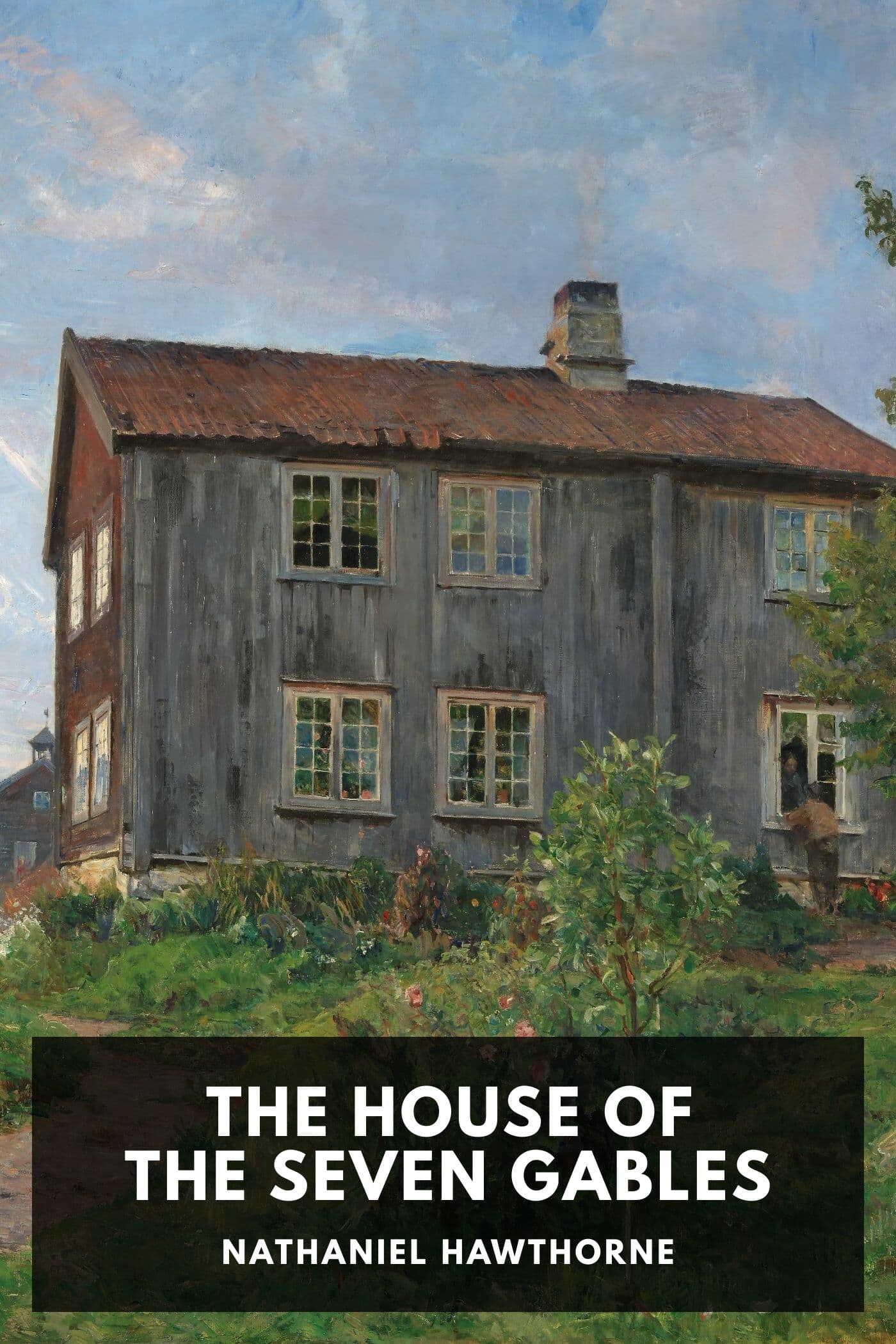
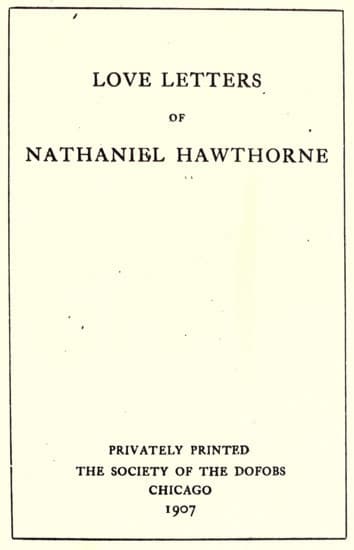
Nathaniel Hawthorne
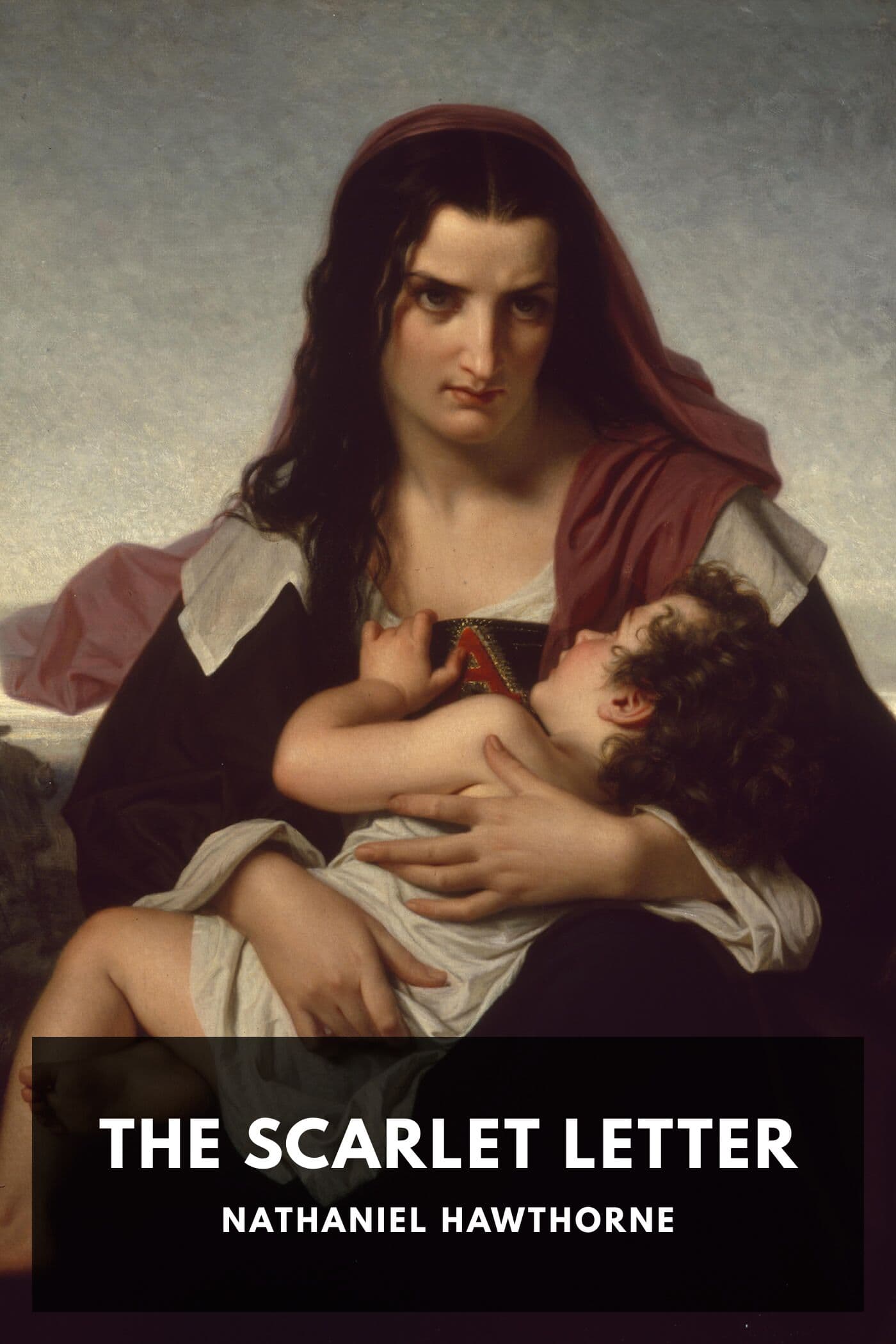
In rigid 1640s Boston, a woman stands on the scaffold with a illegitimate child in her arms and a scarlet letter embroidered on her breast. Hester Prynne has committed adultery, and while the Puritan community gathers to witness her public shaming, she refuses to name her partner in sin. The father of her child is Reverend Arthur Dimmesdale, a man of immense prestige and terrible secret guilt. Over seven years, Hawthorne dismantles the architecture of hypocrisy, showing how Hester transforms her shame into quiet power while the man who condemned her from the pulpit slowly tears himself apart. The Scarlet Letter is not merely a story about sin and punishment; it is an excavation of what we hide, what we project, and the deadly costs of living a double life. Hawthorne writes with the precision of a surgeon and the darkness of a man who understood that the worst prisons have no walls, only the opinions of neighbors.
Editions
X-Ray
“We dream in our waking moments, and walk in our sleep.””
— Nathaniel Hawthorne
“No man, for any considerable period, can wear one face to himself and another to the multitude, without finally getting bewildered as to which may be the true.””
— Nathaniel Hawthorne
“She had not known the weight until she felt the freedom.””
— Nathaniel Hawthorne
“Love, whether newly born or aroused from a deathlike slumber, must always create sunshine, filling the heart so full of radiance, that it overflows upon the outward world.””
— Nathaniel Hawthorne
“It is a curious subject of observation and inquiry, whether hatred and love be not the same thing at bottom. Each, in its utmost development, supposes a high degree of intimacy and heart-knowledge; each renders one individual dependent for the food of his affections and spiritual life upon another; each leaves the passionate lover, or the no less passionate hater, forlorn and desolate by the withdrawal of his object.””
— Nathaniel Hawthorne
“She could no longer borrow from the future to ease her present grief.””
— Nathaniel Hawthorne
“I have laughed, in bitterness and agony of heart, at the contrast between what I seem and what I am!””
— Nathaniel Hawthorne
“Let men tremble to win the hand of woman, unless they win along with it the utmost passion of her heart!””
— Nathaniel Hawthorne
“It is to the credit of human nature, that, except where its selfishness is brought into play, it loves more readily than it hates. Hatred, by a gradual and quiet process, will even be transformed to love, unless the change be impeded by a continually new irritation of the original feeling of hostility.””
— Nathaniel Hawthorne
Link to this book
Add a free, dofollow link to Lex on your blog, forum, syllabus, or reading list.

<a href="https://lex-books.com/book/nathaniel-hawthorne-83c17347-a13b-4ffb-8653-47341b9581cc"><img src="https://lex-books.com/badges/read-on-lex.svg" alt="Read Nathaniel Hawthorne by Nathaniel Hawthorne free on Lex" width="160" height="40"></a>[](https://lex-books.com/book/nathaniel-hawthorne-83c17347-a13b-4ffb-8653-47341b9581cc)[url=https://lex-books.com/book/nathaniel-hawthorne-83c17347-a13b-4ffb-8653-47341b9581cc][img]https://lex-books.com/badges/read-on-lex.svg[/img][/url]Read Nathaniel Hawthorne by Nathaniel Hawthorne free on Lex: https://lex-books.com/book/nathaniel-hawthorne-83c17347-a13b-4ffb-8653-47341b9581ccCite this book
Reading this edition for a paper or guide? Copy a citation.
Hawthorne, Nathaniel. Nathaniel Hawthorne. Lex, lex-books.com/book/nathaniel-hawthorne-83c17347-a13b-4ffb-8653-47341b9581cc.Hawthorne, N. (n.d.). Nathaniel Hawthorne. Lex. https://lex-books.com/book/nathaniel-hawthorne-83c17347-a13b-4ffb-8653-47341b9581ccHawthorne, Nathaniel. Nathaniel Hawthorne. Lex. https://lex-books.com/book/nathaniel-hawthorne-83c17347-a13b-4ffb-8653-47341b9581cc.