
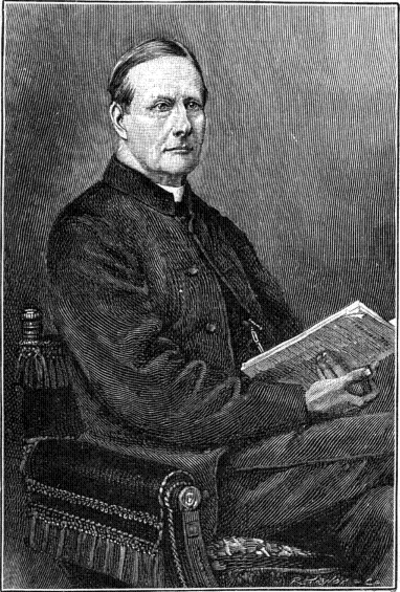
Bjørnstjerne Bjørnson
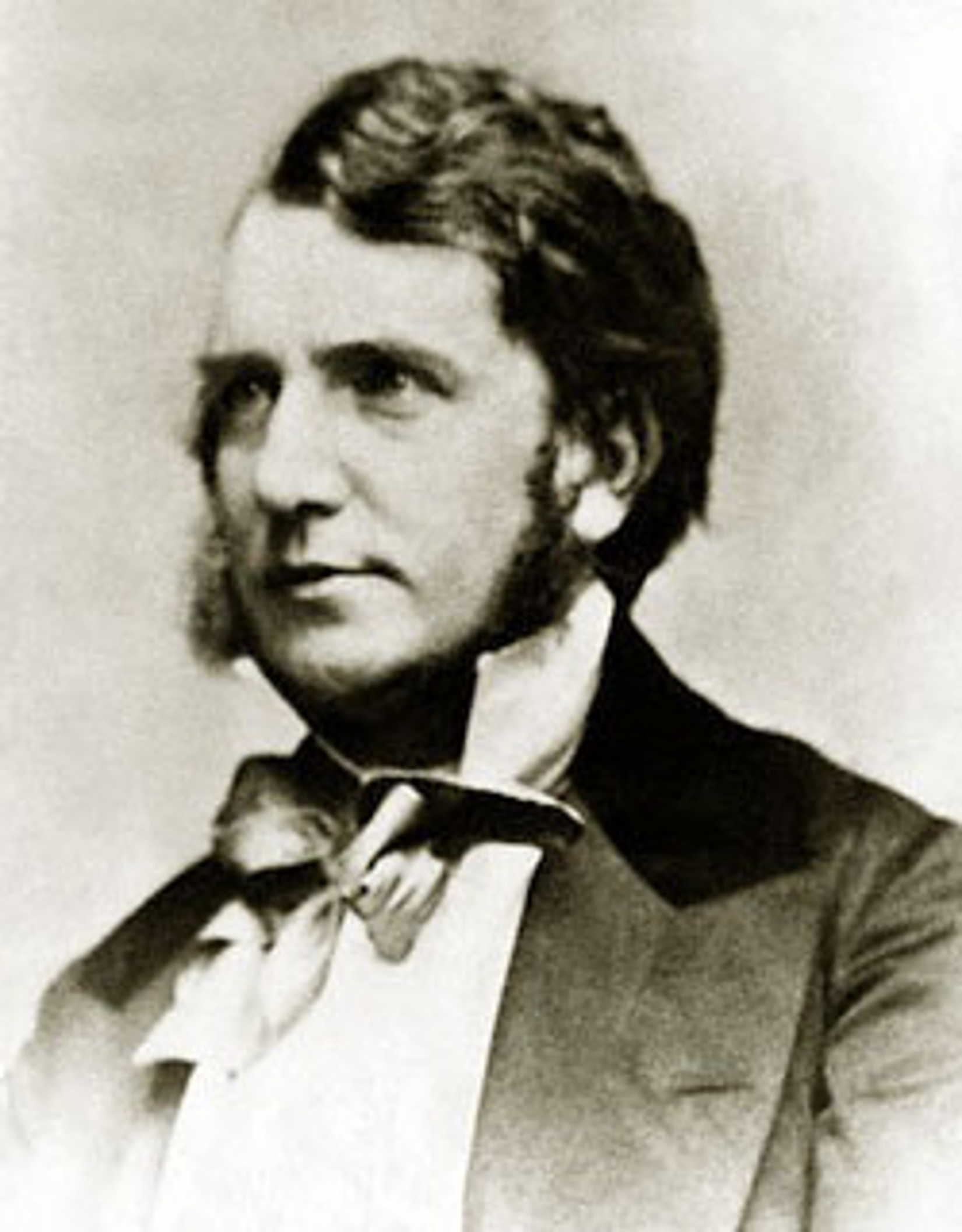
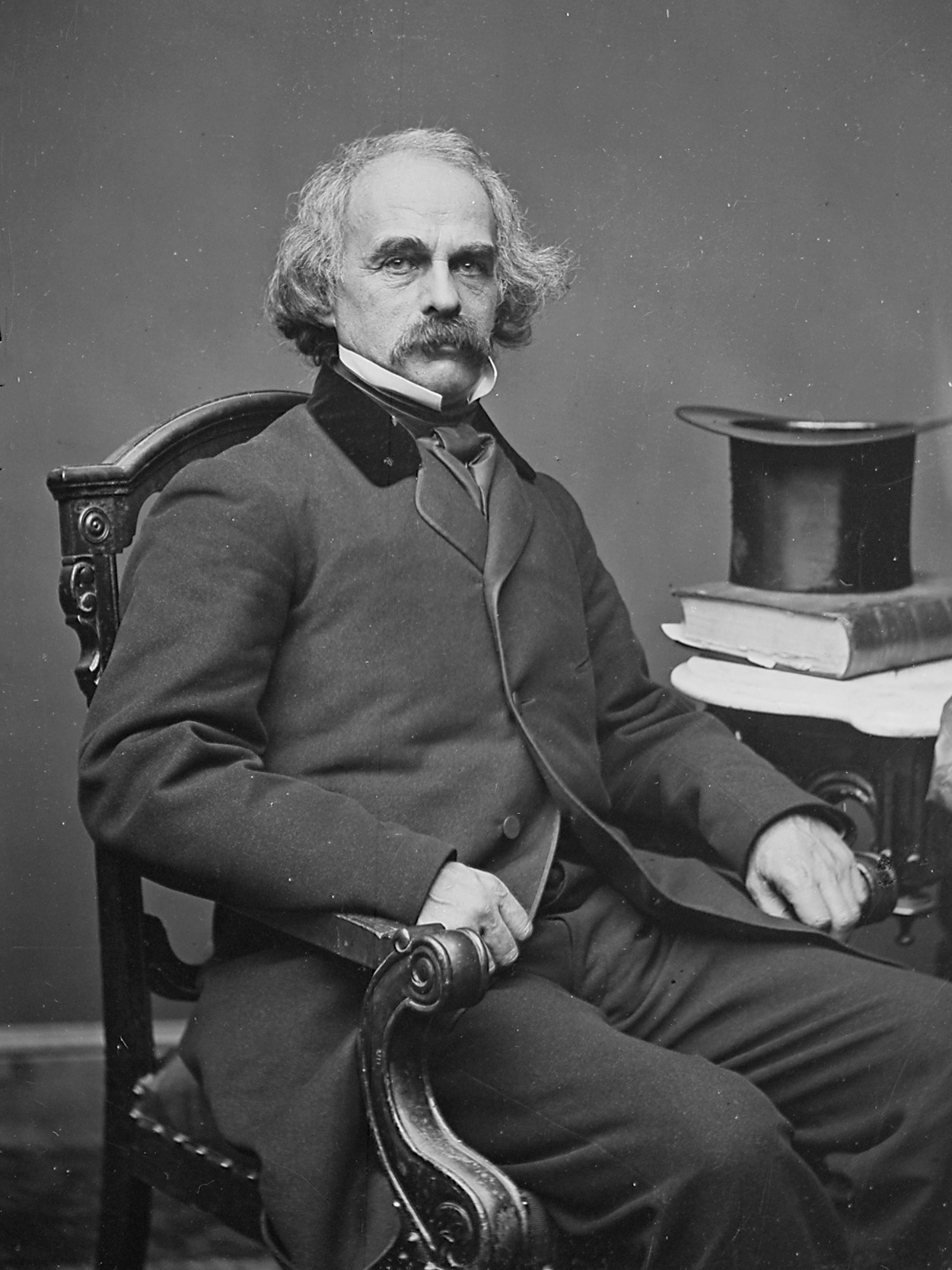
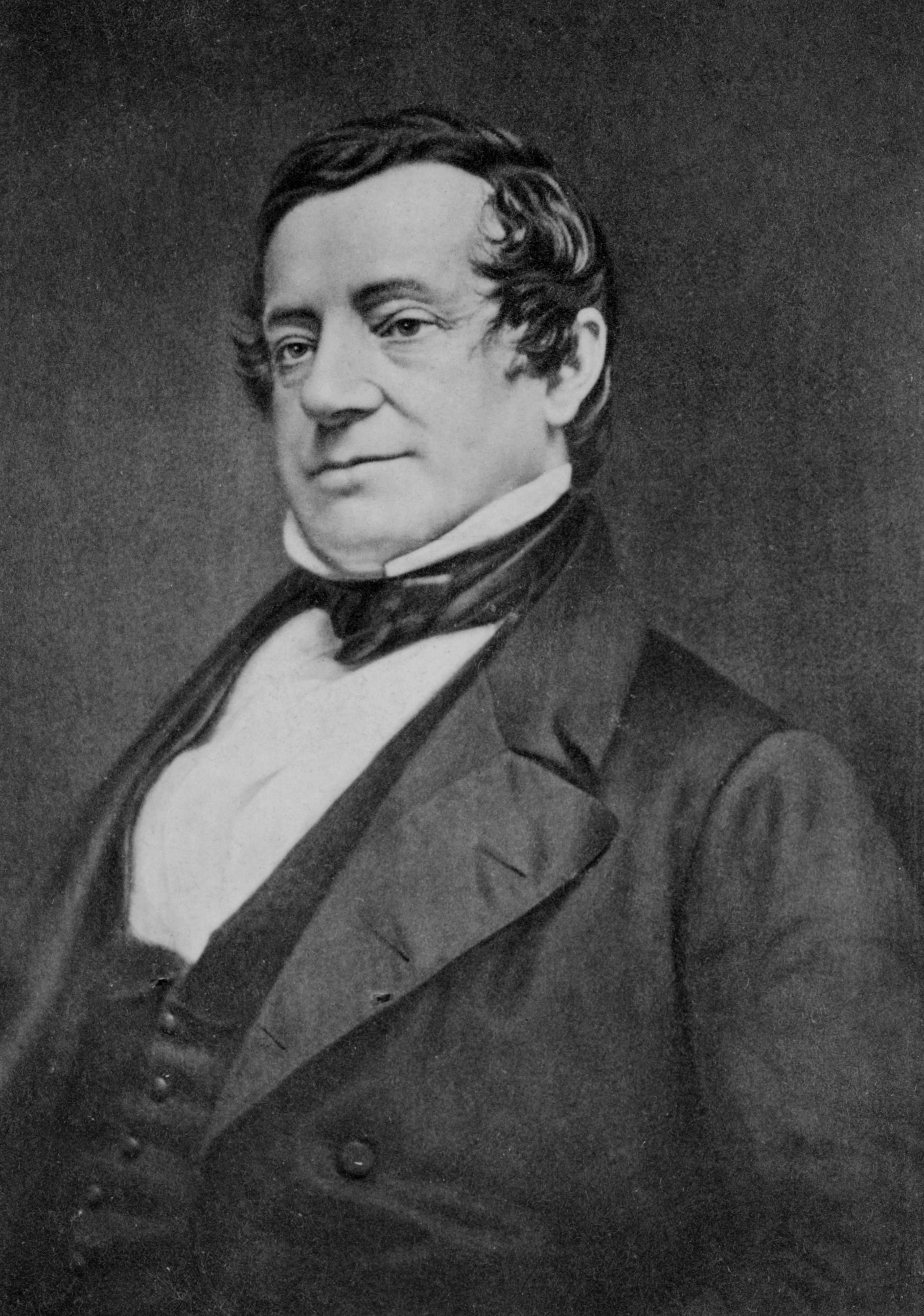
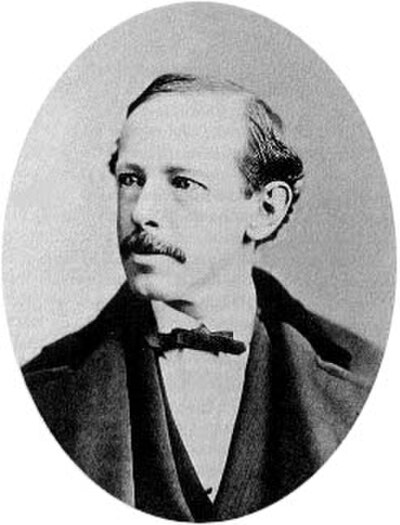
Bjørnstjerne Bjørnson was a prominent Norwegian playwright, novelist, and poet, known for his influential role in the development of Norwegian literature and national identity. Born in Kviknes, he was deeply involved in the cultural and political life of Norway, advocating for independence from Sweden. His literary career began with poetry, but he gained significant acclaim for his plays, particularly 'Sigurd Slembe' and 'The New System,' which explored themes of social justice and national consciousness. Bjørnson's works often reflected his commitment to the ideals of democracy and human rights, making him a key figure in the literary and political movements of his time. In addition to his dramatic works, Bjørnson wrote novels such as 'Synnøve Solbakken' and 'Arne,' which depicted rural life and the struggles of the Norwegian people. His storytelling was marked by a deep empathy for his characters and a keen observation of social issues. Bjørnson's contributions to literature were recognized internationally, culminating in his receipt of the Nobel Prize in Literature in 1903. His legacy endures not only through his writings but also through his impact on Norwegian culture and identity, as he helped to shape the narrative of a nation seeking to assert itself on the world stage.
Famous Quotes
View all 15 quotes“Do not complain beneath the stars about the lack of bright spots in your life.””
“But life does not consist of words.Life consists of reality.””
“I want to go away, oh so far, far away.””
Books from the author





Link to this page
Add a free, dofollow link to Lex on your blog, forum, syllabus, or reading list.

<a href="https://lex-books.com/author/bjørnstjerne-bjørnson"><img src="https://lex-books.com/badges/read-on-lex.svg" alt="Bjørnstjerne Bjørnson on Lex" width="160" height="40"></a>[](https://lex-books.com/author/bjørnstjerne-bjørnson)[url=https://lex-books.com/author/bjørnstjerne-bjørnson][img]https://lex-books.com/badges/read-on-lex.svg[/img][/url]Bjørnstjerne Bjørnson on Lex: https://lex-books.com/author/bjørnstjerne-bjørnson