Passages from the French and Italian Notebooks, Volume 2.
1871
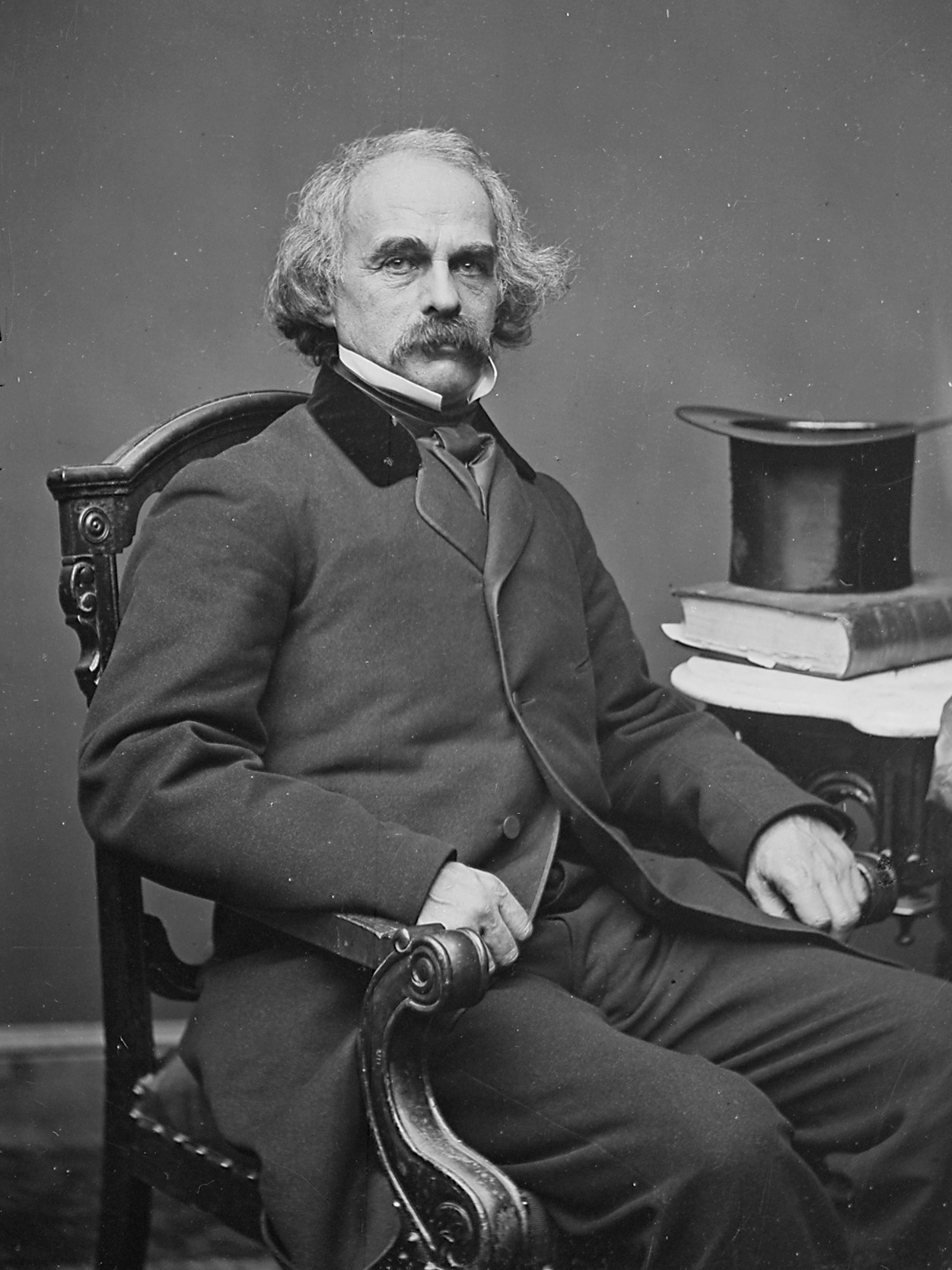
The great American novelist, alone in the galleries of Florence and the streets of Paris, sets down what he cannot say in his fiction. These are Hawthorne's private notebooks, not polished travel prose but the raw, immediate impressions of a man confronting the accumulated weight of European art. Here he stands before the Venus de' Medici and finds her 'too conscious of her own beauty,' traces the line of emperors' busts and meditates on the peculiar stillness of Roman faces, wonders at Titian's 'splendid disorder.' He meets Robert Browning, that 'genial, lively, little man,' and records the small social textures of expatriate life in Rome. There are no Gothic dark doings here, no Puritan guilt worked into allegory. Instead: a writer of shadows discovering that light has its own terrors. The entries range from sharp observation to meditative drift, from descriptions of masterpieces to notes on the quality of Italian afternoon light. For readers who have always wondered what Hawthorne was like when he wasn't performing for posterity, these pages offer an answer: quieter, more uncertain, endlessly susceptible to beauty.
Editions
Link to this book
Add a free, dofollow link to Lex on your blog, forum, syllabus, or reading list.

<a href="https://lex-books.com/book/passages-from-the-french-and-italian-notebooks-volume-2-3b8a5f33-bb7a-4801-8e61-3253ab9641fe"><img src="https://lex-books.com/badges/read-on-lex.svg" alt="Read Passages from the French and Italian Notebooks, Volume 2. by Nathaniel Hawthorne free on Lex" width="160" height="40"></a>[](https://lex-books.com/book/passages-from-the-french-and-italian-notebooks-volume-2-3b8a5f33-bb7a-4801-8e61-3253ab9641fe)[url=https://lex-books.com/book/passages-from-the-french-and-italian-notebooks-volume-2-3b8a5f33-bb7a-4801-8e61-3253ab9641fe][img]https://lex-books.com/badges/read-on-lex.svg[/img][/url]Read Passages from the French and Italian Notebooks, Volume 2. by Nathaniel Hawthorne free on Lex: https://lex-books.com/book/passages-from-the-french-and-italian-notebooks-volume-2-3b8a5f33-bb7a-4801-8e61-3253ab9641feCite this book
Reading this edition for a paper or guide? Copy a citation.
Hawthorne, Nathaniel. Passages from the French and Italian Notebooks, Volume 2.. Lex, lex-books.com/book/passages-from-the-french-and-italian-notebooks-volume-2-3b8a5f33-bb7a-4801-8e61-3253ab9641fe.Hawthorne, N. (1871). Passages from the French and Italian Notebooks, Volume 2.. Lex. https://lex-books.com/book/passages-from-the-french-and-italian-notebooks-volume-2-3b8a5f33-bb7a-4801-8e61-3253ab9641feHawthorne, Nathaniel. Passages from the French and Italian Notebooks, Volume 2.. Lex. https://lex-books.com/book/passages-from-the-french-and-italian-notebooks-volume-2-3b8a5f33-bb7a-4801-8e61-3253ab9641fe.