The Sister Years (from "twice Told Tales")
1839
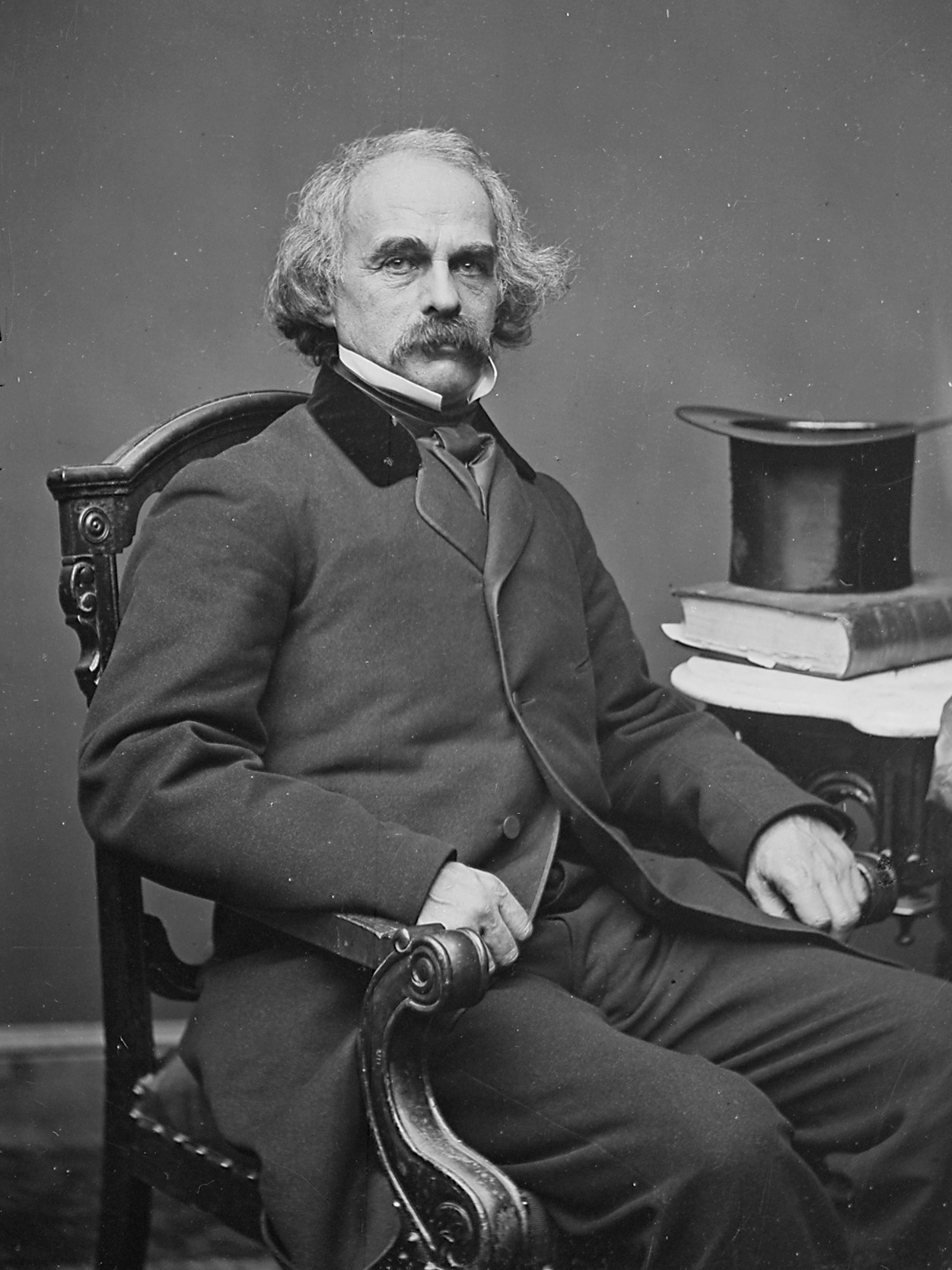
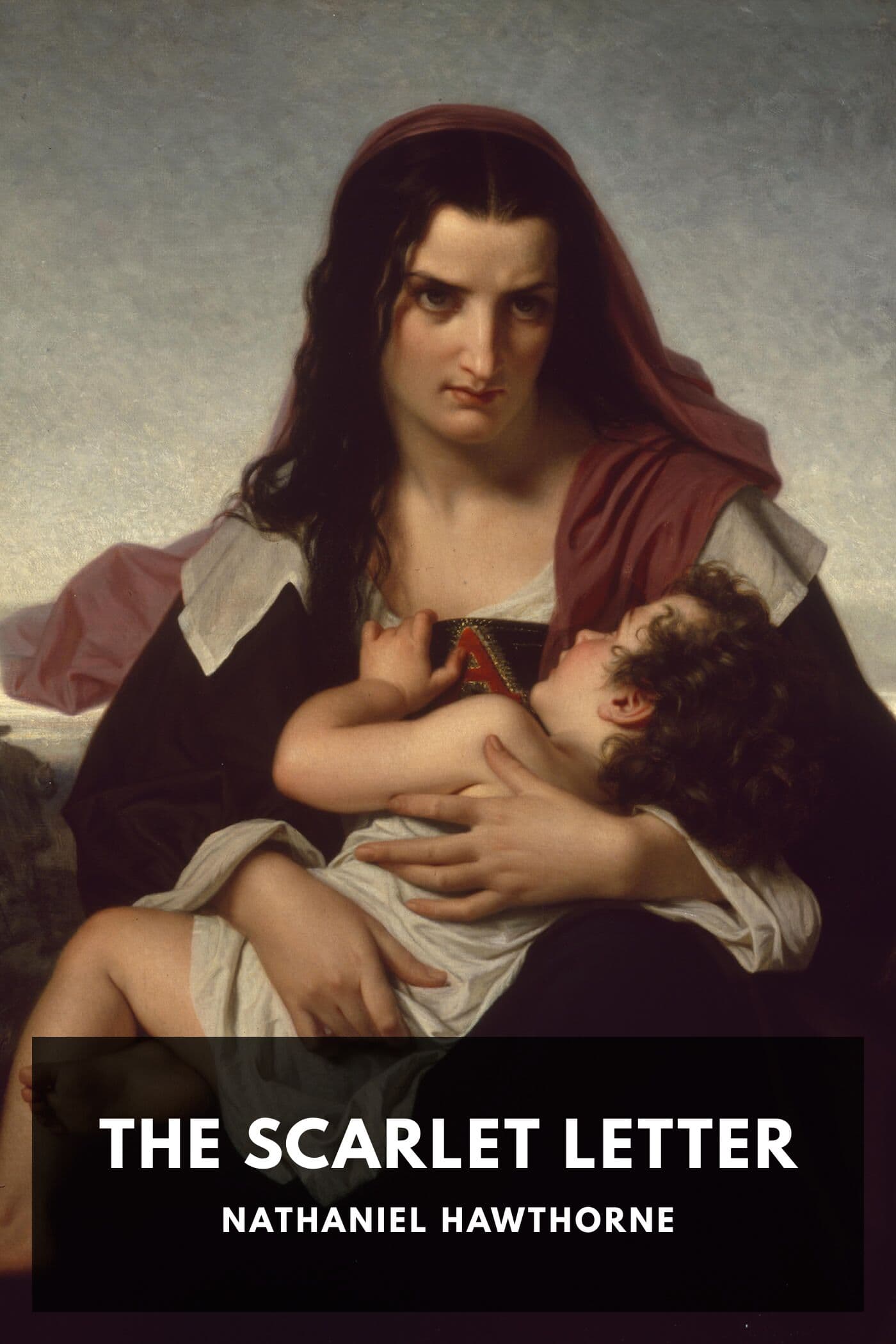
On the last night of the year, two sisters meet on the cold steps of a city hall: the Old Year, worn thin by twelve months of human sorrow, political strife, and dreams that withered halfway to fulfillment, and her bright sister, the New Year, who arrives flushed with hope and desperate to scatter joy across a world she has not yet disappointed. The Old Year recounts her burdensome chronicle in a voice heavy with exhaustion and regret, while the New Year listens with the fierce conviction that she will succeed where her sister failed. This is Hawthorne at his most allegorical and least Gothic: less the dark moralist of "The Scarlet Letter" than a quiet philosopher wrestling with time's relentless passage. The story aches with the melancholy of endings even as it celebrates beginnings, capturing something true about how we greet each new year with hope we suspect will curdle into the next year's weary wisdom. It endures because it names what we feel but cannot say: that every fresh start carries the ghost of what came before.
Editions
X-Ray
“Pleasant is a rainy winter's day, within doors! The best study for such a day, or the best amusement,”
— Nathaniel Hawthorne
“Thus from beneath the black veil there rolled a cloud into the sunshine, an ambiguity of sin or sorrow, which enveloped the poor minister, so that love or sympathy could never reach him.””
— Nathaniel Hawthorne
“Perhaps a germ of love was springing in their hearts so pure that it might blossom in Paradise, since it could not be matured on earth;””
— Nathaniel Hawthorne
“I know what to think when a young girl shivers by a warm hearth and complains of lonesomeness at her mother's side. Shall I put these feelings into words?””
— Nathaniel Hawthorne
“I look around me, and, lo! on every visage a black veil!””
— Nathaniel Hawthorne
“All through life that piece of crape had hung between him and the world; it had separated him from cheerful brotherhood and woman's love and kept him in that saddest of all prisons his own heart;””
— Nathaniel Hawthorne
“I wonder he is not afraid to be alone with himself." "Men sometimes are so," said her husband.””
— Nathaniel Hawthorne
“The subject had reference to secret sin and those sad mysteries which we hide from our nearest and dearest, and would fain conceal from our own consciousness, even forgetting that the Omniscient can detect them.””
— Nathaniel Hawthorne
“Yet perhaps the pale-faced congregation was almost as fearful a sight to the minister as his black veil to them.””
— Nathaniel Hawthorne
Link to this book
Add a free, dofollow link to Lex on your blog, forum, syllabus, or reading list.

<a href="https://lex-books.com/book/the-sister-years-from-twice-told-tales-2323c2bc-189b-4d6c-bb47-8210f51c6d56"><img src="https://lex-books.com/badges/read-on-lex.svg" alt="Read The Sister Years (from "twice Told Tales") by Nathaniel Hawthorne free on Lex" width="160" height="40"></a>[](https://lex-books.com/book/the-sister-years-from-twice-told-tales-2323c2bc-189b-4d6c-bb47-8210f51c6d56)[url=https://lex-books.com/book/the-sister-years-from-twice-told-tales-2323c2bc-189b-4d6c-bb47-8210f51c6d56][img]https://lex-books.com/badges/read-on-lex.svg[/img][/url]Read The Sister Years (from "twice Told Tales") by Nathaniel Hawthorne free on Lex: https://lex-books.com/book/the-sister-years-from-twice-told-tales-2323c2bc-189b-4d6c-bb47-8210f51c6d56Cite this book
Reading this edition for a paper or guide? Copy a citation.
Hawthorne, Nathaniel. The Sister Years (from "twice Told Tales"). Lex, lex-books.com/book/the-sister-years-from-twice-told-tales-2323c2bc-189b-4d6c-bb47-8210f51c6d56.Hawthorne, N. (1839). The Sister Years (from "twice Told Tales"). Lex. https://lex-books.com/book/the-sister-years-from-twice-told-tales-2323c2bc-189b-4d6c-bb47-8210f51c6d56Hawthorne, Nathaniel. The Sister Years (from "twice Told Tales"). Lex. https://lex-books.com/book/the-sister-years-from-twice-told-tales-2323c2bc-189b-4d6c-bb47-8210f51c6d56.