Fanshawe
1828
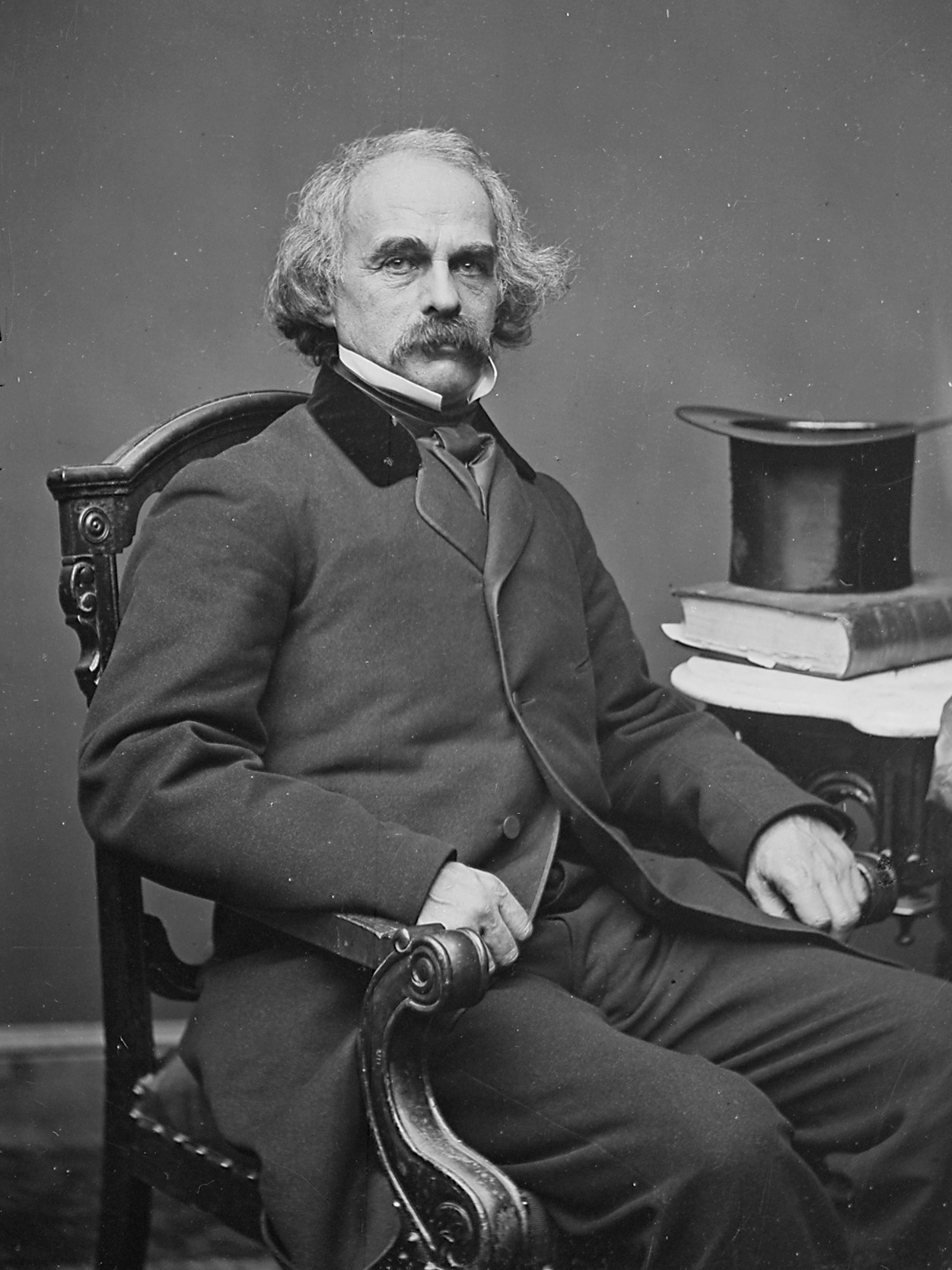
Hawthorne wrote Fanshawe as an undergraduate at Bowdoin, then spent decades trying to bury it. The shame he felt over this early effort is partly what drove him toward the masterworks that followed. Yet Fanshawe reveals the young Hawthorne already commanding his signature elements: the isolated scholar haunted by passion, the forbidden love, the shadowed corridors of New England institutions where ambition curdles into obsession. The novel centers on Fanshawe, a brilliant and ascetic student at the struggling Harley College, who falls desperately in love with Ellen Langton, the beautiful ward of the college president. Edward Walcott, a fellow student, also desires her, and the triangle that forms drives the narrative toward its tragic conclusion. What makes Fanshawe remarkable is seeing a great writer in formation. The psychological interiority, the atmospheric settings, the sense that every emotional victory carries the weight of damnation all appear here, in embryonic form. For readers curious about Hawthorne's creative origins, this is the portrait of an artist discovering his darkest preoccupations.
Editions
X-Ray
“To the untrue man, the whole universe is false””
— Nathaniel Hawthorne
“dismal severity of the Puritanic code of law, which””
— Nathaniel Hawthorne
Link to this book
Add a free, dofollow link to Lex on your blog, forum, syllabus, or reading list.

<a href="https://lex-books.com/book/fanshawe-0cef3d26-82bb-4fb5-aa7e-7d4c7becb80e"><img src="https://lex-books.com/badges/read-on-lex.svg" alt="Read Fanshawe by Nathaniel Hawthorne free on Lex" width="160" height="40"></a>[](https://lex-books.com/book/fanshawe-0cef3d26-82bb-4fb5-aa7e-7d4c7becb80e)[url=https://lex-books.com/book/fanshawe-0cef3d26-82bb-4fb5-aa7e-7d4c7becb80e][img]https://lex-books.com/badges/read-on-lex.svg[/img][/url]Read Fanshawe by Nathaniel Hawthorne free on Lex: https://lex-books.com/book/fanshawe-0cef3d26-82bb-4fb5-aa7e-7d4c7becb80eCite this book
Reading this edition for a paper or guide? Copy a citation.
Hawthorne, Nathaniel. Fanshawe. Lex, lex-books.com/book/fanshawe-0cef3d26-82bb-4fb5-aa7e-7d4c7becb80e.Hawthorne, N. (1828). Fanshawe. Lex. https://lex-books.com/book/fanshawe-0cef3d26-82bb-4fb5-aa7e-7d4c7becb80eHawthorne, Nathaniel. Fanshawe. Lex. https://lex-books.com/book/fanshawe-0cef3d26-82bb-4fb5-aa7e-7d4c7becb80e.